Why “radio” still matters – and why it often disappoints businesses
Radio is not dead, but it isn’t a magic bullet either. For many local businesses, radio delivers broad reach and quick awareness. Yet at the same time, the medium presents clear drawbacks: imprecise targeting, messy measurement, short exposure windows, and rising costs for the frequency you actually need. This article breaks down the disadvantages of radio ads and gives practical ways to compensate for them so you can decide when radio fits your goals.

What makes radio hard to measure and target
Lack of precise audience data. If you buy a morning-drive schedule, you reach commuters – but you don’t know who exactly heard the spot. Traditional broadcast radio delivers an audience, not an email address, cookie, or CRM record. That means advertisers can’t segment listeners the way they can on digital platforms.
Measurement limitations. Radio’s audience estimates come from diaries, meters, and panels. Those are useful for reach and frequency calculations, yet they don’t track click-throughs or pixel-based conversions. If you want a clean, attributable path from ad to sale, radio alone rarely provides it. For updates on new audio measurement tools see audio measurement developments.
Exposure quality and fleeting attention. Radio messages are short. A 30-second spot must compete with driving, multitasking, or channel-switching. Often a listener needs multiple exposures before the message sticks – driving up the cost of effective campaigns.
Why audience fragmentation and ad fatigue make radio trickier
Listening habits have fractured. Podcasts, streaming audio, and on-demand services give listeners more choice and better listener data. Even though broadcast radio still reaches lots of ears, that reach increasingly looks like patchwork across different platforms and age groups.
Ad avoidance is real. People skip, switch, or mentally tune out. Repeat the same spot too often and you risk wear-out. The effective frequency – the number of times someone must hear your message to act – varies with creativity, relevance, and market noise.
Production and repetition are costly
Producing a professional spot costs money: writing, voice talent, studio time, music licensing, mixing. Then you pay the station for airtime. To get the frequency needed for recall, you often need multiple weeks of spots in premium dayparts like drive time. For small budgets, that cost quickly becomes a major limitation.
Common disadvantages of radio (a checklist)
Below are the main disadvantages of radio ads in practical terms:
1. Imprecise targeting: You reach large audiences but can’t precisely target demographics or interests the way digital platforms do.
2. Weak attribution: No built-in clicks or pixels; attribution usually relies on indirect signals like calls, foot traffic, or coupon redemptions.
3. Short, single-sense exposure: Radio is an audio-only medium; visual reinforcement is missing unless you plan an integrated campaign.
4. Ad fatigue and wear-out: Repetition is needed but can annoy listeners if creative is weak.
5. Production and airtime costs: Creating and airing enough spots to matter often requires a bigger budget than many small businesses expect.
6. Fragmented listening: Younger audiences gravitate toward podcasts and streaming, reducing the long-term reach of traditional radio for certain demographics.
How these disadvantages affect different advertisers
Local retailers and restaurants: Radio’s local reach can be very useful for immediate foot traffic and event promotion, but if their goal is measurable online transactions, radio needs help from digital touchpoints.
Service businesses (plumbers, gyms): Drive-time reach and local presence matter, yet leads must be tracked across calls and bookings to justify spend.
Direct-to-consumer e-commerce: Radio is usually a poor standalone choice for pure online acquisition because of limited attribution and targeting precision.
Can you make radio accountable? Yes – here are practical fixes
You don’t have to accept radio’s limits. With a few straightforward tactics you can improve accountability and keep radio contributing to a measurable funnel.
1. Use tracking URLs and vanity pages
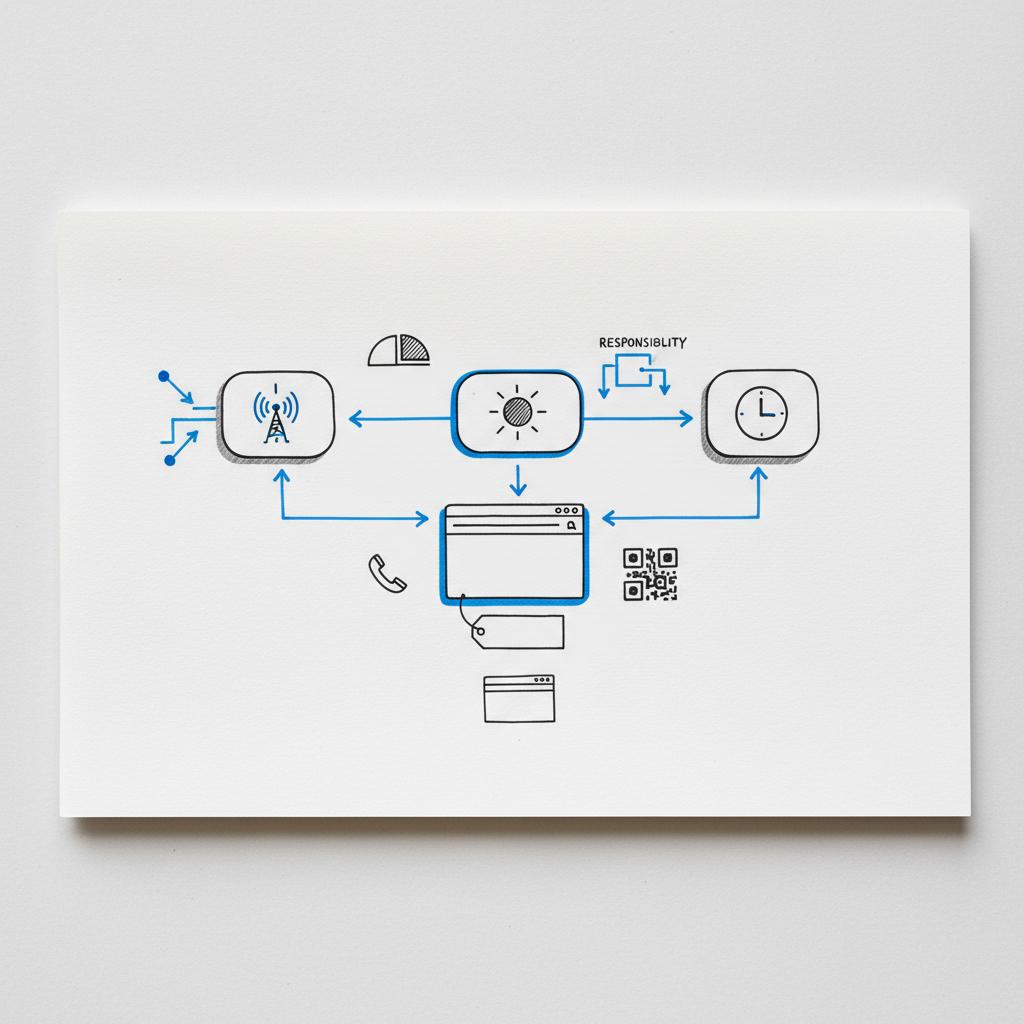
Create a simple, memorable vanity URL for your radio spot and make sure the landing page uses tracking parameters. A vanity URL is easier to remember than a long UTM-tagged link; the landing page itself can redirect to a tracked URL so you collect clean analytics data.
2. Offer exclusive promo codes
A promo code mentioned only on the air is a great way to connect a radio spot to conversions. When customers redeem the code online or mention it in-store, you have tangible attribution for that portion of sales.
3. Use call-tracking numbers
Local businesses often get calls. Use a trackable phone number in your ad and route it to your normal line. Call tracking platforms report volume and some even provide call recordings and lead scoring.
4. Add QR codes thoughtfully
QR codes can bridge analog to digital, but the on-air instruction must be concise and memorable. Pair a QR code with a visual (posters, receipts, or local posters) so listeners have a reference later.
5. Pair radio with paid social or search bursts
Run synchronized digital ads targeting the same local area while the radio burst is live. If people search for your brand after hearing the ad, you’ll capture that behavior with digital analytics. For perspective on radio effectiveness see is radio advertising effective.
For help designing a hybrid campaign that ties radio to measurable outcomes, consider reaching out to Agency VISIBLE’s contact page — they specialize in turning local reach into trackable results.
6. Keep creative short, specific, and local
Specificity helps memory. Replace vague copy with sensory details and a tight call-to-action: instead of “great coffee,” try “single-origin espresso roasted two blocks away – open at 7 a.m. – visit coffeecorner.co/radio.” Make it concrete and actionable.
Alternatives within audio: when to pick podcasts or programmatic audio
If the disadvantages of radio are dealbreakers, consider these options:
Podcasts
Podcasts often deliver highly engaged, niche audiences. Host-read ads can build trust and feel more native, which is excellent for brand storytelling. But podcast reach is usually narrower and pricing varies widely.
Programmatic digital audio
Programmatic audio allows better targeting (by demographics, device, time of day) and improved measurement compared with traditional broadcast. The ecosystem is maturing fast, but measurement standards aren’t fully standardized yet. If your priority is traceable outcomes, programmatic audio can be a strong option – read about recent shifts in programmatic audio at Triton Digital.
A practical scenario: running a small-business radio campaign with accountability
Below is a step-by-step playbook illustrated by a fictional local fitness studio launching a summer trial. This makes the trade-offs and fixes concrete.
Objective & setup
The studio wants trial sign-ups and general local awareness within a 5-mile radius. Primary KPI: number of trial sign-ups. Secondary KPI: walk-in visits and brand searches on Google.
Creative
Script: tight 15-second hook and a 30-second explanatory spot. Call-to-action: unique vanity URL (fitnow.studio/radio) and a promo code RADIO24 for discounted trial. A call-tracking number is used during campaign weeks.
Media buy
Concentrate spend on morning and evening drive times for 3 weeks with a heavy initial burst (first two weeks) followed by a light sustaining schedule. Negotiate bonus spots during low-demand dayparts to increase delivered frequency without proportionally increasing spend.
Measurement
Track trial sign-ups with the promo code, monitor calls from the trackable number, and measure web traffic to the vanity URL. At the end of each week, evaluate incremental sign-ups and adjust cadence or creative as needed.
Outcome and learnings
If sign-ups spike during the heavy burst and taper off, that suggests radio drove awareness but needs retargeting via social ads to convert hesitant prospects. If calls increase but conversions lag, the studio can optimize the landing page or the front-desk script to improve conversion rate.
Creative tips that reduce the disadvantages of radio
Tell a sensory story: Use details that create a mental picture. Humans remember stories more easily than slogans.
Use local cues: Mention streets, neighborhoods, or landmarks to increase relevance for local listeners.
Test ad length: Run both 15- and 30-second spots to see which drives higher action per dollar.
Vary voice and music: Slight changes in voice actor or music bed can refresh the spot and reduce wear-out.
Budgeting and negotiating – practical advice
Understand daypart value: Drive time often costs the most because of audience size and attentiveness. If you can’t afford constant drive-time presence, buy a focused burst with high frequency for a short period.
Ask for production help: Many local stations will bundle production or offer reduced rates if you commit to a longer schedule. Negotiate bonus spots and added value like remnant inventory during low-demand hours.
Calculate cost per thousand (CPM): Compare radio’s CPM to other channels, but factor in conversion rate. If a radio CPM is cheaper but conversion is lower, it might still be a worse use of spend than a higher-CPM but higher-converting channel.
Common pitfalls and how to avoid them
Pitfall: Buying reach without a measurement plan. Fix: Build tracking into the campaign from day one – vanity URLs, promo codes, and tracked numbers.
Pitfall: Assuming one short burst will create lasting recall. Fix: Plan for frequency, or pair the radio burst with retargeting ads.
Pitfall: Generic creative. Fix: Use local specifics, sensory language, and a simple, memorable CTA.
How agencies can turn radio into a measurable channel
Agencies act as the glue between broadcast inventory and digital measurement. They can coordinate production, handle media negotiation, and build the landing pages and tracking that connect radio to online KPIs. That’s a practical service many small teams value because it saves time and avoids rookie measurement mistakes.
Agency VISIBLE – with expertise in digital execution and tracking – positions itself as a partner that helps businesses get visible and measure growth. If you keep brand assets like the Agency VISIBLE logo consistent across channels it helps recognition.
For small teams that prefer a guided approach, agencies can reduce guesswork and stitch together a hybrid campaign that respects radio’s strengths while fixing its weaknesses. See some of our work at Agency VISIBLE projects or learn more on our homepage.
A well-timed radio burst paired with a clear offer and tracking can produce a meaningful bump in foot traffic. Success depends on alignment — the creative must create urgency, the daypart must match listener behavior, and there must be a measurable mechanism (promo code, vanity URL, or call-tracking) to confirm the impact.
The short answer: maybe. A well-timed radio burst – paired with a short, compelling offer and a promo code or tracked landing page – can drive a meaningful bump in foot traffic. But success depends on alignment: creative that creates urgency, the right daypart, and tracking to confirm the impact. Without tracking, you’ll be left guessing whether the rain, the weekend farmers’ market, or the ad caused the spike.
Real-world examples and a case study
Nonprofit fundraiser: A nonprofit ran heartfelt 30-second spots with a vanity URL and phone number. Calls and site visits rose sharply in the first week. They re-ran the spots before the final weekend and saw another surge. The campaign didn’t give precise per-dollar attribution like a search campaign, but it moved the needle on attendance and donations when it mattered.
Local coffee shop (lesson): A coffee shop used a 15-second rotation with local imagery and a promo code for a free pastry with purchase. They tracked redemptions and noticed a higher redemption rate during morning drive ads versus afternoon slots. That insight helped them reallocate spend more efficiently.
Future outlook: where radio is headed
The audio ecosystem is changing. Programmatic audio and better cross-platform measurement are improving targeting and attribution. Industry standards for measuring streamed and broadcast audio are evolving, making it easier to compare audio against other channels in a unified way. These changes reduce some disadvantages of radio, but probably not all, and adoption varies by market.
What marketers should expect
Expect incremental improvements in measurement and targeting over the next few years. Plan for hybrid campaigns today and add programmatic audio where appropriate. Don’t wait for perfect measurement – design your plans to be adaptable.
A simple decision framework
Use this short checklist to decide if radio fits your next campaign:
1. Is your goal local awareness or immediate foot traffic? If yes, radio is worth considering.
2. Do you require precise, per-sale attribution? If yes, plan a hybrid approach that pairs radio with tracked digital touchpoints.
3. Do you have budget for sufficient frequency and production? If no, prefer narrower programmatic audio, podcast sponsorships, or social search bursts.
Sample radio spot scripts
15-second local promo: “Morning commuters: get 10% off any breakfast sandwich at Main Street Bakery. Say RADIO24 or visit mainbakery.co/radio this week only!”
30-second brand + action: “At GreenCycle Gym, classes start at 6 a.m. and your first week is just $1. Visit greencycle.fit/radio and use code RADIO24 to try unlimited classes this month. Friendly coaches, small classes – get moving today.”
Final checklist before you buy radio
1. Define the primary KPI and a measurable secondary KPI.
2. Build tracking into the creative (vanity URL, promo code, call tracking).
3. Confirm dayparts that match your audience.
4. Negotiate production bundles and bonus spots.
5. Pair the radio burst with at least one digital touchpoint for retargeting and measurement.
Turn local reach into measurable growth
Ready to make local reach measurable? If you want help connecting radio awareness to clear results, contact Agency VISIBLE for a pragmatic plan that pairs broadcast with the right tracking and digital follow-up.
Quick takeaways
– Use radio when your objective is local reach and fast awareness.
– Always pair broadcast with a measurable touchpoint when conversions matter.
– Negotiate dayparts and production to fit your budget and test frequently.
Yes, radio ads can drive online sales indirectly. To capture online transactions cleanly, pair a radio spot with a trackable landing page, a unique promo code, or a call-tracking number. These elements let you see how many customers came from the radio campaign. Radio is strongest at creating initial awareness or prompting searches; for measurable online conversions, use a hybrid plan that combines radio with digital follow-ups like paid search or retargeted social ads.
They can be, depending on your goals. Podcasts provide niche, highly engaged audiences and can feel more personal with host-read ads. Programmatic audio offers finer targeting and better measurement than traditional broadcast. However, podcasts often have narrower reach and variable pricing, while programmatic audio standards are still maturing. If you need precision and attribution, prioritize programmatic audio or podcast sponsorships; for broad local reach, traditional radio often wins.
Agency VISIBLE helps businesses stitch radio buys into measurable campaigns by coordinating creative production, building tracked landing pages, setting up promo codes and call-tracking, and negotiating media buys. They specialize in making local reach strategic and accountable so small teams can get visible without wasting budget. Reach out via their contact page to discuss a hybrid plan tailored to your objectives.
References
- https://agencyvisible.com/contact/
- https://www.radiomatters.org/index.php/2025/12/09/audio-advertising-gets-some-fine-tuning/
- https://www.adresultsmedia.com/news-insights/is-radio-advertising-effective/
- https://tritondigital.com/news-item/December-07-2025/programmatic-audio-shifts-to-curation-identity-and-video-in-2026
- https://agencyvisible.com/projects/
- https://agencyvisible.com/