What are the pros and cons of out of home advertising? In an age of tiny screens and endless scroll, out of home advertising still cuts through in ways digital often cannot. From billboards that dominate a skyline to posters that catch a commuter’s eye, outdoor ads create physical moments people remember. This article explores the true advantages and trade-offs of out of home advertising, and gives practical steps to test and measure campaigns that build real visibility and trust.

Why out of home advertising still matters
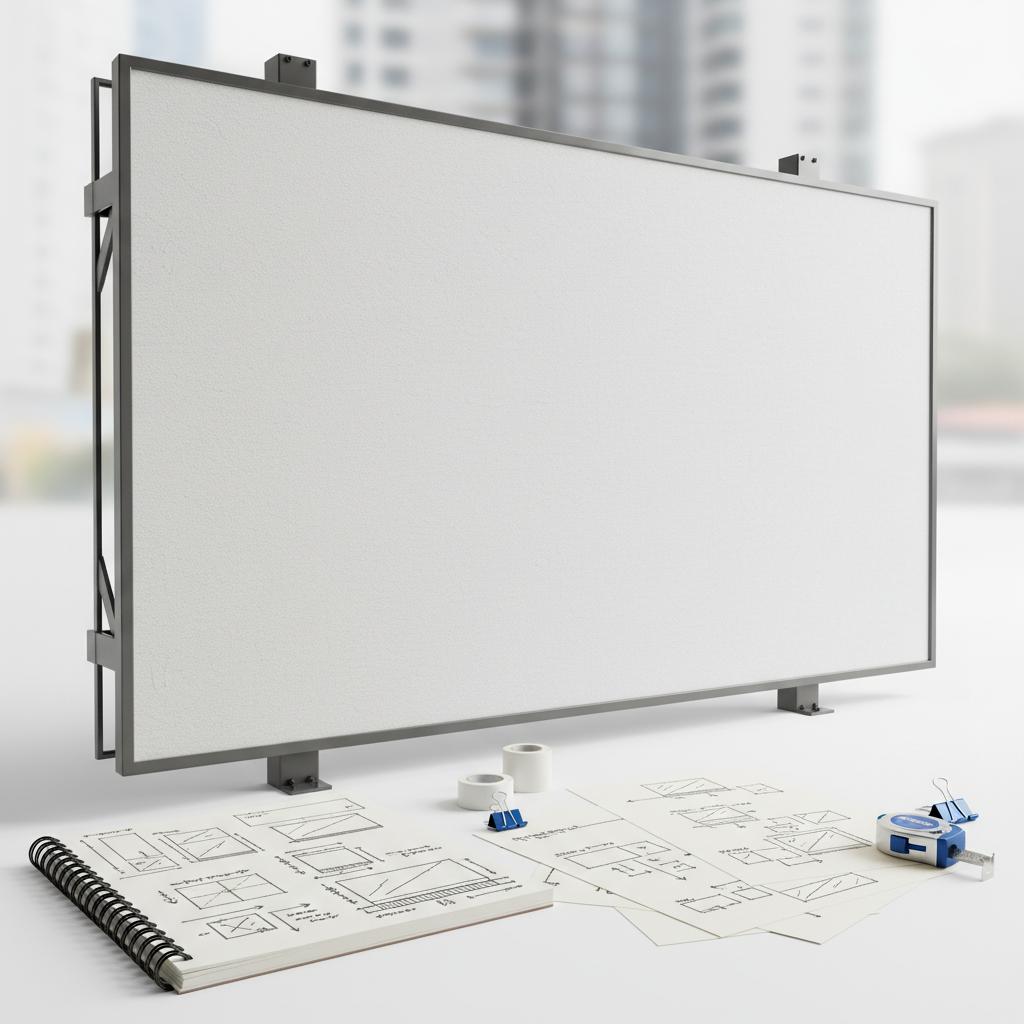
At its simplest, out of home advertising does one thing very well: it puts your brand where people already are. That physical presence—on a roadside, in a subway car, or at a bus shelter—creates an instant impression. When combined with a clear message, this visibility helps brands feel real and local. For many businesses, the pros of out of home advertising include broad reach, memorable visuals, and the ability to reinforce online campaigns. A clear logo helps maintain recognition across placements. Industry research supports DOOH effectiveness: see the OAAA report and the Kantar findings.
Quick context: reach, frequency, and memory
Out of home channels are built around three interlocking ideas: reach (how many people see the ad), frequency (how often they see it), and memorability (how well it sticks). Put simply, a single high-visibility placement can create awareness quickly; repeated placements reinforce messages over time. But these strengths come with trade-offs – cost, creative limitations, and measurement challenges – that every advertiser should understand.
If you need help deciding whether out of home advertising fits your growth plan, consider a quick consultation—Agency Visible helps businesses match placements to goals and budget. Start by talking to Agency Visible to get a pragmatic plan that balances visibility with measurable results.
The biggest pros of out of home advertising
1. High-impact visibility
One of the clearest pros of out of home advertising is sheer visibility. A large, well-placed billboard or a wrap on a busy tram commands attention in ways many small digital ads don’t. This is especially valuable for brand awareness campaigns or product launches where you want to create a bold, immediate impression.
2. Reach local and transit audiences
Out of home is excellent for local targeting. If your business depends on nearby foot traffic—restaurants, retail shops, local services—the pros of out of home advertising include reaching people while they’re in the right place to act. Transit ads are particularly useful for reaching commuters and regular travelers with repeated exposure.
3. Builds trust through physical presence
Physical ads can make a brand feel more established. For many customers, seeing a business represented in public spaces signals reliability and permanence. In that sense, another pro of out of home advertising is that it can reinforce trust built online—when a website, social presence, and a local billboard all tell the same story, the brand feels cohesive and real.
4. Creative impact and simple messages
Large formats force simplicity. That’s a pro: the best out of home executions use bold visuals and short, memorable headlines. When done well, that creative economy drives recall. It’s also an opportunity to use striking design to stand out in a cluttered media landscape.
5. Works well with integrated campaigns
One of the most practical pros of out of home advertising is how well it pairs with digital. Outdoor placements that carry the same visual language as social and search campaigns amplify overall reach: people see the message in real life and online, strengthening memorability and response.
The main cons of out of home advertising
1. Cost and budgeting
One of the clearest cons of out of home advertising is cost. Large-format placements, prime billboard locations, and busy transit routes can be expensive. For small businesses with tight budgets, the up-front expense can feel risky. That said, targeted, short tests and creative placements (smaller signs, local posters) can reduce cost while still delivering benefits.
2. Measurement and attribution
Measurement is a frequent criticism and a top con of out of home advertising: it’s harder to attribute a sale directly to a billboard than to a click-based ad. However, that doesn’t mean it’s unmeasurable. Use trackable landing pages, promo codes, and increases in direct traffic to estimate impact. Combining outdoor ads with digital tracking logic improves attribution and reduces guesswork. The OAAA has highlighted ways to combine signals to estimate impact – see their analysis for more context: OAAA news.
3. Creative constraints
Another con of out of home advertising is creative limitation. Outdoor copy needs to be concise and instantly readable; images must work at large scales and in varied conditions. Not all brands are prepared to communicate effectively in that constrained format—poorly executed designs can waste the investment.
4. Time and logistics
Outdoor campaigns require lead time for production, approvals, and installation. This timelines-related con matters for businesses that need fast results. Planning ahead and working with experienced partners helps, but it’s a real trade-off to keep in mind.
5. Local regulations and availability
Regulations, permitting, and available inventory can limit placements. Some urban areas have strict rules or very high costs for premium spots. That reduces flexibility and can be a con when you want rapid or tactical deployments.
How to weigh the pros and cons for your business
Deciding whether the pros of out of home advertising outweigh the cons depends on clear goals, audience patterns, and budget. Ask: Are you trying to build brand awareness or drive immediate action? Do your customers commute past potential placements? Is your messaging simple enough to fit an outdoor format?
Practical checklist before you book
Audience fit: Do your customers pass the location regularly?
Message clarity: Can your message be communicated in 3–7 words or a strong visual?
Measurement plan: Have you chosen a way to track impact, like a dedicated landing page or promo code?
Budget test: Can you run a small-scale trial before committing to high-cost placements?
Design and messaging: get clarity first
Many of the tips that build online trust also apply to out of home work. Clarity is essential: people get a few seconds with your message, so make it count. Use readable typography, high-contrast colors, and a clear call to action. Avoid jargon and complicated visuals. In short, take the same approach you use online—simplicity, honesty, and a human touch—and apply it to the large format. Consistent branding across formats supports recall; see our approach to design that converts: design that converts.

Show, don’t only tell
Outdoor ads benefit from strong visual proof. If you sell a product, a crisp photo that shows scale and use can be more persuasive than an abstract graphic. If your business offers a service, use trust cues—urls to testimonials, short taglines that highlight a known client type, or a promo code that signals an immediate benefit.
Measurement strategies that make sense
Because one of the big cons of out of home advertising is measurement, you should plan concrete ways to test and learn. Use at least two methods in combination:
- Trackable landing pages or unique URLs on the board
- Promo codes printed on ads to monitor redemptions
- Lift studies: monitor branded search queries, direct visits, and foot traffic by location during a campaign window
- Surveys and response tracking for local stores
These methods won’t turn every impression into a neat conversion number, but they give evidence of impact and help refine future placements.
Start with a low-cost, short-run placement like a local poster or bus-shelter ad, use a unique landing page or promo code, measure changes in foot traffic, direct visits, and branded search, and then scale if the signals show positive lift.
Budget-friendly ways to test outdoor channels
Not every effective out of home campaign requires a six-figure budget. Consider these options to test the water:
Posters and placards
Local posters in cafes, co-working spaces, or community boards can be affordable and highly targeted. They work especially well for events, promotions, or testing message resonance.
Transit ads (short runs)
Many transit operators offer flexible options like two-week runs that are less expensive than a full-year buy. These placements are useful to reach commuters and repeat audiences.
Street furniture and wraps
Bus shelters, kiosk ads, and small-format street furniture sit closer to eye level—often at points of decision for shoppers and diners. They’re typically more affordable than billboards and can drive local discovery.
Creative tips to maximize impact
Good creative reduces many cons of out of home advertising by increasing memorability and actionability. A few pragmatic rules:
- One idea, one message: Don’t try to say everything. Pick one clear benefit or action.
- Readable at speed: Test your design on a moving-screen mockup to ensure legibility.
- Use scale: Contrast and negative space help the main message breathe.
- Call to action that fits context: For local businesses, “Walk in today” or a simple promo code works better than a long URL.
Case examples: what works in practice
Small examples often teach the most. Consider a neighborhood bakery that used a simple sandwich-board and a poster in a nearby co-working space with a unique promo code. The campaign cost a few hundred dollars and generated measurable upticks in morning foot traffic and social shares. That’s a classic success where the pros of out of home advertising—local reach and immediacy—outweighed the cons.
When out of home is especially effective
Out of home tends to work best when one or more of the following is true: local, high-traffic audience; a short, simple message; a visual product or striking design; and integration with digital channels for measurement and follow-up.
Integrating outdoor and online for maximum ROI
One of the smartest ways to reduce the cons of out of home advertising is to integrate it with digital channels. Use the outdoor placement to drive people to a tracked landing page, encourage social sharing with a hashtag, or pair the ad with a short video on social that expands the story. That combination turns passive impressions into measurable journeys.
Example workflow
Plan: choose a high-traffic location and a simple creative concept.
Create: design a billboard with one line and one visual.
Track: use a short, memorable URL or QR code.
Measure: monitor direct site visits, promo code redemptions, and branded search volume during the campaign.
Common mistakes and how to avoid them
Many campaigns fail not because out of home is a bad channel, but because execution misses basics. Avoid these common pitfalls:
- Too much copy—keep messages short and bold.
- Poor contrast—test legibility in daylight and nighttime conditions.
- No measurement plan—decide how you’ll track impact before you publish.
- Mismatched message—ensure the creative fits the audience passing the placement.
Measuring success beyond direct conversions
Because one of the cons of out of home advertising is limited direct measurement, consider broader metrics that reflect awareness and intent. Track branded search volume, direct traffic spikes, social mentions in local areas, and footfall data when available. These signals collectively indicate the campaign’s effect even if a single click can’t be traced back to a board.
Regulatory and ethical considerations
Not all placements are possible everywhere. Check local rules about sizes, illumination, and permitted content. Ethically, avoid misleading claims on outdoor creative—trust can evaporate quickly if a public ad overpromises. Keep claims honest and verifiable: a billboard is a public statement about your brand, so treat it with care.
How to start this month: a four-step plan
For many businesses, the best way to balance the pros and cons of out of home advertising is a rapid test. Here’s a simple four-step plan:
- Choose one clear objective (awareness, local footfall, event attendance).
- Pick a cost-conscious placement (poster, bus shelter, short transit run).
- Create a single, bold message and a tracking mechanism (short URL, promo code).
- Run for 2–4 weeks and measure impact with multiple signals (landing page visits, direct searches, foot traffic).
When to hire help
If you’re unsure about placement selection, creative execution, or measurement, a partner can accelerate testing and reduce waste. Agencies with outdoor experience help negotiate inventory, design for scale, and set up tracking. If you want direct, practical help, a short consult with a firm that focuses on clarity and measurable outcomes—like Agency Visible—can be a productive next step. See examples of our work in the project portfolio.
Balancing long-term brand building and short-term action
Keep in mind the difference between campaigns meant to build brand equity and those meant to drive immediate action. Out of home is especially powerful for brand-building: striking visuals and repeated exposure shape awareness over time. If you need immediate transactions, pair outdoor with digital channels to capture intent.
Final considerations: is out of home right for you?
Weigh the pros of out of home advertising—visibility, local reach, creative impact—against the cons—cost, measurement limits, and creative constraints. For many small and mid-sized businesses, the best approach is to run disciplined tests, integrate outdoor with online tracking, and focus on simple, human messaging that matches the audience passing your placement.
Questions to evaluate fit
Do you have a clear, simple message? Can you target an area where your audience actually spends time? Will you use tracking to measure the effect? If the answers lean toward yes, a carefully executed out of home campaign can be a powerful addition to your marketing mix.
Ready to test out of home advertising without wasting budget?
Ready to test an out of home campaign without wasting budget? Get a practical plan and a quick cost estimate by reaching out—Agency Visible helps businesses choose the right placements, creative, and tracking to make outdoor advertising work. Contact Agency Visible to get started.
FAQs
How much does out of home advertising cost?
Costs vary dramatically by format, location, and run length. Small local posters can cost a few hundred dollars; prime billboards in major cities can be tens of thousands for multi-week runs. Always request a rate card and consider short tests before large buys.
Is out of home advertising measurable?
Yes, but not always directly like a click. Use unique URLs, promo codes, and measure lifts in branded search and direct traffic. Combining multiple signals gives a clearer picture of impact.
Can small businesses succeed with out of home advertising?
Absolutely—when campaigns are targeted, simple, and integrated with online tracking. Small tests like posters, bus-shelter ads, or local transit runs can deliver measurable results without large budgets.
Out of home advertising remains a powerful tool when used thoughtfully. The pros often outweigh the cons for businesses that plan, measure, and keep messages clear—turning public spaces into opportunities to build visibility and trust.
Costs vary by format and location. Small local posters may cost a few hundred dollars, while prime billboards in major markets can run into the tens of thousands for multi-week placements. To manage risk, start with short tests like posters or transit ads and scale based on measured results.
Yes—though not always as directly as digital clicks. Use unique landing pages, promo codes, QR codes, and monitor lifts in branded search, direct traffic, and footfall. Combining several tracking signals provides a reliable estimate of impact.
Yes. Small businesses can succeed when they target placements precisely, use simple and readable creative, and integrate outdoor ads with online tracking. Short, local campaigns like posters, bus-shelter ads, and short transit runs are effective low-cost tests.
References
- https://oaaa.org/wp-content/uploads/2024/04/Digital-OOH-Advertising-4.29.2024.pdf
- https://investor.clearchannel.com/news/detail/538/new-kantar-study-shows-out-of-home-advertising-outperforms-key-channels-and-addresses-gaps-in-modern-marketing-strategies
- https://oaaa.org/news/new-study-finds-digital-out-of-home-advertising-surpasses-other-media-in-driving-favorability-and-action-among-consumers/
- https://agencyvisible.com/contact/
- https://agencyvisible.com/projects/
- https://agencyvisible.com/
- https://agencyvisible.com/design-that-converts-our-approach/