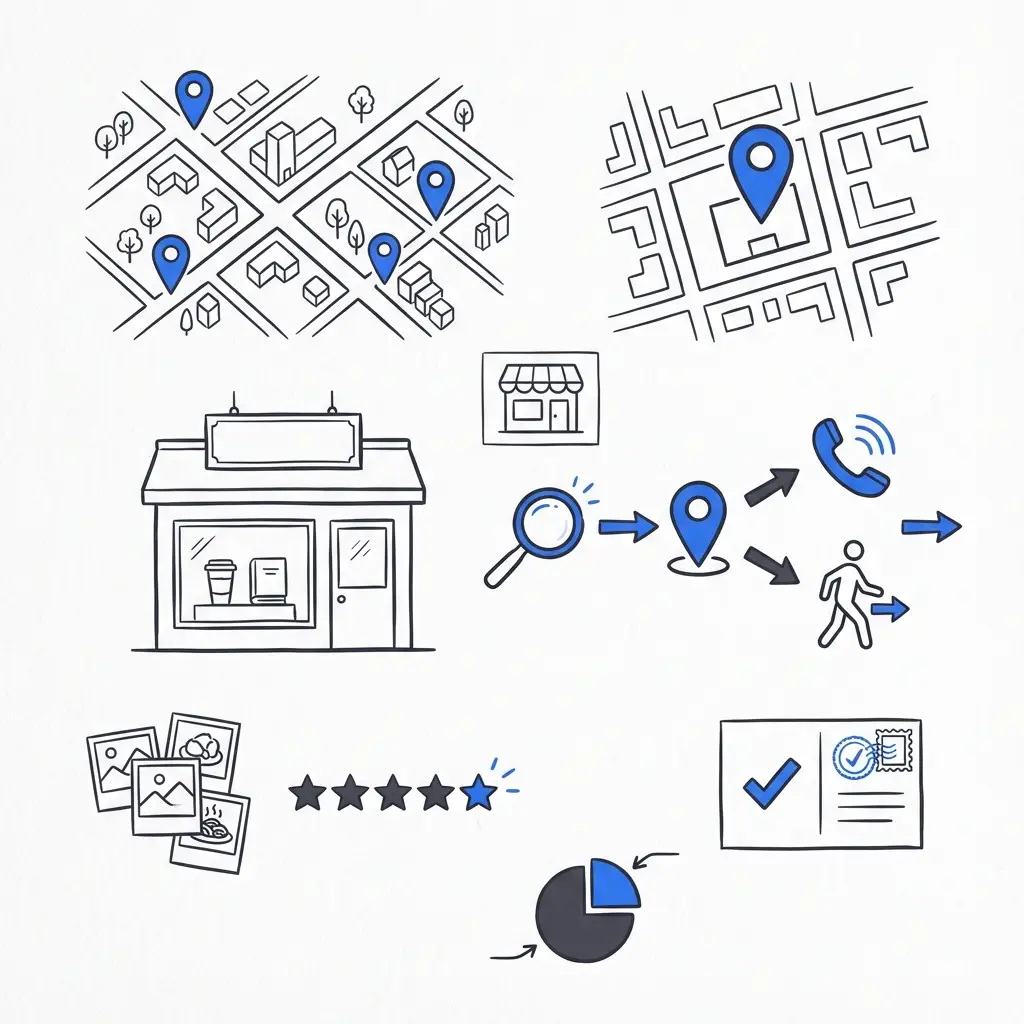
Why local businesses care about Yelp advertising benefits
Yelp advertising benefits show up the moment a customer types “best plumber near me” or “pizza open now.” Users on Yelp typically have strong local intent — they are searching to solve a need immediately. That means a sponsored placement on Yelp can connect you with people who are ready to call, get directions, book, or message right away, not just browse.
Paid placement on Yelp puts your profile where intent and proximity meet. Unlike broad social ads that interrupt attention, Yelp ads meet people at the decision point. For many small and mid-sized businesses, that makes Yelp advertising benefits uniquely relevant — and measurable. A distinct logo adds credibility.

How Yelp ads work: simple budget control + local targeting
At its core, Yelp runs on a cost-per-click model. You set a monthly cap and a maximum cost-per-click bid. Yelp then serves your sponsored placement in relevant category and geographic searches. That structure is one of the practical Yelp advertising benefits: you only pay when someone clicks through to your profile.
Targeting is local and category-driven. Choose your business categories, set a radius around your service area, and refine keywords or search categories. Because the audience often has immediate needs, you don’t need enormous reach — you need the right reach. That efficiency is one reason the Yelp advertising benefits list appeals to businesses with modest budgets.
What to expect in the first 30–90 days
Expect early signals (clicks, calls, messages) within the first week for urgent categories; for many businesses, a clear pattern emerges after three to eight weeks. Pay attention to call volume, message quality, and whether direction requests convert into store visits. The most useful Yelp advertising benefits show up when you combine paid reach with a well-maintained profile.
Remember: clicks are not customers. The real measure is how many paid clicks turn into calls and how many calls turn into paying customers. That’s why tracking and process readiness matter as much as bidding strategy.
Start a low-risk Yelp test with clear goals
Ready to test Yelp ads without the guesswork? If you want a quick, practical review of your listing and a calm plan for a modest test budget, talk to Agency VISIBLE — they’ll help you set an initial test that focuses on calls and bookings rather than vanity metrics.
Measuring performance and realistic ROI from Yelp
Yelp provides analytics for clicks, calls, messages, direction requests, and some tracked conversions. Those metrics let you build a simple ROI model: how many clicks equal one lead, how many leads convert to sales, and what revenue each sale produces. When you multiply that out, you get a practical view of the Yelp advertising benefits for your business.
Attribution is messy: a customer might find you on Yelp, then search the brand on Google, and call later. Yelp’s dashboard shows on-platform interactions clearly, but tying those to closed sales requires internal systems — ask callers how they found you, use unique promo codes, or implement call-tracking numbers to match leads to ads.
Triangulation beats perfection
No platform will deliver perfect attribution in today’s privacy-first world. Apple’s tracking changes and stricter browser policies reduce deterministic cross-site tracking. So treat Yelp’s data as one strong signal and combine it with your CRM, appointment system, and simple manual checks. Look for trends over weeks, not day-to-day spikes — that steady view reveals the true Yelp advertising benefits.
How much do Yelp ads cost?
The short answer: it varies. Cost-per-click on Yelp depends on category, market, and local competition. High-value categories (legal, dental, home services) often have higher CPCs because the lifetime value per customer is larger and competition is intense. Smaller towns and low-competition categories can be considerably cheaper.
Because Yelp is CPC, you control your monthly spend with caps. A practical rule of thumb: if a new customer provides $200 in gross margin, spending $10–$30 to acquire that customer via Yelp can make sense, depending on conversion rates. That arithmetic is one of the clearest Yelp advertising benefits – budget control tied to measured outcomes.
How to set a smart test budget
Start with a modest test: $200–$500 per month for many local businesses. Use a narrow radius and specific categories to keep the traffic relevant. Run the test for at least three to four weeks to collect meaningful data. If calls convert at a reasonable rate, increase the budget. If not, refine the listing and test again.
Profile hygiene: the multiplier behind Yelp advertising benefits
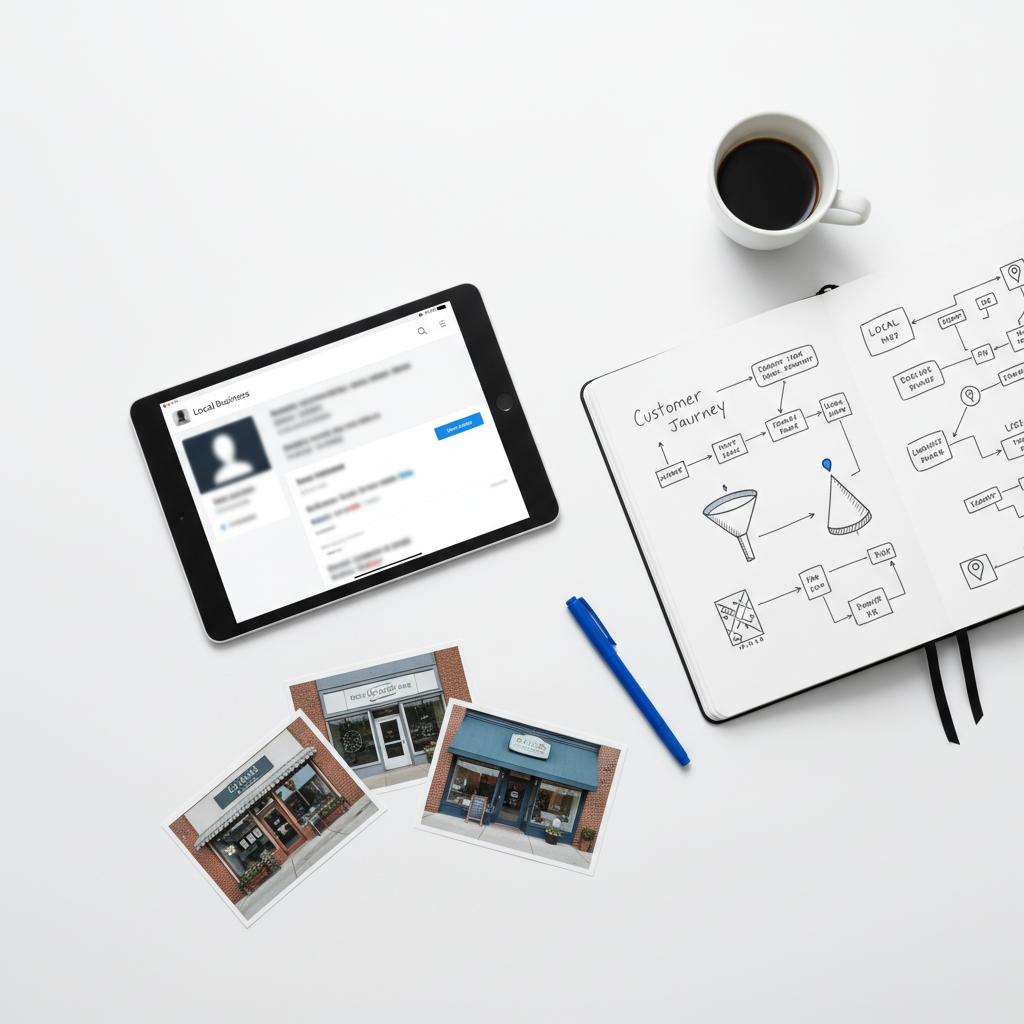
Paid placement is only useful if your profile can convert a click into contact. Photos, hours, a clear description, and good review management are the multiplier. Businesses with strong ratings typically see better click-through and contact rates from the same ad spend than those with weak profiles.
A quick optimization checklist: add bright, recent photos; update hours and service areas; write a concise description that highlights unique selling points and calls to action; and make sure contact methods (phone, message, directions) are accurate and monitored. That checklist captures many of the hidden Yelp advertising benefits — small efforts that significantly increase lead quality.
Real example: small tweaks, big lift
A bakery replaced dim photos with bright shots of pastries and clarified weekend hours. Click volume stayed similar, but calls and walk-ins rose noticeably within a week. That kind of profile improvement often multiplies the return on ad spend more than an increase in bids would.
Yes — in many urgent, local-service categories like plumbing or locksmithing, Yelp ads often produce immediate calls because users are searching with high intent. In other categories, results are steadier and require a few weeks of testing and profile optimization to see reliable lead flow.
Practical tactics that improve results without large budgets
You can get better returns from Yelp with low-cost tactics:
- Complete the profile: hours, menu or services, phone, and a short, clear description.
- Use clear photos: well-lit, uncluttered images of your space, team at work, or products.
- Respond to reviews: thank positive reviewers and address negatives calmly and helpfully.
- Track callers: use a simple intake script that asks how callers found you.
- Run short, targeted promotions: mention a Yelp-only offer to measure response.
These steps are cheap but powerful and are central to many Yelp advertising benefits: better conversion from the same click volume.
Category-specific expectations
Not all categories behave the same. Here’s what to expect:
High-intent, short-funnel (plumbing, locksmiths, urgent repairs)
These categories often produce immediate calls from ads. Customers have an urgent need and call quickly, so businesses can tolerate higher CPCs because each call can be worth a large job.
Medium-funnel (restaurants, retail)
Restaurants benefit from visibility at meal times and promotions; retail shops can use photos and descriptions to draw local shoppers. Conversion often depends on timing and visual appeal.
Long-funnel (home renovation, elective medical)
These fields need patience: the buyer researches, schedules consultations, and may convert weeks or months later. Use longer attribution windows and capture lead source information during intake.
Testing Yelp ads without wasting budget
Testing should be a disciplined experiment. Define a single question: does Yelp advertising increase actionable leads (calls, messages, visits) for a specific service in my area? Then:
- Set a narrow geography and category focus.
- Use a modest budget and a time box (4–8 weeks).
- Ask callers where they heard about you or use a Yelp-only offer.
- Measure calls and conversions across systems — CRM, appointment logs, and Yelp analytics.
Repeat tests for different storefronts or neighborhoods — performance may vary even inside a single city.
Attribution, cross-channel impact, and the halo effect
Perfect attribution is rare. Instead of demanding perfect credit, look for directionally meaningful changes: more organic searches, more direct visits to your site, increased calls, or a faster flow of reviews after a paid campaign starts. That “halo effect” is one of the indirect Yelp advertising benefits — paid visibility can amplify organic performance over time.
Use multiple signals: Yelp analytics, your phone system tags, promo codes, and a short intake script that captures lead source. Together, these give a practical view of campaign impact.
Privacy changes and how they affect reported conversions
Privacy updates have reduced the accuracy of cookie-based attribution. Expect some underreported conversions in dashboards. The practical fix is to triangulate: use Yelp’s metrics, your internal bookings, and call-tracking to form a consistent picture over several weeks. If calls and bookings rise after launching ads, that trend is meaningful even when platform-reported conversions look conservative.
Common mistakes and how to avoid them
Typical errors include:
- Relying on ads without a strong profile.
- Ignoring incoming leads — voicemail left unchecked wastes paid clicks.
- Failing to ask callers how they found you.
Operational readiness — answering phones, training staff on intake scripts, and monitoring leads — often produces larger gains than increasing bids.
Sample intake script to capture lead source
“Thanks for calling [Business Name], this is [Name]. How can I help? And may I ask how you heard about us today?” Capture the answer and log it. Over time, this simple habit clarifies whether Yelp ads are driving real business.
When Yelp ads are a smart choice
Yelp advertising benefits are most obvious for businesses that rely on local, immediate demand: restaurants, home services, urgent repairs, legal and medical practices that take appointments or phone calls. If your margins are healthy and one new customer is worth substantially more than your expected cost per acquisition, Yelp often makes sense.
If margins are thin and lifetime value is low, treat paid channels cautiously — run small tests and track closely.
Agency help: when to DIY and when to bring a partner
Some owners manage Yelp campaigns in-house successfully. Others prefer agency help to save time and avoid common mistakes. A good partner will treat Yelp as one channel of many, focus on measurable goals, and make practical recommendations for profile improvements. See examples of Agency VISIBLE work on their projects page.
For a helpful, no-nonsense audit and a realistic test plan, consider reaching out to Agency VISIBLE. They specialize in helping small and mid-sized businesses set up measurable, low-risk local campaigns that combine profile improvements with focused ad tests.
Detailed, step-by-step setup checklist
Before launching ads, complete this checklist:
- Verify business information: phone number, address, hours, and categories.
- Upload 6–12 bright, recent photos of products, interiors, staff at work, and signature items.
- Write a concise, benefit-focused description with a simple call-to-action.
- Set up call tracking or ask callers how they found you.
- Choose a narrow geographic radius and 1–3 primary categories.
- Set a modest monthly cap and a conservative CPC bid to start.
- Run the campaign for 4–8 weeks and review calls and messages weekly.
This methodical approach reduces wasted clicks and surfaces the real Yelp advertising benefits for your specific market.
How to interpret the dashboard numbers
Key metrics to watch:
- Clicks: profile views generated by ads.
- Calls: immediate phone leads.
- Messages: text or Yelp messaging leads.
- Directions: indication of intent to visit in person.
Calculate simple ROI: take revenue from customers attributed to Yelp, subtract ad spend, and compare. When attribution is fuzzy, use conservative assumptions and focus on trends rather than single-day anomalies.
Low-cost ways to increase conversion from paid clicks
Improve conversions without increasing ad spend:
- Highlight limited-time offers in your description.
- Update photos weekly to keep content fresh.
- Pin a top review (if available) or highlight a signature service in the description.
- Train staff to respond quickly to calls and messages.
Small changes often have outsized effects on how many paid clicks become customers — another of the underrated Yelp advertising benefits.
Sample budgets and scenarios
Here are sample starting budgets and expected outcomes for illustration (adjust to your margins and local competition):
- Low-competition small town: $150–$300/month — modest clicks, lower CPC, steady local visibility.
- Urban restaurant in mid-sized city: $300–$700/month — targeted visibility around meal times and promotions.
- Home services in a competitive metro: $500–$2,000+/month — higher CPCs but higher-value jobs per call.
These scenarios highlight how the Yelp advertising benefits scale with category and local competition.
Realistic timelines and expectations
Initial signals appear quickly in many cases, but steady returns usually need a few months. Treat the first quarter as a learning period: refine targeting, improve the profile, and train staff on intake. That patient approach will reveal the sustainable Yelp advertising benefits for your business.
Case studies and small wins
Short, specific wins often prove the case: a locksmith that doubled evening calls after enabling sponsored placements; a bakery that saw a 20% lift in weekend foot traffic after updating photos and running a $300/month test; a plumber that booked two $1,200 jobs in a month after increasing bids for emergency service keywords. For deeper examples and related case studies, see this Yelp advertising case study and this Movers Best example on Yelp’s site: Movers Best case study. For expert perspectives on whether Yelp advertising is worth it, read this analysis: Is Yelp Advertising Worth It.
Common questions business owners ask
Will ads bring lower-quality leads?
Not usually. Because Yelp users are searching locally for immediate needs, leads tend to be high intent. The key is ensuring your profile converts clicks into contact.
Should I pause organic efforts if I buy ads?
No. Paid listings and organic profile strength work together. Ads can amplify organic visibility and accelerate review collection — they’re best used as part of a combined approach.
Long-term view: how Yelp fits into a local marketing mix
Think of Yelp as a tactical channel for intent-driven local customers. It pairs well with Google Business Profile, local SEO, paid search, and social presence. Over time, paid Yelp presence can increase organic visits to your profile, more reviews, and stronger local recognition. Those compounding benefits are core to the broader Yelp advertising benefits.
Final decision checklist
Use this short checklist to decide whether to test Yelp ads:
- Do you need local phone calls or foot traffic?
- Is your profile up-to-date and photo-ready?
- Can you commit to a 4–8 week test budget?
- Can staff answer calls and log lead sources?
If you answered yes to most items, run a modest test and measure calls and bookings carefully.
Quick summary of key takeaways
Yelp advertising benefits include access to an audience with strong local intent, tight budget control through CPC and caps, and measurable signals like calls and messages. The best results come when ads are paired with a complete, attractive profile and simple internal tracking to capture lead sources.
Wrap-up
Yelp ads can be a dependable channel for businesses that rely on local intent. The combination of CPC control, category targeting, and measurable contact options delivers clear advantages – especially when you prepare your profile and your team to convert the clicks into paying customers.
You may see initial signals — clicks, calls, and messages — within the first week in urgent categories. For a clearer picture of lead quality and steady trends, plan for a 3–8 week test period. Use call tracking or ask callers how they found you to attribute leads more accurately.
A modest test budget is typically $200–$500 per month for many local businesses, with narrower budgets for small towns. The goal of the initial test is to assess lead quality and conversion rates, not to capture the entire market. Adjust up or down based on results.
Yes — restaurants benefit from meal-time visibility and promotions, while retail shops can attract local shoppers through compelling photos and clear descriptions. Ensure your profile highlights menus, peak hours, or product highlights and that you track incoming leads to measure the ad impact.
References
- https://agencyvisible.com/contact/
- https://agencyvisible.com/projects/
- https://www.embark-marketing.com/yelp-advertising-case-study/
- https://business.yelp.com/resources/success-stories/movers-best-case-study/?domain=local-business
- https://www.orbitlocal.com/resources/expert-insights-is-yelp-advertising-worth-it/