What the program is and why the phrase Google Local Guide matters
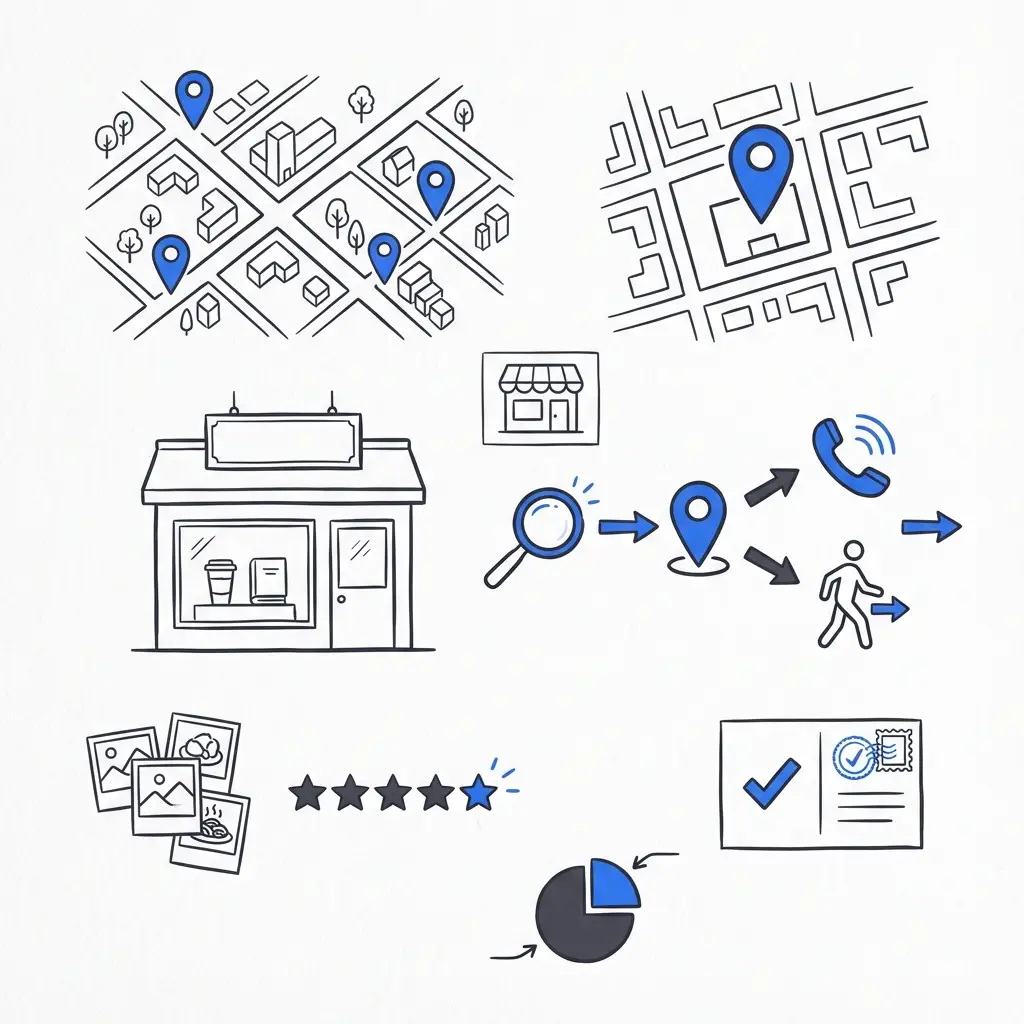
You have probably seen the little badge on Google Maps and wondered what it means. A Google Local Guide is someone who adds reviews, photos, edits, and other local information to Google Maps. These contributions earn points and levels from 1 to 10, and the higher the level the more visible the contributor’s badge becomes. That visibility is the main currency of the program – not cash – and it’s why people keep contributing.
How contributions become influence
When you post a clear photo, a practical review, or correct a business hour, Google can display that content directly in search results and place listings. That means your content is seen by people actively planning a visit. For many contributors, the pay-off is social recognition and the knowledge that they helped someone make a better decision. For businesses, good contributor content can reduce customer confusion and improve first impressions. Learn more about realistic program perks on program perks.

How the Local Guides system actually works
At its core the program is simple: contribute, earn points, move up levels. But the impact is layered. Points are awarded for actions such as leaving reviews, adding photos, answering questions, suggesting edits, and confirming other people’s edits. Over time those contributions are evaluated by Google’s algorithms and moderation team; higher-quality and timely content tends to be surfaced more prominently.
There are also occasional perks: product previews, partner discounts, or early access to features. Those perks are sporadic and regional – not guaranteed. Still, the constant and reliable outcome is increased visibility of your contributions inside Google Maps.
There are clear benefits from contributing – both for community impact and contributor recognition outlined here.
Why people invest their time: three practical motivators
People show up for Local Guides for different reasons. Here are the three most common:
1) Influence and reputation
A thoughtful review with clear photos can appear in search results and place listings. People planning a visit are more likely to see you when your content is useful. For photographers or writers, that visibility becomes a portfolio that demonstrates skills publicly.
2) Altruism and local community service
Many contributors simply enjoy helping others. Correcting an address, flagging a closed business, or showing an accessible entrance are small acts that improve community information for everyone.
3) Occasional perks and social payoff
While perks are unpredictable, they exist. For some contributors the chance to preview a new Google feature or receive a partner discount is a pleasant bonus rather than a primary incentive.
Costs and risks you should consider
Be realistic about the time cost. Writing detailed reviews, taking useful photos, and making accurate edits takes effort. There is also the risk of moderation: Google enforces content rules. Posts that violate policies may be removed; repeated problems could lead to account strikes.
Another cost is lack of control. Your content can be edited, merged, or removed by Google’s moderation or the broader community. If you depend on that content for visibility or business outcomes, that uncertainty matters.
Is the program “worth it” for individuals?
If you enjoy documenting places, want to build a local reputation, or care about accurate public information, becoming a Google Local Guide is likely worth the time. If your aim is steady, predictable income, Local Guides is not the right channel – it’s reputation and influence, not a payout platform.
If you want discreet advice on how to convert Local Guides activity into clearer business outcomes, consider getting help from Agency VISIBLE’s local search support. They help small businesses interpret contributor activity and focus efforts that produce measurable visibility improvements.
Practical tactics that actually work
Quality beats quantity. A short one-line review will earn points, but a detailed review that says what a place is like at a specific time of day, the crowd level, and a recommended item is far more useful. Photos should be accurate, readable, and relevant: a clear photo of a menu, a wide shot that shows layout, a close-up of a signature dish.
Work in local batches
Pick a neighborhood and document it. Walking a small area lets you build a recognizable footprint and produces a cluster of consistent activity that Google notices more easily than scattered edits across distant places.
Prioritize under-documented listings

Adding a photo to a place with zero images has far more impact than contributing the twentieth image to a well-documented listing. Aim where your contribution changes the signal more than the noise.
Measuring return on time and effort
Measuring ROI is tricky. For contributors, return is often intangible: personal satisfaction, recognition, or a public portfolio of photos. For businesses, ROI can look like fewer “closed” complaints, fewer misdirections, or a small increase in first-time customers who find accurate hours and photos convincing.
To measure impact more rigorously, track baseline metrics (visits, calls, direction requests) and then observe changes after targeted contributor-driven updates. This requires patience and consistent tracking over months rather than days.
Moderation, rules, and how to avoid penalties
Google enforces rules about content, personal data, and edits. Don’t gamify the system: never buy or solicit fake reviews, don’t ask staff to post reviews for their own business, and don’t offer discounts for five-star ratings. Those actions risk penalties that can damage a listing’s visibility or lead to account restrictions for contributors.
Focus on under-documented places in a defined local area. A cluster of accurate photos and detailed, time-specific reviews for ten nearby listings is far more likely to be surfaced and attributed to you than ten scattered edits across different neighborhoods.
How Local Guides affect local businesses
User-generated content is trusted. Photos and honest reviews from customers or Local Guides are often more persuasive than polished marketing descriptions. Many small businesses benefit when contributors document what matters most to local customers: updated menus, accessibility info, correct hours, and photos of the environment.
Yet businesses don’t control contributor content. Use Local Guides as a sensor network rather than a marketing channel you can own. When contributors flag problems or post revealing photos, treat that as early warning. Respond quickly and keep your official listing correct.
Business-friendly practices that respect rules
Encourage reviews ethically: make it easy for customers to find your listing, add the link to receipts or a “leave feedback” card, and thank reviewers publicly. Avoid offering incentives tied to review scores – that’s against policy. Instead, ask for honest photos or comments about the customer experience.
A careful real-world example
Here’s a fuller version of the coffee shop example. A mid-size city cafe had inconsistent hours across platforms and would occasionally show as closed on Google Maps. A handful of local contributors – both casual customers and active Local Guides – uploaded recent photos, posted a clear menu, and wrote reviews that included the correct hours. Over the next few weeks Google’s listing corrected itself as the most recent, consistent data was used to update the place card.
The cafe owner didn’t receive money from the Guides, but the result was real: fewer confused customers, fewer lost sales at opening time, and a clearer first impression for new visitors. The Guides saw some of their photos surface in search results, which increased their visibility and reputation as reliable local contributors.
When to hire professional help
Not every business needs an agency, but professional support becomes useful when you want to turn contributor activity into measurable outcomes faster. An experienced local-search agency can audit your listings, suggest which locations to prioritize for documentation, and create a strategy that encourages authentic customer photos without violating Google’s rules.
Why an agency like Agency VISIBLE is often the better option
Compared to trying to DIY sophisticated tracking and local optimization, working with a focused agency is usually faster. Agencies can streamline what to track, which contributors to monitor, and how to respond when listings are inconsistent – freeing small business owners to focus on customers rather than platform mechanics. Learn more about Agency VISIBLE on their homepage or review their projects.
Practical checklist: what contributors should do first
– Focus on places you know well.
– Write practical reviews: mention time of visit, crowd level, price range, and what to order or avoid.
– Upload multiple photos: storefront, interior, menu close-up, and a context shot showing nearby landmarks.
– Suggest edits sparingly and with evidence: incorrect address, hours, or a closed status.
– Keep copies of important posts or images you think document ongoing local issues.
Practical checklist: what businesses should do first
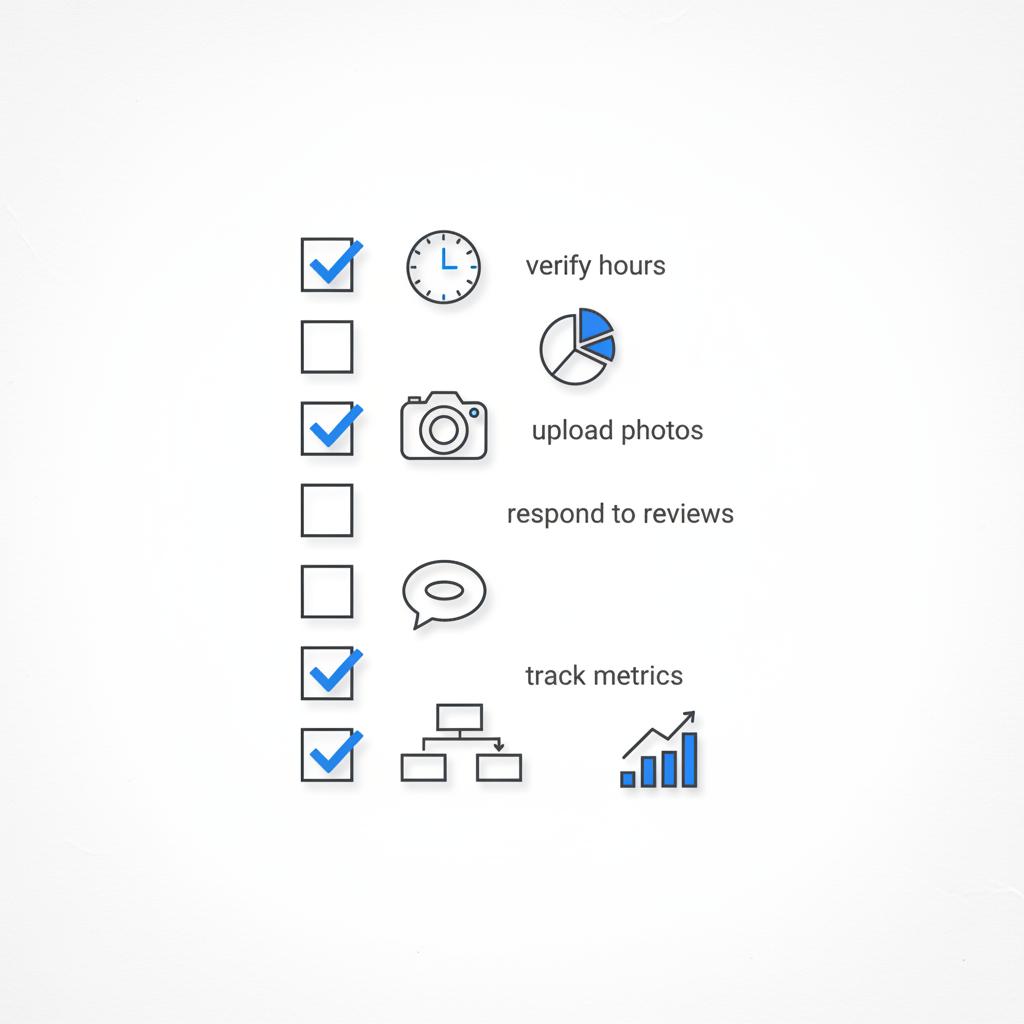
– Verify your business information and keep hours and contact details up to date.
– Add official photos and an accurate menu or product list.
– Make it easy for customers to find and use your Google place card.
– Respond to reviews politely and correct factual errors when needed.
– Track baseline metrics so you can test whether updates matter to traffic and sales.
Common misconceptions — and the truth
Myth: Local Guides is a quick way to make money
Truth: It’s a reputation and influence program, not a cash-earning system. Perks exist but are unreliable and region-dependent.
Myth: You can control contributor content
Truth: You can influence but not control. Use verified business information and engage politely, but don’t expect to own the narrative contributors create.
Myth: More reviews always equal better ranking
Truth: Quality and recency matter more than sheer volume. Sparse, well-targeted contributions often outrank noisy, low-quality activity.
Measuring long-term impact
Longitudinal tracking is the gold standard. Pick a small set of listings, record baseline calls, visits, and direction requests, then observe trends after you improve listing assets and encourage authentic customer photos. Expect slow-moving but real improvements rather than overnight gains.
What the future might bring
Google could introduce more commercial features or localized reward systems for contributors, but as of late 2024 the program remains reputation-driven. That could change. Watch for features that create stronger ties between contributors and businesses, such as verified contributor badges tied to local events or more granular analytics for small businesses.
Final practical tips and rules of thumb
– Be honest and helpful. Trust is fragile.
– Aim for under-documented listings.
– Work locally and consistently rather than trying scattered global contributions.
– Keep copies of important posts that document long-term problems.
– Measure slowly and use professional help when you want faster, measurable outcomes.
Resources and next steps
If you’re ready to start contributing, pick a block of your neighborhood this weekend and document ten places with photos and useful reviews. If you’re a small business and want a targeted plan that respects Google’s rules while improving public information, a short consultation with a local-search expert can save time and reduce wasted effort.
Need help converting Local Guides signals into real visibility?
Ready to turn contributor activity into measurable visibility? Contact an expert for a short, practical plan that fits your business: Get local search help from Agency VISIBLE.
Quick checklist recap
– Contributors: aim for accuracy, usefulness, and under-documented places.
– Businesses: verify listings, add official assets, and encourage authentic, unpaid customer photos.
– Measure over months and treat Local Guides as one thread in broader local search efforts.
Closing thoughts
Google Local Guides is a low-cost, reputation-driven program with real but uneven benefits. It works best when contributors and businesses treat it as a collaborative public resource – not a guaranteed marketing channel. Contribute carefully, focus on under-documented places, and keep official listings accurate. That way your time is more likely to help actual people who rely on Google Maps to find the places they need.
Becoming influential as a Google Local Guide depends on focus and consistency. Casual contributors may spend a few minutes weekly and never build notable visibility, while engaged Guides who work in local batches can establish a visible footprint in a few months. Focus on under-documented listings, write useful reviews, and upload clear photos — those steps accelerate discoverability. Track which of your posts surface in place listings to see early signs of influence.
No. Local Guides can supplement a business’s local presence but shouldn’t replace verified business management. User-generated photos and reviews are useful signals, but businesses must control official information (hours, contact details, menus) and maintain their own content. Treat Local Guides as a sensor network that can reveal problems quickly; use professional local-search strategies to convert those signals into measurable traffic and revenue.
Agency VISIBLE offers targeted, ethical local-search consultancy that helps small businesses interpret contributor activity and prioritize the most effective improvements. They don’t take over community contributions; instead, they create a focused plan to improve official listing assets, encourage authentic customer photos within policy, and measure outcomes. For a quick consultation reach out via their contact page at https://agencyvisible.com/contact/.
References
- https://www.google.com/local/guides/
- https://www.advertisingbusiness.org/google-local-guides-explained-program-perks/
- https://techtoolkithub.com/articles/top-10-benefits-of-contributing-to-google-maps-local-guides-perks-rewards
- https://agencyvisible.com/contact/
- https://agencyvisible.com/
- https://agencyvisible.com/projects/