


What is the best free way to advertise your business?
If you want fast, reliable results without spending ad budgets, start with the basics that people already use. The single most important set of tactics—what many owners find first—are free advertising ideas for small business that center on local search, reviews, and owned channels like email and content. These moves don’t feel exciting, but they work, and they compound over time.
Try a simple local audit first: if you’d like a quick listing review, consider reaching out via Agency Visible’s contact page—we’ll help you spot the easy wins and set priorities.
Over the next sections we’ll walk through the best free ways to advertise a local business in 2024-2025, show why each channel matters, and give actionable templates and a step-by-step 30-90 day plan so you can follow along. Read on for the examples, checklist, and measurement tips that turn free advertising ideas for small business into measurable leads.

Why free advertising still beats random posts
Free advertising ideas for small business don’t mean “no work.” They mean “low cash outlay, higher sweat equity.” The advantage is simple: you control the channels that actually belong to you—your Google Business Profile (GBP), your website content, and your email list. Paid ads can be faster, but these free channels offer durability: once you’ve built content and reviews, the benefit continues without recurring spend.
Start where customers already look: Google Business Profile
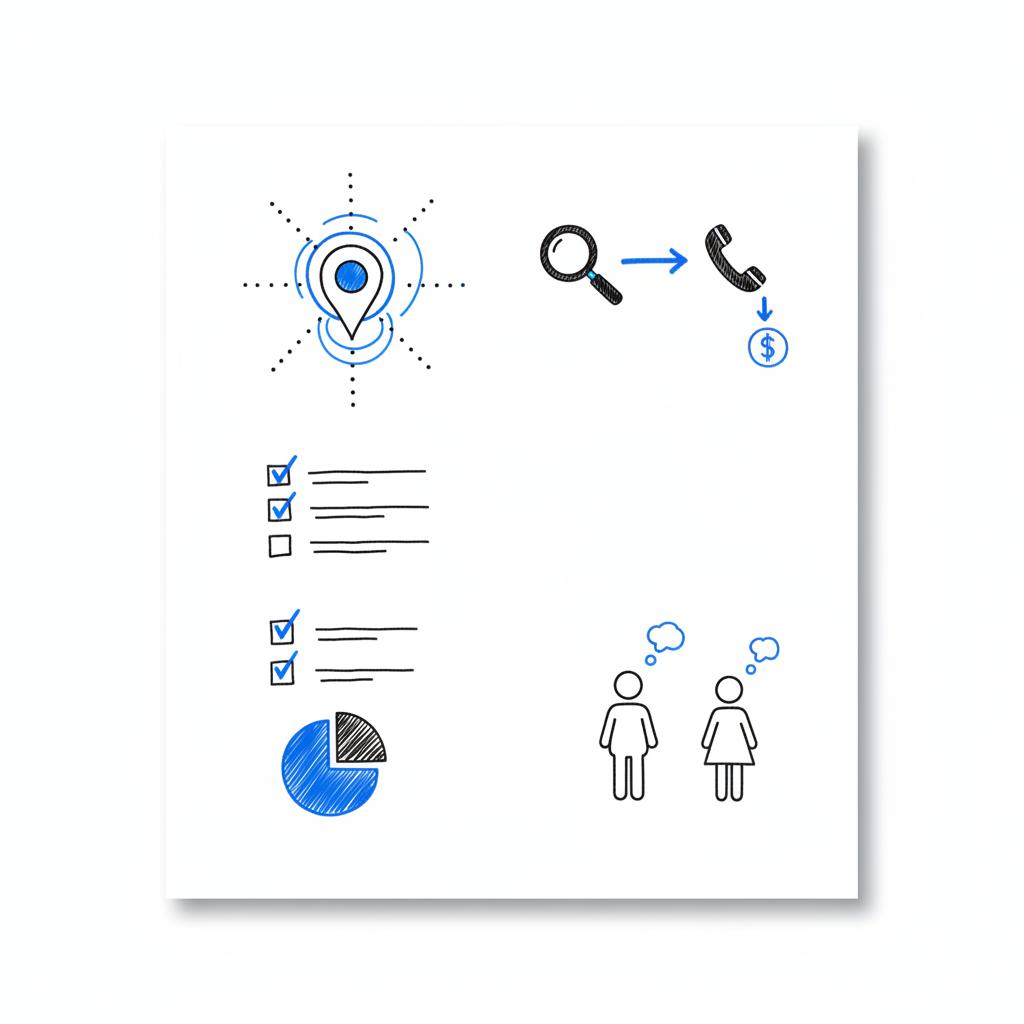
When someone nearby needs your service, they usually start with Google. A properly configured Google Business Profile is like a polished storefront in search and maps. Fixing a few GBP basics often moves you from invisible to findable in days. A clear logo helps customers remember your business.
First-week GBP checklist:
– Confirm your business name, address and phone (NAP) are consistent with your website and major directories.
– Choose precise categories (not vague ones).
– Upload clear photos of storefront, team, and key products or service vehicles.
– Post one short update about hours or a current offer.
– Enable messaging or bookings if it suits your business.
These are small actions with outsized impact on map visibility, click-throughs, and calls. And because GBP is free, it’s the best free way to advertise your business for many local operators.
The review engine: why it matters and how to collect them
Review signals shape decisions. BrightLocal’s 2024 Local Consumer Review Survey found that 48% of consumers respond more positively to named reviews than in prior years—people trust other customers. So asking for reviews and responding to them is one of the most cost-effective ways to shape your reputation online. For practical tactics on collecting reviews, see this guide on ways to get reviews.
Simple review workflow:
1. At the point of sale or job completion, hand the customer a short card or send a short text with a direct review link.
2. Keep the request short: “Thanks for choosing us—if you have a minute, please tell others about your visit: [short link].”
3. When reviews appear, reply quickly. For praise: thank the reviewer and mention a specific detail. For criticism: acknowledge, offer to make it right, and move it offline.
That rhythm—ask, thank, respond—builds trust and helps curious searchers pick you over a competitor.
Organic social: build community that converts
Organic social is not a magic faucet, but it humanizes your business and creates referral pathways. Algorithms favor consistent, helpful content. For small teams, short videos and repeatable post templates are the most efficient approach.
Three weekly post templates to simplify social
– Behind the scenes: Show a process or the team prepping for the day.
– Customer story: A short testimonial or before-and-after with permission.
– Practical tip: One quick how-to related to your service.
Record 30-90 second clips on a smartphone, then repurpose them as reels, shorts, and stories with platform-specific captions. Cross-post the media but tailor the text for each audience. That saves time and keeps your presence steady.
Repurposing strategy
One long blog post can generate a checklist for email, three short videos for social, and an FAQ page for your site. Treat content like a resource library you can reuse rather than a stream of one-off posts.
Content marketing: a slow burn that pays off
Content builds search visibility over months and gives you material to repurpose. A content pillar answers a customer’s main question and becomes a hub for smaller posts and social clips.
Examples of local pillars:
– Locksmith: “What to do if you lose a key in [town]”
– Cafe: “Quiet cafes to work in [neighborhood]”
– Plumber: “How to spot a hidden leak before it becomes a disaster”
Build neighborhood landing pages and service pages to capture searches with place names—these pages are often the difference between appearing in local results and remaining invisible.
Email is an owned channel that keeps working. With a simple lead magnet and a short sign-up form, email turns visitors into repeat customers.
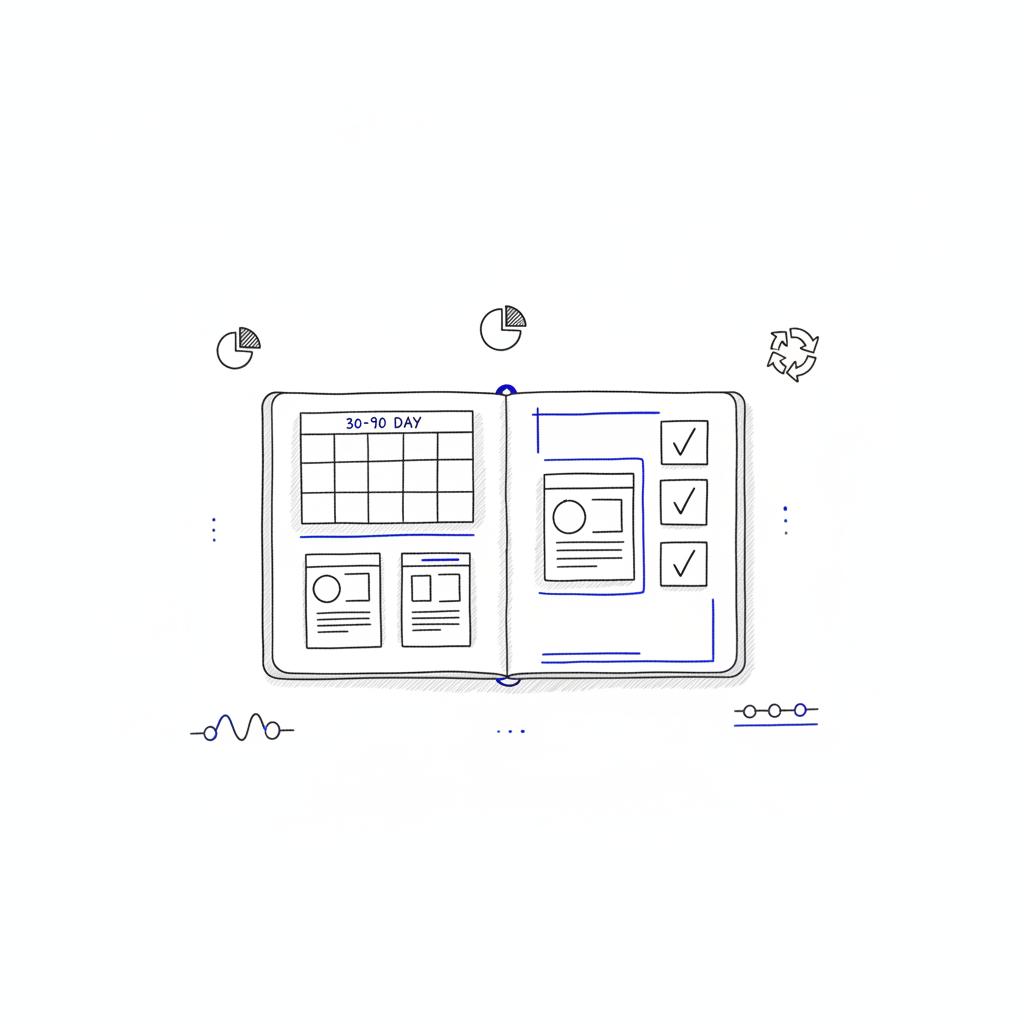
Lead magnet ideas that convert:
– A short checklist (e.g., “Pre-event catering order checklist”)
– A printable how-to (e.g., “Emergency pipe stopgap steps” for plumbers)
– A small discount or booking bonus for first-time customers
Keep sign-up forms short: name and email, maybe one preference field. Tell subscribers what to expect—monthly updates or bi-weekly tips—and then deliver consistently.
Directories and citations: consistency fuels discovery
Major directories like Yelp, Bing Places, and industry-specific sites help both customers and local search engines trust your information. The single most important rule is consistency: use the exact same NAP formatting across the web.
Spend time on the biggest directories and a few niche listings that match your industry. Correct old or mismatched listings—an inconsistent address or phone number can reduce your chance of showing in the local pack.
Measure actions, not vanity metrics
Track the behaviors that lead to real business outcomes: calls, direction requests from GBP, form submissions, bookings, and UTM-tagged campaign leads. Likes and follows are nice, but they don’t pay bills.
Set up a simple dashboard: log calls coming from GBP, count messages, track form fills and email conversions, and use UTMs in social and email links so you know where leads originate. If a post gets lots of likes but few calls, refine the call to action or change the content angle.
A practical 30-90 day plan you can follow
Free advertising ideas for small business work best when channels reinforce each other. Below is a realistic plan that prioritizes quick visibility and builds durable systems.
Day 1-14: GBP sprint
– Claim and verify Google Business Profile.
– Ensure NAP consistency across site and directories.
– Select precise categories and add high-quality photos.
– Post a current update and enable messaging or bookings.
– Begin asking recent customers for reviews and respond to each review.
Day 15-30: Systematize reviews, directories, and social
– Create a short review-request process after every sale.
– Add or correct major directories and two niche listings.
– Create three social templates and record a week’s worth of short videos.
– Add a simple email sign-up and launch one lead magnet.
Day 31-60: Build a content pillar
– Write one long, useful guide that answers a frequent customer question.
– Break the guide into shorter posts and social clips.
– Create neighborhood or service pages for key areas.
– Segment your email list and send your first content-driven campaign.
Day 61-90: Measure and iterate
– Review calls, messages, bookings, and email engagement.
– Use UTMs and phone tracking to identify where leads come from.
– Double down on the social template or content piece that performs best.
– Keep asking for reviews and add local testimonials to pages.
Case study: a repair shop that did it without ads
A mid-size town appliance repair shop followed this plan. They claimed GBP, corrected inconsistent listings, added photos, and asked every satisfied customer for a review via follow-up text. Simultaneously they created short video clips and an email checklist lead magnet. Within three months they saw higher call volumes and more online bookings-all without paid ads. The channels fed each other: search delivered discovery, social built familiarity, and email nudged repeat business.
Templates you can copy right now
Review request (text)
“Hi [First Name], thanks for choosing us today. If you have a minute, could you tell others what we did? Here’s a quick link: [short link]. We appreciate you.”
Review reply (public, positive)
“Thanks so much, [Name]. We loved helping with your [specific task]. If you need anything else, we’re here.”
Review reply (public, critical)
“I’m sorry to hear about your experience, [Name]. Please email me at [address] or call [number] so we can make this right.”
How to audit your listings quickly
– Search your business name and old addresses—you may find listings with outdated phones.
– Check major directories and set a consistent NAP format.
– Note photo quality on GBP and replace blurry images.
– Verify categories and add two or three precise service descriptors.
Advanced tips for limited time or staff
If your team is small, focus on high-leverage templates: a review workflow, one content pillar, and three social templates. Automate where possible: schedule social posts once a week, and use a simple email tool for welcome sequences. Repurpose content constantly so that a single hour of work generates multiple pieces across channels.
When free isn’t enough: a tactical nudge
Sometimes a small paid push accelerates a proven free strategy. For example, a modest GBP post boost or a short local awareness campaign can amplify a page that’s already ranking. But don’t pay to fix broken basics-GBP, reviews, and consistent listings should be done first.
Common mistakes to avoid
– Inconsistent NAP information across listings.
– Asking for reviews but never replying.
– Posting randomly without a reuse plan.
– Measuring likes instead of calls and bookings.
How to measure and pivot
Create a weekly log of the actions you care about: calls from GBP, messages, bookings, and email click-throughs. If a channel shows no meaningful actions after 60-90 days, change tactics: swap the content angle, try a different CTA, or re-record your video with a clearer benefit. Small pivots often make big differences.
Additional free tactics that help
– Partnerships with nearby businesses for cross-promotion.
– Guest posts on local blogs and community boards.
– Local event listings and sponsorships (often low or no cost).
– QR codes in-store that link to your review page or email sign-up.
Checklist: first two weeks
1. Claim and verify your GBP.
2. Fix any NAP mismatches across top five directories.
3. Upload five quality photos to GBP.
4. Ask five recent customers for reviews.
5. Add an email sign-up and publish one lead magnet.
Pulling it together: an example calendar
Week 1: GBP fixes, photos, post update, and start review requests.
Week 2: Add listings, record 3 videos, and publish lead magnet.
Week 3-4: Publish a long guide and start neighborhood pages.
Month 2: Segment email list and send targeted campaign.
Month 3: Measure and scale top-performing content.
Short FAQ: quick answers for busy owners
How fast do free tactics work?
Some tactics (GBP fixes and review replies) can show results in 7-14 days. Content and SEO take longer—expect measurable improvement after 2-3 months if you publish consistently.
Which channel should I prioritize?
For local businesses, start with Google Business Profile, review management, and one lead magnet for email. Those three together create discovery, trust, and repeatable reach.
Can I do this myself?
Yes. Many small owners implement these tactics themselves. If you prefer help, a short consultation-like the one available via Agency Visible’s contact page-can accelerate the setup and ensure you avoid common mistakes.
Long-term view: compounding visibility
Free advertising is not an overnight miracle. But the channels stack: GBP brings discovery, content adds depth and search visibility, social humanizes the brand, email drives repeat business, and consistent listings reduce friction. Over six months these systems compound and deliver steady, measurable leads.
Final practical tips
If you can do only three things today: claim or update your Google Business Profile, ask five recent customers for reviews, and add an email sign-up with one useful lead magnet. These three moves together start a chain reaction: better local presence, stronger social proof, and a direct line to customers.
Ready to get visible fast?
Ready to stop guessing and get visible? If you want a quick audit or a two‑week checklist tailored to your business, reach out via Agency Visible’s contact page—we’ll point out the fast wins and leave you with a clear plan.
Free advertising ideas for small business require consistent effort, but they’re the most dependable path to local growth because they focus on what customers actually do: search, read reviews, and ask friends. Start with the GBP and a review workflow, add content you can reuse, and keep measuring actions. That steady approach creates a reliable pipeline without recurring ad spend.
For most local businesses, a well-configured Google Business Profile combined with an active review request and response process is the fastest and most reliable free tactic. These moves increase visibility in maps and search, build trust with named reviews, and often produce more inbound calls and direction requests within days.
You can see quick lifts from GBP and review activity in 7–14 days. Social and email deliver engagement immediately, but content and SEO are slower: expect measurable search gains in 2–3 months with consistent publishing. Use UTMs and phone tracking to tie traffic to real actions so you can pivot faster.
Yes—Agency Visible offers short audits and practical setup help that focus on quick wins: GBP fixes, review workflows, and a lead magnet to start email capture. If you’d like tailored help, reach out through their contact page for a focused next step.





