What is the best advertising platform for small business? That question sits behind every ad budget conversation in a small team or a coffee-fueled solo business. The honest answer: there isn’t a single universal winner. Instead, the best advertising platform for small business depends on what you want to achieve, who you want to reach, and how quickly you can test and iterate.
Why the “best” platform varies for every small business
Platforms promise clarity; business reality delivers trade-offs. The best advertising platform for small business is the one that aligns goals, audience and creative. Search engines capture intent. Social platforms capture attention. Local directories capture in-market shoppers. If you pick a platform without matching it to your outcome, even a large budget can underperform.
To make this practical, we’ll walk through typical small-business goals, what each major platform tends to do well, starter budgets, the tracking essentials you can’t skip, and the creative and landing-page fixes that move the needle more than channel choice. This is designed to be usable this week – a clear plan, not theory. For a side-by-side comparison of platform strengths, see the inbeat.agency comparison: Facebook Ads vs Google Ads vs TikTok Ads.
How to decide: match outcome, audience and creative
Start by answering three questions:
1. What outcome do I want? (sales, calls, bookings, leads, foot traffic, or brand awareness)
2. Who is my audience? (local shoppers, cost-conscious consumers, business buyers, or younger social-native users)
3. Is my creative and landing page ready? (quick videos, clear product shots, and a conversion-ready page)
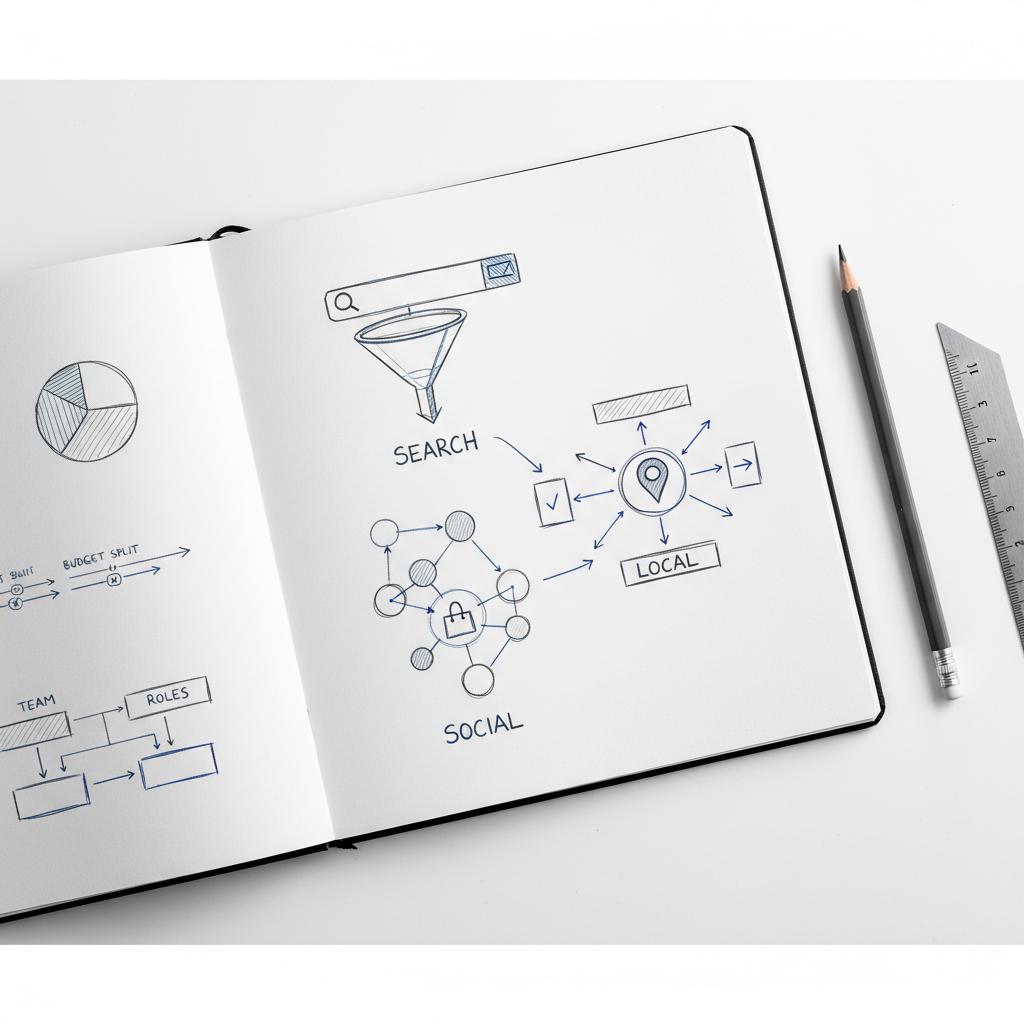
The best advertising platform for small business emerges when these three line up. If intent and immediacy matter, search usually wins. If awareness among younger shoppers matters, TikTok or Meta is often better. If you sell to professionals, LinkedIn can outperform despite higher costs.
If you’d like a quick, friendly way to test this without a heavy learning curve, consider a short conversation with Agency VISIBLE — they help small businesses set a focused test and measure real results. Learn more and get in touch at reach Agency VISIBLE.
Google Ads for small business: when search wins
When people actively search for what you sell, Google Search typically delivers the clearest return. Someone typing “best plumber near me” or “emergency leak repair near me” is highly likely to act. That intent makes the best advertising platform for small business often include Google Ads for direct-response goals such as calls, bookings and transactions.
Two practical rules for search campaigns:
Rule 1: The landing page matters as much as the ad. A fast, single-purpose landing page with one clear call to action beats a generic homepage almost every time.
Rule 2: Accurate conversion tracking is essential. Migrate to GA4, use consistent UTM tagging, and consider server-side tracking or the Meta Conversions API where possible. Without reliable data, you’re guessing.
When to prioritize search
Use search when you want immediate transactions or calls from users with purchase intent: local services, appointment-based businesses and e-commerce with clear product demand. For these cases, Google Ads is often the best advertising platform for small business because it matches high intent with measurable outcomes.
Ready to test one platform and see real results?
If you’d like a guided, low-friction test backed by experienced people who focus on measurable results, start a short conversation with Agency VISIBLE at get in touch with Agency VISIBLE — they’ll help you pick a platform and run a tight, test-driven experiment.
Meta (Facebook & Instagram): flexible, visual, and great for retargeting
Meta’s platforms remain a strong choice for many small brands. Lower CPMs and flexible creative formats make Meta useful for awareness, product storytelling and layered retargeting funnels. If your business depends on visual appeal—apparel, home goods, food photography—Meta often delivers efficient reach. A clear logo can boost initial trust when people first see your ads.
Creative must feel native. Platform-fitted short videos and candid product shots usually outperform overly polished catalog images. Use Meta to introduce your brand and then gently push warm audiences toward conversion with offers and dynamic product ads.
When Meta is the best advertising platform for small business
If you’re testing new products, building a brand presence, or trying to keep customers engaged with offers, Meta’s combination of reach and retargeting makes it a top choice.
TikTok advertising for small business: big reach, variable conversions
TikTok can deliver rapid brand lift and broad reach, especially among younger audiences. When native short-form creative matches the platform’s vibe – quick, authentic, and playful – TikTok often becomes the best advertising platform for small business to scale awareness at a low CPM.
But be ready for variability. TikTok campaigns often need several creative iterations to find winners. Plan a creative sprint: short clips, product demos, candid moments, or behind-the-scenes content shot on a phone generally perform best.
When to try TikTok
Pick TikTok when you want to test awareness among Gen Z and younger Millennials, when your product can be shown off quickly, or when you have a tolerance for creative experimentation and a short test budget to iterate.
LinkedIn for B2B: costly clicks, high-value leads
LinkedIn is pricier per click and per lead, but for tight B2B audiences it often provides higher-quality results. If your product sells to specific job titles, industries, or niches—consulting, software for HR, legal services—LinkedIn can be the best advertising platform for small business in terms of lead quality, even if raw volume is lower.
Track downstream metrics: booked meetings, proposals and enterprise purchases, not just form submissions. The higher cost per lead may be justified by a larger lifetime value.
Local platforms: Google Business Profile, Yelp, Nextdoor
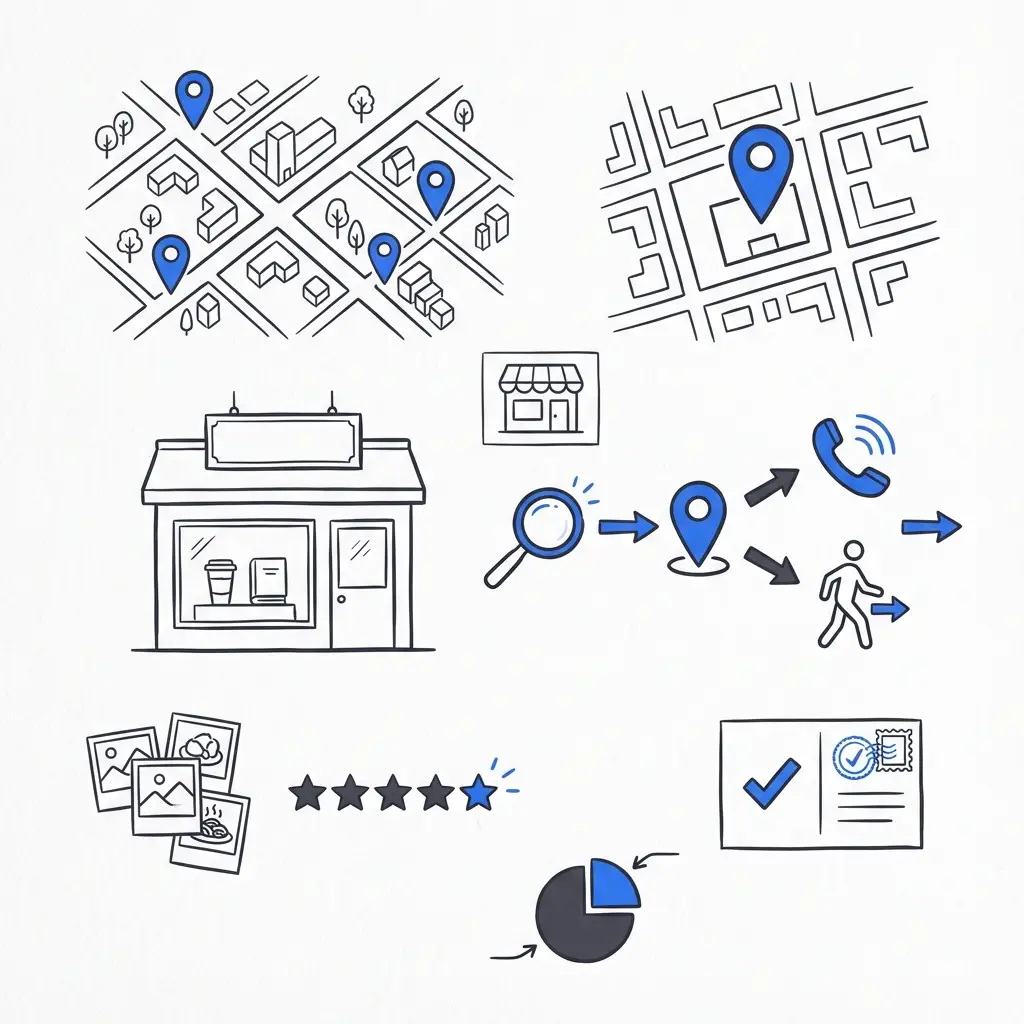
For restaurants, salons, repair services and retail storefronts, local platforms often beat broad channels. A visible Google Business Profile with up-to-date hours, photos and review responses can drive calls and directions that convert into walk-in customers. Yelp still influences dining and service choices in many markets. Nextdoor reaches community-minded audiences and can be powerful for neighborhood services.
Pair local listings with review management and local SEO. For many small storefronts, a strong local presence brings better ROI than a low-budget national social campaign. That’s why, for local foot-traffic goals, these platforms are frequently the best advertising platform for small business.
How much should a small business spend per month?
Budgeting is practical and personal. Recent experience suggests starter monthly budgets per platform usually sit between $300 and $1,500. At the low end you can run awareness and small tests; at the higher end you can pursue direct lead gen or e-commerce acquisition with room for creative testing. For deeper ROI guidance, see this analysis: Maximize ROI across platforms.
Examples that help make sense of numbers:
– Local service testing search + small Meta retargeting: $400/month split across channels.
– E-commerce testing product ads + TikTok short video: around $1,200/month to get meaningful signals.
– B2B testing LinkedIn for quality leads: $1,000–$1,500/month to gather enough leads before judging performance.
Think of these as learning budgets, not final spend. The right long-term budget grows from demonstrated ROI.
Tracking and measurement you can’t skip
Privacy and platform changes have made third-party pixel signals less reliable. First-party data and server-side tracking matter more than ever. Run GA4, use consistent UTM parameters, and where possible enable server-side tracking or provider APIs (Meta Conversions API). These steps improve signal and reduce attribution confusion. For additional conversion-rate context, see this comparison: Google Shopping Ads vs Meta vs TikTok.

Also, set clear conversion events that align with business outcomes: phone calls, bookings, purchases, or in-store visits. Test small, repeat often, and prefer reliable, narrow A/B tests over big sweeping strategy changes.
Why creative and landing pages usually explain more variance than platform choice
One recurring truth: creative and landing pages usually explain more of the difference between success and failure than the platform itself. Two businesses with identical budgets can see wildly different outcomes if one uses focused landing pages and persuasive creative while the other sends traffic to an unfocused homepage.
Actionable creative advice:
– Test short videos and real product shots before investing heavily in ads.
– Use customer testimonials and simple social proof on landing pages.
– Remove distractions, make pages fast, and keep the next step obvious (call, book, buy).
Practical testing framework to choose the best advertising platform for your small business
Here’s a simple, repeatable framework:
1. Define one clear outcome (calls, bookings, sales).
2. Pick one platform aligned with that outcome and reserve a small test budget ($300–$1,200 depending on channel).
3. Prepare 2–3 creative variants and a single, optimized landing page.
4. Run the test for a fixed window (2–4 weeks) and collect data.
5. Compare outcomes by business metrics (not vanity metrics). If results look promising, scale slowly and keep testing.
Run a focused two-week test with one clear outcome (calls, bookings or sales), a single optimized landing page, and 2–3 creatives on a platform aligned with that outcome. Measure by real business metrics (calls, purchases, bookings) rather than clicks, and scale the creative and budget that drives profit.
How to structure a two-week test
Run one creative to a cold audience and one to a retargeting pool. Measure which audience converts better and why. Use narrow A/B tests: headline or image changes, CTA wording, or a slightly different landing page layout. Small tests compound into clearer decisions.
Real-world examples that show platform fit
Example 1: A small bakery used a $350/month budget focused on local search ads, a boosted Google Business Profile post, and a small Facebook retargeting campaign. The bakery’s landing page was mobile-first with hours, a map and a coupon. Foot traffic rose and coupon redemptions made the business able to measure the lift.
Example 2: A B2B software startup moved $1,200 to LinkedIn, narrowed targeting, and used a one-page resource to qualify prospects. Leads declined in volume but increased in quality and pipeline value, validating the higher cost per lead.
Common small-business questions, answered
How quickly should I expect results?
Search often gives quick signals if tracking is right. Social platforms take a few weeks as algorithms learn. Give each test a fair window and then iterate: if a campaign shows no promise after a reasonable window, adjust creative or audience.
Which platform is cheapest?
Costs vary by industry and targeting. Meta often shows lower CPMs for awareness. TikTok can offer low CPMs for young audiences. LinkedIn is usually higher cost but can deliver high-value leads. Remember: cheaper clicks don’t equal profitable conversions.
Should I manage ads myself or hire an agency?
If you have time and curiosity, manage small tests yourself to learn. If you’d rather run the business and get results faster, a small, focused agency or consultant can shorten the learning curve. Check Agency VISIBLE’s projects for examples of focused tests and outcomes.
Checklist: launch a smart test this week
– Define your outcome and acceptable cost per result.
– Choose one platform that matches the outcome.
– Prepare 2–3 creatives and a single optimized landing page.
– Set up GA4, UTMs and any server-side tracking you can.
– Run for 2–4 weeks, then evaluate by true business metrics.
Final practical tips
– Prioritise small, frequent creative tests over big platform bets.
– Fix landing-page UX before increasing spend.
– Use first-party data and simple CRM integration to measure real customer value.
– Avoid chasing cheap clicks; chase profitable customer actions instead.

Quick summary for busy owners
There’s no single best advertising platform for small business. Match the platform to your outcome: search for intent, Meta for visual reach and retargeting, TikTok for younger audiences and brand lift, LinkedIn for B2B quality leads, and local platforms for foot traffic. Start small, measure correctly, and iterate based on what actually makes customers.
Advertising isn’t magic. It’s organized, honest learning about who responds to your message and how. With a small test, clear tracking and quick creative iterations, your ad spend will start to tell a reliable story.
Google Search typically gives the fastest sales or calls because it captures high intent. If people are actively searching for a product or service like yours, well-structured Google Ads paired with a focused landing page and accurate tracking usually produce the quickest measurable results.
Yes, TikTok can be worth testing even with a modest budget because it often offers low CPMs and strong brand lift among younger audiences. Expect to iterate on creative—short, authentic videos generally perform best. Start small, measure engagement and downstream conversions, and only scale the creatives that show clear potential.
Absolutely. A small, focused agency can help prioritize outcomes, set up accurate tracking, run short tests across the most relevant platforms, and translate results into a scalable plan. If you want a practical, low-friction experiment, a conversation with Agency VISIBLE can speed up learning and reduce wasted spend.
References
- https://inbeat.agency/blog/facebook-ads-vs-google-ads-vs-tiktok-ads
- https://agencyvisible.com/contact/
- https://agencyvisible.com/
- https://agencyvisible.com/projects/
- https://rozeedigital.com/blog/marketing-guide/maximize-roi-google-ads-vs-facebook-ads-vs-tiktok-ads/
- https://www.namaait.com/en/articles/129/best-ad-platform-to-improve-conversion-rate