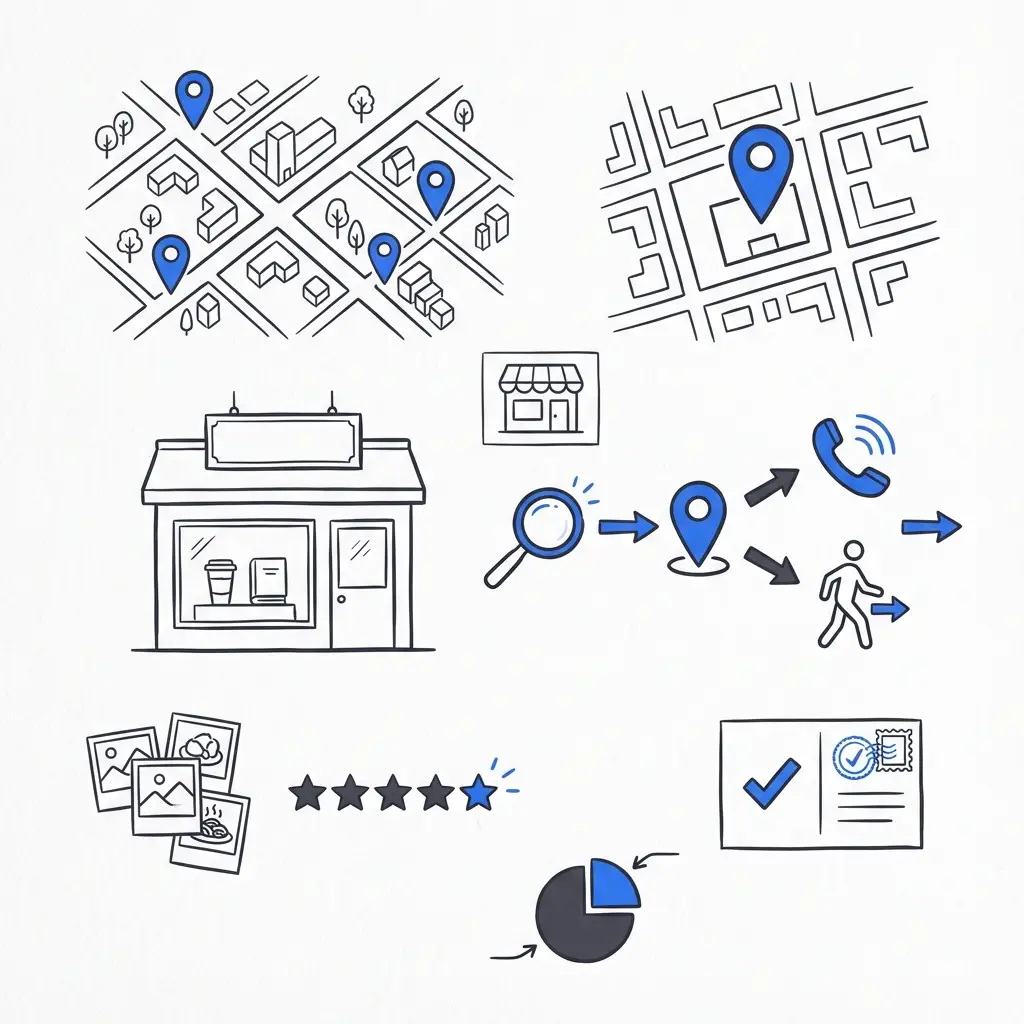
In 2025 the question of where to spend the smallest ad dollar still has no single universal answer. Costs move with intent, audience, creative quality and the goals you set. If you want signups tomorrow, your choices look very different than if you want long-term brand awareness. The right play is not chasing the lowest price tag on a single placement – it’s designing tests that reveal the cheapest place to run ads for your business.
How to find the cheapest place to run ads for your goals
Cost per click and cost per impression tell one part of the story. The other part is the value of the action you pay for. Search clicks usually cost more but carry purchase intent; display impressions can be cheap but rarely buy customers by themselves. You must balance those trade-offs with a clear target cost per acquisition (CPA) tied to how much a new customer is worth.
Start by asking simple, honest questions: What outcome matters most this month? How much is a customer worth? How quickly do I need results? Once you answer those, building a lightweight test plan becomes straightforward.
As a practical shortcut, a short review with a partner can help you set the first hypothesis and tracking. If you’d like a quick campaign review or a second opinion on attribution windows, Agency Visible offers compact, practical help to get tests running and hand you a repeatable playbook.
Before we jump into channels and numbers, here’s a rule of thumb: always compare channels by the cost of the meaningful outcome you care about – booked calls, paid orders, qualified leads – rather than only CPM or CPC.

Intent matters more than price
Think about the intent behind the click or impression. Someone searching product terms is closer to buying than someone scrolling through a feed. That’s why search CPCs can be higher yet still produce lower CPA – those clicks convert at much higher rates. Meanwhile, display or broad social placements often show the lowest CPMs and can be excellent for awareness or early-funnel reach.
Use a simple mapping: match high-intent outcomes (sales, bookings) to search and remarketing; map discovery and brand reach to social and programmatic display. Then test combinations that cover the customer journey: low-cost discovery + mid-cost retargeting + high-intent search.
Run a two-week side-by-side: a narrow search campaign targeting product and local intent terms and a social interest campaign using the same creative. Keep landing pages and conversion tracking identical, use the same attribution window and compare CPA. That direct comparison shows which channel yields the lowest cost per meaningful action for your offer.
One compact experiment is to run a narrow branded and product search line for two weeks with a small daily budget and, at the same time, run a social interest-based campaign for the same period with the same creative theme. Keep landing pages and conversion tracking identical and measure CPA over a consistent attribution window. You’ll quickly see which channel gives lower cost for the action you value.
Digital channels: where costs hide and where value hides
Let’s break the typical digital channels down by the type of value they usually deliver and what the price signals mean:
Search (Google, Microsoft, others) — Higher CPCs in competitive verticals, but stronger intent. Best when you need immediate, measurable actions (calls, purchases). If your conversion path is tight, a higher search CPC can still be the cheapest path to a customer.
Social (Meta, TikTok, X, Pinterest) — Wide range. Some placements cost pennies per click for broad interest groups; other placements climb when you target narrow audiences or use premium inventory. Social excels at discovery and audience building, and it becomes more efficient when paired with retargeting.
Programmatic display — Often low CPMs for wide reach. Great for awareness and inexpensive frequency. Alone it rarely produces many conversions, so it’s most cost-effective when coupled with retargeting and a solid nurture plan. For broader reading on ad networks and cheap platforms see 21 Best Cheapest Advertising Platforms in 2025, 20 Best cheapest ad platforms in 2025 and 15 Best Ad Networks for Publishers in 2025.
Remarketing / Retargeting — Usually a mid-tier cost per click or per thousand impressions, but it converts at a much higher rate because you’re re-engaging visitors who already showed interest. Retargeting is one of the fastest levers to lower CPA when you have even a small volume of traffic.
Local offline channels — For geographically tight businesses, low-tech options such as local newspaper inserts, neighborhood radio or door-drop flyers can be the cheapest in terms of CPA for a small area. These channels often score better when you measure calls or booked appointments rather than impressions.
Practical testing plan: a step-by-step playbook
Testing doesn’t have to be complicated. Use a controlled, repeatable approach:
1. Define the outcome and target CPA. Know the value of a new customer or sale. If you don’t, create a conservative estimate for the test.
2. Pick two to three channels that logically fit your goal. For many small businesses a smart trio is: narrow search keywords, a specific social interest campaign, and a small retargeting line.
3. Keep creative consistent. Use the same ad message, images, and landing page theme across channels so differences come from channel performance, not creative variance.
4. Run each test long enough to collect signal. Small budgets need time. Aim for a few dozen conversions per experiment or a time window that your budget supports to reduce noise.
5. Use consistent attribution and conversion definitions. Pick an attribution window and stick to it across channels to make apples-to-apples comparisons.
6. Change one variable at a time when optimizing. If you swap targeting, creative and landing pages all at once you won’t know which change moved the needle.
Sample budget allocations
Two short scenarios show how small businesses can get started with real budgets.
$500/month example: $200 to narrow local search keywords and Google Business Profile improvements, $200 to a nearby-interest social campaign, $100 to display retargeting. Goal: gather first 20–40 conversions and a clear CPA signal.
$2,000/month example: $800 for search keywords (including some higher-intent phrases), $700 for social storytelling (awareness + video), $400 for focused retargeting and $100 for minor programmatic testing or creative variants. Goal: build funnel layers and see which placements scale.
These numbers aren’t sacred. They illustrate matching budget to objectives and layering channels so you both find and scale what works. For examples of agency work and case studies see our projects.
When local channels beat digital
Local businesses often get the best ROI by combining offline and online tactics. For a barber, café or home services company, a small local radio spot or flyer can produce direct calls at a very low cost per booked job. The trick is to pair the physical touch with simple digital follow-up: a unique landing page, a QR code that captures emails, or a local-only coupon that you can track.
Offline channels are especially useful when your customer base is geographically dense. They’re usually not scalable in the way digital is, but they can be the most efficient route to the customers you actually want.
Landing pages must load quickly and be free of distractions. Slow pages are silent money drains: users click away and you pay for nothing. Use simple forms, clear CTAs and test load speed as part of every experiment.
Three levers to lower CPA quickly
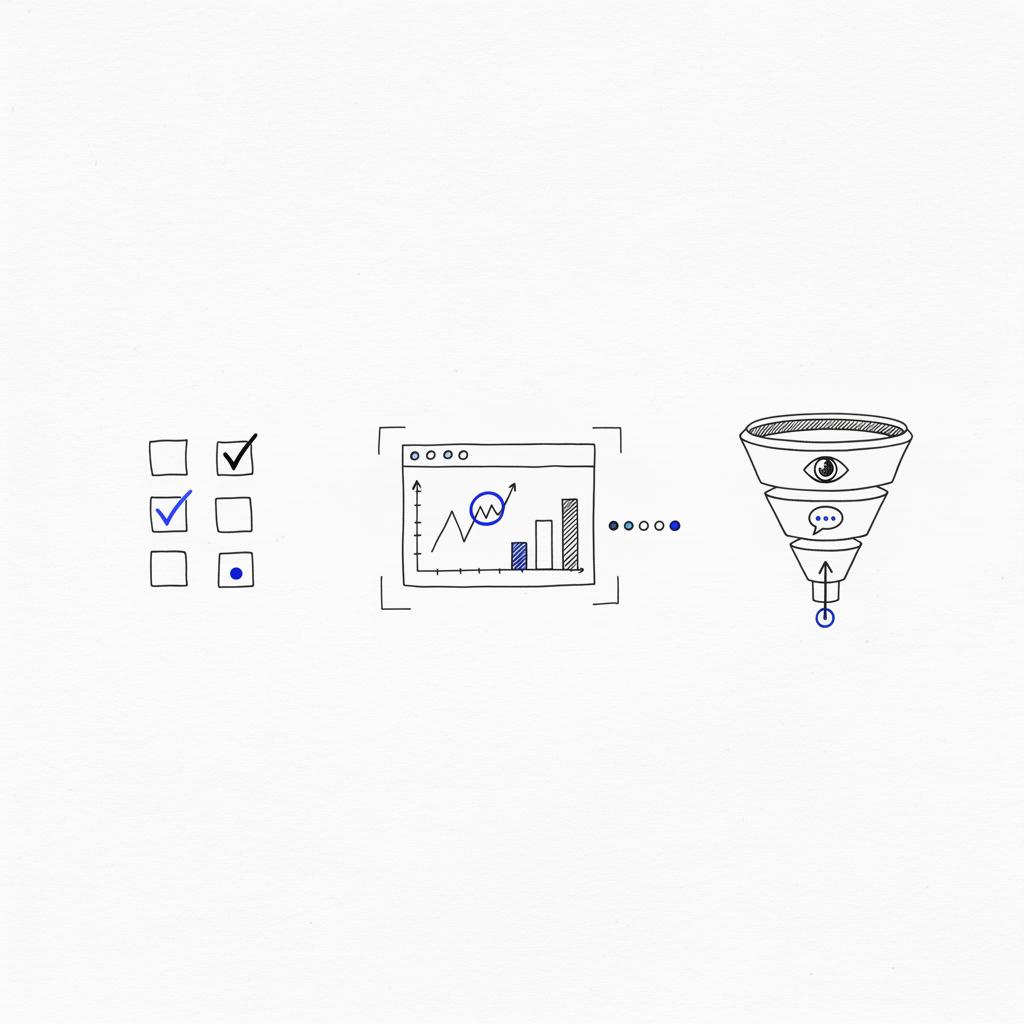
If you want measurable improvement, focus on these three levers:
Audience narrowing: eliminate people unlikely to convert. Smaller, well-targeted audiences reduce wasted impressions and clicks.
Creative testing: find the message and format that resonates. Often a single change in headline or image moves performance more than a big budget shift.
Retargeting: bring warm visitors back. This is one of the quickest ways to improve conversion rate and reduce average CPA.
Measurement choices and attribution
How you measure determines what looks cheapest. Last-click attribution often favors search; view-through or multi-touch attribution assigns value to display and social earlier in the journey. Set a consistent attribution window, understand its limits, and check longer windows or LTV to see the fuller picture.
Track beyond direct conversions: monitor time on site, assisted conversions and micro-conversions like email signups. These signals help you understand whether an ad is creating durable interest that later turns into action.
Common mistakes that raise costs
Many avoidable errors raise CPA unnecessarily. Here are the most common:
1. Too many simultaneous changes. Keep tests clean and change one variable at a time.
2. Killing channels too early. Low-cost channels sometimes need time to find traction—especially when budgets are small.
3. Ignoring creative fatigue. Refresh ads periodically or rotate creative to avoid audience burnout.
4. Not tracking offline results. If a customer mentions a flyer or radio ad, capture that info. Simple tagging or coupon codes can bridge offline-to-online measurement gaps.
Industry expectations and verticals
Some industries naturally cost more because competition is high. Insurance, finance, law and certain B2B SaaS keywords frequently show high search CPCs. Retail, entertainment or niche hobby categories often enjoy lower CPMs and CPCs. Use industry benchmarks as a guide, but let your first-party data be the final judge.
Partnerships and earned channels
Collaborations with complementary local businesses or working with micro-influencers can expand reach at low cost. Micro-influencers typically charge less and often deliver strong engagement when the audience is well matched. Local partnerships that trade promotion for a discount or co-hosted event are another low-cost way to find customers without big ad spends.
When to hire outside help
If you’re new to paid media, bringing in a short-term partner to set up measurement, run controlled experiments, and hand over a repeatable playbook can save months of costly trial-and-error. A good partner focuses on outcomes and will teach you how to continue testing after the engagement ends.
Practical checklist before you spend
Before launching any paid campaign, run through this short checklist:
– Have a clear objective and target CPA.
– Set up conversion tracking and test it with real actions.
– Pick two to three channels to test, not a dozen.
– Use consistent creative and landing pages across tests.
– Run tests long enough for a meaningful signal.
– Decide your attribution window in advance and measure consistently.
Real-world examples
One small online retailer selling handcrafted candles used a low-CPM programmatic campaign to drive reach, a social campaign targeting artisan goods followers, and a small branded search line. The display campaign filled the site with curious browsers at a very low CPM but converted poorly. The social campaign had a better click-to-conversion rate. The search line cost more per click but converted best. By combining small daily search spend with retargeting and social discovery, they found a balanced CPA that matched their margins.
Another local example: a plumbing business paired a neighborhood radio buy with a Google Business Profile upgrade and targeted search terms. They measured booked calls, not vanity metrics, and found more booked jobs per dollar than a statewide social push. The local mix was the real cheapest place to run ads for their goals.
Long game: organic and earned channels
Don’t discount organic work. SEO, Google Business Profile and steady social content cost little media spend but ask for time and skill. Over a year, consistent content and local listing work can eclipse short paid bursts in terms of predictable, sustainable traffic. Treat organic as a long-term investment alongside your short-term paid tests.
How to proceed with no historical data
If you lack past campaign data, use a hypothesis-driven approach. State what you expect and why, e.g. “We expect $300/month on niche search to yield 10 leads at CPA under $30.” Run that for a month, measure, and change only one variable if the result misses the target. Repeat until you find channels that meet your CPA goals.
Small-scale experimentation that scales
Experimentation doesn’t need a large budget. Small A/B tests, two to three creative variants, and consistent measurement reveal what matters. Over time you’ll build a channel map showing which placements are truly cheapest in meaningful outcomes, not just in media rates.
Final practical tips
– Match media to the stage in the customer journey.
– Measure the cost of the real outcome you want, not only clicks or impressions.
– Use retargeting to convert warm audiences cheaply.
– Keep landing pages fast and simple; refresh creative to avoid fatigue.
– When in doubt, test small, measure consistently, and scale winners slowly.

Ads should be useful, not noisy. When you measure what matters, ad spend becomes an investment in learning rather than a guessing game. A clear logo can help build quick recognition in small-format ads.
Ready to test the channels that lower your CPA?
If you want a compact campaign review, a second opinion on attribution windows, or a short plan to test channels efficiently, reach out and set a quick conversation to get moving.
Start small, stay curious, and the channel that’s cheapest for you will reveal itself through steady, smart testing.
There isn’t a single cheapest platform for every business. Programmatic display and some social placements often show the lowest CPMs for broad reach, but search usually produces higher intent and can be the cheapest in terms of cost per acquisition. The cheapest platform depends on your objective, how you measure conversions and the value of a customer.
Yes. Local newspapers, radio spots, door-drop flyers and community events can be very cost-effective for geographically tight audiences. These channels work best when paired with digital follow-up—like a QR code or a landing page—to capture measurable responses.
Start with a split that covers intent, discovery and retargeting. For example, allocate a portion to local or niche search and Google Business Profile for immediate visibility, some to social for discovery, and a small retargeting budget to convert warm visitors. Keep tests small and run them long enough to gather clear signals.