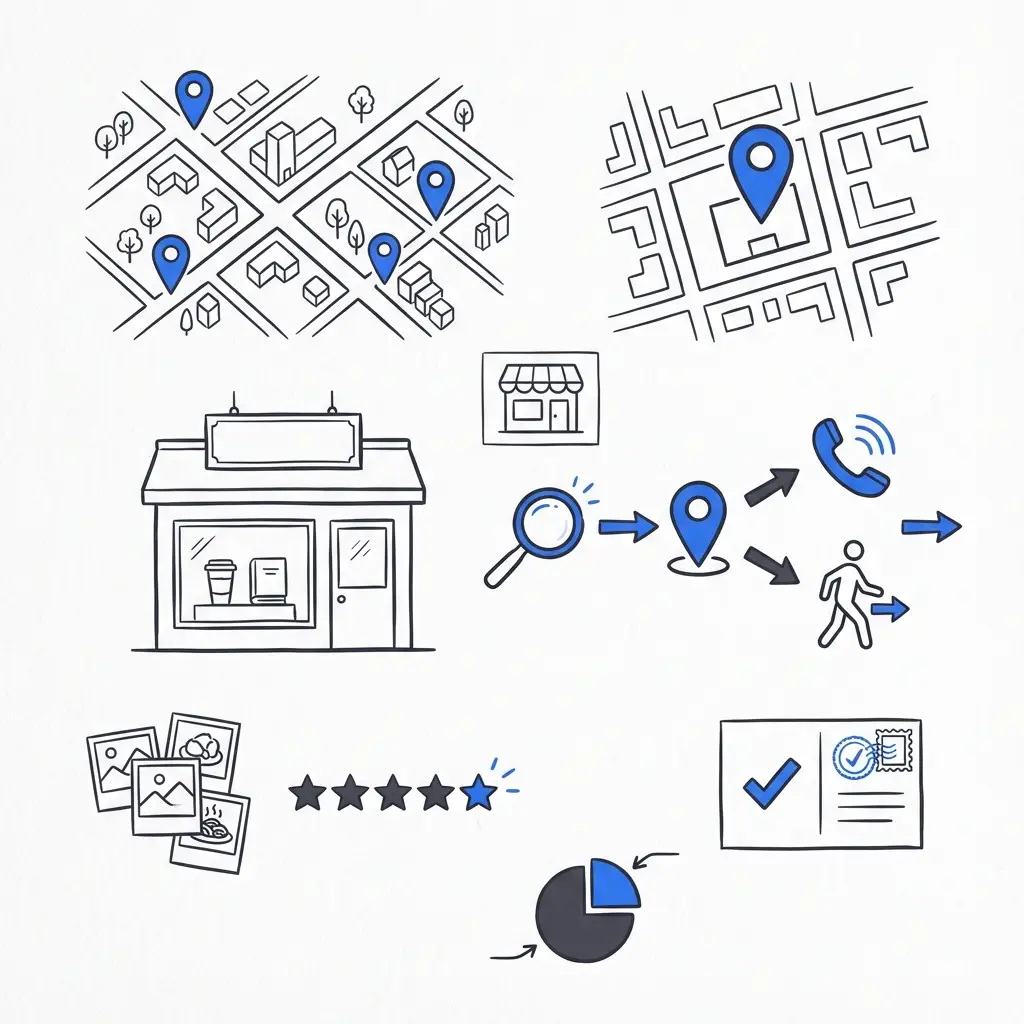
What are the disadvantages of Yelp? For many small business owners the phrase “Yelp disadvantages” brings to mind sudden drops in ratings, hidden reviews, or a feeling that a handful of stars can control foot traffic and revenue. This piece digs into the real risks behind the platform, explains why they matter, and offers concrete steps to reduce harm while keeping the discovery benefits Yelp can provide.

Understanding core Yelp disadvantages: scale, noise, and economic impact
Yelp’s scale is enormous: millions of users consult it every day, and by 2023 the site hosted well over 280 million reviews. That scale creates a powerful advantage for discovery, but it also amplifies a few clear Yelp disadvantages. When you rely on user-generated content at that size, a persistent share of reviews will be low-quality, biased, or fraudulent. That introduces noise into the signal customers use to choose businesses.
Fake or incentivized reviews are not just annoying — they can change behavior and revenue. Academic work and independent audits have often flagged systematic review fraud on big platforms, and Yelp is no exception. For restaurants, for example, a one-star swing can translate into a 5–9% revenue change. If one in seven or eight reviews on a page is questionable, a business can lose meaningful, measurable money.
Why filtering feels arbitrary
One of the more frustrating Yelp disadvantages is its recommended reviews filter. Yelp decides which reviews are shown prominently and which sit behind the “not recommended” tab. To business owners the outcome sometimes looks unpredictable: legitimate reviews disappear, suspicious ones remain, and the visible rating can jump or drop with little apparent rhyme or reason.
That opacity matters because visible star averages are a behavioral cue. When a potential customer compares two nearby eateries, the one with a visibly higher rating often wins. The filter’s unpredictability means that business owners must both manage reputation and monitor what the filter is doing to that public face.
Yes — a single visible, negative review can disproportionately affect new customers’ perceptions. That’s why steady, honest review acquisition and calm, specific public responses reduce the outsized impact of any one comment.
Yes — and that’s one of the main Yelp disadvantages. A single visible review, especially if it’s nasty or well-written, can disproportionately influence new customers. That’s why consistent, steady review inflow and thoughtful public responses matter: they dilute the impact of a single negative voice and show prospective customers how you address problems.
How fraud and manipulation show up on Yelp
Fraud takes multiple forms. Sometimes it’s fake positive reviews written to inflate a business; sometimes it’s negative reviews orchestrated by competitors. Other times it’s incentivized feedback — discounts or freebies offered in exchange for stars — which violates Yelp rules but can still occur. Where there’s value attached to ratings, there will be attempts to game the system.
Research has estimated that fraud rates can sit in the mid-teens for certain categories. In plain terms, that’s not a rounding error. When a notable fraction of reviews may be fake, the overall reliability of the platform’s social proof weakens. That makes Yelp disadvantages more than theoretical: they are operational problems that affect decision-making and revenue. See also Yelp’s Trust & Safety Report for platform context and mitigation efforts.
What to watch for
Look for sudden spikes in one-star reviews, clusters of five-star reviews from freshly created accounts, or repeating phrases across multiple accounts. Keep screenshots and logs when you suspect manipulation. Those records matter if you contact Yelp or need to escalate the problem to legal counsel or a third-party consultant.
Perceived pay-to-play and the cost of trust
Another persistent complaint falls into the perception bucket: many owners feel Yelp favors advertisers, giving them better placement, less filtering, or greater visibility. Courts have generally not found conclusive evidence that Yelp openly traded visibility for ad dollars, but the perception alone damages trust. When owners believe that buying ads is the only way to be visible, they may be coaxed into ad spend they don’t trust or that doesn’t deliver strong returns.
That perception can be more harmful than proof because it affects behavior. Business owners who feel coerced may either overspend or disengage – both outcomes harm the local marketplace and reduce platform credibility. The remedy is transparency from platforms; until then, owners must act with measurement and caution.
Practical ad guidance
If you test advertising on Yelp, treat ad spend like any experimental budget: start small, set clear conversion goals (calls, bookings, web visits), and measure direct outcomes against cost. Use tracking and compare results with proven approaches like our design and conversion playbooks at Agency VISIBLE’s approach. If the cost-per-customer doesn’t fit your margins, pause and reallocate the budget to other channels or strategies that clearly move revenue.
Visibility, support, and the time-sink problem
Yelp disadvantages include procedural weaknesses too: limited control over content, slow or inconsistent support, and opaque dispute resolution. For small business owners who must prioritize time on the floor or in the kitchen, chasing down a hidden review or trying to remove a false claim can be a major distraction.
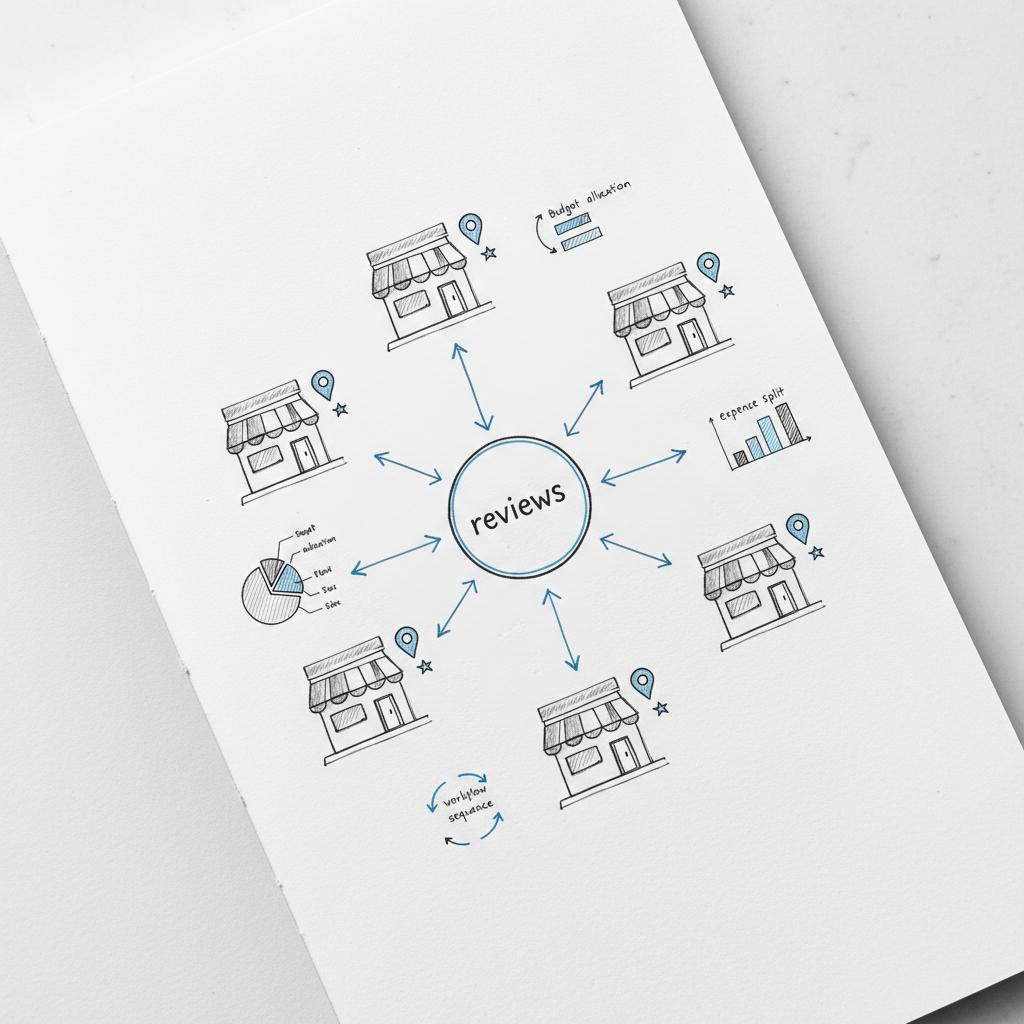
Document everything, but don’t let the platform fight consume you. The most durable defense is to invest in the customer experience and build multiple review sources so one platform’s quirks cannot take down your reputation.
The most durable defense is a thoughtful mix of service quality and diversified presence; treat Yelp as one signal among many. For examples of work and case studies you can review how others solved similar problems at our projects.
If you’d like a tactical hand, Agency VISIBLE helps small businesses build diversified review strategies, interpret analytics, and create steady, rule-compliant review inflows. Consider a short consultation to map the channels that matter most for your revenue and audience.
Privacy, data, and platform incentives
Yelp collects user data the same way many platforms do: it improves ad targeting and analytics. But that raises reasonable concerns for both customers and owners. The combination of personal data powering paid promotions and reviews being used like quasi-official quality markers creates tension: is reputation being traded, even indirectly, for advertising reach?
Those questions matter because data policy changes and new regulations can alter how platforms operate. Keep an eye on privacy updates from Yelp and broader regulatory shifts. They may change how targeting works, how much you can rely on platform-supplied analytics, or even how reviews are moderated. See the Yelp survey findings for recent consumer sentiment about review authenticity and trust.
Analytics caveats
Yelp provides metrics on views, clicks, and ad performance. Use them — but cross-check with your own numbers. If Yelp shows more profile impressions but in-store traffic drops, question that signal. The platform data can guide experiments, but it should never be the only measurement you trust.
Practical steps to reduce Yelp risk
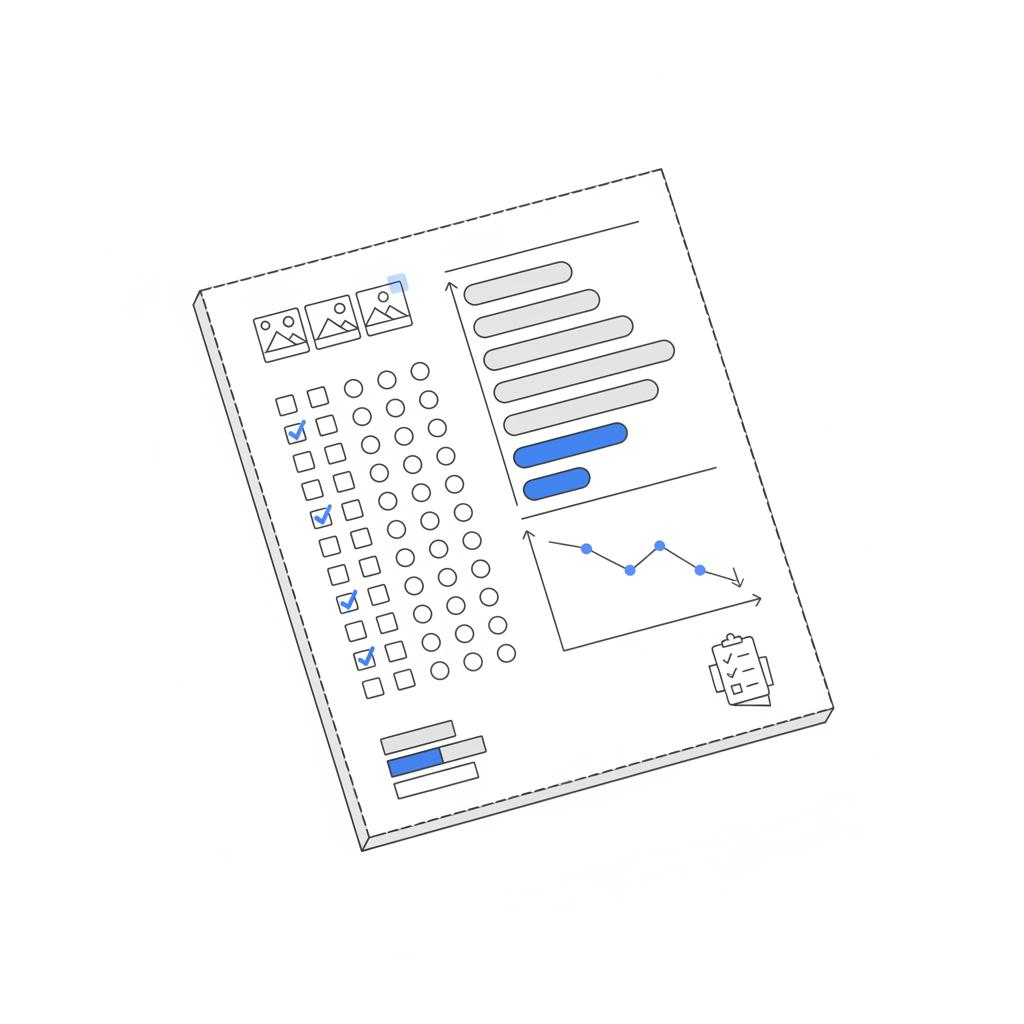
Knowing the Yelp disadvantages is useful only if you have a plan. Here are concrete steps you can take today to protect your business while still benefiting from Yelp’s discovery engine.
1. Claim and maintain your listing
Claiming your Yelp page is basic but essential. Correct hours, add crisp photos, and keep contact details current. A well-maintained listing looks professional and increases trust for people discovering your business — small investments with measurable returns.
2. Respond thoughtfully to reviews
Responses matter. A short, calm reply to a negative review that acknowledges the experience, suggests a fix, and invites private follow-up reads well to potential customers. Responses show that you care and that issues are taken seriously.
3. Encourage reviews ethically
Ask satisfied customers for feedback — politely and without incentives. A printed card, a friendly follow-up email with a link, or a checkout invitation are safe, effective approaches. Avoid paying for reviews or offering discounts explicitly for stars; that risks platform penalties and dilutes authenticity.
4. Diversify review channels
Yelp should be one of several channels. Build Google reviews, collect testimonials on your website, and use social proof on Facebook or Instagram. Treat your online presence like a small portfolio: the healthier and more varied it is, the less any single platform’s quirks matter.
5. Track real outcomes
Measure what matters: average rating, meaningful reviews per month, proportion of public vs. filtered reviews, and real-world indicators like reservation counts or average spend. Cross-reference Yelp metrics with your POS or reservation system to see whether impressions translate to customers.
How to respond to filtered or flagged reviews
Yelp’s filter is imperfect — accept that upfront. If a legitimate review is hidden, document it with screenshots and timestamps and submit a support request. The process may be slow, and sometimes unsatisfying, but records are useful both to Yelp support and to any third-party assistance you enlist.
Meanwhile, keep serving customers and inviting genuine feedback so that your long-term review flow reduces the impact of any single hidden testimonial.
Dealing with suspected manipulation
If you suspect coordinated manipulation, move quickly. Log suspicious accounts, save evidence, and contact Yelp. Strengthen your own legitimate review inflow and consider legal advice if the attack is severe. Courts have sometimes acted against third parties that organize fraudulent campaigns; having clear documentation helps any escalation.
Real examples that show what works
Concrete stories help. A neighborhood bistro that saw ratings fall sharply after a handful of negative reviews reclaimed trust by claiming their page, adding photos, and asking regulars to leave honest feedback. After eight weeks the visible rating recovered and reservations returned. The lesson: consistent effort changes outcomes.
An auto shop that suspected competitor sabotage documented accounts and reached out to Yelp; fraudulent reviews were removed and the shop pushed legitimate customers to share feedback. The steady stream of real reviews reduced the relative weight of the attack.
When to consider third-party help
Not every owner should hire outside help, but if reputation management is taking too much time or you need strategic lift, pick a vendor carefully. Look for transparent methods, clear pricing, and a focus on honest customer engagement rather than aggressive short-term tactics.
Tip: vet consultants
Ask for case studies, ask how they generate review volume, and require that their methods comply with platform rules. A good partner helps you build sustainable systems, not quick fixes that risk penalties or reputational harm. See examples in our projects and confirm the contact process via our contact page.
Longer-term trends and open questions
Yelp has continued to refine moderation and ad products through 2024 and 2025, but independent research often lags behind platform changes. Open questions remain: how effective are new moderation updates at cutting down coordinated manipulation? How has ad pricing shifted for local advertisers in a tight economy? How will evolving privacy rules change data-driven targeting?
These are important because they shape whether local businesses should allocate marketing dollars to Yelp or diversify. The practical answer is to monitor, measure, and remain flexible.
Communication strategies that turn negatives into trust
When a review stings, invite the reviewer back in your reply or via private message. Offer to make things right and then follow through. A thoughtful resolution posted publicly often earns more goodwill than a complaint that goes unanswered. Customers notice repair, and future customers see responsiveness as a trust signal.
Checklist: an owner’s 30-day Yelp plan
To make this actionable, here’s a compact 30-day plan to address the most damaging Yelp disadvantages:
- Claim and verify your Yelp listing; correct info and add 8–12 high-quality photos.
- Document current reviews and filter status; screenshot any suspicious reviews.
- Send a gentle email to recent customers asking for honest reviews (no incentives).
- Reply to the top 3 negative reviews with calm, specific offers to resolve.
- Run a 30-day small ad test only if you can measure bookings or calls tied to it.
- Track conversion: ties between Yelp impressions and actual in-store or online traffic.
Summary: treat Yelp as influence, not destiny
Yelp disadvantages are real — from fake reviews and an opaque recommended filter to perceived pay-to-play and time-consuming dispute processes. Yet Yelp still drives discovery. The best approach is pragmatic: protect what you can control (service, listings, review flow), measure outcomes, and diversify your reputation across channels.
Final practical point
Reputation is a long game. Steady, honest effort outperforms short-term tricks every time. Keep focusing on the customer in front of you and use Yelp as one channel among many to tell your story.
Get a practical 90-day reputation plan
Need a clear plan to protect and grow your local reputation? Reach out to get practical guidance tailored to your business — small steps that compound into real, measurable visibility. We’ll help map the next 90 days so you can spend less time chasing reviews and more time serving customers.
Thanks for reading – and remember: steady attention to customers and honest invitations to review make algorithms less scary.
Yes. Research shows that a one-star change on Yelp often corresponds to a measurable revenue shift — for restaurants this can be roughly 5–9%. A visible negative review can disproportionately influence new customers, which is why steady review inflow and calm, professional responses are essential.
If a review clearly violates Yelp’s content guidelines (hate speech, threats, or evidence of fraud), document it with screenshots and submit a support request through Yelp’s business support. Keep clear records — dates, screenshots, and any evidence linking suspicious accounts can help. If manipulation is coordinated and damaging, consider legal advice and maintain a steady stream of legitimate customer reviews to dilute the impact.
Hiring help can be a smart move if reputation management is consuming too much of your time or you need strategy and execution expertise. Choose a partner that is transparent about methods and focuses on genuine customer engagement rather than quick fixes. Agencies like Agency VISIBLE assist businesses in building diversified review strategies and translating visibility into measurable revenue — treat agency work as a complement to excellent customer service, not a substitute.
References
- https://agencyvisible.com/
- https://arxiv.org/html/2308.02129v2
- https://blog.yelp.com/news/yelp-releases-2023-trust-safety-report/
- https://agencyvisible.com/design-that-converts-our-approach/
- https://agencyvisible.com/projects/
- https://agencyvisible.com/contact/
- https://blog.yelp.com/news/consumer-trust-survey-2024/