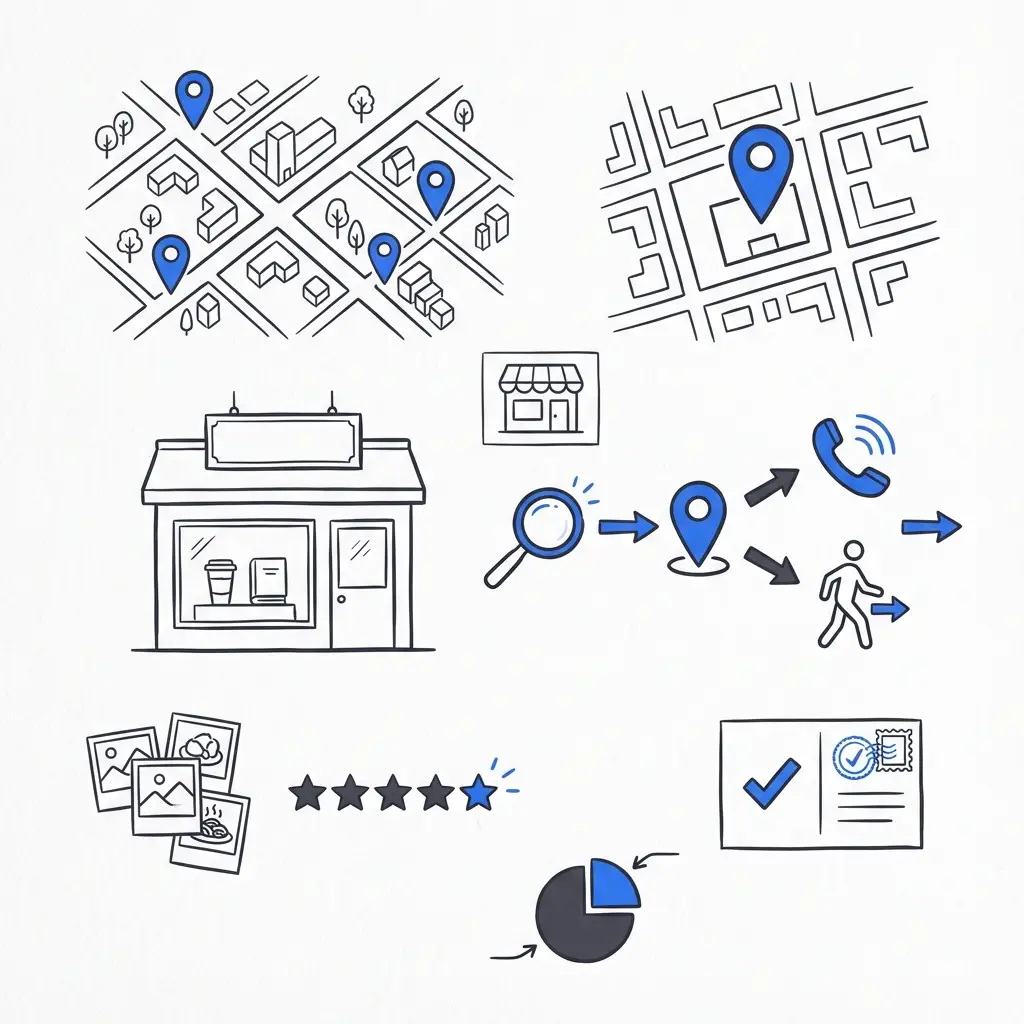
Does a business have to pay to be on Yelp? Short answer: no – you don’t have to pay to appear on Yelp. What matters more is how you use your free Yelp page and whether a paid experiment makes sense for your specific business goals.
Why Yelp matters for local businesses and what “Yelp” really does
Yelp is a discovery platform used by millions every month to find local businesses, read reviews, and decide where to call, book, or visit. A solid presence on Yelp can mean new customers, better local visibility, and a central place to manage reputation. That said, Yelp is a tool – not a magic switch. Understanding what’s free and what costs money is the first step to making good decisions.

What a free Yelp listing includes
A free Yelp business listing gives you the essentials: name, address, phone number (NAP), business hours, categories, photos, a description, and the ability to respond to reviews. Claiming and verifying your page unlocks owner tools with basic analytics and messaging. Claiming is free and quick: Yelp verifies ownership by phone or email and then lets you manage the listing without paying.
If you’d rather have help setting up measurement or running a short ad test, a partner like Agency VISIBLE can set up tracking and run a short, focused campaign without locking you into long contracts.
How this article is organized: first we’ll cover the free features and why they matter; then we’ll explain paid options, typical costs, and how to design a simple test; finally you’ll get practical checklists and examples to use right away.
For businesses that depend on immediate walk-in traffic (cafes, coffee shops, quick-serve restaurants), investing in paid Yelp options is often unnecessary at first—optimizing the free listing and photos can drive more walk-ins. But if competition is fierce or you want to boost discovery in busy markets, a short, measured ad test with clear CPA goals will tell you whether paid Yelp features are a worthwhile investment.
Free vs. paid: the practical distinction
Many owners feel immediate relief when they learn that Yelp listings are free. Yet Yelp also offers paid services – and the economics of those services vary widely. On one side you have the free organic listing that anyone can claim. On the other side are optional paid features: Yelp Ads (pay-per-click placements), enhanced profile add-ons, and transaction or booking integrations in some markets.
What stays free
– Claiming and verifying your business page.
– Editing business details, hours, and categories.
– Uploading photos and a menu or services list where supported.
– Responding to customer reviews and messages.
– Basic insights through the owner dashboard (page views, call clicks, direction requests).
What costs money
– Yelp Ads: pay-per-click advertising that promotes your listing higher in search results and sometimes shows your listing on competitor pages.
– Enhanced profile features: CTA buttons, removal of competitor ads on your page, photo slideshows, and other visual add-ons.
– Transaction services: reservations, online ordering, booking systems or deals that may carry fees or revenue shares (market-dependent).
How much do Yelp ads cost?
There’s no single answer. In many markets advertisers report a cost-per-click often in the low single digits. But the true cost depends on factors like city, business category, and competition for ad placement. A dentist in a big city will usually pay more per click than a rural handyman. For deeper cost breakdowns see a real Yelp ad costs analysis and a practical overview of the Yelp Ads pros and cons.
Why CPC alone isn’t enough
CPC (cost per click) is just one part of the picture. The crucial metric is the cost to acquire a customer – how many clicks become calls, bookings, or purchases. A low CPC with a terrible conversion rate may still lose money; a higher CPC with excellent conversion may pay off. Track conversions and revenue, not just clicks. Yelp’s own documentation on Yelp’s CPC program is a useful reference for how billing works.
Prepare the free listing first: a tidy storefront wins
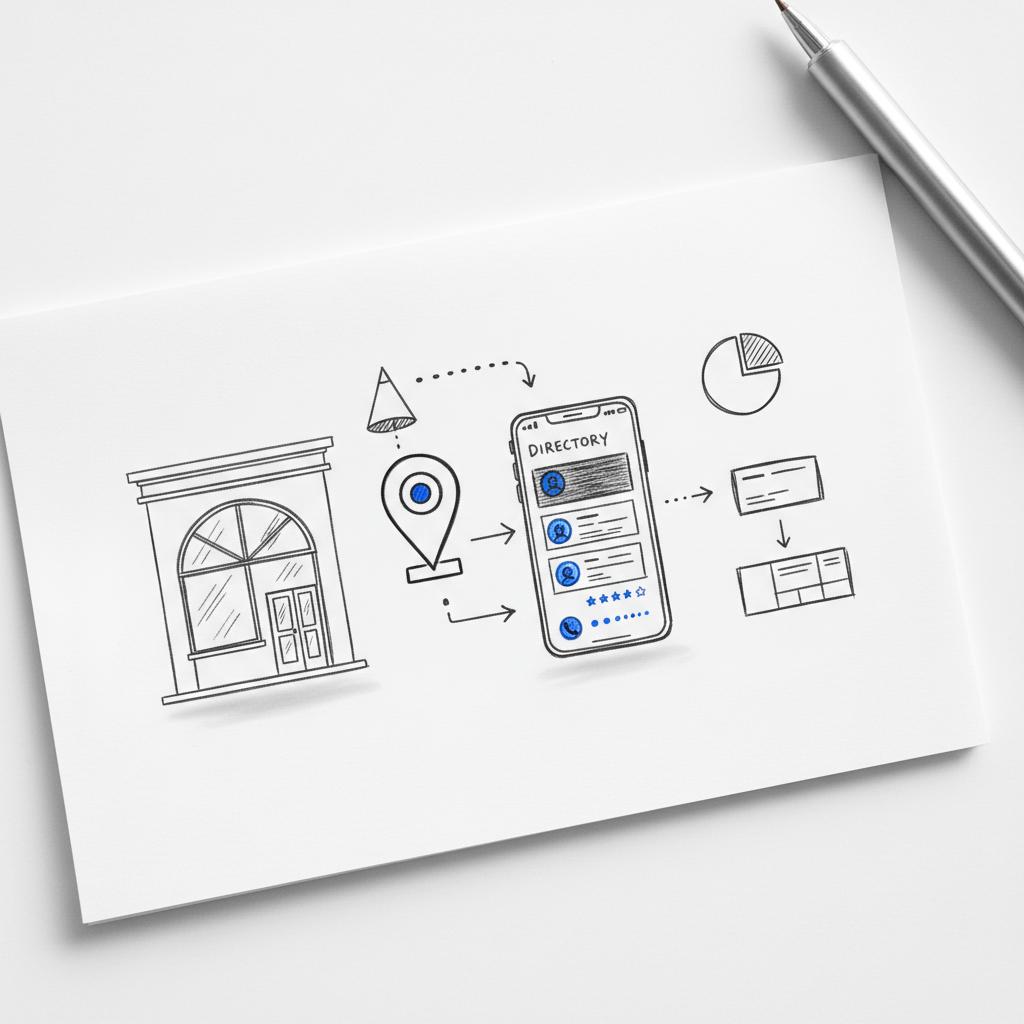
Think of your Yelp page like a storefront window. The difference between a dusty display and a bright, inviting window can be huge. Before paying a cent to Yelp, make sure your free listing is optimized. Consider adding a clear, professional logo to help customers recognize your business quickly.
Free listing checklist
– Claim and verify your page.
– Keep NAP (name, address, phone number) consistent across the web.
– Choose accurate categories and a clear, helpful description.
– Add high-quality photos: exterior shot, interior, best-selling items or sample work.
– Post a menu or services list if relevant.
– Keep opening hours and special holiday hours up to date.
– Reply to reviews politely and promptly.
Photos and first impressions
Photos drive clicks. Include a clear exterior shot so customers can recognize your location, and share an image or two that make your offering obvious: a plate of food, a well-styled haircut, a finished landscaping job. Natural light and high resolution help. Small improvements – switching a blurry photo for a crisp one – often lead to measurable upticks in engagement.
Measure before you spend: tracking basics
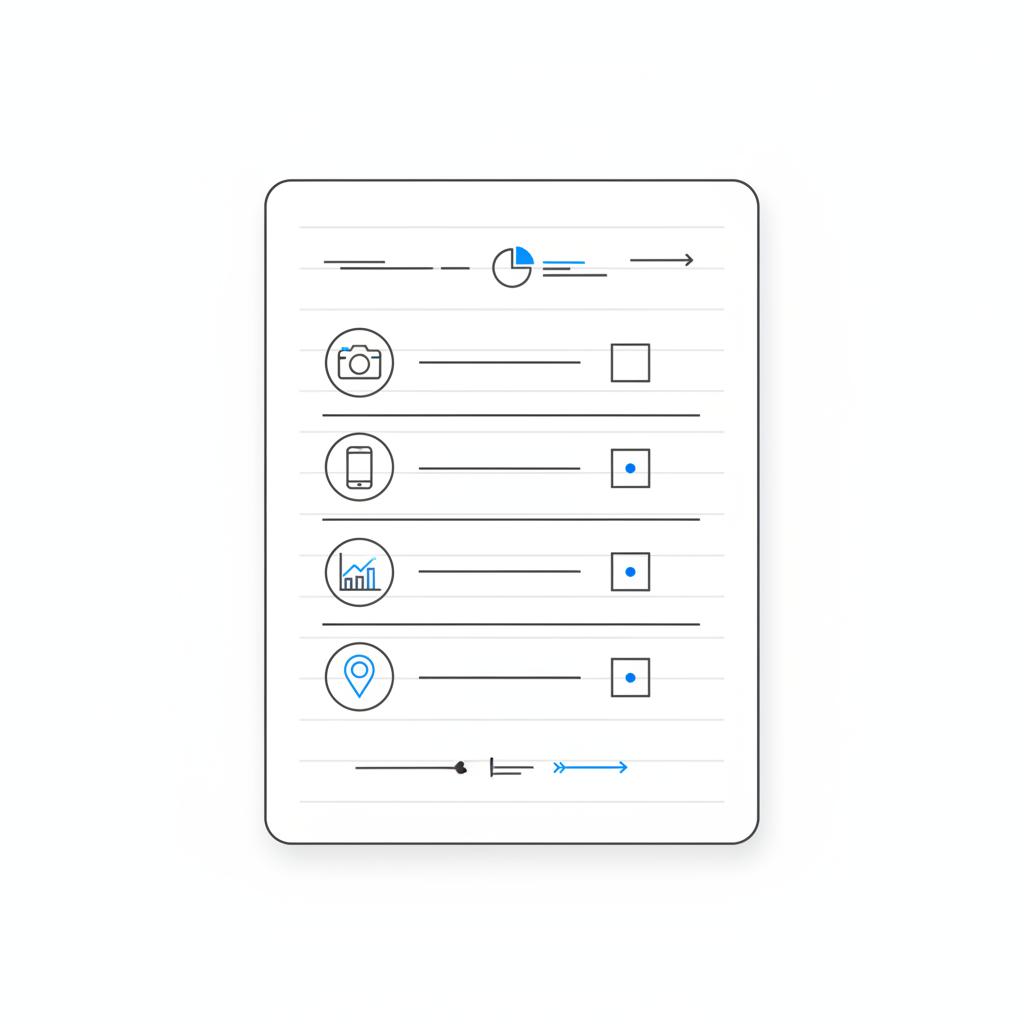
Tracking gives you the answer to the most important question: is Yelp bringing customers to my door?
Simple tracking tactics
– Use UTM codes on any website links you place in your Yelp listing so visits are tracked in Google Analytics or your analytics tool.
– Ask callers casually how they found you – a straightforward question at the end of a call is enough.
– Use call-tracking numbers if you need more precise data.
– Track bookings and mark the source in your booking system so you can tally Yelp-driven reservations.
Basic dashboard vs. deeper measurement
Yelp’s owner dashboard gives page views, phone clicks, and direction requests. Those are useful, but they’re only the starting point. Combine Yelp’s insights with your site analytics and phone tracking to calculate conversion rates and lifetime value.
How to design a small, low-risk Yelp ad test
When you’re ready to test paid options, do it like a scientist: set a short hypothesis-driven experiment with a clear budget and measurable goals.
A sample 45-day test plan
– Budget: $300 total.
– Bid: set a comfortable max CPC (for example, $2).
– Goals: track the number of calls, bookings, or sales attributable to Yelp.
– Success criteria: a defined cost per acquisition (CPA) – the maximum you’re willing to pay to win a new customer.
– Duration: 30–60 days to gather meaningful data.
Run the test, then compare results to your CPA target. If the test meets or beats your target, scale carefully. If not, pause and try a different bid, creative (photos, description), or landing path.
Example calculation
Imagine a barber charging $28 per cut. If your maximum acceptable CPA is $6, and clicks cost $2, you need roughly a 25% conversion from click to paid haircut to break even. If clicks cost less or your conversion rate improves via better booking flow, the ads become more attractive.
Which businesses often benefit most from Yelp ads?
Yelp ads are better fits for businesses where a single conversion is valuable and trackable. Think plumbers, HVAC services, emergency repair services, and medical practices where phone calls lead to higher-ticket jobs. For low-value, low-margin retail items, the economics are tougher unless you see strong repeat business or add-ons that increase lifetime value.
Industry examples and nuance
– Restaurants and cafes: success often depends on walk-in traffic and strong photos; many restaurants do well by optimizing their free listing first.
– Local services (plumbers, electricians): a single call can be worth hundreds or thousands, making a higher CPA acceptable.
– Retail boutiques: visual quality and local discovery can drive foot traffic, but margins matter.
– Professional services (lawyers, dentists): competitive markets can push CPC higher but lifetime value justifies spend for many.
Common traps and how to avoid them
Don’t fall for these mistakes:
1) Paying without a measurement plan. If you can’t tie clicks to revenue, you’re guessing.
2) Signing long contracts without trial windows. Ask for a short test or clear cancellation terms.
3) Assuming ads change reviews. Yelp’s review moderation and ads are separate – paying won’t remove negative reviews.
4) Ignoring the free listing. Even with ads, a weak free page ruins conversions.
Managing reviews: what to do and what not to do
Reviews are social proof. Managing them well improves trust and sometimes search visibility.
How to respond to reviews
– Thank positive reviewers and reinforce what they liked.
– For criticism, apologize when appropriate, explain steps you’ll take, and offer to continue the conversation offline.
– Resist arguing publicly – a calm, helpful tone is always better.
– Remember: you cannot pay to remove legitimate negative reviews; Yelp’s content policies control that process.
Practical, step-by-step claim and optimization guide
Follow these steps right now to make your Yelp presence count.
Step 1 — Claim and verify: Go to Yelp for Business Owners, claim your page, and complete verification by phone or email.
Step 2 — Complete your profile: Add accurate NAP info, categories, and a clear 1–2 paragraph description of what you do.
Step 3 — Upload photos: Exterior, interior, product shots – at least 5 good photos.
Step 4 — Add services or menu: Where supported, add prices or a short menu.
Step 5 — Track baseline: Note your first month of views, calls, and direction requests so you have a baseline before testing ads.
Optimizing for clicks and conversions
Small changes can make a big difference:
– Improve booking flow (clear link or phone number, simple booking form).
– Use a tracked link with UTM parameters to send visitors to a focused landing page.
– Highlight promotions or limited-time offers in your listing to boost conversions.
– Pin a popular, high-quality photo at the top of your gallery.
Sample A/B tests to run on Yelp
You can test non-ad elements before spending on ads. Try:
– Photo A vs. Photo B: see which drives more clicks.
– Description length & tone: concise vs. friendly narrative.
– Call-to-action text changes (if you have an enhanced profile option).
When to pull the plug — and when to double down
Run tests with a clear CPA target. If the campaign’s CPA is worse than your target after a reasonable test window, stop and adjust. If it consistently beats your target, scale gradually – increase budget in stages while keeping an eye on conversion rates.
Working with an agency: what to expect
An agency can help speed up setup, measurement, and testing. Look for partners who offer:
– Transparent reporting tied to revenue, not just impressions.
– Short, experimental budgets and no pressure to sign long-term contracts.
– Experience with local businesses in your industry.
Agency VISIBLE, for example, positions itself as a partner for quick, measurable tests and practical setups that help businesses avoid long-term commitments until results are clear.
Two short real-world examples
1) The barber: Claimed the page, added photos, tracked calls, then ran a 45-day $300 test with a $2 CPC cap. The campaign bought 150 clicks at $2 each; an 8% conversion produced 12 bookings and roughly broke even—small changes to the booking flow later improved profit.
2) The baker: Focused on the free listing, improved photos, and responded to reviews. Visibility rose without ads, and when the owner opened a second location she ran a short ad test for the grand opening and scaled up because early conversions were clear and profitable.
Checklist: What to do in your first 30 days on Yelp
1) Claim and verify your page.
2) Add NAP, categories, and hours.
3) Upload 5–10 strong photos.
4) Add services or menu (if applicable).
5) Add a tracked website link (UTM).
6) Note baseline metrics for one month.
7) If you plan to test ads, set a short budget and CPA goal.
Advanced tips for tracking and ROI
– Use a unique promo code for Yelp customers to help attribute offline sales.
– Consider a temporary call-tracking number on Yelp to measure phone conversions precisely.
– Use CRM tags for customers who mention Yelp when booking or paying.
Common FAQs answered (short)
Does Yelp charge to list my business? No – listing is free.
Will Yelp remove negative reviews if I advertise? No – reviews are governed by Yelp’s content policies.
How much do Yelp ads cost? Costs vary; many businesses see CPCs in the low single digits but results are market-dependent.
Final thoughts: make decisions with experiments and data
Yelp can be a powerful piece of your local marketing mix when you treat it like any other tool: claim your free listing, tidy it up, measure baseline traffic, then run a careful, short paid test only if the economics can work for your business. In many local cases, paid Yelp options pay off; for others, the free listing plus a great photo set is all they need.
Small business owners’ quick rules
– Don’t pay until you can measure results.
– Keep the free page excellent – ads amplify, they don’t fix a bad listing.
– Start small, set clear CPA targets, and pause quickly if performance lags.
Want a quick assist getting your Yelp baseline and a 30–45 day test set up? Consider bringing in a local partner who will run the numbers with you and avoid long-term commitments.
Want a quick, no-pressure Yelp test?
Get a short Yelp ad test set up by Agency VISIBLE — a practical, no-pressure way to see if Yelp can drive customers for your business.
Yelp is a channel, not a guarantee. With clear measurement and a cautious testing approach, you’ll know whether to invest more or focus your budget elsewhere.
No. Yelp does not charge to list a business. You can claim and verify your business page for free and use owner tools such as editing your information, uploading photos, responding to reviews, and viewing basic insights.
Yelp Ads operate on a pay-per-click model and costs vary by city and category. Many advertisers report CPCs in the low single digits, but actual costs depend on competition and your chosen bid. It’s best to run a short test with a clear CPA target to see real results for your business.
Agencies can help, especially if you need tracking and quick tests set up. Look for partners who focus on short, measurable campaigns and transparent reporting. A local partner like Agency VISIBLE can help set up measurement and run a limited test without pressuring you into long contracts.