What happened to Google local service ads?
Google Local Services Ads shifted from a mostly pay-to-play ad surface into a tied system where identity, verification and documentation now govern whether your ads run. The changes started in late 2024 and intensified through 2025, and they affect how small businesses manage profiles, budgets, and documents. This guide explains the why, the how, and the exact steps you can take today to recover or protect your lead flow. Visit the Agency VISIBLE homepage for related resources and help.

Why the change matters right now
For years, many businesses could run Google Local Services Ads with loose documentation or private business profiles. That era is over. Google now leans heavily on the public information shown in your Google Business Profile to decide LSA eligibility. In practical terms: missing or inconsistent details on your profile—especially the verification state—can lead to paused accounts and vanished leads.
Most business owners don’t think about verification until the phone stops ringing. Then it becomes urgent. That’s why we walk through clear, actionable steps here so you can get back to steady leads faster.
How the enforcement timeline unfolded
Three key moments shaped the current environment:
1. Around November 21, 2024, Google began pausing LSA accounts that didn’t have a public, verified Google Business Profile. See this Search Engine Land report for background.
2. Through 2024–2025, enforcement broadened to include matching licenses, insurance, and consistent naming across documents and profile data. Coverage like The Coast News tracked the rollout and what businesses needed to change.
3. On October 20, 2025, Google updated the Google Guarantee visual and reinforced integration between the Business Profile layer and Local Services Ads.
What changed and why it’s a big deal
The core change is simple: Google Local Services Ads are now an identity-first product. Instead of being just an ad placement, LSAs act like a badge system that only shows ads for profiles Google can verify and match to legal documentation. That means operational hygiene—accurate names, matching licenses, readable insurance files—matters more than ever.
Real-world consequences
Contractors, locksmiths, plumbers and many home services providers reported waking up to paused LSA accounts and missing Google Guarantee badges. For some, impressions spiked for a few days and then collapsed. For others, accounts were paused until verification tasks were completed. The pattern taught a practical lesson: if your public info is inconsistent, the traffic will be unreliable.
Why impressions spike and then collapse
Advertisers frequently reported wild swings in impressions during 2024–2025. There are a few likely reasons behind those spikes and drops:
– Verification windows: Google may surface inventory while the system tests eligibility. That can show as a short-term spike before throttling kicks in.
– Category and region matching: If your category is broad or mismatched to local queries, impressions can come quickly and then stop when Google refines matching.
– Budget and allocation: Temporary allocation of impressions before a full verification can cause a surge, followed by a collapse when the account is paused or limited.
What this means for your planning
Stop thinking of LSAs like a simple ad buy. Treat Google Local Services Ads as a system where trust, identity and documentation are the first-line controls. When you change settings, re-verify, or upload documents, monitor activity closely for the next few days and weeks.
Immediate action plan: claim and verify your Google Business Profile
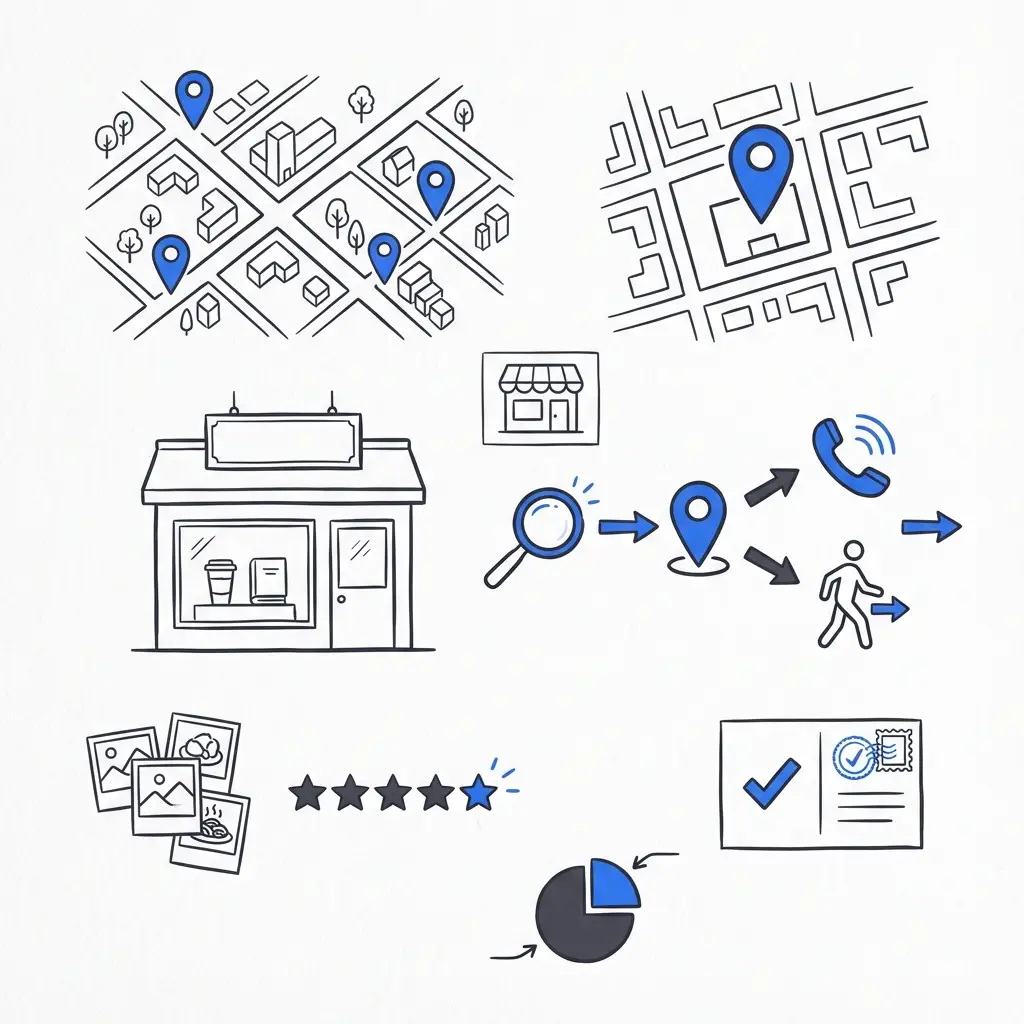
If you already run LSAs, this should be step one: claim and verify your Google Business Profile (GBP). Without a verified, public GBP your Google Local Services Ads account may be ineligible or at risk of pauses. For a deeper read on what this change means, see this analysis from 1SEO.
Claiming attaches your business to the public layer of Google Maps and Search. Verification tells Google’s systems that you control the business. Methods include mail, phone, or other checks depending on location and category.
After verification, confirm that your GBP is public and complete: correct name, address/service area, working phone numbers, accurate hours, and precise service categories. Small mismatches—like a DBA that differs from the legal name or a forwarded phone number that doesn’t match the profile—can trigger flags. A clear logo can help users trust contact details.
Need a hand making sure your GBP and LSA match? For a practical, no-fluff approach, talk to Agency VISIBLE — they help businesses tidy profiles, upload documents, and get paused accounts back online faster.
Documentation: licenses, insurance, and why legibility matters
Google now uses license and insurance documentation as eligibility gates for many service categories. Uploading readable, current documents that match the legal name on your profile is essential. An expired insurance certificate or a license that lists a slightly different business name can cause a pause.
Practical steps:
– Gather documents: Collect business licenses, trade licenses, professional licenses, and proof of insurance.
– Scan with clarity: Upload high-resolution, readable images or PDFs. Blurry scans get rejected and slow recovery.
– Match names and addresses: Make sure the documented legal name aligns with the name on your GBP and the LSA account.
Budgeting and bidding: be cautious and curious
Many businesses saw changes in cost per lead and lead volume after the enforcement shifts. The rule of thumb is: start modestly after a pause or reconfiguration and monitor closely.
Quick rules:
– Start small: Don’t double down immediately after a pause is lifted.
– Watch the first 72 hours: Early impressions and leads can tell you whether the account is stable.
– Broaden categories carefully: If verified info is in place but leads are low, try slightly broader service categories or extend service areas in small steps.
When to adjust bids
If impressions surge without conversions, pause and investigate. If leads are consistent and quality looks good, scale slowly. The goal is steady, profitable growth-not chasing a temporary spike that disappears when verification re-runs.
Monitor the LSA dashboard and keep records
The LSA dashboard is the source of most critical notices: paused accounts, missing docs, or verification requests. Missing these alerts is how many businesses lost weeks of leads.
Make reviewing the dashboard a near-daily habit during periods of change. Log tickets, dates, and what you uploaded. When you finally reach Google support, that record shortens resolution time.

Yes. Google’s enforcement now uses the public, verified Google Business Profile as a primary eligibility signal. If your GBP is unclaimed, private, or unverified, Google may pause your Local Services Ads while it verifies identity. Claim and verify your GBP and upload matching documents to restore normal ad delivery.
Common scenarios explained
Understanding common cases helps you plan the right steps. Here are three typical scenarios and how they resolve:
1) The single-owner contractor: A locksmith with an active LSA never claimed a public GBP. The account was paused. After claiming and verifying the GBP and uploading a license, impressions returned within a week and leads recovered in about two weeks.
2) The multi-DBA business: A cleaning company used different trade names across locations with different local phone numbers. Documents didn’t match the central legal entity, and the LSA account stayed paused for several weeks while name and documentation issues were reconciled.
3) The sudden regional spike: A contractor saw a surge in a new region and then a steep drop. That was likely a regional rollout effect combined with incomplete matching of service categories for that area.
How to measure recovery and what to watch
After fixes, watch these signals closely:
– Impressions: Expect initial movement in hours to days.
– Leads: Look for a steady trend rather than single-day spikes.
– Cost per lead and lead quality: Track whether leads are converting to jobs.
– Google Guarantee visibility: That badge is a trust marker—if visible, your account is likely meeting Google’s requirements.
Timeframes
Short fixes can show results in days; complicated name-matching problems or multiple DBAs may take several weeks. During the recovery window, prioritize quick document resubmissions and keep support logs to shorten resolution time.
Operational checklist: a practical playbook
Use this checklist as a working to-do list:
1. Claim and verify your Google Business Profile.
2. Make GBP public and complete with accurate hours, phone number, and service areas.
3. Match business name on GBP to legal documents and the LSA account.
4. Gather and scan licenses and insurance — upload legible copies.
5. Set calendar reminders for document expirations and re-checks.
6. Monitor the LSA dashboard daily during changes.
7. Adjust budget carefully after a recovery and watch first-week performance.
8. Keep a record of all support tickets and document uploads.
Tips for multi-location accounts
Multi-location businesses should map each location to legal entities and documents clearly. Don’t assume a single central document covers DBAs or sub-entities. Where possible, standardize naming conventions across profiles and phone numbers to reduce flags. See our projects for examples of multi-location cleanup work.
Customer communication and contingency planning
When the lead flow drops, it affects operations quickly. A pause in LSAs can mean fewer calls, fewer booked jobs, and pressure on cash flow. Have a simple contingency plan:
– Staff communication: Tell your team what to expect in call volume.
– Temporary channels: Reallocate ad spend to other channels if feasible (local search ads, social posts, or email outreach).
– Website notice: A single-line note or a short FAQ on your site can set customer expectations if availability is temporarily affected.
How agencies and advisors add value now
The value of an agency often shifts from complex bid strategy to operational maintenance. Properly run, an agency can:
– Keep profiles accurate and public
– Maintain document calendars
– Monitor the LSA dashboard and escalate tickets
Agency VISIBLE specializes in this kind of work: fast, sensible maintenance that restores visibility without unnecessary complexity. When compared to generalist firms, Agency VISIBLE focuses on the operational hygiene that keeps Google Local Services Ads live—so you get fewer surprises and more steady leads.
Open questions that still matter
There are outstanding uncertainties worth watching:
– Regional enforcement differences: Google’s timing and strictness may vary by market.
– Long-term cost effects: If fewer advertisers pass verification in certain categories, lead costs could rise in competitive markets.
– Product consolidation: Integration between LSA, GBP and other local ad products may create both opportunities and new requirements.
How to stay ahead
Stay proactive: maintain clear profiles, keep documents current, and invest a small amount of time in daily dashboard checks during sensitive periods. These habits will reduce downtime and speed recovery when Google updates enforcement rules.
Frequently asked questions
Why did Google pause my Local Services Ads account?
In most cases, pausing happens because the account lacks a public, verified Google Business Profile, or required documentation (licenses, insurance) is missing or mismatched. Fixing profile verification and uploading legible, matching documents usually resolves the issue.
How long does verification or recovery usually take?
Simple fixes often show results in days to a couple of weeks. Complex name mismatches, multiple DBAs or multi-location reconciliation can take several weeks and require repeated support contact.
Why did impressions spike and then fall?
Google runs verification windows and category matching that can temporarily surface inventory, causing a spike. If eligibility checks fail or the category match is off, traffic can be throttled and impressions fall. Regional rollouts and budget throttles also play a role.
Measuring success after a recovery
After you resolve an issue, look for consistent impressions and steady lead flow over a two-to-four week period. Check lead quality and conversion rates to measure whether the recovered traffic is valuable. If the Google Guarantee badge is visible, that’s an additional sign your account is trusted by the platform.
Pro tip: avoid panic changes
When traffic returns, don’t immediately scale. Observe the account for a few weeks. Sudden large adjustments can trigger another round of checks. Instead, grow slowly and keep your documentation calendar current.
Checklist recap — your 15-minute daily routine during recovery
When you’re recovering from a pause, commit to a short daily routine:
– Check the LSA dashboard for messages.
– Scan for new tickets and replies.
– Confirm uploaded documentation is legible and matches your GBP.
– Watch impressions and leads for outliers.
– Log any actions you take and note times.
Final practical thoughts
Platform changes are inevitable. The best response is simple: make your identity and credentials clear and current. Those steps restore ad delivery faster than guesswork.
Why this is a chance, not just a problem
Yes, the rules are stricter. But clearer rules mean that businesses that maintain good operational hygiene may gain an advantage. If you keep your profile accurate, documents current, and dashboard checks consistent, your Google Local Services Ads will have a better chance of delivering steady, qualified leads.
Need help getting your LSAs back online?
Ready to stop losing leads to profile issues? Get a quick, practical audit that shows exactly what to fix: Request a profile and LSA check from Agency VISIBLE. We’ll prioritize the moves that restore ad delivery and reduce downtime.
Change is uncomfortable, but it’s manageable. Small, steady steps—claiming your GBP, uploading clear documents, and checking the dashboard—are what restore trust and lead flow. Keep at it, and your Local Services Ads will work the way they were supposed to: connecting you to paying customers who need your services.
Google most often pauses LSA accounts when the advertiser does not have a public, verified Google Business Profile or when required documentation like licenses and insurance is missing or mismatched. Fixing verification and uploading clear, matching documents usually resolves the pause.
Simple issues — claiming and verifying a GBP and uploading documents — often show measurable improvements within days to a few weeks. More complex problems, such as mismatched legal names or multi-location account reconciliations, can take several weeks and may require repeated support interactions.
It depends. If stricter verification reduces the number of eligible advertisers in a competitive category, cost per lead could rise. Conversely, if many advertisers are paused, you might temporarily see lower competition and better performance. Expect variability while Google settles policy enforcement.
References
- https://agencyvisible.com/
- https://searchengineland.com/google-local-service-ads-google-business-profile-447436
- https://thecoastnews.com/digital-101-dont-get-left-behind-in-googles-local-services-ads-update/
- https://1seo.com/blog/what-googles-major-update-to-local-service-ads-means-for-your-business/
- https://agencyvisible.com/contact/
- https://agencyvisible.com/projects/