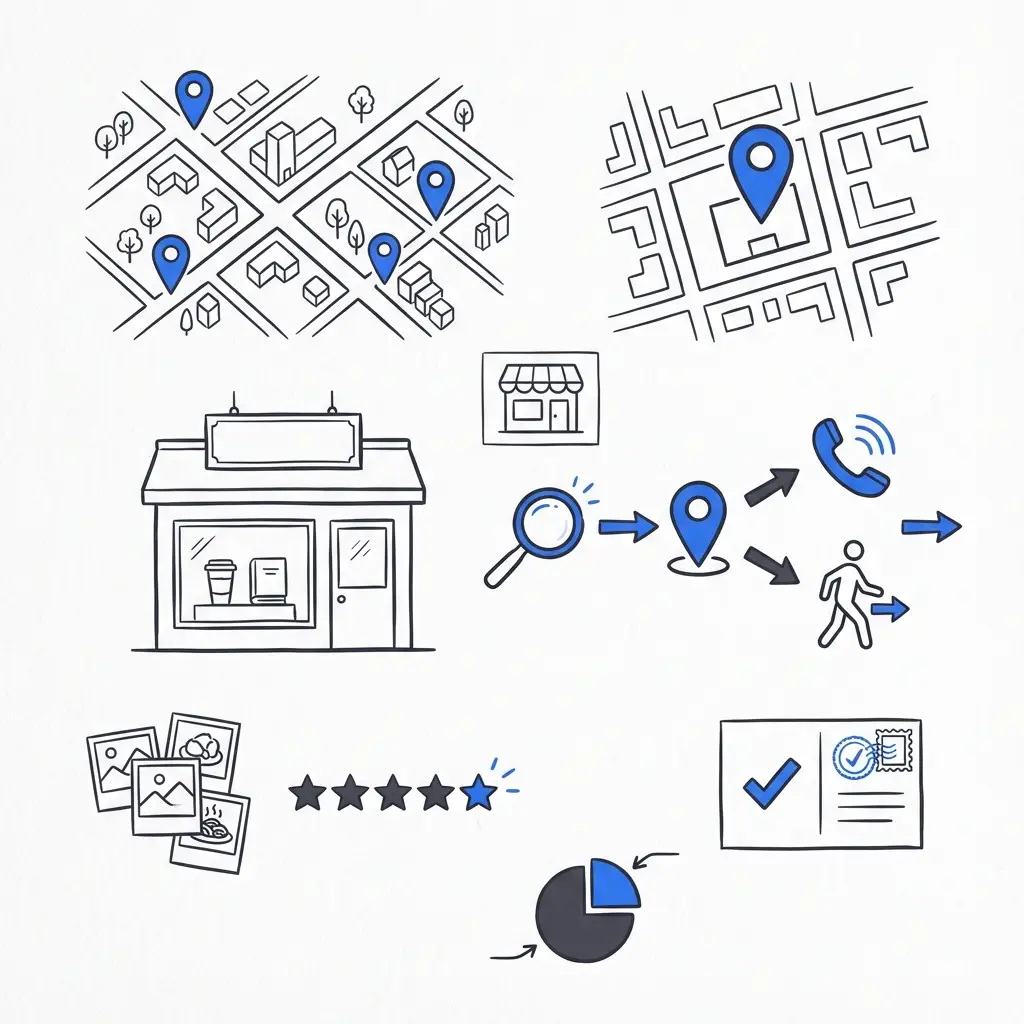
Does Google Ads work for local business?
Yes – but only when you treat campaigns like local tools, not magic shortcuts. Right at the start: local google ads are powerful because they capture people searching with urgent intent in a neighborhood context. This guide explains how to set them up, measure them, and turn clicks into paying customers.
Why local paid search still matters
When someone needs service right now, they usually grab their phone and search. That immediacy is what local google ads are built to capture. A search such as “emergency plumber near me” signals a near-term decision – and paid search puts your business in front of that person at the moment they’re ready to act. Over the last few years, data into 2024 and 2025 shows that local ad spend remains resilient because it drives immediate, measurable outcomes.
One practical way to get an experienced perspective is to reach out for a quick consult — for example, you can contact Agency VISIBLE to get a concise review of your local setup and conversion measurement.

Get a Practical Local Ads Audit
Need a focused, short audit? See our projects to review examples of local work or contact Agency VISIBLE for a brief consult to prioritise fixes and measurement.
Think of Google Ads as a faucet, not a magic bucket
If you imagine demand as a garden, local google ads are the tap that delivers water. Turn the tap toward the right root (the right keywords, locations and times) and you see growth; leave it loose and you waste water-and money. That simple metaphor helps teams remember that precision matters: tight geotargeting, relevant ad copy and focused landing pages move the needle more than broad experimentation without tracking.
Not necessarily. Small, well-targeted tests with tight geotargeting, ad scheduling and clear conversion tracking can produce meaningful signals. Start with a modest budget, focus on high-intent keywords and phone or appointment conversions, then scale when unit economics prove positive.
Which campaign types work best for local businesses (and why)
Each campaign type trades control for convenience. Knowing the strength of each option helps you pick the right tool for your conversion goal. (See a primer on how Google Ads work if you need a refresher.)
Search campaigns — control and intent
Search campaigns give you the most control over which keywords trigger ads and how much you bid. If your business relies on phone leads or form bookings, Search campaigns let you match ad copy to high-intent queries and prioritize the terms that deliver real calls and appointments.
Call-only campaigns — built for phone-driven businesses
Call-only campaigns remove friction by sending searchers straight to a phone call. For urgent services (locksmiths, emergency plumbers, tow trucks), these ads can dramatically increase the chance that a click turns into an immediate job.
Local campaigns and Performance Max — reach across channels
Local campaigns and Google’s Performance Max aim to drive store visits and omni-channel outcomes. They are great when you want broad reach across Search, Maps, Display and YouTube and when in-store traffic is your core objective. The trade-off: you hand more decision-making to Google’s automation.
Smart Campaigns — simplicity vs. sophistication
Smart Campaigns are tempting for small teams: they’re quick to set up and require little daily management. But that ease comes at the cost of reduced reporting nuance and less precise control. If you’re starting small and need a quick presence, Smart Campaigns can work — just plan to upgrade when you have conversion data to feed into more advanced strategies.
Measure what matters: conversions, not clicks
Clicks are tempting to celebrate but they’re not revenue. For local businesses the most valuable conversions are often offline: phone calls, booked appointments, store purchases and service requests.
Tools Google provides
Google Ads offers call conversion tracking, store visit estimates, enhanced conversions and the option to import offline conversions from your CRM or POS. Linking Google Ads with Google Analytics 4 (GA4) helps knit online activity to offline results. See Google Ads Help – new features for recent platform updates and measurement options.
Why you should triangulate measurements
Because privacy rules and aggregation thresholds can undercount conversions, it’s wise to compare multiple sources. If call-tracking shows a rise and your appointment log confirms it, you have a clearer picture. If Google’s store-visit estimates go up after a campaign and your POS registers a similar upturn, that alignment proves impact even if the absolute numbers differ.
Cost expectations and a realistic ROI framework
Cost varies by vertical and region, but a practical expectation helps you plan. Typical local-search CPCs in many U.S. service categories sit roughly between $1 and $8. Cost-per-lead depends on your definition: a simple intent call may run lower ($20–$60), while a booked appointment or highly qualified estimate request can climb ($80–$150+).
A simple ROI calculation you can do today
Work from unit economics. Ask two questions: how much gross profit does a paying customer bring in, and what percentage of leads become paying customers?
Example: if a paying customer generates $300 gross profit and one in six leads converts, you can afford up to $50 per lead (300 ÷ 6 = 50) before you break even. This is a simple but powerful way to decide if a campaign’s CPL is acceptable.
Small-budget moves that tend to pull weight
Not every business has a large ad budget. These focused moves often provide disproportionate value when money is tight:
- Tight geotargeting: target the neighborhoods or ZIP codes that actually produce customers.
- Ad scheduling: run ads only during your office hours or peak call times to improve lead quality.
- Location & call extensions: make it effortless to find your store or place a call.
- Conservative match types: use phrase and exact match for expensive keywords and narrow broad match.
- Negative keywords: exclude irrelevant searches that drain budget.
- Landing page relevance: fast pages with clear CTAs and local details convert far better than generic pages.
Landing page checklist for local campaigns
Make the page answer the searcher’s immediate question: include hours, an easy phone link, a visible address, trust signals (reviews, badges), and a clear next step (book now, call now). Keep it fast: mobile load time under three seconds is a good target.
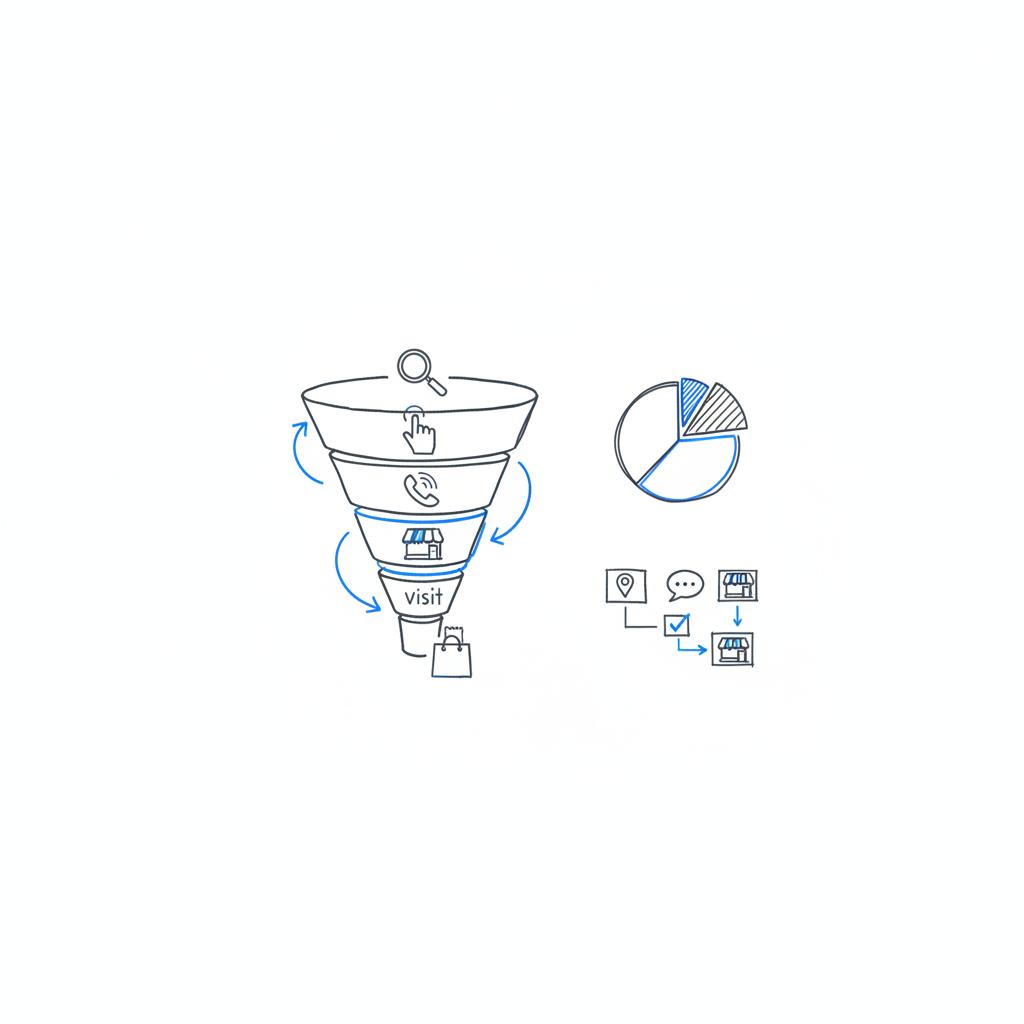
Common pitfalls that quietly erode ROI
These mistakes are common and costly:
1) Not tracking offline conversions
Many local businesses miss phone calls and in-store purchases in their reports. If you measure only online form fills, your reporting will understate the ads’ value.
2) Overly broad targeting
Loose geographic or keyword settings attract low-intent traffic.
3) Poor landing pages
Slow or confusing pages reduce conversion rates and waste clicks.
4) Treating Ads as a substitute for a strong local presence
Paid ads accelerate capture but a well-maintained Google Business Profile (GBP) and local SEO are essential for long-term credibility and lower-cost visibility.
Real-world example: the plumber who learned to measure
A small plumbing business ran ads and saw clicks but no obvious spike in paid leads. After we set up call conversion tracking and tagged incoming calls in their booking system, we matched tracked calls to actual jobs. Nearly a third of tracked calls became billable work within 48 hours, and those jobs converted at a higher rate than other channels. The missing piece had been attribution, not demand.
Testing: run small, measurable pilots
Start with a short pilot: define success (number of calls, booked appointments, or store visits), set a small budget and a time window, and compare multiple signals — Google’s reports, call logs, POS and booking calendars. If signals align, import offline conversions back into Google Ads so the system can learn what counts.
How to design a good test
Keep variables tight. Change one main thing at a time: bid strategy, creative, geotargeting or hours. Measure for a long enough period to account for week-to-week variance. Remember that early tests may underdeliver if conversion tracking is incomplete; fix tracking first.
When to pause and when to invest more
Pause if the campaign shows poor lead quality — not just low volume. Before pausing, try adjusting targeting, ad copy and landing pages. If measurement is incomplete, stop and fix it; spending without insight is risky. Increase budget methodically when unit economics are positive: leads convert to revenue at a profitable rate and the math supports scaling.
Seasonality, geography and vertical differences
Expect different outcomes depending on your business type and location. Emergency services and high-intent categories generally yield higher-quality leads. Urban markets tend to be more expensive than rural areas. Seasonal businesses must budget for peak months and accept slower mid-season performance.
Practical scripts and tracking tips for local teams
Here are quick, ready-to-use items your team can implement this week:
Call-tagging rule (simple)
When a customer calls from a tracked ad, staff should ask “May I ask how you heard about us?” and tag the call in the booking log with “Paid Search – Google Ads.” That simple habit converts calls into usable data.
Offline import workflow
- Export call and booking logs weekly.
- Match those entries to Google click IDs (GCLID) or use timestamp matching.
- Import conversions into Google Ads as offline conversions.
Doing this closes the loop and improves campaign learning.
Advanced bidding and automation, used wisely
Automated bidding strategies such as Target CPA, Maximize Conversions, or Target ROAS can work well once you have consistent conversion volume. But they require clean data. If your conversion tracking is noisy, automation will optimize toward confused signals. Use manual bidding or conservative automated strategies while you build data quality.
When to switch to conversion-focused bidding
Transition when you have enough conversion history (Google’s guidelines usually suggest 15–30 conversions in the last 30 days for many strategies) and your imported offline conversions are flowing reliably. Conversion-focused bidding can then help scale while preserving ROI.
Checklist: A simple setup process that reads like a short conversation
Step 1: Define a conversion — phone call, booked slot, register sale.
Step 2: Ensure you can log it consistently (call logs, appointment system, POS).
Step 3: Choose campaign type — Search or Call-only for phone-driven leads, Local or Performance Max for store visits.
Step 4: Run a small pilot with tight geotargeting and clear success metrics.
Step 5: Cross-check Google’s conversion report with your logs and import offline conversions.
Step 6: Tune and repeat.
Partnering with an agency: what to expect and what to avoid
If you work with an agency, expect an initial audit, a test phase and transparent measurement that links ads to revenue. Good agencies help implement tracking, import offline conversions and run experiments. They don’t create demand out of thin air; they align your settings to capture existing demand better.
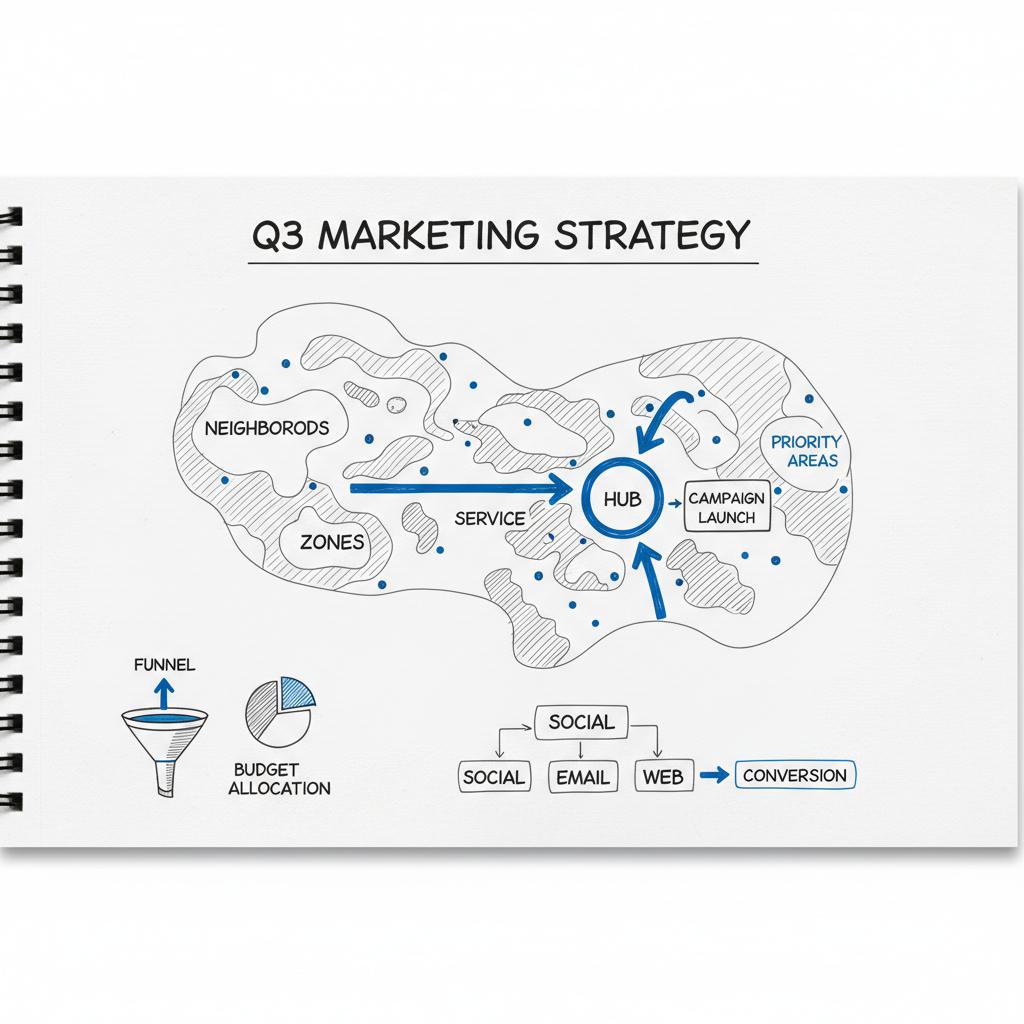
Agency VISIBLE focuses on practical measurement and modest testing — working with local businesses to set realistic budgets and clear economics. If you prefer a hands-on trial with an experienced partner, a short consult can help you prioritize fixes and get campaigns delivering sooner rather than later. A clear logo is a small trust signal for local customers. Agency VISIBLE
Common questions answered (briefly)
Does Google Ads work for local businesses? Yes — when campaigns are built around local intent and conversions are tracked.
How much will it cost per lead? Expect wide ranges. Local-search clicks often sit between $1 and $8. Leads frequently land in the $20–$150 range depending on what counts as a lead and how competitive the market is.
Which campaign should I use? Match the campaign to the action you want. Search for high-intent queries, Call-only for phone-driven businesses, Smart Campaigns if you need simplicity, Local or Performance Max for store visits.
Troubleshooting quick wins
If your campaigns are underperforming, try these prioritized fixes:
- Confirm call tracking works and staff tags calls.
- Apply negative keywords to remove irrelevant traffic.
- Shrink your geotargeting to core neighborhoods.
- Improve landing pages: clear CTA, local details and fast load times.
- Schedule ads for peak hours only.
Three quick examples of successful local adjustments
Example A — HVAC company: narrowed ads to ZIP codes within a 10-mile radius and used call-only ads during a heatwave. Result: higher-quality calls and higher close rates.
Example B — Dental clinic: switched to phrase/exact match on treatment queries, added appointment booking links, and tracked phone calls. Result: booked appointments rose and CPL dropped.
Example C — Coffee shop: used local ads and a weekday morning schedule to drive foot traffic; paired ads with a GBP post and a tracked redemption code. Result: store visits increased and staff reported more customers mentioning the promotion.
Balancing paid and organic local visibility
Paid ads deliver immediate capture; organic efforts (GBP, reviews, local SEO) build trust and lower cost over time. The best local marketing programs use both: paid for short-term capture and organic for long-term credibility.
Key metrics local businesses should watch
Beyond clicks, monitor these primary metrics: conversions (calls/bookings), conversion rate, cost-per-lead, lead-to-customer conversion rate, revenue per customer and ROI. Track trends week-over-week and month-over-month rather than overreacting to daily noise.
Final practical checklist you can use today
1) Define conversions clearly. 2) Implement call tracking and import offline conversions. 3) Start with tight geotargeting and ad scheduling. 4) Use negative keywords liberally. 5) Test one variable at a time. 6) Triangulate signals (Google reports, POS and booking logs). 7) Scale only when unit economics are proven.
Parting practical thought
Local advertising isn’t magic — it’s methodical. When you align campaigns with how customers search and buy, and when you measure honestly, local google ads can produce reliable, profitable outcomes for shops, clinics and service providers. Take small tests, build tracking, and let the data guide you.
Budget depends on your market and goals. For many small local businesses, a modest test budget of $500–$1,500 over a month can show whether local google ads generate meaningful leads. In competitive metro areas you may need more; in smaller towns a smaller budget can still deliver good signal. Always match budget to expected cost-per-lead using your own unit economics before scaling.
For local businesses the most valuable conversions are often offline: phone calls, booked appointments and store purchases. Use call conversion tracking, appointment logs and POS data — and import those offline conversions back into Google Ads when possible — so you’re optimizing toward real revenue rather than just clicks.
Yes. A good agency will run an initial audit, implement call tracking and offline conversion imports, run a short test, and compare Google’s signals with your internal data. Agencies like Agency VISIBLE focus on practical measurement and modest testing so you see what truly moves revenue in your market.