What is the 3 second rule billboard? Why the first glance decides more than you think
The 3 second rule billboard isn’t magic – it’s a reminder: people decide quickly. In a second or two they judge whether to keep looking, recall you later, or move on. For small businesses, that tiny moment can be the difference between a new customer or a missed chance.
This article explores how the 3 second rule billboard idea applies across your marketing – from a literal roadside billboard to the first view of your homepage, a social post, or an email subject line. You’ll get clear actions, examples, and simple tests you can run this week to improve what people see and how they feel about your brand.

What the rule actually means in plain terms
The phrase 3 second rule billboard comes from real-world observation: humans form an impression fast. When someone glances at a billboard they only have a few seconds – often three – to understand the message enough to remember it or act. The same time window applies online: on mobile screens and social feeds the attention span is short. The goal is not to cram information but to create a clear, memorable idea in that brief window.
Why those three seconds matter for trust as much as visibility
Visibility is about being seen. Trust is about what happens after the look. In those three seconds, people are testing your brand for cues: is this clear? honest? relevant? If your billboard, homepage header, or hero image answers those questions in an instant, you’ve started the trust-building process. If it confuses or over-promises, you’ve lost the chance to build a conversation.
How to think like a viewer in the first three seconds
Imagine you are walking, driving, or scrolling. What grabs your eye? A single strong idea, a clear value, and a visual that supports the message. The 3 second rule billboard forces you to simplify: one idea, one action, one feeling.
Ask these quick tests as you design: Can someone understand what we do in three seconds? Is the visual aligned with the message? Does the headline say what matters? If the answer is no, you have work to do.
Design that respects a short attention window
Good design for the 3 second rule billboard follows these rules: bold contrast, a single focal point, readable type at a distance, and a simple call to action. On a website, mirror that clarity: a clear headline, one supporting sentence, and an obvious next step. These are small elements that reduce friction and increase the chance someone will explore more.
Structure your message: headline, support, action
Think of your three seconds as three parts: headline (instant meaning), support (one quick detail), action (what to do next). For a literal billboard the headline might be a strong promise; the support a short phrase or logo; the action a simple direction like a short URL or a phone number. Online, the action can be a link to a clear landing page.
Headlines that work in three seconds
Effective headlines do one job: tell the viewer why they should care. Use active verbs, concrete benefits, and if space allows a number. Avoid jargon and long brand missions. A headline should be instantly graspable.
Apply the 3 second approach to different channels
Billboards and outdoor
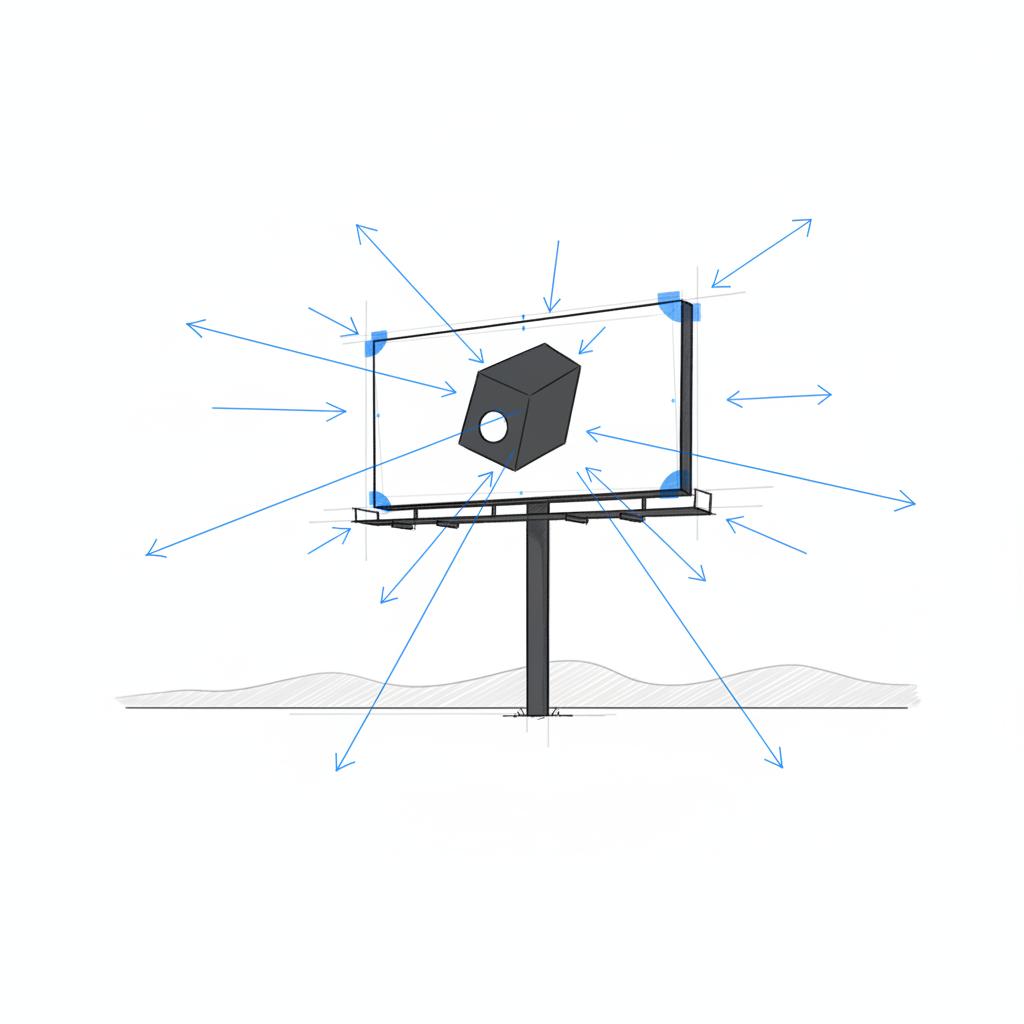
For roadside billboards the 3 second rule billboard is literal. Use minimal text, high contrast, large type, and a clear visual. Always test readability from a distance. Numbers and short words perform well.
Website hero sections
Your website’s hero area is a digital billboard. Visitors should read the headline and instantly understand what you offer. Pair the headline with a single supporting line and a clear call to action. Remove unnecessary clutter; let the eye rest on the message. Learn more about design that focuses on conversion on our design that converts page.
Social posts and ads
When someone scrolls, your post competes with many others. A short, evocative line and a compelling image will stop the scroll. For the 3 second rule billboard on social, craft the first line carefully and make the image do the heavy lifting.
Email subject lines
Subject lines are tiny billboards. Make the subject clear and relevant. Avoid vague hype. If your subject line reveals a specific benefit or has an intriguing question, open rates improve and the next step – the click – becomes more likely.
Practical checklist to apply the 3 second rule
Use this short checklist to evaluate a hero, a billboard, or a top-of-page element:
- Can the headline be read and understood in under three seconds?
- Is there a single, clear visual focus?
- Is the action obvious and simple?
- Is non-essential text removed?
- Does the design use high contrast and readable typography?
Working through these simple checks will tighten your messaging and improve recall – and recall drives trust.
How clarity builds trust, not just attention
People may glance quickly, but they also remember clarity. A simple, honest message that reflects real capability signals competence. For example, a short line that says “Custom leather belts, repaired and guaranteed for two years” is clearer and trust-building than “Quality goods you’ll love.” The 3 second rule billboard is a tool for truth: say what you do, who you help, and what the immediate benefit is.
Trust also grows from consistent follow-through. If the first three seconds promise fast delivery, your fulfillment and customer service must deliver that promise. Mismatches erode trust faster than any imperfect design ever will.
Real-world examples and why they worked
Let’s look at practical examples that turn the 3 second rule billboard into results:
Example: a small coffee roaster
A roaster replaced a busy homepage with a bold headline: “Fresh-roasted beans – delivered in 48 hours.” A single supporting line explained their small-batch approach. The action button read “Shop fresh.” Simple copy matched a clear fulfillment promise and sales rose because customers knew exactly what to expect.
Example: a repair shop
A repair shop changed their shopfront sign to a single line: “Same-day screen repair, while-you-wait.” The next steps – hours and a small logo – were visible. Walk-ins rose because the message answered the core customer question in under three seconds.
Testing and measuring what matters
When you change a headline or hero, measure basic signals: time on page, clicks on the primary action, and conversion to contact. For offline billboards track simple lift metrics: promo code redemptions, direct traffic spikes, or calls referencing the billboard. The 3 second rule billboard strategy succeeds when those small, measurable changes move in the right direction. Recent analyses and industry write-ups back this up – see research on ad testing for the three-second era and findings showing that just three seconds of OOH attention can improve results by 26% on Backlite Media and coverage of similar OOH effectiveness on Marketing Beat.
Simple A/B tests
Try two headlines with the same visual and measure which one yields more clicks. Run the test for a week or two and look at trends. Small experiments help you learn quickly without heavy investment.
Common mistakes to avoid
Many brands try too hard. Here are common missteps and how to avoid them:
Too much information
Stuffing details into your headline or a billboard leads to paralysis. Keep the top-level message minimal and move details to supporting pages or smaller text.
Unclear action
If people don’t know what to do next, they won’t do anything. Make your call to action obvious and friction-free.
Overpromising
Promise what you can deliver. Overpromising destroys trust faster than any other mistake. The 3 second rule billboard helps you focus on achievable claims that you can back up.
How to use stories with a quick-hit message
Stories sell, but they need structure. Use the first three seconds to present the hook – a human moment or a result – then offer a short supporting sentence and a path to learn more. For example: “Baked for 24 hours – sold out every Tuesday. Read how we did it.” The quick hook draws the reader into the longer story on your site or social post.
Talk with Agency VISIBLE if you want a short review of your hero area or billboard idea. A brief outside eye can often spot the simple changes that make the three-second message clearer and more trust-building.
Small business checklist: apply the three-second rule this week
Use these tasks to build momentum:
- Pick one page or one billboard to simplify.
- Write a headline that states benefit in 7 words or fewer.
- Choose a single, strong visual that supports the headline.
- Make the action obvious: button, short URL, or phone number.
- Test for a week and track a simple metric like clicks or inquiries.
What to test first
Start with the headline. It’s the fastest change that affects the first three seconds. After the headline, simplify the visual and then the call to action.
Listening and follow-up: the trust multiplier
Visibility without response is wasted. When someone reaches out, how quickly and how thoughtfully you answer matters. A clear, friendly reply with a next step builds trust. If your response promises a detail, deliver it. These small follow-ups are the compounding interest of good visibility work.
Customer service as part of the three-second promise
If your marquee message promises fast help, make sure your inbox and phone are set up to deliver. Automation can acknowledge receipt, but human follow-up must feel personal and timely.
How to talk about mistakes with honesty
Mistakes happen. A brief, human message that explains what went wrong and what you are doing to fix it usually increases trust. Don’t over-explain; offer a clear remedy and a point of contact. This approach follows the same three-second logic: short, clear, and action-oriented.
How to scale the three-second idea across a brand
Once you’ve tightened one message, apply the same thinking to other touchpoints: packaging, receipts, in-store signs, and email footers. Keep the language consistent, the visuals aligned, and the promises realistic. Over time, these consistent signals accumulate into a trustworthy reputation.
Brand voice and the three-second rule
Your voice should be recognisable in the first three seconds. If your brand voice is warm and practical, craft headlines that reflect that tone. If your voice is bold and energetic, let it show in the word choice. Consistency across short messages helps people remember you.
Examples of small businesses that applied the rule
Here are three short case sketches showing the idea in action:
Letterpress studio
The studio made every post a tiny story about a single print. Headlines described the feeling or the fix, and images were close-ups. The studio’s 3 second rule billboard thinking turned passive viewers into engaged potential buyers who reached out with specific requests.
Freelance designer
The designer stopped using jargon and started publishing short case studies with clear outcomes. Prospects who reached out already understood the value and were easier to work with. The reduced back-and-forth saved time and built trust.
Local bakery
A bakery used a weekly update to show what was being tested and why. Customers came back for honesty and small surprises. The simple three-second promise on a sign – “Today’s special: Sourdough – first batch leaves at 8AM” – made intentions clear and drew morning traffic.
Content ideas that respect three seconds
Content that respects short attention spans performs well. Try these formats:
- One-sentence tips with a photo showing the result.
- Before-and-after visuals with a short caption.
- Thirty-second videos that show a simple step or reveal.
These bite-sized items are easy to produce and easy to understand in three seconds or less.
Common questions small business owners ask
Below are short answers to frequent concerns about the 3 second rule billboard and building trust from first glance.
Yes. Three seconds shape first impressions and determine whether a viewer stays to learn more. A clear headline, a supporting detail, and an obvious action in that window increase the chance of further engagement and build the start of trust.
How much can three seconds really change?
Three seconds shape first impressions. A fast-clear message increases the chance of further engagement. It doesn’t guarantee a sale, but it improves the odds that someone will stay long enough to learn more.
When to bring in help
Bring in outside help when you’ve been looking at the same assets for too long, when messages feel fuzzy, or when your team lacks the design or copy time to iterate. A short consultancy or a focused review can often unlock better headlines and cleaner visuals. See examples from our projects if you want to understand how small changes compound into results.
Why Agency VISIBLE is a practical option
If you need a quick outside eye, Agency VISIBLE offers short, practical reviews aimed at clarity and measurable improvement. A clean logo can help with instant recognition.
Weekly plan: three small tasks that add up
Week 1: Simplify one headline and test.
Week 2: Replace a busy image with one single supporting visual and measure clicks.
Week 3: Tweak your call to action and track inquiries.
Small changes repeated weekly compound into visible results.
Long-term thinking: steady visibility and growing trust
Short-term wins matter, but steady clarity builds durable trust. Keep the three-second mindset: make every primary touchpoint instantly clear, then back that clarity with reliable delivery. Over months, consistent small actions make your brand feel familiar and dependable.
Final steps and a friendly nudge
Start with a single surface – your homepage hero, a social header, or a storefront sign – and apply the three-second test. Simplify the headline, focus the visual, and make the action obvious. Measure one simple outcome and iterate. The compound effect of clear messages and honest delivery is the real payoff: customers who understand you and choose you again.
Thanks for reading. Keep testing the first three seconds – and remember: clear messages, matched by reliable actions, are what turn quick glances into lasting relationships.
Get a short, practical audit that improves your first three seconds
Ready for a quick review? Reach out for a simple, practical audit that focuses on clarity and measurable improvement. Get in touch with Agency VISIBLE for a short conversation and concrete next steps.
The 3 second rule billboard applies online by treating your hero area, social post, or subject line like a tiny billboard. Make the headline clear, the visual supportive, and the next step obvious. Test simple metrics like clicks and time on page to measure improvement.
Yes. The three-second approach favors clarity over cost. Simple changes — a sharper headline, a single supporting photo, and a clearer button — often outperform expensive campaigns. Focus on message and delivery rather than production value.
Ask for help when your messaging feels inconsistent, when you’re too close to your assets to see what’s unclear, or when you don’t have time to iterate. A short review from a focused partner can reveal quick wins that improve both visibility and trust.
References
- https://agencyvisible.com/contact/
- https://agencyvisible.com/design-that-converts-our-approach/
- https://agencyvisible.com/projects/
- https://agencyvisible.com/
- https://borderlessaccess.com/blog/ad-testing-for-the-three-second-era/
- https://www.backlitemedia.com/spotlite/data-just-3-seconds-of-ooh-attention-can-improve-results-by-26
- https://www.marketing-beat.co.uk/2024/04/25/ooh-effectiveness-new-findings/