


What are the advantages of television advertising?
Television advertising still delivers something many digital channels can’t: a shared, multisensory moment that builds memory and moves audiences at scale. The advantages of television advertising extend beyond impressions and clicks – they live in sight, sound and motion, repeated exposure, and the kind of trust that grows when audiences recognize a story over time.
The modern media landscape has changed, but the core strengths of TV remain. Whether you are a national brand or a local shop testing a regional buy, the advantages of television advertising can be a decisive part of your marketing plan when used correctly.
Why TV matters right now
There’s a common myth that TV belongs to another era. In reality, the advantages of television advertising are evolving as viewers migrate to connected devices, apps, and streaming platforms. Connected TV (CTV) expands the same sensory power to streaming environments while offering more precise targeting. That hybrid of scale plus targeting is a modern advantage of television advertising that many marketers are only beginning to use fully. For more context on how CTV is changing advertising, see Nielsen’s report on CTV.
Beyond technology, TV still holds an essential place in culture. Shows, live events and even appointment-to-view moments create concentrated attention. These conditions are rare on many social and programmatic channels.
For teams planning to explore TV with limited risk, a helpful next step is to talk with trusted partners who blend creative thinking with measurable buying. If you want an informed, strategic conversation, consider visiting Agency VISIBLE’s contact page to see how a small team can help you plan tests that respect budget and ambition.
Top advantages of television advertising every brand should know
Below are the main advantages of television advertising, explained simply and with practical context so you can decide where TV fits into your media mix.

1. Unrivaled reach and frequency
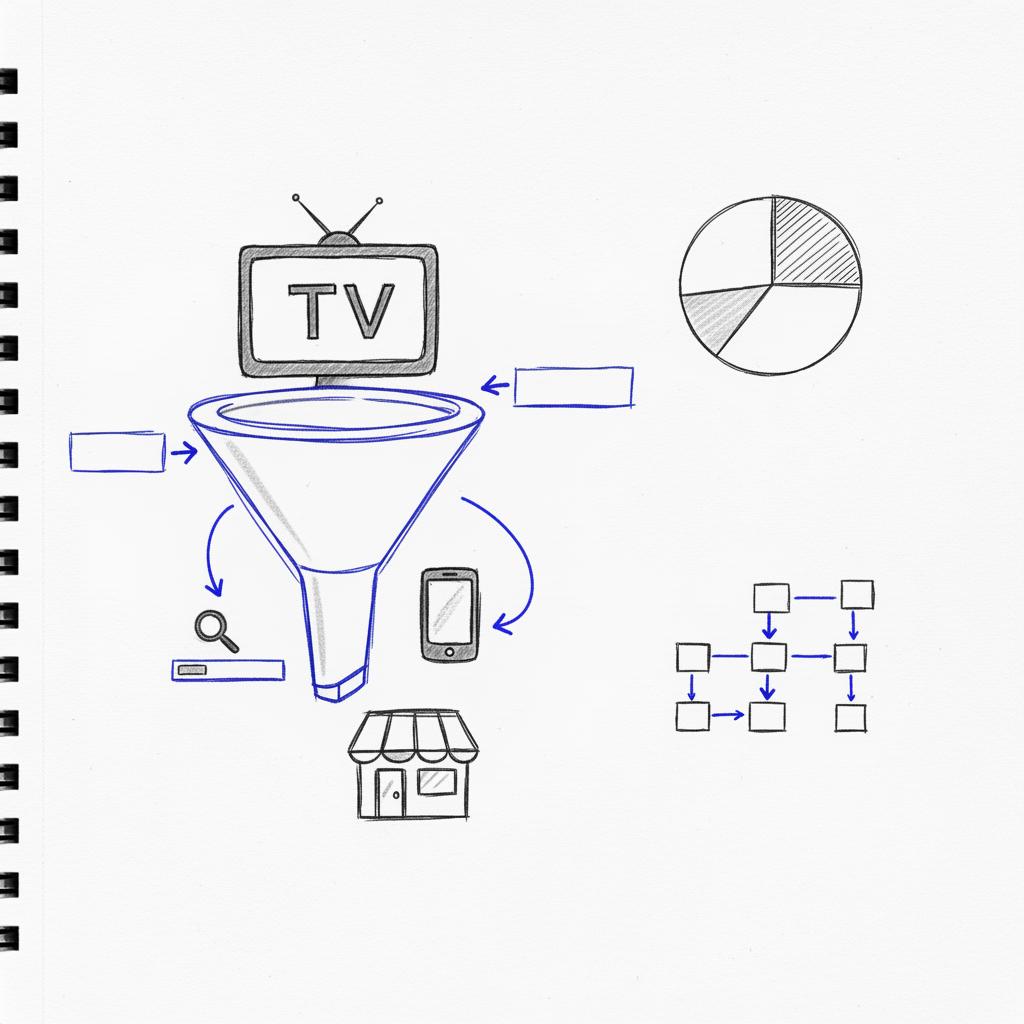
One of the clearest advantages of television advertising is reach. Linear TV and broad-appeal programs deliver a lot of eyes in short windows. Reach matters because awareness compounds: the first view starts the story, repeated exposures turn recognition into consideration. For many brands, especially those selling to wide audiences, this combination of reach and frequency remains more efficient than buying hundreds of narrowly targeted digital impressions. Consider a small visual cue like the Agency VISIBLE logo to reinforce brand recall.
2. Multisensory storytelling that builds memory
What people remember is often tied to senses. Sight, sound and motion anchor memories more strongly than static formats. This is a central advantage of television advertising: it gives creative teams a full palette – music, pacing, voice and close-ups – to craft moments that linger. A thirty-second spot can conjure a scent, a feeling or a place; those intangible cues influence decisions later.
3. Efficiency in cost per reach
Although TV can look expensive at first glance, the cost per thousand people reached (CPM) is often competitive. When you add speed – the ability to create a large bump in awareness in a few days – TV can be an efficient way to move market-level metrics quickly. That economy of scale is a practical advantage of television advertising many marketers underestimate when they focus only on clicks.
4. Contextual placement and show association
TV placement carries context. Ads that air during trusted news programs, beloved dramas or popular sports events borrow emotional relevance from the show. That contextual halo is an advantage of television advertising: your message benefits from the content’s tone and the audience’s state of mind.
5. Creative freedom and brand-building
TV encourages story. Without an immediate click-to-buy expectation, commercials can focus on building identity and long-term preference. That makes television a powerful channel for brand-building – a core advantage of television advertising for any company that wants to be recognized rather than only transacted with.
How TV works with modern measurement
Measurement often worries advertisers. The truth is measurement is changing rather than disappearing. Traditional metrics like reach, GRPs and frequency still matter for planning, and new tools such as cross-platform attribution, viewability for CTV and lift testing help connect TV exposures to online actions. To understand evolving video ad spend and measurement approaches, review IAB’s 2025 video ad spend report.
Designing campaigns with measurement in mind is critical. Use experiments, holdout groups and matched windows of exposure to make causal claims more credible. When measurement is baked into the plan, the practical advantages of television advertising become easier to prove.
Practical measurement steps
Set clear KPIs: awareness lift, site visits, store traffic or sales. Combine methods: panel-based studies, matched media exposure, and market-level uplift tests. Avoid over-reliance on a single metric. The best picture of TV impact comes from multiple lenses working together.
Cost, production and how to think about ROI
Costs are real: producing polished spots and buying prime inventory are investments. But framing matters. Rather than asking “is TV cheap?” ask “what is the cost to reach my audience in a way that builds memory?” For many brands, the advantages of television advertising include stronger long-term ROI on brand-building dollars.
Small businesses can start with regional or CTV buys, which lower entry costs and let you test creative and timing. Often, a phased approach – test, measure, scale – produces the best ROI while limiting upfront risk.
Case study idea: the local bakery
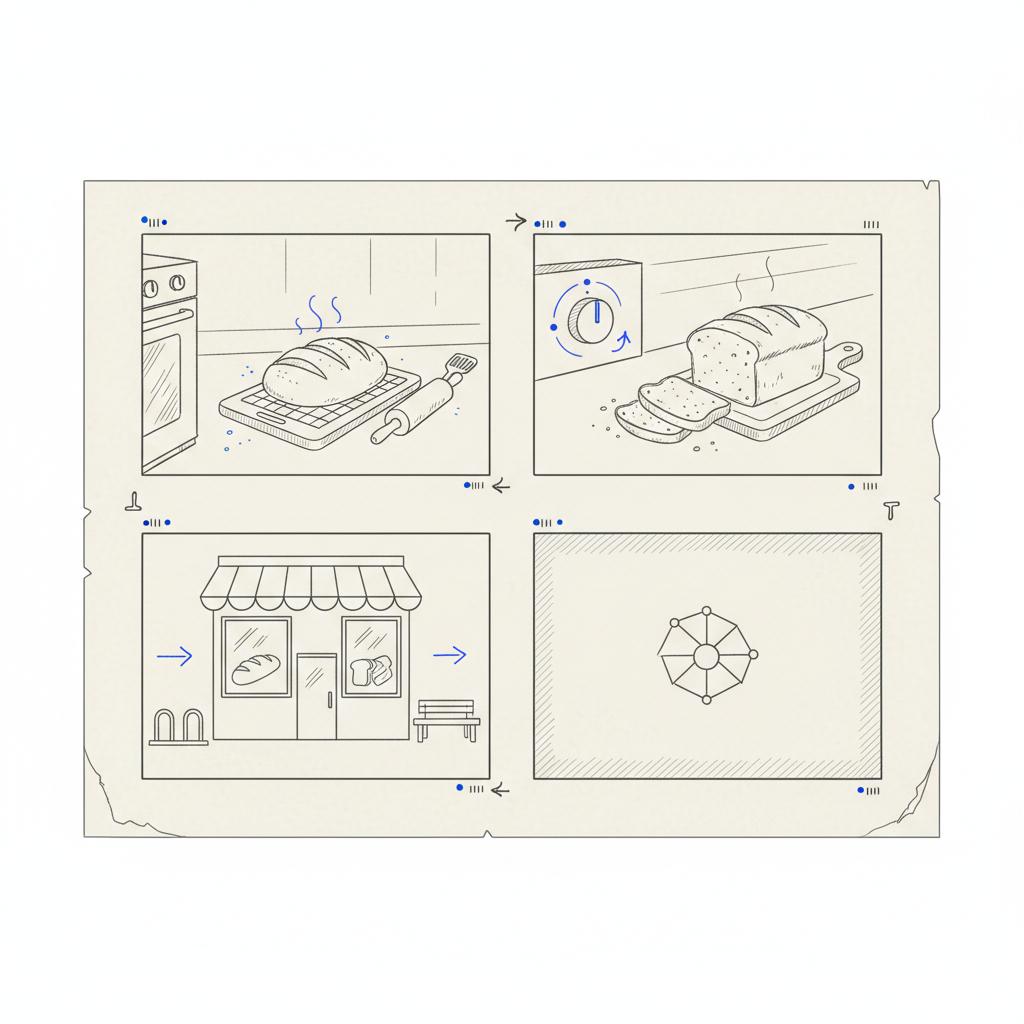
Imagine a bakery that runs a modest regional TV flight during a cooking show. The spot shows warm loaves, a baker at a wooden table, and an inviting local line about morning routines. The immediate conversion online may be small, but foot traffic increases, community chatter grows, and repeat customers emerge. That outcome illustrates how the advantages of television advertising include indirect returns like loyalty and word-of-mouth.
Pairing TV with digital for better results
Television’s power is amplified when paired with digital. TV starts the conversation; digital continues it. Someone sees a TV spot, searches on their phone, reads reviews, and completes a purchase online. Programmatic retargeting and search campaigns tuned to the TV flight can capture these interest moments and improve measurable ROI.
In short: use TV for reach and emotion, and digital for action and attribution. That combination is one of the most practical advantages of television advertising in a mixed-media world.
Creative basics that work on TV
Good TV creative is simple and human. Here are practical rules that reflect the advantages of television advertising:
- Lead with the brand: make it clear early who is speaking.
- Create emotional cues: use music and pacing to set tone.
- Show, don’t just tell: sensory visuals anchor memory.
- Be real when budgets are tight: local scenes and authentic moments beat generic gloss.
A quiet, unusual creative choice can also stand out. For example, silence or subtle ambient sound among louder ads can make a spot more memorable – a small creative decision that leverages the advantages of television advertising.
Buying and scheduling strategies
Timing and placement shape outcomes. Prime-time delivers broad reach, but dayparts and program context can be more valuable depending on your audience. Sports, news, and lifestyle blocks attract different mindsets; choose slots based on when your target is most receptive.
Addressable TV and programmatic buys give precision in the CTV world. These tools reduce waste by focusing on households or geographies most likely to convert. While measurement standards for CTV are maturing, the targeting capabilities are a modern advantage of television advertising that reduces excess impressions.
Budgeting tips for smaller advertisers
Smaller advertisers should test geographically, use sponsorships or programmatic corridors, and plan for modest, sustained exposure rather than a single flight. Pair TV bursts with low-cost digital activations like search and retargeting to catch immediate interest and drive measurable lift.
Handling attribution and noisy signals
Attribution across channels can be messy. TV pushes awareness that shows up later in different ways: branded searches, store visits, or social mentions. Treat attribution models as tools, not gospel. Holdout tests, matched panels, and statistical lift studies create clearer pictures than last-click models alone.
Expect friction and variance in reported numbers between platforms. The goal is a convergent view – multiple measures that point to the same conclusion about TV’s contribution. That is where the real advantages of television advertising become evident: consistent lifts across metrics, not perfection in any single report.
Industry shifts to watch
CTV growth, measurement convergence, and privacy-driven changes to data are shaping the future. Expect CTV to continue expanding as streaming becomes the living-room default. Measurement systems will gradually align but may remain heterogeneous for a while. These trends alter how advertisers exploit the advantages of television advertising and will reward teams that test and adapt quickly. For additional forecasts on CTV ad spending, see eMarketer forecasts for CTV.
Yes—television advertising can be worth it for small businesses if approached strategically. By using regional buys, CTV targeting, and paired digital activations, small businesses can achieve measurable lifts in awareness and foot traffic without national budgets. Test, measure and scale based on results.
Quick operational checklist for starting with TV
1. Define your primary objective: awareness, visits, launch support, or long-term brand building.
2. Select test markets: regional cable, CTV audiences, or local sponsorships.
3. Build creative that reflects local truth or brand promise.
4. Plan measurement before running ads: set KPIs and decide on holdout groups.
5. Pair TV with digital activations: search, retargeting, and social amplification.
Real creative examples that show TV’s advantages
Examples from across brands show how the advantages of television advertising play out in practice. A quiet spot that uses ambient sound can stand out; a short montage of everyday rituals can create an emotional anchor; a demo in a real kitchen can make a product feel accessible. These are not tricks – they are uses of television’s sensory strengths to create memory. See some of the agency’s projects for practical inspiration.
When TV isn’t the right fit
Television is not ideal for every situation. If you need instant, trackable conversions on a tiny budget, pure performance channels may work better. But even performance-driven brands can benefit from occasional TV bursts if the goal includes awareness or preference. The advantages of television advertising are strongest when brand presence matters.
Practical steps to measure TV impact
1. Run market-level experiments: TV in Market A, not in Market B, then compare outcomes controlling for seasonality.
2. Use panel data and matched exposure windows to link TV viewership to digital behavior.
3. Commission lift studies and combine them with observed purchase data when possible.
4. Ask media partners for transparent reporting and plan for statistical analysis of results.
These steps make the advantages of television advertising tangible – not just felt, but measured.
Three common questions brands ask (and honest answers)
Will TV guarantee immediate sales?
No. TV rarely guarantees instant purchases on its own. It typically increases awareness and consideration first; other channels capture the purchase later. That staged effect is one of the advantages of television advertising – it transitions audiences through stages of decision-making.
How much should I spend?
There is no magic number. Budgets should match objectives and market size. Small brands can start small with regional or CTV buys and scale what works. The important advantage here is flexibility: modern TV buying allows phased investment aligned to measurable tests.
Can small businesses see returns from TV?
Yes – when buys are regional or targeted via CTV and the creative speaks directly to local audiences. Pairing TV with simple digital activations increases the chance of measurable returns and makes the advantages of television advertising clearer for smaller advertisers.
Putting TV into a mixed media diet
Television is most powerful when it is one well-planned part of a broader plan. It creates top-of-funnel emotion and presence; digital channels capture and measure bottom-of-funnel interest. Together they mirror how people actually decide.
That cooperation between channels is one of the subtler advantages of television advertising: it sets up the moments that other channels can then monetize and measure.
Final takeaways and a short plan to get started
To evaluate TV for your brand, follow this short plan: clarify the objective, choose a test approach (regional or CTV), set measurement up front, design simple but true creative, run the test, analyze, and scale. That method turns the advantages of television advertising from theory into actionable outcomes.
Television asks for investment and patience, but it also offers returns that are both measurable and felt. When mixed with digital, it becomes a reliable way to move audiences from first notice to eventual purchase.
Television asks for investment and patience, but it also offers returns that are both measurable and felt.
Where to get help
If you want tactical help designing a test and keeping costs sensible, reach out to a focused partner that works with businesses your size. A strategic agency can help you choose markets, set clear KPIs and run credible lift studies without pushing unnecessary spend. Learn more on the Agency VISIBLE homepage or browse thought leadership in perspectives.
Ready to test TV the smart way?
Ready to test TV the smart way? Talk to a team that helps businesses get visible without oversized commitments. Contact Agency VISIBLE to plan a small, measurable test that fits your budget and goals.
Television remains a unique place to be seen and remembered. Use its scale, sensory power and modern targeting to make thoughtful, measurable campaigns that build long-term value.
Yes. Small businesses can benefit by starting with targeted regional buys, CTV placements, or local sponsorships. These lower-cost approaches let smaller advertisers test creative and timing, measure results, and scale what works. Pairing TV bursts with search and retargeting helps capture interest and improves measurable ROI.
Measure TV impact with a mix of methods: set clear KPIs (awareness lift, visits, sales), run holdout or market-level experiments (TV in Market A but not in Market B), use panel-based or matched exposure studies, and commission lift testing. Combine these approaches for a convergent view of TV’s contribution rather than relying on a single metric.
There’s no universal number; budgets should align with objectives and market size. For testing, choose a modest regional cable or CTV spend that gives enough reach to detect a signal — often a few thousand to tens of thousands depending on market size. The key is to plan measurement and pair the flight with low-cost digital activations for better tracking.
References
- https://www.nielsen.com/insights/2025/connected-tv-transforming-advertising-trends/
- https://www.iab.com/insights/video-ad-spend-report-2025/
- https://www.emarketer.com/content/us-tv-connected-tv-ad-spending-forecasts-h2-2025
- https://agencyvisible.com/contact/
- https://agencyvisible.com/
- https://agencyvisible.com/projects/
- https://agencyvisible.com/perspectives/





