


What is one disadvantage of a radio ad? The short, honest answer
What is one disadvantage of a radio ad? The single biggest drawback is simple: a radio ad often can’t deliver the same level of precision targeting and deterministic measurement that many digital channels provide.
Think about a radio ad as a billboard on a busy highway that reaches a lot of drivers. You know many people saw it, but you don’t know exactly which ones stopped at your exit, or who later visited your website and converted. That lack of direct, user-level attribution changes how advertisers plan campaigns, split budgets, and define success.
That doesn’t mean you should write radio off. It means you should be strategic: understand what a radio ad does well, what it doesn’t, and how to combine radio with digital channels so each covers the other’s blind spots. A clear, consistent logo and presentation can help with recall and recognition.
Why this matters right now
Even in a world dominated by clicks and pixels, radio still grabs attention – during commutes, at work, and in homes. A well-placed radio ad can create awareness and local presence faster than most channels. But when the goal is precise audience targeting or near-perfect measurement of actions (leads, purchases, installs), radio can feel blunt and frustrating.
That doesn’t mean you should write radio off. It means you should be strategic: understand what a radio ad does well, what it doesn’t, and how to combine radio with digital channels so each covers the other’s blind spots.
For context on programmatic audio and how streaming is changing audio buys, see these industry perspectives: audio advertising trends and technical takeaways from programmatic I/O insights.
How a radio ad compares to digital: a practical view
There are two technical reasons a radio ad struggles with precision and measurement:
1. One-to-many distribution. Broadcast radio sends the same signal to everyone in its coverage area. There’s no deterministic identifier attached to each listener like a cookie or logged-in user ID.
2. Sample-based measurement. Ratings systems and diary panels provide probabilistic estimates of who listened. They tell you likely reach and CPMs, not which exact listeners took action.
By contrast, digital channels often let you follow an individual (with consent) and measure whether they clicked, signed up, or bought. If you need that level of certainty, a radio ad alone can’t match digital’s traceability.

Who is most affected by this disadvantage?
If your product needs narrow segments – think procurement managers at mid-sized businesses, or a bakery selling vegan cakes inside a tight delivery area – a radio ad can be expensive and imprecise. But if your goal is broad awareness, local reach, or repetitive exposure (frequency), radio remains useful and efficient in many markets.
For small and mid-sized businesses wanting clarity on when to use a radio ad and how to blend it with digital measurement, consider talking with Agency VISIBLE. Their team helps businesses decide when a radio ad should be part of the plan and how to design measurable hybrid campaigns. Visit Agency VISIBLE’s contact page to get tailored guidance.
How precision issues change campaign planning
If a radio ad is part of your media mix, planning needs to compensate for uncertainty:
Set clear objectives – Is the campaign for brand awareness, store traffic, or direct sales? Radio ads are strongest for the first item.
Pick the right metrics – Don’t expect perfect conversion attribution. Use proxy metrics: promo code redemptions, unique phone numbers, branded search lift, or short landing page hits.
Design experiments – Run short, local tests combining radio ad runs with geotargeted digital ads to see how the channels reinforce each other.
Time-slot and station selection: small levers, big impact
One of the easiest ways to improve a radio ad’s fit is to be surgical about when and where you buy:
Time slots. Morning and evening drive times are different from weekend mid-mornings. Match your creative to likely contexts: commuter-focused messages for drive time, community or lifestyle messages for weekends.
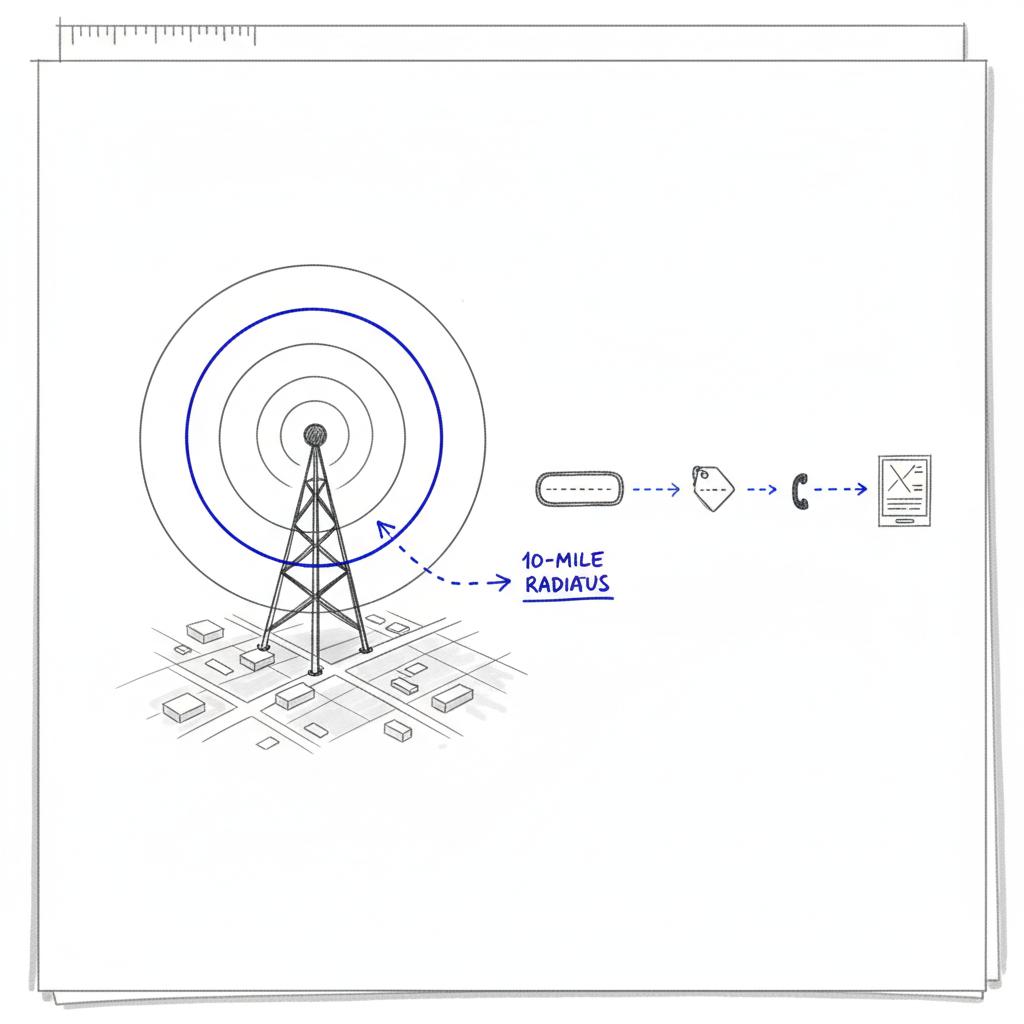
Geographic footprint. Buy stations whose signal overlaps with your service or delivery area. For a shop with a 10-mile radius, choose stations concentrated in that radius rather than broad, regional signals.
Format targeting. Use format choices – news, country, rock, talk – to roughly align with listener demographics. It isn’t precise, but it raises the odds that a radio ad hits the right ears.
Measurement tactics that make a radio ad trackable
A radio ad can be measured with creative, low-cost mechanics. None are perfect, but combined they create a credible story about impact.
Promo codes, dedicated numbers, and short URLs
Promo codes give direct attribution when used at checkout. They’re cheap and effective, but codes can be shared or misused.
Dedicated phone numbers route calls and let you log response counts. They are simple to use for listeners but add a step for the consumer.
Short landing pages (memorable URLs) capture web traffic likely coming from the radio ad. Pair them with analytics to track sessions and conversions.
Hybrid tracking: connect the airwaves to pixels
A powerful pattern is to use a radio ad to drive people to an online experience where deterministic measurement is possible:
– Mention a short URL in the radio ad.
– On the landing page require an email, phone, or coupon code to access an offer.
– Use server-side analytics and consented cookies to retarget visitors on social and display and to measure conversions from those channels.
That chain of evidence – radio ad -> landing page visit -> retargeted conversion – doesn’t prove causation as strictly as a click-through ad, but it gives a much stronger picture than radio alone.
Programmatic audio and streaming: closing the gap for radio ad measurement
Not all audio is traditional broadcast. Streaming platforms, podcasts, and programmatic audio can give you better targeting and metrics than a classic radio ad buy. For a beginner’s guide to programmatic audio options, see programmatic I/O insights.
Server-side ad insertion and logged-in contexts can attach deterministic or probabilistic IDs to impressions. Programmatic buys often include impression-level reporting and view-through metrics more like digital campaigns.
That said, not all streaming inventory is equal. Prices vary, and some programmatic audio still uses probabilistic measurement or limited identifiers. But if your campaign demands tighter targeting, programmatic audio is a strong middle ground between broadcast radio and purely digital channels.
Podcast ads: a different flavor of audio
Podcasts offer host-read ads and sponsorships that often feel more authentic and drive measurable action. Listeners tend to have longer attention spans and stronger intent. Programmatic podcasts with server-side insertion also give better measurement when available.
For a product that benefits from storytelling or trust – like a local service or a specialty product – podcasts can outperform a generic radio ad on a per-listener basis, even if total reach is smaller.
Industry progress and the future of radio ad measurement
Industry groups (like the IAB and other measurement consortiums) are pushing for standardized, cross-platform audio metrics. Server-side tech, universal identity frameworks, and privacy-safe cohort matching will help, but full parity with digital-style user-level deterministic attribution is still limited for many broadcast buys.
Expect incremental improvements: more integration between radio and digital reporting, better server-side insertion tools, and clearer cross-platform metrics. But also expect constraints: privacy rules and cost pressures will shape how widely these advances are adopted. For a discussion of audio attribution advances, read this piece on new era audio attribution.
Yes—when you design the radio ad to drive listeners to tracked digital touchpoints (short landing pages, promo codes, or dedicated phone numbers) and pair radio exposure with retargeting and server-side analytics, you create a credible chain of evidence linking the radio ad to measurable outcomes.
Budget rules: when a radio ad makes sense
Budget matters. Here’s a simple decision tree for a radio ad:
If you need immediate, trackable actions (app installs, direct sales, lead forms), favor digital channels where a single dollar buys more measurable conversions.
If you need broad local familiarity or frequent exposure, a radio ad can deliver many impressions for a relatively low cost in some markets.
If you’re testing, run short bursts, track with promo mechanics, and compare to matched digital-only tests.
Negotiation tips for buying radio
Stations are flexible when asked. Small businesses can often get extra value with creative requests:
– Ask for bonus spots in less desirable dayparts to increase frequency.
– Negotiate short URLs or on-site event tracking as part of a package.
– Request mentions in station social channels or website spots to drive more measurable traffic.
These extras can make a radio ad more measurable and more valuable without raising media spend significantly.
Creative tips: get the most from a radio ad
Creative matters more when measurement is hard. A memorable radio ad increases recall and the chance that listeners will act when they see your brand online later.
Keep the message simple. Avoid long URLs or complex instructions. Use short calls-to-action the listener can remember (short URLs, single-word promo codes, or a dedicated phone number).
Repeat the offer. Frequency helps. Repeating the core offer or URL within a spot and across different dayparts helps memory retention.
Tie the ad to digital experiences. Invite the listener to download a coupon, sign up for an email, or visit a landing page – then measure those downstream actions.
Case studies and examples
Here are a few practical scenarios showing how a radio ad can be used responsibly in a modern plan. You can also review similar work in our projects portfolio for reference.
Local bakery launching vegan cakes
A bakery with a small delivery radius bought a series of morning and weekend spots and used a short promo code for an online order discount. They also ran geofenced social ads that targeted the bakery’s service area. Results: steady phone orders from listeners and higher measurable online orders traced to the code and landing page. The radio ad created awareness; the geotargeted digital ads captured and converted intent.
Home cleaning service blended test
A mid-sized city cleaning service ran two weeks of radio spots on a local news station alongside targeted search and social ads. The radio ad included a short landing page and a promo code. Most trackable conversions came via digital ads, but the radio ad lifted branded search and helped create familiarity. The owner reported that some customers explicitly mentioned hearing the ad before searching. The blended approach worked because the radio ad fed digital signals.
Car dealer using time-slot strategy
A car dealer shifted percent of budget to morning drive slots and added dedicated phone numbers for different creative messages (financing offers vs. family deals). By matching creative to time slots and tracking calls, they improved relevance and measured response better than a generic, untargeted buy.
Checklist: turning a radio ad into measurable impact
Before you buy a radio ad, run through this checklist to increase the chances of measurable outcomes:
1. Define the campaign objective: awareness or direct response?
2. Choose stations with a matching footprint and formats.
3. Pick dayparts that align with listener context.
4. Create a short, memorable CTA: URL, code, or number.
5. Set up a landing page with tracking and possible gated offers to capture emails.
6. Run geofenced or retargeted digital buys that kick in during the radio schedule.
7. Ask stations for bonus inventory or cross-channel promotion.
8. Measure proxy metrics: promo redemptions, unique calls, branded search lift, and web traffic spikes.
When radio wins (and when it doesn’t)
Use a radio ad when:
– Your goal is broad awareness or local market penetration.
– You need frequency and habitual exposure.
– Your audience still spends significant time listening to live radio.
Avoid relying on a radio ad alone when:
– You need deterministic, user-level attribution for tight ROI goals.
– Your target audience is extremely narrow and identifiable through digital behaviors.
Practical tools and technologies that help measure a radio ad
Several tools help bridge radio and digital measurement:
– Server-side analytics and unique landing pages.
– Call tracking platforms that log caller metadata and tie calls to campaigns.
– Promo code management and tracking in checkout systems.
– Programmatic audio platforms and podcast ad networks that provide impression-level reporting.
Each tool reduces uncertainty, but together they provide the best picture of a radio ad’s impact.
Ethics and privacy: measuring a radio ad responsibly
As measurement gets smarter, privacy rules matter. Use only consented data and respect local regulations. If you retarget radio-driven visitors, be transparent about cookies and give people options. Ethical measurement is better for long-term brand trust – and practical compliance avoids fines and reputational risk.
Putting it all together: a simple blended campaign plan
Here’s a compact campaign plan that turns a radio ad into measurable outcomes:
1. Objective: Boost local sales by 15% over four weeks.
2. Media mix: 60% geofenced digital (search + social), 40% local radio ad focused on morning drive and weekend mid-mornings.
3. Tracking: short landing page with gating form, unique promo code, dedicated phone number, server-side analytics.
4. Creative: 30-second radio ad with short URL and promo code; matching social creative with the same offer.
5. Measurement: Compare conversions from the landing page, promo code redemptions, and call logs to a baseline. Track branded search lift during and after the radio ad run.
6. Adjust: If radio-driven site visits are high but conversions low, improve landing page UX. If digital converts better, reallocate next cycle toward digital while keeping radio for awareness.
Final thoughts: a radio ad is a tool, not a silver bullet
To answer the core question – what is one disadvantage of a radio ad? – remember this: a radio ad struggles with precise targeting and deterministic measurement compared to many digital channels. That limitation is important but not lethal. Used with clear objectives, smart creative, and blended measurement tactics, a radio ad can still be a valuable part of a modern media mix.
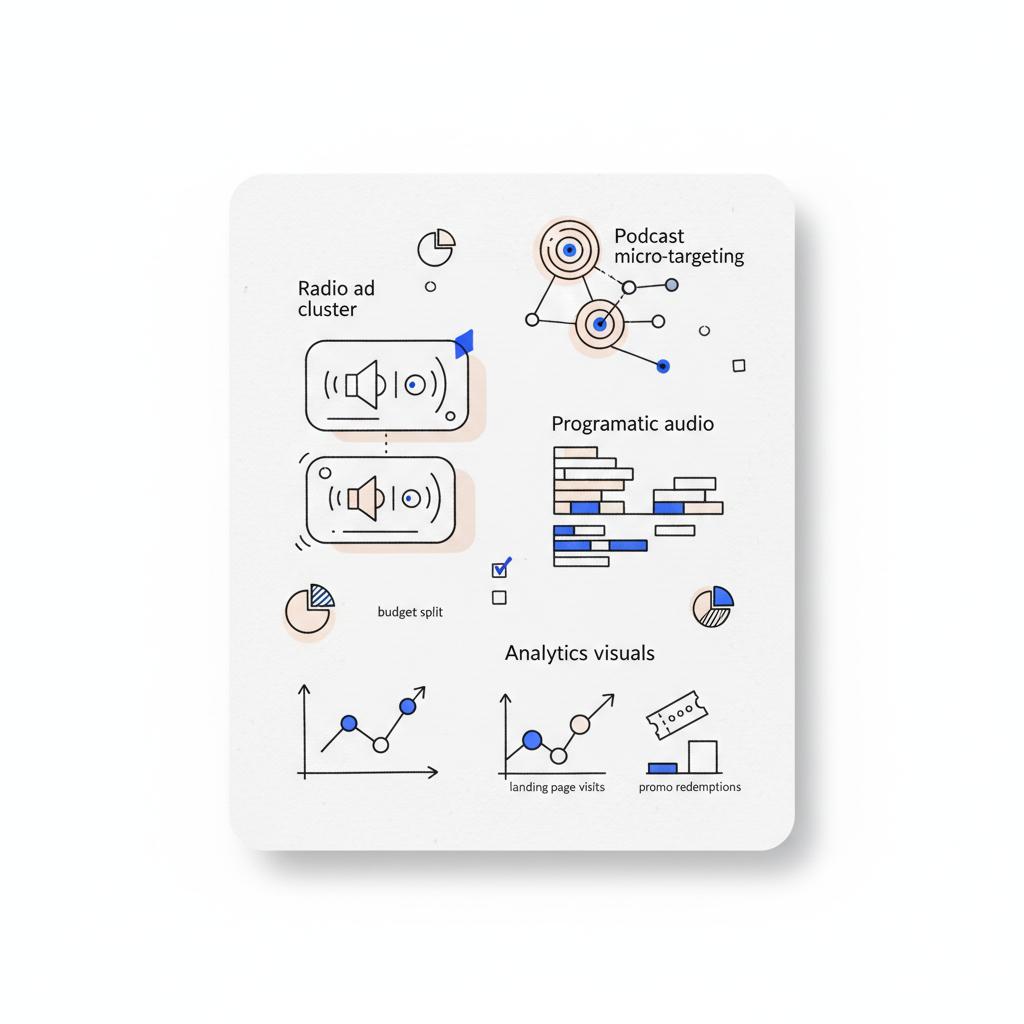
Turn radio reach into measurable results
Want help designing a measurable campaign that uses a radio ad the smart way? Agency VISIBLE helps businesses combine radio for reach and digital for traceable results. Reach out to start a tailored plan that fits your budget and goals: https://agencyvisible.com/contact/
Resources and next steps
If you’re planning a radio ad, start small, measure hard, and iterate. Use promo mechanics and landing pages, pair the radio ad with targeted digital channels, and ask stations for value-adds that help measurement. Over time, industry tools will improve radio ad attribution – but the most effective strategy today is a thoughtful blend.
Radio ads are measurable to a degree—primarily through probabilistic ratings and proxy metrics like promo code redemptions, unique phone numbers, branded search lift, and landing page traffic. Streaming and programmatic audio can offer more deterministic data using server-side insertion and logged-in contexts, but traditional broadcast radio usually lacks user-level identifiers that make digital channels more precise.
Yes, when the objective is local reach, awareness, or habitual exposure and the station audience matches the business’s customers. Small businesses can boost measurability by pairing the radio ad with geo-targeted digital ads, using short URLs or promo codes, and negotiating station extras like social mentions or event tie-ins to create more traceable touchpoints.
Use the radio ad for broad reach and drive listeners to a short, tracked landing page with a promo code or gated offer. Then retarget those visitors with consented digital ads and measure conversions through server-side analytics. This blended approach strengthens the link between radio exposure and online actions, giving a clearer picture of campaign impact.
References
- https://hybridmediaservices.com/exploring-the-next-wave-of-audio-advertising-trends-in-2024/
- https://www.adswizz.com/insights-from-programmatic-i-o-2024/
- https://adage.com/article/marketing-news-strategy/new-era-audio-attribution-unlocking-power-broadcast-measurement/2599196/
- https://agencyvisible.com/projects/
- https://agencyvisible.com/contact/
- https://agencyvisible.com/





