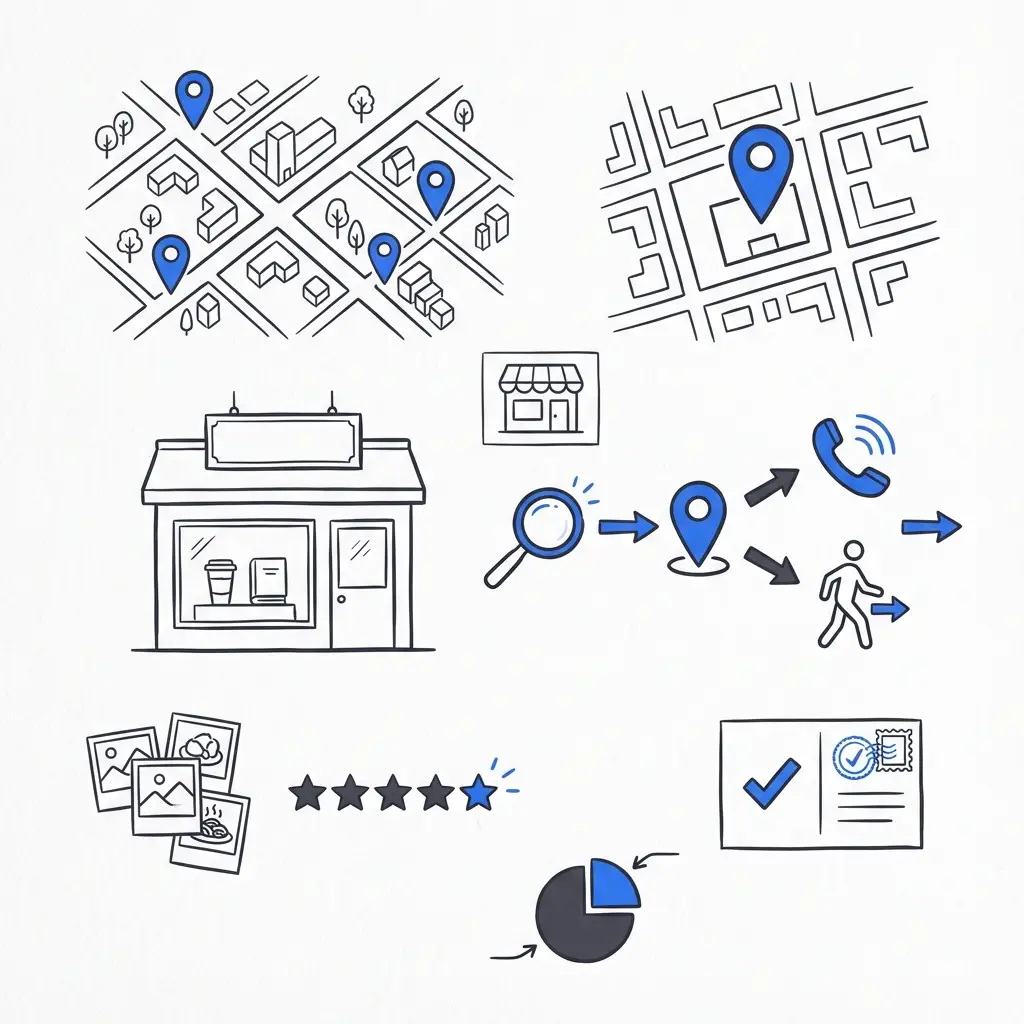
Lead generation for small businesses starts with one simple idea: the right person, the right message, at the right time. If you can name the customers who buy from you and the triggers that push them to act, you can design repeatable steps that bring a steady stream of inquiries without a runaway budget.
Start with the customer, not the channel
Before you spend on ads or crank out content, ask the basics: who buys from you, when do they decide, and what pushes them from interest to action? That simple clarity is the backbone of any effective lead generation for small businesses program. Spend an hour mapping two or three customer segments — not a long plan — and you’ll have the fuel for precise messaging and timing. For practical strategies you can try this week, see 8 small business lead generation strategies for 2025.
Think of a coffee shop: commuters need speed and reliable Wi‑Fi at 8 a.m.; remote workers want quiet space and power outlets in the late morning. A local plumber sees surges after storms or when freezes hit. These moments become headline offers and appointment prompts that convert.
When you want a quick audit of what to fix first, a short consultation can cut through the guesswork. For a practical, prioritized plan tailored to small teams, consider reaching out to Agency VISIBLE for a fast, action-focused review.
Once you can name the segments and triggers, design one lead-focused landing experience. This page should be fast, uncluttered and obvious: a brief value proposition, visible social proof, one short form or a click-to-call number, and a clear next step. That single landing page becomes the destination for all channels you test; treat it like a conversion machine you tune constantly.
A single social post can spark discovery, but it rarely becomes a dependable sales channel alone. Use short-form posts to create familiarity and point people to a single, high-converting landing page or a lead magnet — that’s what turns attention into measurable leads.
Which channels to start with (and why they work)
Small businesses win fastest when they prioritize channels where intent exists or where they control the audience. For most local operations that means:
- Google Business Profile: Keep hours, services and photos accurate. Post updates and answer common questions.
- Email & SMS: Owned audiences have low cost per lead and high conversion when used respectfully.
- Short-form social video: Cheap discovery and familiarity — 20–30 second clips that send viewers to your single landing page.
- Local partnerships & referrals: Real introductions from trusted sources that convert at higher rates.
For a local business, your Google profile and directory listings are often the most predictable sources of leads. If your hours are wrong or photos look like a catalog shot, people will skip you. Encourage recent customers to leave quick reviews and respond like a human — short thanks and a follow-up when something goes wrong. For more on local SEO tactics, see local SEO lead generation strategies.
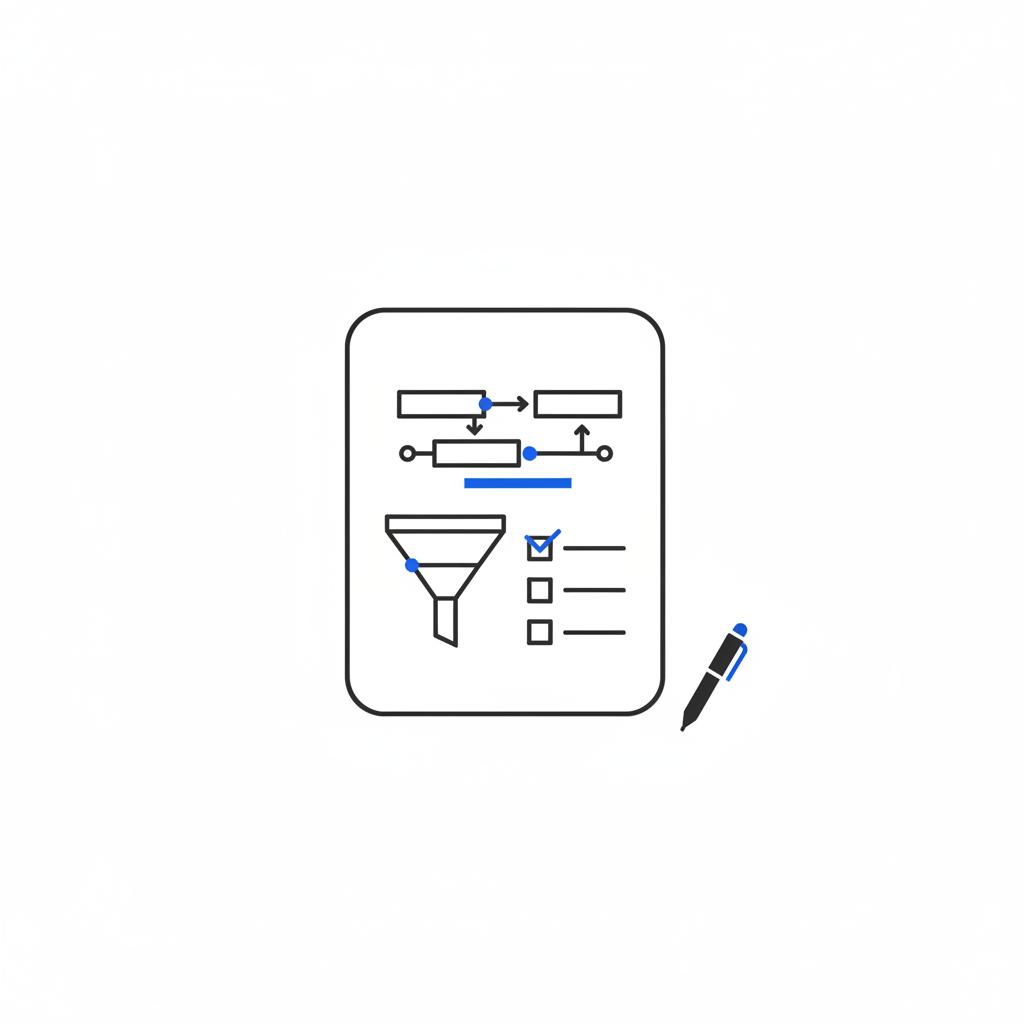
Build one landing page and make it work
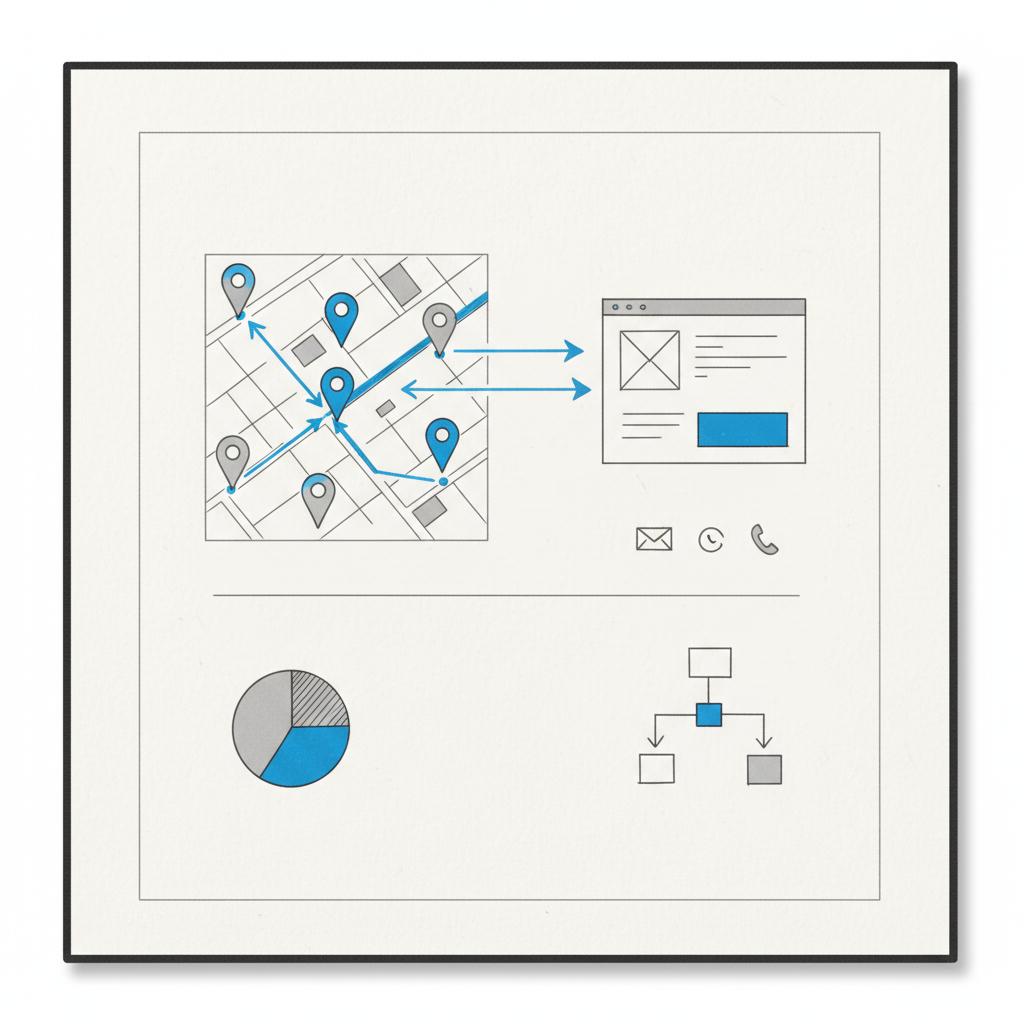
Your landing page is the place for clarity, not creativity. Keep forms short. Put trust signals above the fold. Test mobile speed. If phone calls convert better, make the phone number prominent with click-to-call on mobile. Many small businesses scatter messages across multiple pages. Instead, pick one page for new inbound leads and tune it until it reliably converts. A small, clear logo helps build local recognition.
Elements of a high-converting landing page
Essential elements include a concise headline, a one-line value promise, recent customer image or local proof, a short form, and an obvious call to action. Two-step flows — ask email first, then a short qualifying question — often improve completion rates without sacrificing lead quality.
Simple, repeatable lead magnets
A lead magnet is a small, useful trade for an email. In the world of lead generation for small businesses, keep it hyper-specific: a seasonal checklist, a discount valid for two weeks, or a short calculator that shows immediate value. Use one magnet for early-stage interest and a second for people ready to buy soon. Pair each with a short email automation sequence that delivers value and nudges toward booking. See proven lead generation examples for more inspiration.
Examples that work
Landscaper: “10 Things to Protect Your Yard Before Winter” checklist (PDF) + 14-day discount for first cleanup.
Accountant: Quick tax-savings calculator that shows potential immediate savings + invitation to a free 20‑minute consultation.
Bakery: A coupon that must be redeemed in-store — that nails both measurement and foot traffic.
Short-form social video as discovery
You don’t need a studio. A crisp 20–30 second clip showing a quick tip or behind-the-scenes moment can create familiarity and prompt searches or direct messages. Use captions, a short description, and a clear direction to your landing page. These clips are cheap, shareable and great at building top-of-funnel awareness for small, local brands.
Offline still matters: referrals & partnerships
Referrals and partnerships often deliver the best ROI. A hair salon trading referral flyers with a bridal boutique or a vet partnering with a pet store for a weekend check-day creates warm introductions that are easier to convert. Make referral sharing simple and reward both referrer and new customer with a tangible incentive.
Measure the right things
Measurement separates hope from progress. For resource-limited teams, focus on a compact set of metrics: conversion rate, cost per lead (CPL), lead-to-customer conversion rate, and first 90‑day customer value. These four numbers tell you whether your messaging, channel, and follow-up are working.
How to track without a big stack
Use UTM parameters on all campaign links, connect basic site analytics, and track form fills and clicks. Combine that with a simple CRM or spreadsheet to tag leads by source and record outcomes. When needed, add call tracking or server-side events, but begin with UTMs and a manual attribution column in your CRM. That short list keeps you honest without overwhelming a small team.
Run focused experiments
Growth is a series of small, measurable experiments. Pick one variable at a time: the headline, the CTA, a short coupon, or a two-step form. Test for a week or two, measure conversion and CPL, and keep what improves the numbers. For many small businesses, a narrow paid test — a local radius or a handful of long-tail keywords — reveals whether a paid channel is worth scaling.
Simple math for scaling
If a paid channel produces a steady CPL and leads from that channel convert at a rate that produces a positive first 90‑day return, it’s a candidate to scale. If not, refine the landing page or the creative. Paid ads amplify both wins and problems — test small and measure before you increase budgets.
Privacy, first-party data and future-proofing
With tracking changes and cookieless environments, first-party data is more valuable than ever. Capture emails and phone numbers whenever possible, use UTMs consistently, and record source information at first contact. If you can build a small owned list, you’ll lower cost per lead over time and keep your measurement more resilient to platform changes.
Putting it into a 90‑day plan
A simple 90‑day plan balances quick wins and a roadmap for scale. Weeks 1–2: tidy your Google Business Profile, make the lead page fast and mobile-friendly, and add a clear CTA. Weeks 3–6: introduce one or two lead magnets and a short email flow. Weeks 7–10: launch a local referral or partnership. Weeks 11–12: run one tightly scoped paid test and measure CPL and conversion. Iterate on what lowers your cost per lead and stop the rest.
A practical weekly rhythm
Set a 30‑minute weekly review to scan conversion rate, CPL and lead counts by source. Document every test and result. Over a few months those notes become your most valuable asset — a set of repeatable moves that consistently improve results.
Concrete examples and messaging templates
Here are real, usable templates for common touchpoints:
Google Business Profile post
“Snowstorm this week? We’re offering same-week thaw visits for pipes at risk of freezing. Call now for a quick check – no diagnostic fee for first-time customers.” Short, local and action-oriented.
Email subject line
“Your winter readiness checklist — grab it inside.” Keep the subject practical and benefits-focused.
SMS follow-up
“Thanks for downloading the winter checklist. Can I text you a 10% code for a same-week thaw visit? Reply YES to claim.” Get permission and keep it short.
Two short case notes
One bakery’s early paid tests produced lots of clicks but few visits. Pairing the ad with an in-store coupon that customers had to show boosted conversion. Another client found their long form blocked submissions; switching to an email-first two-step flow doubled leads. Read similar examples in our projects page.
Troubleshooting common problems
If ads bring clicks but no customers: add a redeemable coupon or shorten the path to redemption. If forms get half-finished: switch to two-step capture (email first), then a short qualifying question. If phone leads don’t convert: record calls, analyze common questions, and add those answers to your landing page copy. Small fixes often unlock big gains.
How to prioritize when time is limited
If you need bookings next month, choose the fastest, highest-impact moves: tidy your Google Business Profile, make the lead page mobile-fast, and run one small paid test aimed at a local radius. If you’re building long-term momentum, prioritize owned audience growth — lead magnets, email sequences, and content that builds discoverability over months.

Checklist: What to do this week
Three actions you can complete in a few hours that will move the needle:
- Update your Google Business Profile with hours, services and a recent photo.
- Create a focused lead magnet for one customer segment and build a single landing page with a short form and click-to-call.
- Reach out to one local partner with a simple weekend event or referral exchange idea.
Measuring success in simple terms
Make the numbers tangible: conversion rate = leads ÷ visitors; CPL = ad spend ÷ leads; lead-to-customer conversion = paying customers ÷ leads; first 90‑day value = revenue from new customers in their first three months. Keep these four metrics in a weekly tracker and the picture of progress becomes clear.
When to bring in outside help
If you’re short on time or need faster clarity, a focused external review can help. A small agency with a prioritized plan can often fix the highest-impact items in weeks instead of months. For small businesses that can’t afford to be unseen, Agency VISIBLE positions itself as a fast partner that focuses on measurable growth and clear priorities.
Get a focused lead-generation plan fast
Need a quick, prioritized plan that fits your schedule? Reach out for a short conversation and a thirty-day checklist you can implement immediately. Contact Agency VISIBLE to get started.
Scaling paid channels without wasting budget
Run small, tightly scoped paid tests and evaluate CPL and conversion. If a channel consistently hits a CPL that, when multiplied by your lead-to-customer conversion and first 90‑day value, produces a positive return, consider scaling. If not, refine the offer, the landing page or the audience before you increase spend.
Common questions answered (quickly)
How many lead magnets should I have? Start with one for early interest and one for near-buyers. Is SMS worth it? Yes, for consented, time-sensitive messages – use sparingly. When should I invest in SEO content? If you can commit to regular publishing and plan for amplification, SEO pays off; otherwise prioritize paid and direct outreach for immediate needs.
Why patience and iteration beat the shiny tactic
Lead generation for small businesses is rarely a single breakthrough. It’s a series of small bets: tidy the basics, build an owned audience, test one variable at a time, and measure. Over weeks and months those small steps compound into a predictable pipeline you can plan around.
Examples of messaging that converts
Use conversational, specific and time-bound language. Examples include: “Same-week thaw visits—no diagnostic fee for new customers” or “Limited-time 10% code for first cleanup booked in 14 days.” These messages are clear, relevant and tied to a behavior you want (call, book, redeem).
Final rules to live by
1) Put the customer and trigger first. 2) Build one page that converts and send all traffic there. 3) Capture first-party contact info. 4) Run simple tests and document the outcomes. 5) Measure the four core metrics every week.
Lead generation for small businesses doesn’t require magic — it requires focus, simple systems and steady testing. Do those and the leads will follow.
For immediate results focus on quick, high-impact actions: tidy your Google Business Profile, make a single mobile-optimized landing page with a short form or click-to-call, and run a tightly scoped paid test aimed at a local radius or long-tail queries. Pair a lead magnet with an email reactivation sequence to convert existing contacts. These moves typically drive the fastest bookings.
Start with one strong lead magnet for early-stage research and one for near-buyers. The first should be educational (a checklist, short guide or calculator) and the second should be closer to a purchase incentive (limited-time discount or quick consult). Two focused magnets cover different stages of the buying journey without overwhelming your audience.
Yes. Agency VISIBLE specializes in fast, measurable playbooks for small businesses. They prioritize the highest-impact fixes — Google Business Profile, a single landing page, lead magnets and a focused paid test — then measure conversion rate, cost per lead and early customer value to create a repeatable system. Contact them for a tailored plan.