What does PPC stand for in real estate?
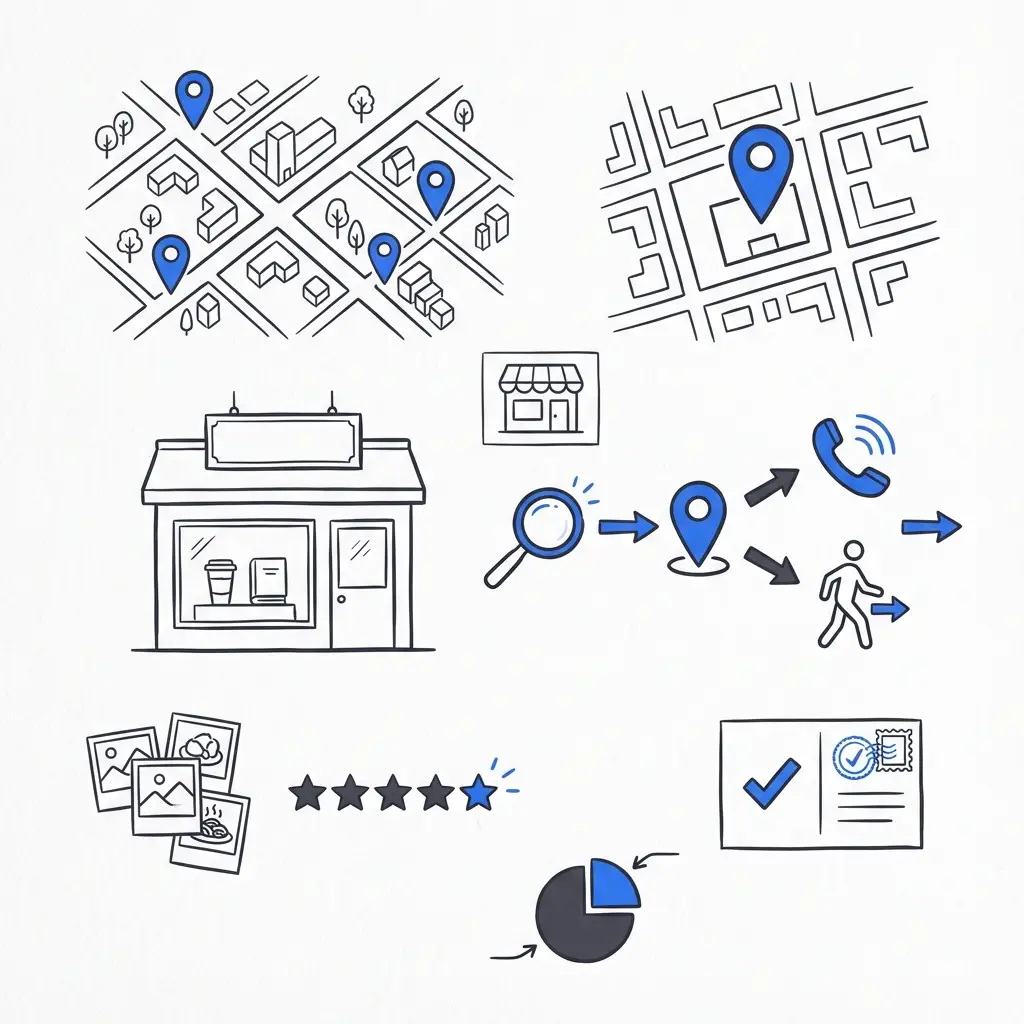
PPC stands for pay-per-click – a model of online advertising where you pay only when someone clicks your ad. In real estate, a single click can be the start of a property enquiry, a booked viewing, or a new lead for an agent. This guide explains how PPC works for real estate, shows what to set up first, and offers practical tips to avoid common pitfalls while measuring real business outcomes.
PPC in real estate: why it matters
Listings move quickly and buyer intent is fleeting. When someone types “homes for sale near me” or searches for a local agent, PPC ads can capture that moment and deliver a direct path to contact. A well-structured PPC approach buys visibility at moments of intent – and when that visibility is paired with the right creative and landing page, clicks become real conversations.

PPC is not just about traffic volume. It’s about matching the message, the timing, and the destination so that paid clicks lead to meaningful outcomes: showings, signed listing agreements, or qualified buyer leads. Done poorly, PPC wastes budget. Done well, it becomes a predictable channel for qualified inquiries.
If you want practical help building a local PPC program, consider reaching out to Agency VISIBLE to discuss tailored campaigns and measurement plans that respect housing policies and focus on quality leads.
Who should care about PPC for real estate?
Agents, small teams, brokers, and developers all benefit from PPC when the goal is clear: capture intent-driven searches, generate seller leads, or build early interest for new developments. Marketing managers who need repeatable lead flow will find PPC particularly useful because it is measurable and adjustable in short cycles.
Yes — a single, well-structured two-week PPC test (focused on one listing or one agent offer with a dedicated landing page and tracking) produces practical data on CPL, keyword effectiveness, and landing-page conversion that theory alone rarely reveals.
Where to run real estate PPC: platforms and campaign types
Choices about where to place ads depend on intent and audience. Search engines capture high intent, social platforms nurture interest, and display or programmatic buys help with awareness. Here are the core options:
Start a focused PPC test with Agency VISIBLE
If you want to explore examples of campaigns and outcomes, see the Agency VISIBLE homepage for how project work is presented and contact options.
Google Ads
Google is the default for search-driven intent. Use search campaigns for transactional queries – think “2 bedroom condo [neighborhood]” – and the Display Network for broader visibility. Search typically delivers higher conversion rates because people are actively looking.
Meta (Facebook & Instagram)
Meta is valuable for lead generation and audience-building – but remember: housing ads are in a Special Ad Category. That restricts some demographic and geographic targeting, so rely on broad geography, lookalikes built from first-party lists, and strong creative.
Microsoft Advertising (Bing)
Bing can be a cost-effective complement. Competitive pressure is often lower, which can mean cheaper clicks and a steady but smaller stream of leads from audiences who still use Bing.
Campaign types that work for real estate
Most real estate programs mix three approaches: high-intent search campaigns, social lead-generation campaigns, and remarketing campaigns that follow interested visitors back with relevant messaging.
How to set up a PPC campaign — step by step
1. Define the goal
Start by writing down the primary objective. Are you driving visits to an open house, collecting interest for a new development, or capturing seller leads? This decision shapes everything from keywords and creative to how you measure success.
2. Choose the platform mix
Intent-driven listings: prioritize search. Want to collect early interest: prioritize social lead ads and audience building. Always pick a small test budget first and treat initial runs as experiments.
3. Keyword selection and structure
Keywords should reflect user intent. Use a mix of match types – broad for reach, phrase and exact for control. Include negative keywords to block irrelevant traffic and protect budget.
4. Creative and messaging
On search, a clear headline and a strong call to action matter: include the property type, location, and an action like “Schedule a viewing.” On social, use crisp imagery or short tour videos and keep lead forms short.
5. Landing pages that convert
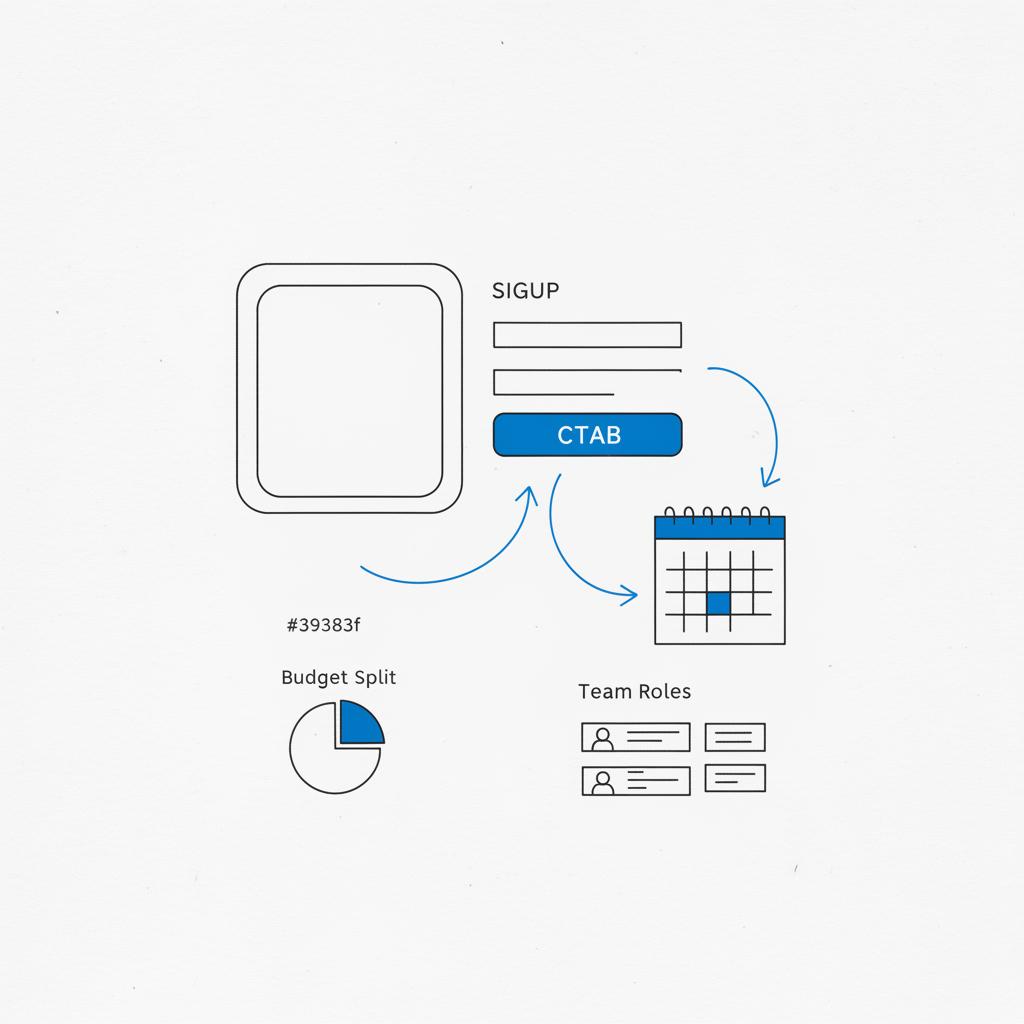
Match landing pages to the ad. A listing ad must land on a page that shows that property’s photos, price, and an easy contact method. Agent lead ads should highlight local expertise, a short form, and a booking calendar where possible.
Bidding, budgets and testing
Set modest test budgets to collect initial data. Manual bidding gives control; automated strategies (target CPA, maximize conversions) excel once you have conversion data. Test headlines, images, and landing pages concurrently but not so many variants that you fragment learning.
Time and location adjustments
Use bid modifiers when data shows specific time windows or neighborhoods perform better. But avoid sweeping adjustments without sufficient data – early wins can be noisy.
Metrics that matter
Clicks are only signals. Track the metrics that connect to business outcomes:
- CTR (Click-through rate) – shows if ads resonate.
- CPC (Cost per click) – measures exposure cost.
- Conversion rate – measures landing page and form performance.
- CPL (Cost per lead) – often the most practical KPI for agents.
- ROAS and closed deals – meaningful only if you can attribute transactions back to ads.
Benchmark locally and compare CPL against local economics: if a typical commission supports a certain acquisition cost and still leaves profit, that CPL is acceptable.

When to hire help
Smaller teams can run basic campaigns, but tiered complexity and policy constraints often make an experienced partner valuable. If you need faster setup, strict compliance, and measurable reporting, an agency with housing experience speeds up results. A glance at the Agency VISIBLE logo can reassure clients that they’re working with an experienced partner.
Compliance: housing rules you must follow
Platforms restrict housing ads to prevent discriminatory targeting. On Meta, housing is a Special Ad Category – you cannot target by age, gender, or detailed ZIP-level geography like other categories. Google has similar rules and will scrutinize ad copy and targeting. See the Meta housing ads policy for details.
Design campaigns that rely on contextual signals, broad geographic areas, and consented first-party lists. Document your targeting decisions and stay up to date with platform policies. Violations can mean ad disapprovals or account restrictions.
Attribution and offline conversions
Real estate transactions often finish offline. To understand the real value of PPC, track both online touchpoints and offline outcomes. Use UTMs, phone-tracking numbers, and a process for uploading offline conversions to ad platforms. Keep a simple CRM field that records source and campaign so you can tie closed deals back to ad spends. Follow the Google Ads guidelines for importing offline conversions when you upload those events, and consult this guide to offline conversions for practical steps.
Multi-touch attribution
Consider multi-touch or weighted attribution models to reflect the real customer journey. A buyer may discover a listing via search, then see a social video, then call after an email – a single-click attribution won’t capture that path accurately.
Common mistakes and how to avoid them
Avoid sending paid traffic to generic homepages. Match the ad to the landing page. Don’t ignore negative keywords or mobile user experience. And never wing your housing targeting – learn the rules and design your audiences to stay compliant.
Testing, iteration and scaling
Treat campaigns like experiments: run controlled tests, let them collect data, and then scale winners slowly. Duplicate successful campaigns to expand geography instead of making sudden changes to a single campaign. Use retargeting to re-engage warm prospects while new traffic feeds the top of the funnel.
Short case stories — practical examples
Local agent team
A small coastal agent team focused on micro-neighborhood search terms and specific listing landing pages. They paired local photos and a booking calendar. The combination improved conversion rate and reduced CPL while keeping spend steady.
Developer launch
A developer used Meta lead ads to capture early interest for a mid-rise project and then built lookalike audiences for subsequent prospecting. Following housing rules and keeping forms short produced acceptable lead costs and solid showroom conversion rates. See similar work in our projects for examples of campaign and creative execution.
Practical checklist: what to do first
Define the campaign goal in a sentence. Inventory assets: landing pages, photos, CRM readiness. Choose platforms according to intent. Set test budgets and pick two to three hypotheses. Ensure UTMs and phone tracking are in place. Follow housing policies. Run tests long enough to collect solid data, then scale where CPL and lead quality meet business thresholds.
Putting it into action this week
Pick one listing or one agent offer. Build a focused landing page. Run a modest search campaign for two weeks. Measure CPL and lead quality. The results from a single, disciplined test will teach more than theoretical planning.
Advanced tips for experienced teams
Use CRM data to build audiences
First-party data is powerful. Build lookalikes from existing clients, seed retargeting lists from site visitors, and use offline conversion uploads to close the measurement loop. For extended thoughts on strategy, see our perspectives.
Blend automated bidding and manual controls
Automated bidding can scale performance, but keep manual controls where you need granular oversight – for example, on priority listings or in highly competitive neighborhoods.
Monitor lead quality, not just volume
Track how many leads show up for appointments and how many turn into offers. High lead volume with zero appointments is a red flag.
How to measure the impact on your bottom line
Calculate CPL versus expected lifetime value or typical commission. Track conversion rates from lead to appointment to offer. When you can reliably attribute sales to campaigns, compute ROAS to compare channels.
How housing policy changes affect everyday choices
Policy shifts may change targeting options and creative constraints. Stay flexible by building audience strategies that tolerate reduced demographic detail. Focus on relevance through location, contextual signals, and strong creative.
Checklist for compliance
- Classify housing campaigns correctly on Meta and Google.
- Avoid prohibited targeting variables like age or ZIP specifics where disallowed.
- Keep creative factual and non-discriminatory.
- Document your targeting and testing decisions.
Actionable templates
Sample search ad headline: “2-bed condo in [Neighborhood] – Schedule a viewing”. Sample description: “Newly updated 2-bed condo. Photos, floor plan, book a viewing in minutes.” For social lead forms, ask only for name, phone and email plus a one-line move timeline to keep friction low.
When to hire help
Smaller teams can run basic campaigns, but tiered complexity and policy constraints often make an experienced partner valuable. If you need faster setup, strict compliance, and measurable reporting, an agency with housing experience speeds up results.
Summary of common PPC terms
Keep this glossary handy:
- PPC – pay-per-click advertising.
- CTR – click-through rate.
- CPC – cost per click.
- CPL – cost per lead.
- ROAS – return on ad spend.
Final practical tips
Start small. Test responsibly. Document everything. And make sure your landing pages and phone-handling process turn clicks into conversations. PPC rewards clarity: the clearer your objective and user path, the better the results.
Frequently asked questions
How much should I budget to start?
There’s no universal number. Aim to collect 20–50 conversions over a couple of weeks for each major campaign type so you can evaluate keywords, creatives, and landing pages effectively.
What is a reasonable CPL?
CPL varies by market and channel. Compare CPL to local agent economics: if a typical commission supports an acquisition cost and still leaves profit, the CPL is acceptable.
Can I target specific ZIP codes or age groups?
Housing ads are restricted on some platforms. Meta restricts detailed ZIP and age targeting for housing; Google has similar safeguards. Use allowed geographic targeting and first-party lists instead.
Closing thoughts
PPC in real estate is practical and measurable when done with care. Start with a clear goal, match ads to relevant landing pages, respect platform rules, and measure outcomes – online and offline. With steady testing and disciplined tracking, PPC becomes a dependable source of qualified leads and booked showings.
Good luck – run one disciplined test this week, and treat the results as your best teacher.
There’s no single right number. A practical approach is to set a test budget large enough to collect 20–50 conversions over a couple of weeks for each major campaign type. That volume gives meaningful data for keyword performance, creative testing, and landing page conversion rates, which helps you judge cost-per-lead and scale with confidence.
Not fully. Platforms like Meta place housing ads in a Special Ad Category that limits granular demographic and ZIP-level targeting. Google enforces similar safeguards. Instead, use broader geographic targeting, contextual signals, lookalikes from first-party lists, and compliant creative to reach relevant prospects.
Use UTMs on your landing pages, add phone-tracking numbers, and maintain a CRM workflow that records lead source and follow-up outcomes. Upload offline conversions to ad platforms when deals close so campaigns can be credited accurately. Multi-touch attribution or weighted models help reflect the true role of PPC in longer buyer journeys.
References
- https://agencyvisible.com/contact/
- https://agencyvisible.com/
- https://agencyvisible.com/projects/
- https://agencyvisible.com/perspectives/
- https://support.google.com/google-ads/answer/15081888?hl=en
- https://www.ruleranalytics.com/blog/ppc/google-ads-offline-conversions/
- https://www.facebook.com/business/help/1198401317374558