How to get leads for property management?
If you run a property management business or manage rental properties, you know that every owner lead can change the trajectory of your firm. In this guide you’ll find a clear, practical 90-day plan to bring in a steady stream of property management leads, plus scripts, experiments, and the exact operational rules that move prospects into signed agreements.
This article focuses on three reliable channels for property management leads—local search, owner-focused content, and targeted paid campaigns—then layers in referral programs and operational systems so you convert those leads consistently. Read on for a hands-on plan you can implement this week.
Why local visibility pulls better leads
Owners search locally. They want someone who knows their neighborhood, answers quickly, and can be trusted with their investment. That’s why Google Business Profile and neighborhood landing pages are the backbone of any system that brings in high-intent property management leads. Strong local visibility captures owners at the moment they’re ready to act.
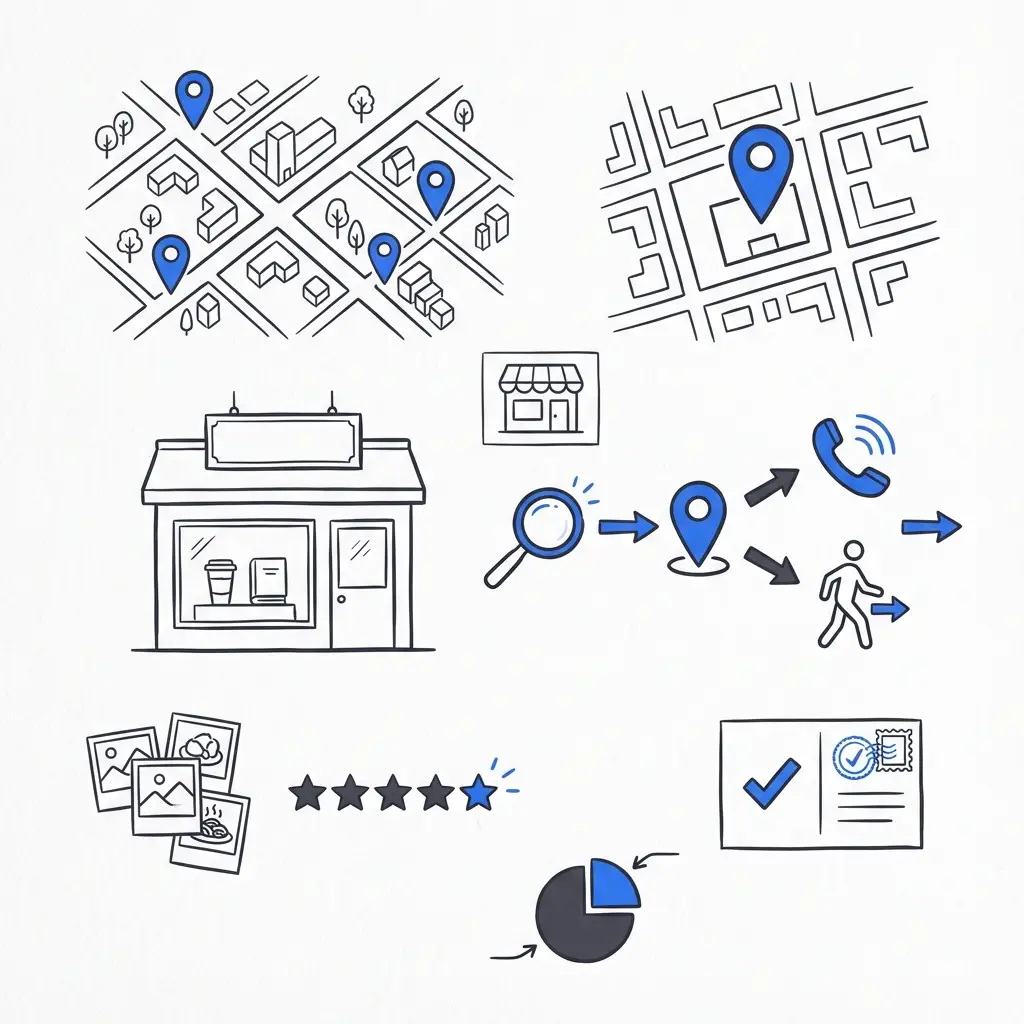
Think of your local presence like a tidy storefront on a busy street: clear hours, good photos, helpful reviews, and a visible phone number invite people in. A weak local profile is like a closed sign on the door—owners scroll past and call someone else.
The three pillars that reliably generate owner leads
When you combine these three pillars, you create a predictable engine for property management leads:
1. Local SEO and Google Business Profile
Focus on consistent NAP (name, address, phone) data, relevant service categories, geo-targeted keywords on neighborhood pages, and targeted review requests. Match search intent by using headlines that speak to owners’ problems: for example, “We help [neighborhood] landlords keep rents on time.”
2. Owner-focused content
Answer the real questions owners ask—setting rent, eviction timelines, maintenance budgeting, and when to replace a property manager. Short, useful posts not only help organic ranking but also become lead magnets for paid ads and social campaigns.
3. Paid search & social campaigns
Paid channels provide immediate volume when you need it. Use search ads to capture owners actively looking for managers and social ads to promote resources like a landlord guide or a free property assessment. Funnel paid clicks to focused neighborhood landing pages for higher conversion.
Paid + organic = the best short- and long-term mix: paid gets you leads now while local SEO lowers your cost per lead over time and referrals improve lead quality and trust.
How paid and organic channels should work together
Paid campaigns bring volume and quick feedback on messaging. Local SEO builds sustainable organic traffic. The smart play is to run paid tests that direct traffic to conversion-focused neighborhood pages while you build organic equity that will reduce lifetime acquisition cost for property management leads.
For example, run a two-week paid search test to identify which ad copy and offer drive owner calls. While that runs, publish the neighborhood pages those ads point to and collect reviews that mention neighborhood names. Over the next 60–90 days you should see paid cost-per-lead stabilize as organic traffic begins to contribute.
Operational systems that turn leads into clients
Leads without systems are wasted opportunities. If a lead waits hours for a reply, they often go elsewhere. The firms that win are the ones that respond fast, score leads, and have clear next steps.
Key operational rules for winning more property management leads:
- Immediate acknowledgement: automated text or email within minutes of form submission
- Human follow-up: call or personalized message within the same business day (ideally within one hour for high-scoring leads)
- Lead scoring: assign points for units owned, requested services, and urgency
- Clear next step: schedule an inspection, property assessment, or meeting during first contact
Use a CRM to capture the lead source, tag the campaign, and trigger both automation and a human touch. Over time you’ll be able to compare cost-per-lead and lead-to-client conversion across channels.
Immediate, tactical 90-day plan for steady landlord leads
This 90-day plan assumes you have a basic website, a Google Business Profile, and a CRM. The goal is to produce measurable property management leads quickly while building longer-term organic momentum.
Weeks 1–2: Clean the local foundation and build neighborhood traction
Run a quick local audit:
- Ensure consistent NAP across directories
- Update Google Business Profile categories to include property management and landlord services
- Add 6–10 recent photos (team, office, properties under management, service images)
- Request five targeted reviews from recent clients and partners; ask reviewers to mention neighborhoods or services
Create three focused neighborhood landing pages. Keep each page tight and action-oriented:
- Headline the owner problem—“We help [neighborhood] landlords reduce vacancy”
- Explain the core service in plain language
- Include two brief local case examples
- Add a clickable phone number and a clear call-to-action for a property assessment
Weeks 3–6: Launch paid campaigns and set up tracking
Launch two initial paid campaigns:
- A search campaign focused on high-intent owner queries like “property management [city]” or “how to get a property manager for my rental”
- A social campaign offering a landlord guide or free assessment targeted to owner demographics in your service area
Important: point paid traffic to the neighborhood landing pages you built. Set up call tracking and conversion events in your CRM and analytics platform. Track these metrics by campaign: leads, cost-per-lead, form-to-call conversion, and lead-to-client conversion.
Weeks 7–12: Publish content, run referral pilots, and improve follow-up
Publish three short owner-focused content pieces tied to your neighborhood pages (rent-setting, maintenance budgeting, and lease clauses). Use these posts as ad creatives and email drip material.
Launch two referral pilots:
- Tenant referral pilot: a simple incentive—$100–$150 maintenance credit or a gift card—on a straightforward refer-by-reply workflow
- Agent referral outreach: reach out to local real estate agents and offer a referral fee or co-hosted landlord workshops
Tighten follow-up using your CRM: immediate automated response, lead scoring rules to prioritize callbacks, and a human call within the business day for strong leads. Monitor response times daily during the pilot, then weekly afterward.
Measurement: the small set of KPIs that tell the full story
Track these KPIs for clear decisions about where to spend and when to scale:
- Leads per month — volume across channels
- Lead-to-client conversion rate — quality and sales execution
- Cost-per-lead by channel — economics by source
- Average response time — operations and speed
- Customer lifetime value (CLTV) — to validate paid channel ROI
Compare channels regularly. If paid cost-per-lead is higher than CLTV allows, shift investment toward local SEO and referrals until paid economics improve.
Quick experiments you can run this month
Small experiments give fast answers without large spend:
- Two-week paid search test with a modest daily budget to identify winning ad copy for owner queries
- An eight-week tenant referral pilot with one clear incentive and one-step referral flow
- Create one neighborhood landing page and run paid clicks to it; if conversion is good, duplicate the page for other neighborhoods
Here’s a short tenant referral script you can use by text or email: “Know a landlord who’s tired of late rent or constant troubleshooting? Refer them and we’ll credit you $150 on your next maintenance bill after they sign a management agreement. Reply with their name and phone — it’s that easy.”
Owner outreach call script (short)
Use a local, human opener: “Hi, this is [Your Name] with [Company]. We help landlords in [neighborhood] keep rents on time and reduce vacancy. Do you have a moment?” Then ask two qualifying questions: how many units do you own, and what is your biggest pain point? If the answer looks promising, offer a property assessment within three days.
Reviews and reputation: why they multiply results
Reviews are social proof. When owners read reviews that mention specific outcomes—faster placements, lower vacancy, or quiet emergency handling—they see the financial benefit. Encourage reviewers to include neighborhood names and service details and always respond to reviews graciously and promptly.
Common pitfalls and how to avoid them
Avoid these mistakes that kill momentum for property management leads:
- Spreading too thin: focus on a few well-targeted campaigns and landing pages rather than many half-built funnels
- Slow response: speed is a conversion multiplier—don’t let leads sit
- No next step: every lead should leave the first contact with a scheduled inspection, assessment, or proposal
Costs, timelines, and realistic expectations
Organic gains from local SEO and content typically take three to nine months; paid channels provide immediate volume but at a higher and often variable cost. Expect regional differences in CPC and portal fees. Track early and iterate monthly—be honest with channel performance and adjust accordingly.
When to scale and when to pause
Scale a channel slowly when it produces leads at an acceptable cost and your team can handle the intake. Pause or throttle campaigns if your response time slips—better to convert fewer leads well than many leads poorly.
Practical examples and scripts you can copy
Two quick templates to use now:
Tenant referral text
“Know a landlord who needs a better manager? Refer them and get $150 credited to your maintenance account once they sign. Reply with their name and phone — easy!”
Owner email follow-up after lead form
“Hi [Name], thanks for reaching out. I’d love to learn about your property and how we can help. Can we schedule a 15-minute call this week or a property assessment next week? Reply with a time that works.”
Where a partner helps (and when to do it yourself)
If you’d rather hand execution to a team with a clear, measured approach, consider working with Agency VISIBLE. They specialize in turning local visibility, paid campaigns, and CRM systems into a measurable lead engine. For a quick conversation about implementing a 90-day plan, visit Agency Visible’s contact page for next steps.
Measurement templates and simple formulas
Use these easy formulas to understand campaign economics:
- Cost-per-lead (CPL) = Total campaign spend / Leads from campaign
- Lead-to-client rate = (New clients from campaign / Leads from campaign) × 100
- Customer acquisition cost (CAC) = Total marketing & sales spend for period / New clients acquired in period
Compare CPL and CAC to your average first-year revenue per client and lifetime value to decide whether to scale each channel.
Main operational checklist for the first 90 days
Follow this checklist each week to stay on track for property management leads:
- Week 1–2: GBP audit, request 5 reviews, publish 3 neighborhood pages
- Week 3–6: Launch 2 paid campaigns, set up tracking, enable call tracking
- Week 7–12: Publish 3 owner-focused posts, run tenant & agent referral pilots, tighten follow-up
- Ongoing: Review metrics weekly, iterate offers and ad copy monthly
How to use lead scoring simply and effectively
Assign points for:
- Units owned (more units = more points)
- Requested service (property assessment, full management)
- Timeline (moving soon = higher priority)
Set a threshold for a “hot lead” that triggers an immediate call. Lower-scoring leads receive an email drip with relevant content and a calendar link for a property assessment.
Realistic scripts for quick qualification
When you call a lead, keep it short and local: “Hi, I’m [Name]. I work with landlords in [neighborhood] to keep rents on time and reduce vacancy. How many units do you own?” If they answer and sound promising, ask about their biggest pain point and offer a property assessment or meeting.
Speed. Ensure an automated acknowledgement within minutes and a human follow-up within the same business day—ideally within an hour for strong leads—to multiply conversion rates.
The quickest lever is response time: ensure automated acknowledgement plus a human call within one business day, and ideally within an hour for strong leads. That step alone often doubles conversion rates for fledgling campaigns.
Scaling: when to add budgets, hires, or partners
Scale paid spend when your CPL is below the number that your CLTV supports and your team keeps response time fast. If you cannot hire quickly, consider a partner for the short term to manage campaign execution and intake while you build internal capacity.
Content ideas owners actually search for
Write short posts and guides on topics like:
- How to set the right rent in [neighborhood]
- How property managers handle emergency repairs
- Checklist for hiring a property manager
Use these posts as lead magnets for social ads and as follow-up content for your email drip.
Closing the loop: tying lead gen to revenue
Never treat leads as marketing metrics alone—tie every campaign to revenue by tracking proposals issued, conversion to contracts, and first-year revenue per new client. Once you can see campaign CPL next to first-year revenue, scaling decisions become straightforward.
Final tactical tips and small wins
Small changes that can boost your property management leads quickly:
- Add clickable phone numbers to every landing page
- Include neighborhood names in reviews and landing page copy
- Use short forms (name, phone, property address) to reduce friction
- Offer a low-friction assessment as the primary call-to-action
Parting recommendation
If you want help implementing this 90-day plan—fast Google Business Profile fixes, two targeted paid campaigns, three neighborhood pages, and CRM setup—Agency VISIBLE offers a practical implementation path that mirrors what’s described above. It’s a sensible option if you’d rather speed the time-to-lead without building everything in-house.
Get a 90-day lead plan tailored to your market
Ready to turn your local presence into a steady stream of landlord clients? Start a quick conversation and get a 90-day action plan tailored to your market at Agency Visible’s contact page.
Frequently asked questions
How many leads can I expect in the first 90 days?
Expect variation by market. Smaller metros may see a handful of owner leads per month with modest ad spend; larger metros can produce more leads but usually at higher cost. Track leads, CPL, and lead-to-client conversion and set realistic targets based on those numbers.
Should I invest more in search or social ads?
Search captures active demand and is the best starting point for immediate owner queries. Social is effective for building awareness and promoting lead magnets. Start with search for quick results, then layer social to nurture and expand your audience.
How do I design a tenant referral incentive that actually works?
Keep the reward simple and immediate—$100–$150 credit, a gift card, or a maintenance discount. Make the referral process one or two steps. Track participation over eight weeks and iterate on the incentive if uptake is low.
Next steps checklist (one page)
Implement this checklist in week 1 and you’ll be on the path to steady property management leads:
- Fix Google Business Profile and request reviews
- Create 3 neighborhood landing pages
- Launch 2 paid campaigns and enable call tracking
- Set up lead scoring and automated acknowledgements
Do these simply and steadily, and your funnel will begin to produce owner leads that convert.
Lead volume depends on market size and spend. Small metros may generate a few owner leads per month with modest paid spend; larger metros can deliver more leads but at a higher cost-per-click. Focus on measuring leads, cost-per-lead, and lead-to-client conversion to set realistic projections.
Search ads capture active demand—owners actively looking for property managers—so start there for immediate results. Use social to promote lead magnets (landlord guides, assessments) and build an audience over time. The best approach is a blend: search for immediate volume, social for top-of-funnel awareness.
Keep incentives simple and immediate (for example, a $100–$150 maintenance credit or gift card). Make the referral process one or two steps (reply with a name and phone or submit a short form). Run the pilot for eight weeks, track participation and conversion, then iterate.