Is TikTok affiliate marketing worth it? If you’re asking that, you’re in the right place. This guide breaks down the exact choices that decide whether TikTok affiliate marketing becomes a meaningful revenue stream or a time sink for creators and small businesses.
Why TikTok affiliate marketing deserves a second look
TikTok affiliate marketing works because TikTok is a discovery machine. Short, native videos reach audiences who may never have encountered a brand before; that discovery is the first step toward a sale. For creators and businesses testing commerce, the platform’s native tools—TikTok Shop, in-feed product links and profile links—shorten the path from interest to purchase. Shorter paths usually mean higher conversion, and higher conversion translates to more reliable affiliate income. See recent TikTok affiliate marketing statistics for context around reach and conversion trends.

The right creative + the right product = higher odds
None of the platform mechanics matter without strong creative. On TikTok, people expect to be shown how a product actually works. Quick demos, tactile close-ups, before-and-after sequences, and authentic user-generated content (UGC) style clips typically outperform generic promotional posts. That is why TikTok affiliate marketing success is rarely accidental—good creative and product fit are deliberate choices.
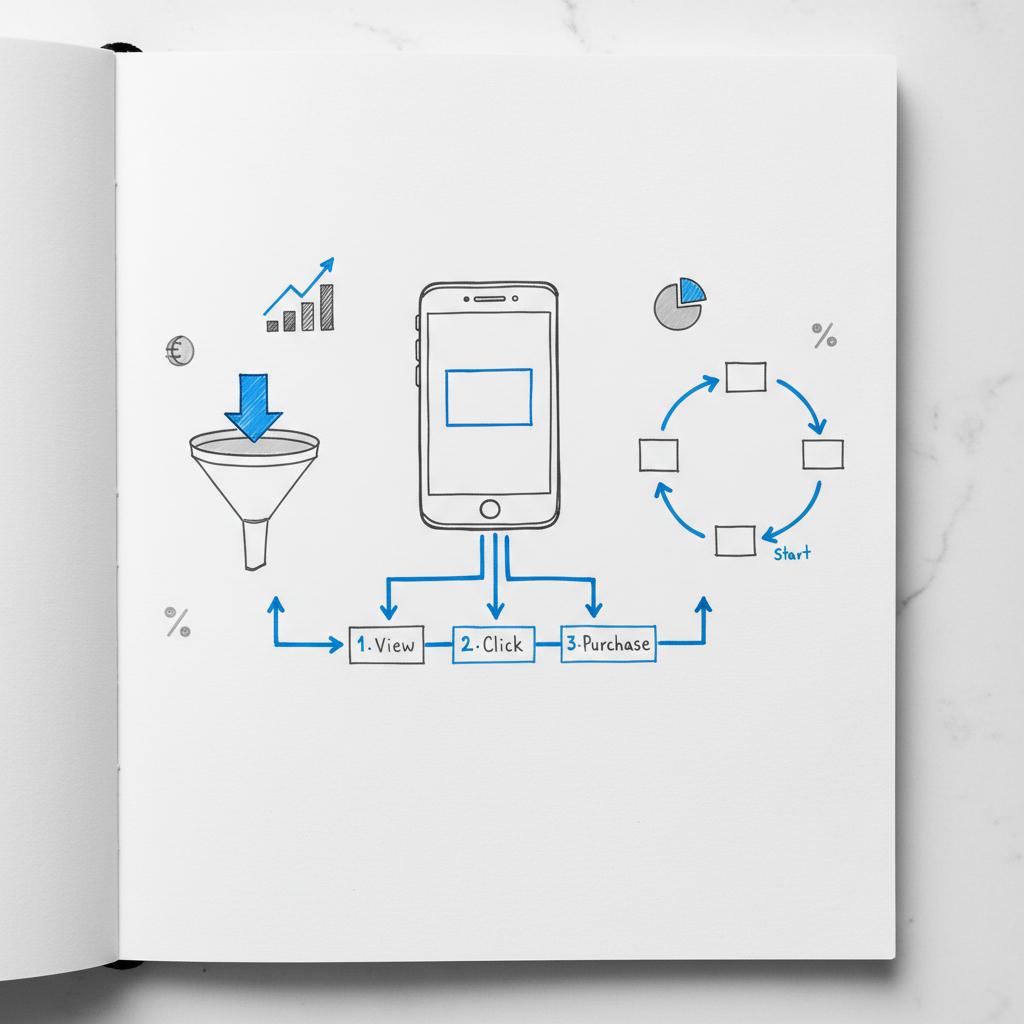
Shorter paths usually mean higher conversion, and higher conversion translates to more reliable affiliate income. A clear logo can help reinforce brand recognition.
The three variables that decide whether you’ll earn real money
There are three core levers to model: ticket size and margin, commission structure, and conversion rate. Together they determine expected earnings in a simple formula:
Expected earnings = traffic × conversion rate × average commission per sale.
Ticket size and margin
Low-price, low-margin items behave very differently from premium products or subscriptions. A $15 accessory with a thin merchant margin often leaves little room for generous percentage commissions. By contrast, a $150 tool or a subscription with recurring value can justify stronger commissions or fixed referral fees.
Commission structure
Commissions on TikTok vary by merchant and category. Some merchants offer low single-digit percentages for commodity goods; others provide double-digit percentages or fixed referral fees for beauty, digital services, subscriptions or niche categories. Fixed fees can be particularly attractive for low-ticket impulse products: a $5 fixed fee on a $20 item is often more lucrative than a 3% commission on higher-priced goods.
Conversion rate
Conversion rate is the share of viewers who purchase after seeing your content. Average conversion rates on short-form platforms often fall in the low single digits, but tight product-audience fits and native checkout experiences (like TikTok Shop) can push conversion higher. When you combine higher conversion with decent commission, affiliate income becomes meaningful quickly.
Concrete modeling: sample scenarios you can copy
Let’s make the math actionable so you can run quick scenarios for your own account or business. Below are three example scenarios, each built from realistic numbers you can adjust.
Example A: Low-ticket product with percentage commission
Product price: $60; commission rate: 10% (i.e., $6 per sale); views: 50,000; conversion: 1% → sales 500 → earnings $3,000. If conversion drops to 0.3%, earnings fall to $900. The lesson: conversion volatility is the primary risk for low-ticket items.
Example B: Mid-ticket subscription with fixed fee
Product price: $250 subscription; fixed referral fee: $25; views: 20,000; conversion: 2% → sales 400 → earnings $10,000. Here, higher ticket and fixed fee provide stability and stronger per-sale payout.
Example C: Impulse buy with low price but high fixed fee
Product price: $20; fixed fee per sale: $4; views: 80,000; conversion: 0.5% → sales 400 → earnings $1,600. For impulse items, volume and a fixed payout can be a winning combo.
Creative that converts on TikTok
Short-form platforms are unforgiving to bland content. The single most important rule is: grab attention in the first three seconds. You can do that by showing the problem, surprising the viewer with a visual, or starting with the result they want.
After the hook, move quickly to the benefit and the demonstration. Show the product solving a small, specific problem. Use voiceover for clarity and captions for mobile viewers with sound off. Keep it tactile—viewers should feel like they could reach out and touch the item on screen.
Formats that work
Quick tutorials and how-tos: Best for tools, beauty and kitchen items where a small transformation is visible.
Reaction-style videos: Great for surprising results or unexpected benefits.
Comparisons and product stacks: Useful for categories with many choices; show why one product is clearly better.
Remember: on TikTok, TikTok affiliate marketing wins often come from testing formats and learning what triggers clicks and purchases for your audience.
Native integrations vs. external funnels
One central decision is whether to use TikTok’s native checkout or send traffic off-platform. Native checkout reduces friction and tends to raise conversion for impulse buys. External funnels give you more control over storytelling, upsells and retention, but they add steps and potential drop-off.
Smart creators and brands use a mix: native checkout for impulse items and quick purchases; external landing pages for higher-ticket items, subscriptions or offers that need more context.
How to model potential earnings before you invest time
You don’t need a complex spreadsheet to get a good read on whether TikTok affiliate marketing will pay. Use conservative estimates for views, conversion, and commission and run three scenarios: conservative, realistic, optimistic. If the conservative scenario doesn’t cover your time and costs, reconsider or reallocate effort.
Here’s a simple rule-of-thumb: multiply your average reach by a conservative conversion rate (0.5–2% unless you have better data) and an expected commission. If you post regularly—say three posts that hit your normal reach—you can scale the per-post estimate into a monthly projection.
Practical levers creators and businesses can control
Product selection beats platform tricks. Prioritize products with clear problem-solution appeal and reasonable commissions. For small-ticket items, a fixed referral fee often outperforms low percentage commissions. For bigger-ticket goods, choose items that allow storytelling and trust-building.
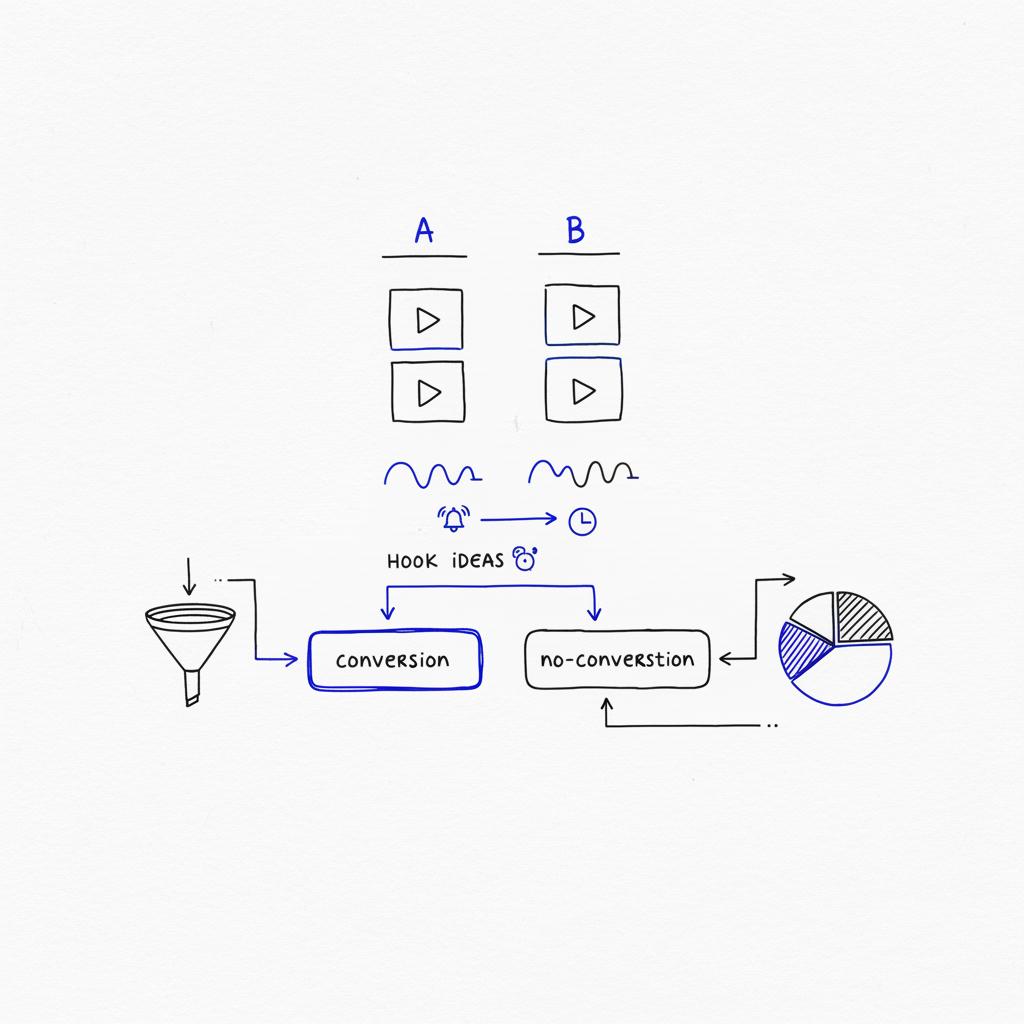
Test creative variables: first three seconds, proof (before/after), call-to-action placement and link type (native vs external). Track which hooks lead to clicks and purchases and double down on those formats. If you work with creators, provide concise briefs, sample scripts and product samples so creators can produce fast, authentic content.
Agency VISIBLE documents and project work often show how brief templates scale creators’ output; see their projects for examples and case studies.
Measurement, attribution and cashflow
Know the attribution window and payout hold times for each affiliate program. Some programs only credit a sale for 24–48 hours; others have longer windows or differing rules for view-through versus click-through attribution. Native TikTok mechanics often capture view-through conversions better, while external links rely on cookies and click tracking that can be blocked.
Monitor refunds and returns closely. High return rates will erode your revenue quickly—especially for physical goods. When you model earnings, include a realistic return percentage and a delay for payout holds.
Policies, disclosure and legal risks
Regulatory and platform rules matter. In many markets you must disclose affiliate relationships clearly. The FTC and similar agencies require conspicuous disclosure when content includes affiliate links. Be transparent—use simple language in the opening of the clip and the caption to tell viewers when you might earn a commission.
Platform policy shifts can change attribution rules and payout timing. That’s not a reason to avoid TikTok, but it is a reason to run conservative projections and maintain multiple revenue channels. For a broader look at platform trends, consult the TikTok marketing report.
Where earnings typically land: dispersion and realistic expectations
Recent data across creators show wide dispersion: many creators earn small amounts while a smaller cohort scales to significant monthly revenue. Success on TikTok is rarely passive; it results from repeated testing, strong product-audience fit and reliable creative. Treat TikTok affiliate marketing as a portfolio of small bets rather than a single guaranteed payday.
Long-term sustainability and diversification
TikTok’s commerce tools are evolving and commission policies may change. That makes diversification essential: combine affiliate marketing with sponsorships, your own products, memberships, or paid services. For merchants and agencies, transparent terms and reliable creative briefs help build longer relationships with creators instead of one-off posts.
If you want expert help modeling affiliate scenarios, briefing creators and measuring results, consider reaching out to Agency VISIBLE—a pragmatic partner for small and mid-sized businesses that need fast, measurable visibility.
Creative testing checklist
Test these variables in every experiment: hook in first 3 seconds, show the product solving a specific problem, use captions, include a clear CTA, and compare native vs external checkout. Track reach, clicks, conversion and returns. Change only one variable at a time for reliable learning.
Common mistakes to avoid
1) Choosing products without testing product-market fit. 2) Using generic copy and no demo. 3) Ignoring attribution windows and payout hold times. 4) Failing to disclose affiliate relationships. Each of these mistakes can quietly kill ROI.
Real-world examples and short anecdotes
A beauty creator who repositioned a low-priced serum from a generic moisturizer to a targeted solution for razor-related redness saw a big uplift. The creative started with a close-up of the problem and used a tight demo to show the fix—in other words, the product plus a specific story outperformed vague claims.
A small appliance brand used TikTok Shop for impulse accessories and sent buyers to a dedicated landing page for its high-ticket appliance. Native checkout produced quick sales; the landing page converted buyers into subscribers. The brand accepted the trade-off: control and lifetime value for on-platform conversion speed.
Yes, but it’s uncommon without consistent testing and creative refinement. Organic discovery can produce hits, but predictable monthly income usually requires repeated testing, scaling winners (often with paid support) and diversified monetization. Focus on repeatable creative formats, validate conversions, and then scale what works.
Short answer: Yes, but it’s rare without consistent testing and creative optimization. Organic reach and native discovery can produce hits, but predictable monthly income typically comes from a mix of organic content, paid support for scaling winners, and diversified monetization. If you’re starting with organic content, focus on repeatable creative formats that reliably convert and then scale them with modest paid support once you have proof.
Step-by-step first 90 days plan
Day 1–14: Pick two products that clearly fit your audience. Create 6–9 short demo-style clips across 2–3 formats. Use native links if available.
Day 15–30: Review performance, isolate the best hook, and tune the CTA. Run the winner again and compare native vs external link performance.
Day 31–60: Scale top-performing creative with small paid boosts, add AB tests to thumbnails and opening frames, and track conversion and return rates closely.
Day 61–90: Negotiate better commission terms for top-performing creators or consider fixed-fee arrangements. Add one higher-ticket item to the testing roster to balance per-sale value.
How merchants and agencies should approach creator programs
If you’re a merchant, build clear creative briefs and offer product samples. Consider tiered commission structures: higher rates for creators that deliver sustained volume. Track attribution carefully and pay creators promptly after hold periods. For agencies, standardize test frameworks so clients can compare investment-to-return across platforms.
For a quick overview of the agency’s perspective on design and conversion, check the Agency VISIBLE homepage and their content hubs for guidance.
Practical tracking template
At minimum, track: post reach, clicks to link, conversion rate, refund rate, payout hold period, and effective earnings per view. A single dashboard that links creative version to performance lets you learn quickly and prioritize the highest-leverage changes.
When TikTok affiliate marketing is not worth it
If your audience is not interested in product recommendations, if you can’t produce fast, demo-driven creative, or if the economics fail even under optimistic conversion assumptions, then the channel is probably not the right fit. Don’t chase platform hype—spend your time on channels where you can reliably convert attention into revenue.
Final checklist before you commit
1) Confirm merchant commission and attribution windows. 2) Test a minimum of three creative hooks. 3) Use native links where impulse buys matter. 4) Model conservative earnings and include returns. 5) Keep diversification plans active.
Summary: making a decision that fits your business
TikTok affiliate marketing is a powerful tool when product fit, creative and technical paths to purchase line up. It’s not guaranteed income, but when you treat it as a testable channel—with clear assumptions, measurement and a plan to scale winners—you can build predictable revenue over time. Use the checklists and templates above to run small, fast experiments and learn what works for your niche.
Next steps
Get a practical TikTok affiliate plan and start testing with confidence
If you want help mapping realistic affiliate scenarios, briefing creators, or measuring results, talk to Agency VISIBLE and get a practical plan fast. Contact Agency VISIBLE to schedule a short consultation and move from guessing to clarity.
Ready to test? Start with one or two products, make short demo videos, and track everything. Small, repeatable improvements compound into real earnings over time. Good luck—and remember: attention without a plan is just noise.
It depends on audience intent and content style. If your followers expect product recommendations and you can create short demo-driven clips, TikTok affiliate marketing is worth testing. For niches that rely on long-form narrative or passive audiences, the channel may be harder to monetize. Start with small experiments to validate product fit and creative formats before scaling.
There is no universal timeline. Some creators see results in weeks with the right product and creative; many take months of iterative testing. Use a 90-day test plan: test multiple hooks, measure conversions, scale winners modestly and negotiate better terms for top-performing creators. Consistent monthly income typically comes after repeated wins and some paid support to amplify proven content.
Agency VISIBLE helps brands model affiliate scenarios, brief creators with clear scripts and assets, run creative tests, and build measurement dashboards. They focus on fast, measurable visibility for small and mid-sized businesses—helping teams move from experimentation to predictable revenue without the agency overhead.