


Why choosing the right social channels matters more than ever
If you’re asking “What is the best social media platform for realtors?” you’re already thinking like a pro: strategy beats guessing. In 2025 the question of which channel to lean on is not about trend-chasing but about matching audience, content and intent. This guide shows how to pick and use social media for realtors to get real, trackable leads – not just likes.

Quick reality check: platforms are different tools
Not every app does the same job. When you treat social media for realtors as a toolbox, you stop hoping a single post will do everything and start building a system that funnels attention into appointments. YouTube is search-friendly and evergreen. Instagram Reels and TikTok win attention fast. Facebook and Nextdoor are strong for local targeting and community trust. LinkedIn works for high-value, referral and commercial deals. For a deeper breakdown see Market Leader’s guide.
How to think about reach, intent and conversion
Reach alone doesn’t pay the mortgage. Think in three parts: where people look to learn (YouTube), where they scroll and discover (TikTok, Instagram), and where they ask local questions or seek recommendations (Nextdoor, Facebook groups). That perspective helps you choose which social media for realtors you invest time and ad dollars into. See supporting stats at ResiImpli’s 65+ social media stats.
Get a tailored 30-day social roadmap for your market
Looking for a simple, local content plan? Check out Agency Visible’s projects for real examples you can adapt to your market.
A friendly tip: if you want a quick consult to map a plan for your market, check out Agency Visible’s contact page — their team specializes in turning local content into measurable lead flow for busy agents.
If you can only pick one platform, choose the one that matches where your ideal clients look: YouTube for evergreen search-driven leads, Instagram/TikTok if you sell visually and can post short videos frequently, or Facebook/Nextdoor if you need tight local reach. The fastest path is to start with one and run a two-week paid test to measure cost per booked showing.
Platform breakdown: strengths and best uses
YouTube — the long game that keeps paying
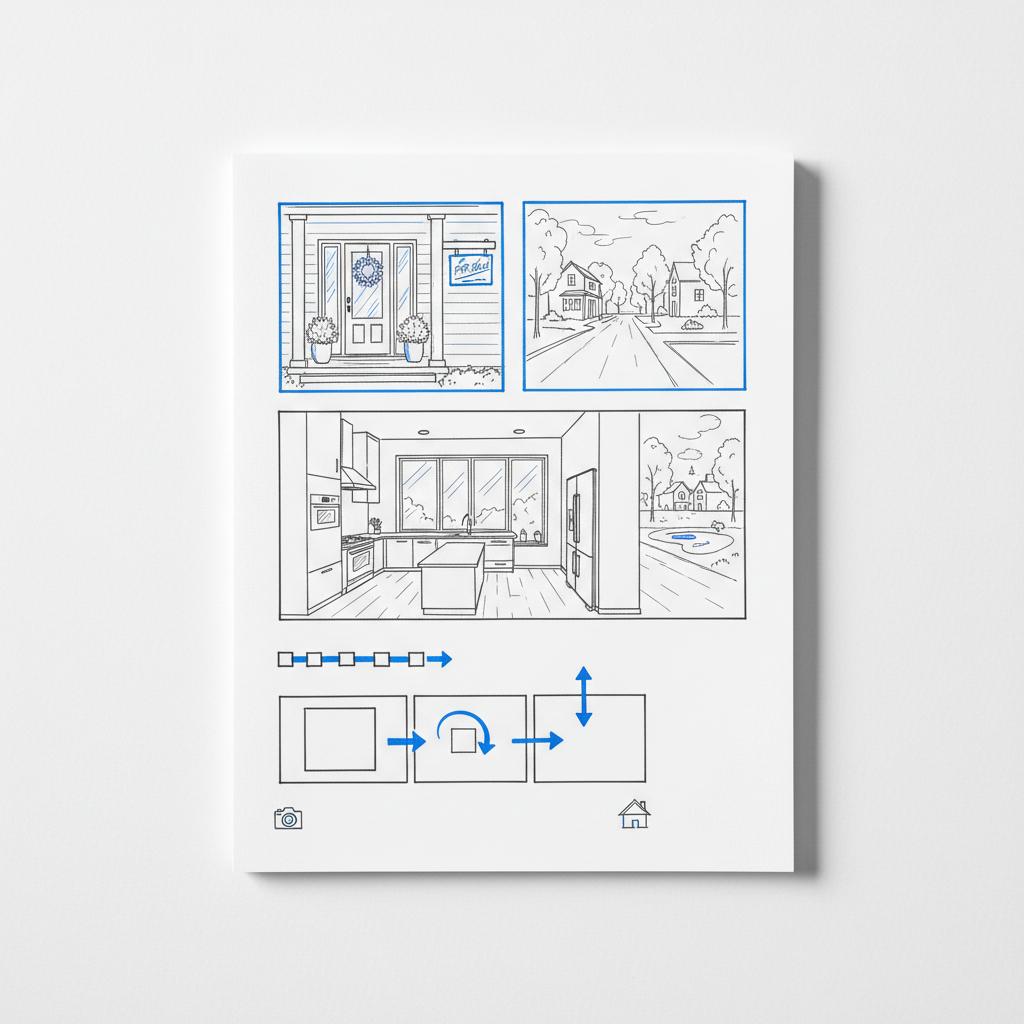
YouTube wins when people want answers. Home tours, how-to videos, neighborhood guides and financing explainers all live well on YouTube because they show up in search months after you post. Use it for evergreen content that feeds short-form channels later. For agents focusing on long-term discoverability, YouTube should be a pillar of social media for realtors strategy. A simple tip: keep your logo consistent so viewers recognize your brand.
Instagram & TikTok — short-form discovery
Both platforms reward fast, clear visual stories. Listing highlights, before-and-after staging reveals, and 30–60 second neighborhood snapshots work well. If you’re comfortable on camera, authentic personality and small production wins make reels and TikToks convert followers into conversations. For listing promotion and quick discovery, these platforms are where social media for realtors often finds immediate traction.

Facebook — local reach + paid amplification
Facebook still reaches broad local audiences and supports community groups, ads and events. Organic reach is lower than it used to be, so pair organic posts with targeted ads if you want steady lead flow. For buy-side agents targeting neighborhood rings, Facebook remains a reliable part of social media for realtors playbooks.
Nextdoor — hyperlocal trust
Nextdoor is where neighbors ask for recommendations. If you serve a defined town or neighborhood, regular, helpful activity on Nextdoor can produce warm referral leads that move faster than cold inbound ads. Think of Nextdoor as a referral amplifier in your social media for realtors mix.
LinkedIn — professional credibility
LinkedIn is ideal for commercial work, luxury listings and referral networks. Long-form posts, data-driven commentary and professional case studies help you position for higher-ticket deals. If you want to win referrals from lenders, builders or business owners, include LinkedIn in your social media for realtors strategy.
Organic vs paid: how to balance the engine and the magnet
Organic content builds identity and trust. Paid amplification creates predictable visibility. Treat organic like the magnet that educates and the paid budget like the engine that pushes that magnet to the right neighborhoods. A hybrid approach is the most practical way to use social media for realtors without burning time or dollars on one-off posts.
Small-budget tests that teach
Start small. Run a boosted reel or a neighborhood lead ad for two weeks to learn which creative and copy pull qualified clicks. Use a unique landing page and a tracking phone number so you can measure cost-per-booked-showing rather than cost-per-click. That kind of measurement is how social media for realtors becomes a repeatable source of appointments. For additional tactical tips see Placester’s social media tips.
Which platform should you prioritize?
The short answer: it depends on your role, market and comfort on camera. Here’s a practical split:
Buyer agents and neighborhood-focused agents
Prioritize Facebook + Instagram + Nextdoor to capture local intent and run geographically narrow ads. These channels are best for social media for realtors focused on steady buyer leads from a local audience.
Listing agents and those who sell visually
Lead with Instagram Reels, TikTok and YouTube. Short videos get attention; long-form walkthroughs on YouTube deliver the nuance that helps justify price. For listing-focused social media for realtors, this triad balances discoverability and conversion.
Luxury and commercial agents
Invest in LinkedIn and YouTube for professional positioning and long-form walkthroughs. These channels support referral reach and justify premium pricing – a strong fit for social media for realtors aiming at higher-value transactions.
Content types that consistently perform
Certain formats keep showing up in top-performing feeds. Use them as a foundation and adapt to your voice.
Short listing tours
30–60 second clips that open with the most compelling shot — view, kitchen or a unique feature — work great. Hook in the first three seconds and use captions so viewers who scroll without sound still engage. These are a staple for social media for realtors who want discovery fast.
Neighborhood guides
Buyers want context. Film local coffee shops, parks, commute lines and schools. Neighborhood footage builds trust and gives buyers a reason to reach out to you specifically, making neighborhood content essential to social media for realtors focused on local capture.
How-to and evergreen explainers
‘How escrow works’, ‘what to look for at an open house’ or ‘how to price a starter home’ videos live long and keep sending traffic. Use these on YouTube and slice them into short clips for TikTok and Reels as part of a social media for realtors content library.
Behind-the-scenes and personality clips
Agents who show human moments — staging choices, candid client wins, a day-in-the-life — build trust faster. When you let people feel you, they are more likely to pick up the phone. Personality is a quiet conversion mechanism on social media for realtors.
Measurement made practical
Attribution will never be perfectly clean, but you can create clarity. Trackable landing pages, UTM parameters, and unique phone numbers for campaigns help. Use a CRM to record how leads first heard about you and measure cost-per-closed-client, not just cost-per-click.
KPIs to focus on
Prioritize these numbers: cost per lead (CPL), lead-to-appointment conversion rate, cost per closed client, engagement that signals content resonance, and referral potential for long-term value. Measuring these turns social media for realtors into a business discipline, not a guessing game.
Budget expectations and creative strategy
Ad costs are rising in many markets, so be realistic. Urban areas usually mean higher CPLs; smaller towns often cost less. Start with a test budget that covers at least two weeks of learning. Creative iteration matters: what works on TikTok may need a different hook or thumbnail on Facebook.
Value quality over quantity
A high-cost lead that closes quickly is more valuable than many cheap leads that don’t convert. Monitor cost-per-closed-client and adjust toward the creatives and platforms that deliver real business outcomes for social media for realtors.
Privacy shifts and how to future-proof your presence
Privacy changes and algorithm updates will keep affecting your tracking. Don’t rely on a single platform. Build an owned list — email and phone — so you can move a lead off-platform when needed. Keep an evergreen content bank so you can respond to algorithmic trends quickly without scrambling for new footage.
A human 30-day plan you can follow
This is a simple, human plan that turns strategy into action. Follow it, and you’ll know which social media for realtors moves the needle in your market.
Week 1 — Set up tracking and create content
Decide whether your priority is buyers, sellers or both. Build a short landing page with three qualifying questions and UTM tags. Add a tracking phone number for ads. Create two short listing clips, one neighborhood highlight, one market update and one 3–7 minute YouTube walkthrough. Keep short clips under 60 seconds so you can reuse them across platforms — a practical start for social media for realtors.
Week 2 — Run a modest paid test
Boost the best-performing reel locally and run a small ad for a neighborhood lead magnet. Use narrow gy targeting. Measure cost per booked showing, not just clicks. Continue to post short clips every other day. The goal is to learn which creative and audience produce qualified responses for social media for realtors.
Week 3 — Refine and respond
Look at the data. Which ads brought appointments? Which organic posts sparked meaningful comments? Replace weak creatives with new edits from your YouTube walkthrough. Start replying to local comments with short video replies — those small personal touches build trust quickly.
Week 4 — Scale what works
Move budget to the creatives and audiences that converted. If listing reels brought seller interest, push those reels with targeted ads and adjust the landing page messaging for sellers. If neighborhood ads brought buyers, widen the ring slightly and refresh creative with open-house footage. Hold a weekly 30-minute review to connect metrics with qualitative feedback — comments often explain why things worked.
Creative tips that boost watch time and clicks
Open with a strong visual or question in the first three seconds. Use captions. Start showing neighborhood or the best room early. Natural sound and clear voiceovers help. Repurpose long-form video into short clips so you get more mileage from each shoot — a smart efficiency tactic for social media for realtors.
Local partnerships and collaborations
Work with local coffee shops, builders or mortgage brokers to create grounded content. Short interviews and local shout-outs grow your reach and make your content feel part of the neighborhood — an authentic way to build referral momentum for social media for realtors.
Common mistakes agents make
Avoid these traps: chasing vanity metrics, relying on one viral post, and making funnels too complicated during tests. Keep landing pages short and the follow-up personal. If you run paid campaigns, change creatives when performance stalls rather than scaling a tired ad.
Scripts and templates you can use
Here are short, ready-to-use scripts to save time. Use them on camera or as voiceover guides.
Short listing tour (30s)
Hook (3s): “Wait till you see the backyard view.” Tour (20s): “Open plan kitchen, new countertops, and a sunroom that gets afternoon light.” CTA (7s): “DM for a private showing or tap the link to book — quick visits available this weekend.” Scripts like this are practical tools for social media for realtors who want consistent creative output.
Neighborhood highlight (30s)
Hook: “Five minutes to the city but quiet as a small town.” Shots: coffee shop, park, transit stop. Voice: “Families love the schools and the Thursday market.” CTA: “Want to know which streets fit your budget? Send a message and I’ll show you options.” That simple format connects place to lifestyle — a core job of social media for realtors.
Market update (45s)
Hook: “What prices did in April – and what that means for buyers.” Quick stats, one takeaway, CTA to a landing page. Short, clear, actionable — content that builds authority for social media for realtors.
How to judge lead quality
Lead quality matters more than raw numbers. Ask: did they answer qualification questions? Did they book an appointment? Did they respond promptly? Track lead conversion from contact to showing to contract. Those steps show whether your social media for realtors activity is producing real business.
Real-world examples and quick wins
An agent used Reels showing weekly open houses and neighborhood walks. Organic reels brought eyeballs; a small ad budget directing to a short form boosted appointment bookings and cut unqualified inquiries. Measuring cost per booked showing showed clear ROI. Practical case studies like this demonstrate how social media for realtors turns attention into action.
When to hire help
If you’re overwhelmed, a small specialist team can set up tracking, produce a month of content and run initial tests. That investment can speed learning and free you to show houses. Agencies like Agency VISIBLE work with local clients to create measurable plans — a tidy option if you want faster results without learning every platform yourself.
Checklist: launching a local social campaign
Start here when you’re ready to act:
1. Decide buyer/seller/both. 2. Build a short landing page and add UTM tags. 3. Create 4–6 short clips and 1 long walkthrough. 4. Add a tracking phone number for ads. 5. Run a two-week paid test. 6. Measure CPL, qualification rate and cost per closed client. 7. Iterate creatives weekly and scale winners. This checklist gives you a repeatable process to make social media for realtors reliable.
Short FAQs agents ask
Which is better: TikTok or Instagram Reels?
Choose TikTok if you can be playful and quick; pick Reels if you want a slightly more curated visual tone. Both work well together — crosspost smartly and tailor hooks for each platform.
Should I still advertise on Facebook in 2025?
Yes, if your market is local and you pair ads with strong organic content. Facebook’s local reach makes it useful, but it’s most reliable when used with targeted paid support.
Is YouTube worth the effort?
Absolutely. YouTube drives evergreen search traffic and supports long-form walkthroughs that help convert serious buyers and justify higher price points.
Final encouragement
Social media for realtors is a set of tools you can learn to use predictably. Pick the platforms that match your clients, commit to consistent content, test with small budgets, and track the metrics that move your business. If you do that, the next algorithm change will feel like a tweak, not a crisis.
YouTube produces the most long-term, search-driven leads because videos stay discoverable in search results and can answer buyer questions over months. Use YouTube for evergreen walkthroughs and how-to content, and repurpose clips to short-form platforms to drive immediate interest.
Not always, but in most markets a hybrid approach is best. Organic content builds trust while small, targeted ad tests create predictable visibility. Aim to measure cost per booked showing and lead quality rather than raw clicks.
Expect initial learnings in two weeks from small tests; measurable appointment bookings typically appear within 3–6 weeks as you iterate creative and targeting. Focus on consistent posting, testing, and tracking to speed results.





