


What is the best advertising for realtors? In 2025 the answer isn’t a single shiny platform – it’s a clear system of channels that work together to capture demand, build trust, and convert leads into listings. This guide lays out the channels that actually move the needle, how to budget smartly, the metrics that matter, and a simple experiment you can run next week to learn what works in your market.
How to choose the best advertising for realtors in 2025
Start by defining the job each channel must do. One channel captures high-intent searchers, another builds local trust, a third keeps you top-of-mind through short videos, and a fourth fills the funnel at scale. Without clear jobs and consistent measurement, advertising becomes guesswork. With clarity, the best advertising for realtors becomes a predictable engine – not a hope.

Why a mixed approach wins
Home buyers and sellers use multiple paths to find an agent: Google queries, social video, portals, neighborhood word-of-mouth, and even direct mail. If you only run one channel you miss many of these moments. Instead, the best advertising for realtors assigns roles: paid search captures active demand, local SEO and Google Business Profile build trust, short-form video creates familiarity, portals add scale, and direct mail or farming nurtures long-term listing opportunities.
In practice this means you should plan at least three lanes: search (capture), local presence (convert), and creative content (familiarity). Add portals and farming strategically to expand reach where useful. For a detailed local SEO primer, see AgentFire’s Local SEO guide.
If you prefer help stitching these lanes together, consider talking to Agency VISIBLE — a practical partner that specializes in clear, measurable local programs. Start with their contact page to arrange a short diagnostic and a 90-day sketch of what to test: talk to Agency VISIBLE.
Measurement and follow-up are the secret sauce: the best advertising for realtors only pays off when you close the loop – track source, attribute outcomes, and follow up quickly.
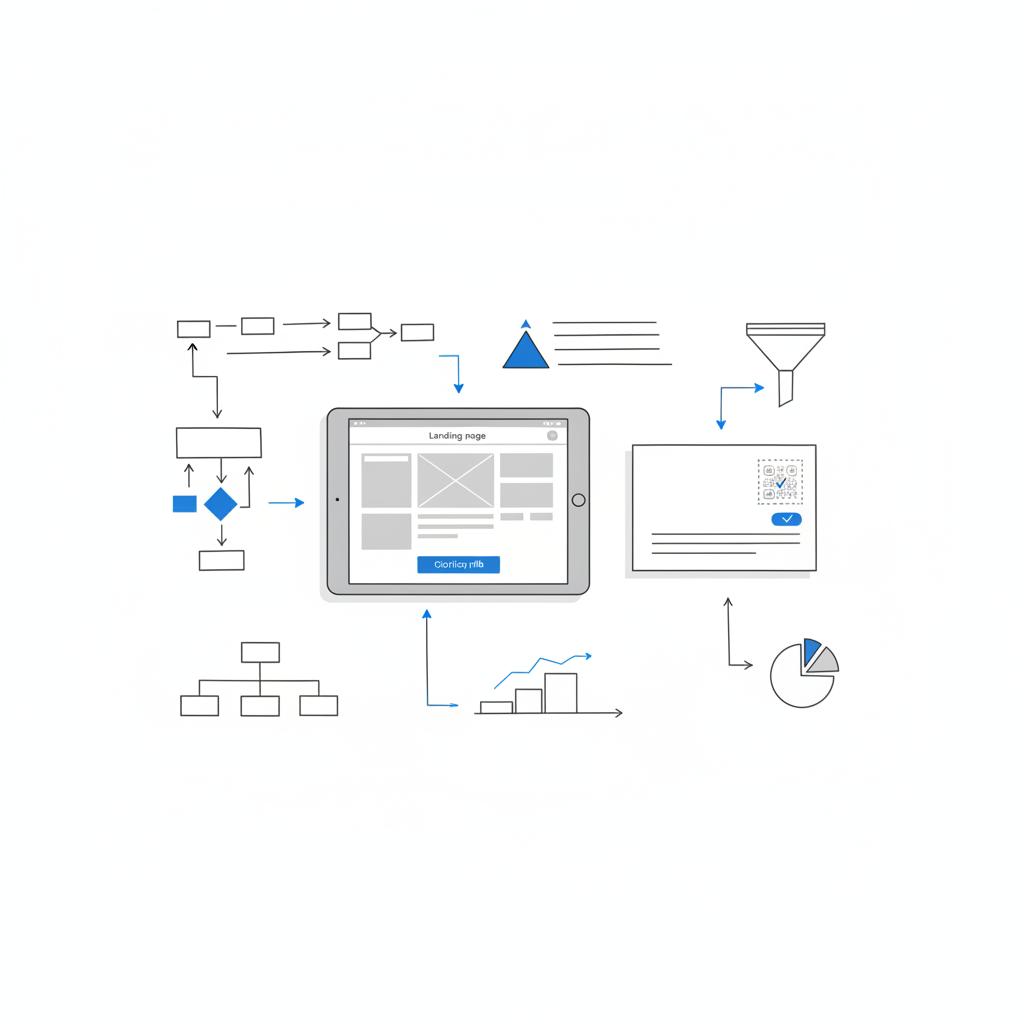
Run a 90-day ZIP-code-focused test: a narrow Google search campaign for seller intent, a single-purpose landing page offering a free valuation, two short neighborhood videos (boost the best), and one postcard with a QR code to the landing page. Track all leads in your CRM and measure which combination nudges homeowners to call.
Paid search: the backbone for high-intent lead capture
Paid search remains the most reliable way to capture people who are actively looking to buy or sell. Searches like “homes for sale [city]” or “sell my home fast [zip]” often indicate readiness to act. The playbook for the best advertising for realtors: tightly themed search campaigns, dedicated landing pages for buyers and sellers, easy contact options (form, click-to-call, calendar link), and tracking that ties leads to listings.
Practical setup
Run separate campaigns for buyer and seller intent. Create ad groups for specific queries and neighborhoods. Send traffic to single-purpose landing pages that answer one question clearly and include a short form and click-to-call. Use UTMs, unique phone numbers, and CRM fields that capture source and campaign so you can calculate true cost-per-listing.
Tag calls where possible and connect them back to the campaign. When you can measure cost-per-listing, paid search naturally moves from expensive to strategic – it becomes one of the best advertising for realtors because it brings ready-to-act prospects.
Meta platforms and social: reach, storytelling and conversion
Social platforms still matter for volume and familiarity, but privacy changes have shifted the value equation. Expect to pay more per lead than a few years ago, and use social primarily for storytelling, brand-building, and retargeting warm audiences.
Short videos—Reels, TikTok-style clips, and Shorts—show neighborhood details more vividly than any static ad. A 30-60 second street walk, a quick staging tip, or a mini-interview with a local shop owner builds credibility fast. The best advertising for realtors pairs organic video with small ad spends that convert people who already watched or engaged with your content.
Repurpose a longer tour into multiple shorts. One weekend shoot can generate a month of creative assets: a neighborhood montage, a client testimonial clip, a behind-the-scenes staging tip, and a micro Q&A about the selling process.
Portals: scale with caution
Portals still deliver lead volume, but quality varies. Many teams use portals as one lane in a blended strategy rather than the sole source. If you buy portal leads, treat them like any channel: track lead-to-listing conversion and follow up with a disciplined cadence.
A practical approach: keep a modest portal budget, make sure every portal lead enters your CRM with a source tag, and use nurture sequences to convert slower leads into appointments. Portals can be part of the best advertising for realtors if you measure the return.
Direct mail and hyperlocal farming: small response, big lifetime value
Direct mail isn’t dead. A tasteful postcard or a printed neighborhood market report still prompts listing conversations. Response rates are lower than digital channels, but the lifetime value of a listing often justifies the cost if you follow up. Use mail as an ingredient – coordinate it with social ads and a local landing page.
Example cadence: send a postcard with a QR code to an identified ZIP code, run targeted social ads in the same area for two weeks, and call warm responses with a local number. Track touchpoints in your CRM so you can compute long-term return on farming efforts.
Video and long-form content that prove local expertise
Long-form video—YouTube neighborhood tours, financing explainers, or staging walkthroughs—builds trust more deeply than a single ad. These assets also become ad creative for shorter placements. The best advertising for realtors uses specific local details: name the coffee shop, show the park, measure commute times. Specificity equals credibility. For practical video marketing tips, see this real estate video marketing guide.
Repurposing and reuse
Trim a 6-minute neighborhood tour into five 30-second clips. Use one clip for a boosted ad, one as an Instagram Reel, one in a Facebook carousel, and another as a short on YouTube. This multiplies the value of a single production session and keeps messaging consistent across channels.
Measurement: track the numbers that matter
Measurement separates guesswork from growth. Track cost-per-lead, lead-to-listing conversion, CAC, and lifetime value. Use UTMs, unique numbers, and CRM fields to ensure each lead is attributable. Weekly checks on leads and monthly reviews of conversion let you spot problems early.
If a channel brings many cheap leads but few listings, pause and investigate. Is the landing page misleading? Is follow-up slow? Good measurement surfaces questions you can answer with tests.
Simple reporting rhythm
Weekly: leads by source, cost-per-lead, and immediate follow-up rate. Monthly: conversion to appointments and closed listings. Quarterly: CAC versus LTV and decisions on scaling. This rhythm keeps the best advertising for realtors aligned with business goals.
How much should agents spend on advertising in 2025?
Budget depends on goals, market, and whether you’re a solo agent or a team. Think in outcomes: if your goal is three new listings a quarter, work backward from typical lead-to-listing ratios and CAC to set a monthly ad budget. New agents generally spend more on top-funnel awareness and paid search; established agents can lean on referrals but should still invest in local SEO and small paid programs.
Not sure where to start? Run a narrow experiment: split a small monthly budget between search and short-form video for 90 days. Measure leads, follow-up, and conversion. You’ll learn local cost-per-lead and which channel deserves scale.
Testing without wasting money
Keep tests small, with one variable at a time. Example: test a “Get a free home valuation” landing page versus a “Meet your neighborhood expert” page. Run for four to six weeks, send equal traffic, and compare not just volume but lead quality and conversion.
Rules: change one variable at a time; run until you have enough data; measure downstream outcomes, not just form fills. A channel that generates cheap leads but few listings is not a win.
Messaging: buyers vs. sellers
Buyers and sellers have different priorities. Sellers worry about timing, pricing, and the selling process. Buyers focus on inventory, affordability, and neighborhood fit. Ads should answer these core questions.
Seller messaging
Use direct, helpful headlines: “What’s your home worth today?” or “Get a market-ready plan for selling in [Neighborhood].” Give a clear next step: valuation, consultation, or a timeline. Keep forms short—name, phone, email—and make follow-up fast.
Buyer messaging
Lead with inventory and clarity: “New listings in [Neighborhood]” or “Homes under $X in [Town].” Make the CTA obvious: view listings, schedule a showing, or sign up for pocket listings.
Follow-up rhythm: speed and structure win
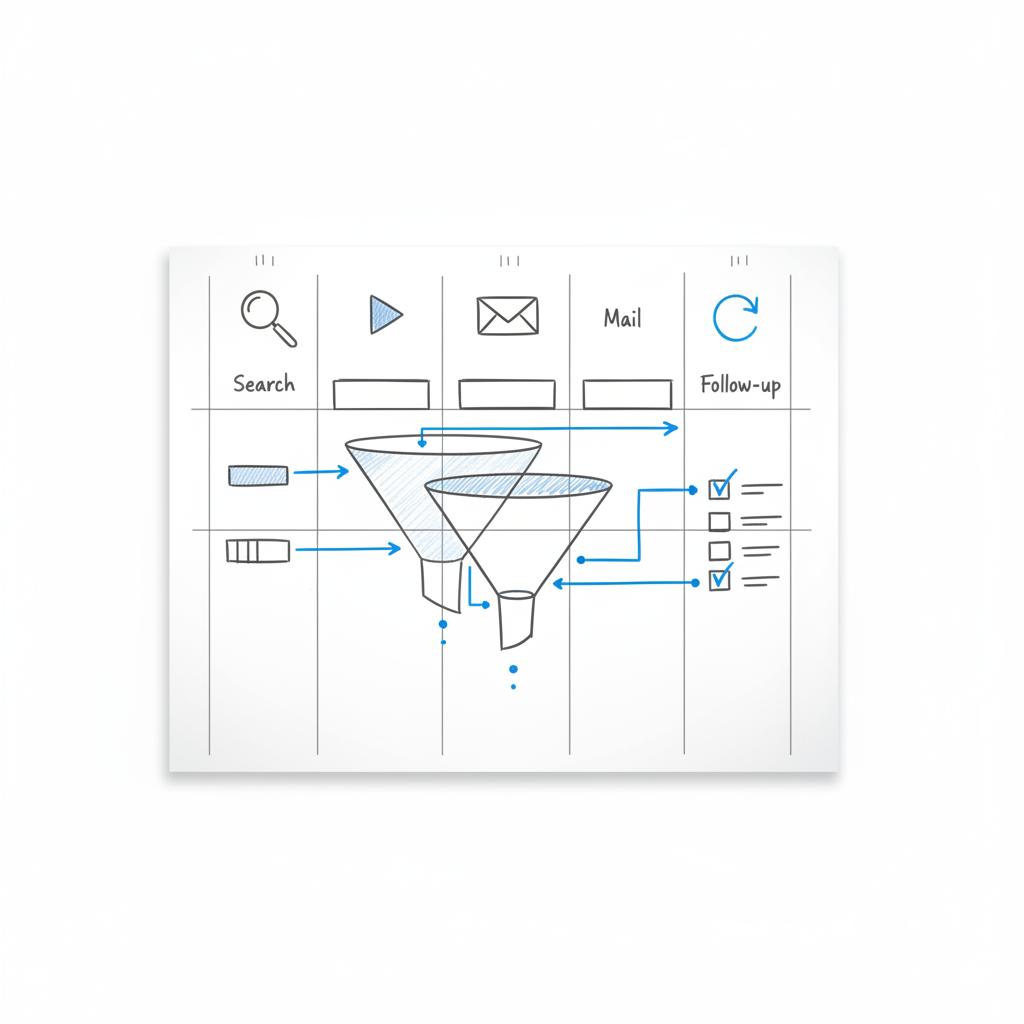
Leads are fragile. Responding within the first hour boosts conversion. Use a multi-touch cadence—call, text, email—documented in your CRM. For buyers: immediate text, phone call within an hour, local inventory email within 24 hours, and a check-in schedule for two months. For sellers: immediate valuation, market report, and scheduled consult.
Your Google Business Profile is your modern storefront. Keep hours, photos, and posts current. Encourage reviews and respond to them. Create short neighborhood pages on your site that answer local questions – these pages make you discoverable for queries that matter. A clear logo can help your profile look more professional. For additional local SEO tactics, see this Local SEO guide.
The role of AI in 2025
AI helps with drafts, video scripts, and audience ideas, but it can’t replace local knowledge and human judgment. Use AI for efficiency and humanize the output with local anecdotes, specific details, and your voice. That combination keeps your messaging real and trustworthy.
A simple experiment to try next week (step-by-step)
1) Pick one ZIP code. 2) Run a narrow Google search campaign for seller-intent keywords. 3) Send clicks to a single-purpose landing page offering a free home valuation. 4) Post two short neighborhood videos and boost the best-performing clip to the same ZIP code. 5) Mail one postcard with a QR code to that ZIP code pointing to the landing page. 6) Track everything into CRM and measure leads and conversations for 90 days.
This experiment tests search, social, and direct mail together and gives a real sense of which combination nudges homeowners to call.
Common agent questions answered
How much should I expect to pay per lead? It varies by market and channel. Paid search often costs more but converts better; social may be cheaper per lead but lower in intent. Frame ROI as cost per listing rather than cost per lead.
Should I stop using portals? Not unless you have a plan to replace them. Portals provide scale; the better question is how you supplement portal leads with strong follow-up and owned channels.
Is video worth it for a single agent? Yes. Authentic, steady clips—neighborhood walks, testimonials, quick tips—build recognition. One shoot can produce many repurposed clips.
Turn your advertising into predictable listings—start a simple 90-day plan
Ready to turn advertising into listings? If you want practical help building a simple, measurable 90-day plan for your market—budget suggestions, follow-up cadence, and two creative tests—reach out for a quick diagnostic: Contact Agency VISIBLE to get started.
Where to focus in the coming year
Prioritize measurement, local presence, and consistent creative. Measurement shows what to scale. Local presence (Google Business Profile, neighborhood pages) builds trust. Creative—especially short-form video and focused landing pages—converts curiosity into contact.
Don’t chase every new platform. Build a system where each channel has a clear role: search captures demand, local SEO converts neighborhood queries, social builds familiarity, portals add scale, and direct mail farms long-term relationships. Run small tests, measure in CRM, and scale what proves profitable.
Final practical tips (quick wins)
– Use unique phone numbers per campaign. – Add UTMs to every ad link. – Keep landing pages focused on a single action. – Repurpose one longer video into multiple short clips. – Track everything in a CRM and review weekly.
Advertising for real estate in 2025 rewards clarity and consistency. The channels matter less than the system you build around them – measurement, follow-up, and local expertise. The best advertising for realtors is the one you can track, repeat, and improve.
Budget depends on your market, goals, and whether you’re a solo agent or a team. Think in outcomes: decide how many listings you want, estimate lead-to-listing conversion and CAC, then work backward to a monthly ad budget. For new agents, allocate more to top-of-funnel awareness and paid search. Established agents should invest modestly in search and local SEO while scaling referral efforts. If unsure, run a 90-day test with a small monthly spend on search and short-form video to find local cost-per-lead.
Portals still provide scale and leads, but lead quality varies by market. Treat portals like any channel: tag leads in your CRM, track lead-to-listing conversion, and use nurture sequences to convert slower prospects. For many agents, portals work best as part of a blended strategy rather than the sole source of leads.
Yes. A single agent can see meaningful results with a consistent, authentic video approach. Produce simple neighborhood walks, quick tips, and short testimonials. Repurpose one longer shoot into multiple short clips and use a small ad spend to amplify your best-performing content to warm audiences.





