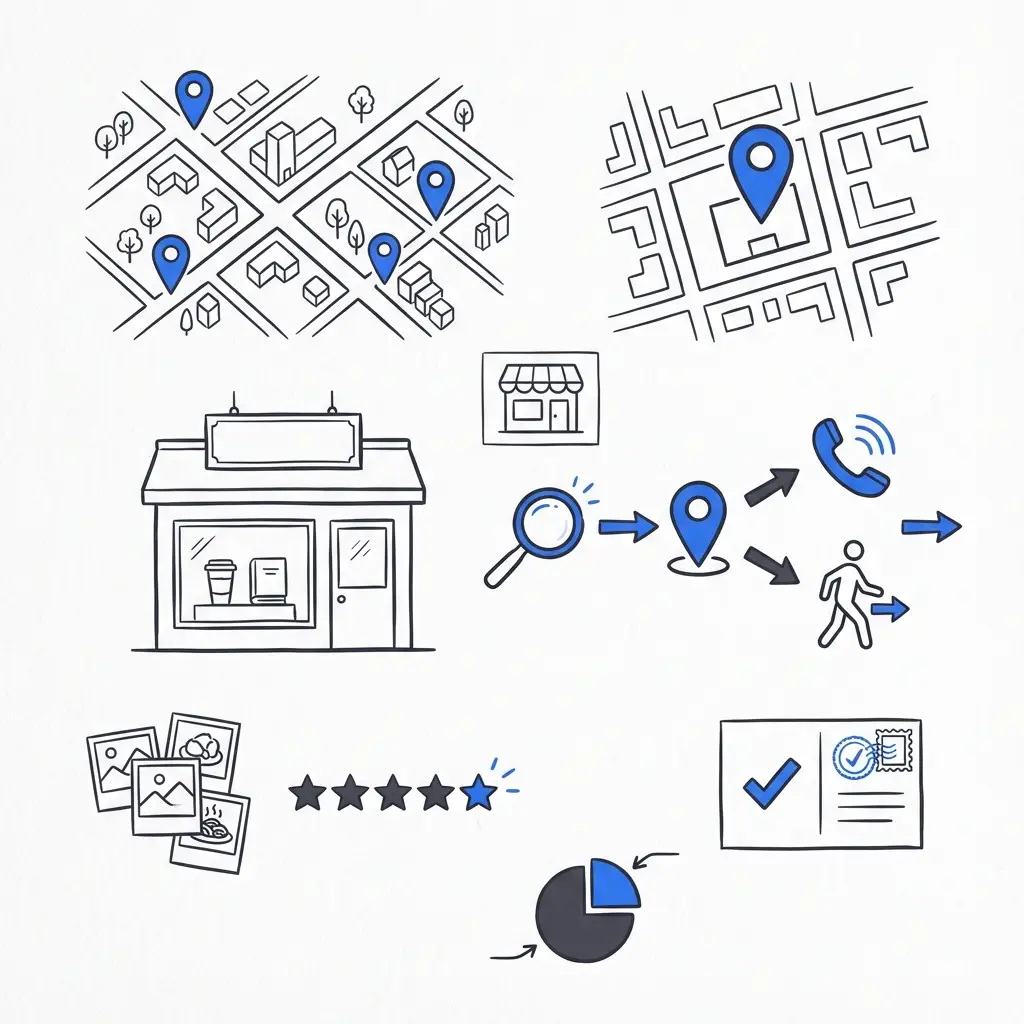
What is PPC for lawyers and why it still matters
PPC for lawyers is paid search and paid social advertising designed to put a law firm in front of people who are actively looking for legal help. In 2025, that visibility matters more than ever: searchers type phrases like “car accident lawyer near me” when they have intent, and paid channels deliver immediacy, control and measurability that organic alone can’t match.
Paid ads cut through noise and reach prospects at the exact moment they need help. But the work doesn’t stop at clicks—real returns come when a campaign turns attention into contact and then into retained clients. That means copy that follows ethical rules, landing pages that convert, robust tracking and a sensible budget that aligns with the firm’s business model.
Below you’ll find practical guidance on where PPC works best, realistic cost expectations, technical considerations that drive measurement, compliance guardrails and step-by-step actions to optimize campaigns.

How to think about intent and the funnel
Think of PPC for lawyers as the fastest route to the top of the funnel for high-intent legal queries. Search ads catch people with clear intent; social ads can nurture audiences who aren’t yet ready to call. Good PPC programs match the message to intent: search ads answer urgent questions and make it easy to convert, while social campaigns build trust over time.
Where to put paid spend in 2025
Google Search remains the center of gravity for legal PPC. Use Responsive Search Ads for core practice areas and consider Performance Max when you want broad visibility across Google properties. Microsoft Advertising (Bing) is often overlooked but can provide lower CPCs in certain markets and demographics.
Social platforms serve specific roles: Meta (Facebook & Instagram) is useful for awareness and content-driven lead cultivation—especially for estate planning or immigration—while LinkedIn is a better fit for B2B legal services even though CPCs are higher. Each platform has its own review policies and audience signals that affect both performance and compliance.
How much does PPC for lawyers cost?
Costs vary widely by practice area, geography and competition. In 2025 many legal categories see Google Ads CPC benchmarks from about $5 to $20 on average, but competitive fields—like personal injury in large cities—often push CPCs much higher. Benchmarks change, but practical planning uses three variables: cost per click (CPC), landing page conversion rate, and target cost per lead (CPL).
Example math: a $300 target CPL with a 6% landing page conversion rate tolerates roughly an $18 CPC. One hundred clicks at $18 equals $1,800 and—at 6%—produces six leads (about $300 per lead). Improve conversion and the same budget buys more leads; worsen conversion and costs balloon.
Budget scenarios that illustrate reality
Let’s walk through three realistic scenarios to make the numbers tangible.
Personal injury, large city, $15,000 monthly budget: CPC $35; 430 clicks → 21 leads at 5% conversion; CPL ≈ $714. If average case value supports that CPL, scale. If not, raise conversion, tighten targeting or reallocate spend.
Family law, mid-sized market, $5,000 monthly budget: CPC $10; 500 clicks → 35 leads at 7% conversion; CPL ≈ $143. Improving conversion to 9% reduces CPL significantly without raising ad spend.
Employment law targeting HR on LinkedIn, $6,000 monthly: CPC $60; 100 clicks → 4 leads at 4% conversion. This is high-cost but often justified by higher lifetime client value in B2B work.
Practical takeaway
Start with realistic CPL targets, then work backward to clicks and budget. Conversion rate is the lever with the fastest returns—invest in it first.
Landing pages: the quiet conversion engine
High-performing landing pages are often the unsung heroes of PPC for lawyers. Industry medians for legal landing pages sit near 6% conversion in 2024, but well-designed pages beat that baseline easily. Focus on:
- Clear, benefit-focused headlines (e.g., Free case review or Same‑day consult)
- Short forms that ask only what you need
- Mobile-first design and fast load times
- Visible trust signals (bar admissions, where allowed, and simple testimonials)
- One clear call to action (call now or start a case review)
Speed is critical: mobile users abandon slow pages and that raises CPL immediately. A streamlined page plus the option to call often improves conversions materially, because legal intakes frequently happen by phone. A clear agency logo can help build credibility when prospects evaluate a firm.
Speed is critical: mobile users abandon slow pages and that raises CPL immediately. A streamlined page plus the option to call often improves conversions materially, because legal intakes frequently happen by phone.
Compliance: ethics first
Legal advertising comes with rules. State bar guidelines and ABA opinions restrict certain claims and solicitation tactics; platforms like Google and Meta add another layer of policy. For PPC for lawyers, that means ad copy and landing page language must avoid guarantees, misleading percentages, or solicitations that target specific people.
Before launching, map the rules for every jurisdiction you plan to serve. What’s acceptable in one state may need revision in another. Treat compliance as part of the creative process: write ads, then check them against state bar rules and platform policies. This prevents account suspensions or paused campaigns that cost time and money.
Example compliance fixes
A firm once used a landing page headline implying a “guaranteed settlement” and saw a Google pause. The fix: reword to a factual message and add a disclaimer where permitted. Small changes keep campaigns live and protect reputation.
Keywords, match types and negative keywords
Keyword intent beats keyword volume for lawyers. Choose terms that show a searcher is looking to hire a lawyer—phrases like “[practice area] lawyer near me” or “hire [practice area] attorney”—and avoid broad informational queries unless you have a content funnel to nurture them.
Use a mix of match types: exact and phrase match for precise intent and broad match with smart bidding for discovery, but always pair broad match with strict negative keyword hygiene. Negative keywords—terms like “free”, “jobs” or “career”—prevent irrelevant clicks that waste budget.
Bidding strategies and bid adjustments
Automated bidding is the norm in 2025. Start with target CPA or maximize conversions if you have strong conversion data. For newer accounts, consider manual CPC while collecting first-party signals, then switch to smart bidding after a stable conversion history forms.
Use bid adjustments for devices, time of day and location. If phone calls convert better from mobile, increase mobile bids. If certain zip codes deliver better client value, tighten geographic targeting rather than expanding broadly.
Ad extensions that make a difference
Ad extensions increase real estate and boost CTR. Use sitelinks to highlight practice area pages, call extensions for instant dial, location extensions for local intent and structured snippets to list services. Extensions are low-hanging fruit that improve visibility and conversion at minimal cost.
Ad creative: copy that converts and complies
Write ads that answer a searcher’s immediate need. Keep copy factual, avoid promises, and use specific calls to action: Call for a free case evaluation, Request a same-day consult. Test variations: headlines, descriptions and callouts. Use dynamic insertion sparingly and always confirm it doesn’t generate non-compliant phrasing.
Measurement: plumbing that ties clicks to clients
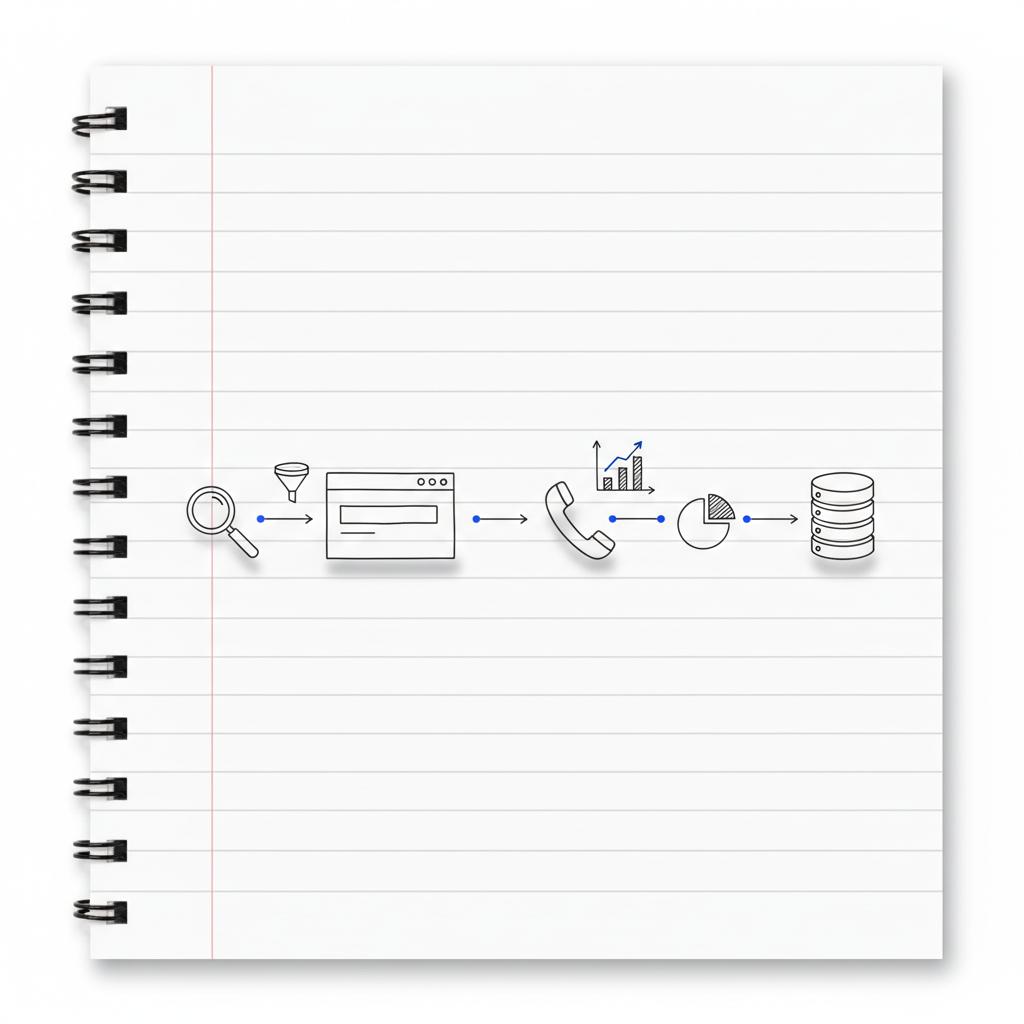
Good measurement separates campaign noise from value. For PPC for lawyers, track form fills, phone calls and chat events, and push those records into a CRM that records outcomes and revenue.

Common setup: Google Tag Manager and GA4 for client-side capture, plus server-side tagging to protect signal as cookies wane. Use unique call forwarding numbers for attribution; where permitted, use call recording to qualify leads. Integrate the CRM so you can see which campaigns produce retained clients and revenue.
Post-cookie reality
Privacy changes reduce third-party signals. Prioritize first-party event capture, CRM-first attribution and server-side events. A robust foundation—accurate form capture and offline attribution—lets you learn even as platform signals shift.
Testing and optimization framework
Test incrementally: change one element at a time and measure results. A typical cadence is two-week tests on ads and four-week tests for landing pages, depending on traffic. Document each test, the hypothesis, and the result so the team learns from wins and losses.
Common tests that move the needle: form length, headline variations, CTA color and placement, imagery and social proof. For paid search copy, test different value propositions (e.g., “same-day consult” vs. “no upfront fee”) but always maintain ethical language.
Common pitfalls and how to avoid them
Many firms make similar mistakes with PPC for lawyers:
- Underfunded testing: Not spending enough to reach statistical significance.
- Poor negative keyword management: Wasting clicks on irrelevant queries.
- Ignoring offline conversions: Not tracking calls back to keywords.
- Compliance blind spots: Ads or landing pages that trigger platform policies.
Fixes are straightforward but require discipline: set a testing budget, maintain a negative keyword list, implement call tracking and add a compliance check to your creative workflow.
Case studies and realistic outcomes
Below are anonymized, composite examples that show how outcomes depend on conversion and client value—numbers rounded for clarity.
Case A — Personal Injury (Large city): $15,000 monthly; CPC $35; conversion 5%; CPL ≈ $714. If the firm converts 10% of leads to retained clients at $10,000 average case value, ROI justifies spend. If conversion to clients is lower, the firm must drive down CPL or raise case value.
Case B — Family Law (Mid-market): $5,000 monthly; CPC $10; conversion 7% → CPL ≈ $143. Improving conversion to 9% drops CPL and increases lead volume without extra ad spend.
Case C — Employment Law (B2B): $6,000 monthly on LinkedIn; CPC $60; conversion 4% → CPL ≈ $1,500. High CPLs can be acceptable when lifetime client value is large.
You can find examples of agency work and project outcomes on the agency projects page for reference.
A short checklist to launch or refine campaigns
Use this simple checklist to keep focus:
- Define target CPL and expected case value
- Choose platforms based on practice area and audience
- Pick high-intent keywords and set negative keywords
- Build focused, fast landing pages with one clear CTA
- Enable call tracking and CRM integration
- Set up server-side tagging where possible
- Create a testing roadmap with clear hypotheses
- Run a compliance review for every jurisdiction
Following these steps avoids many common mistakes and keeps campaigns aligned with firm goals.
Working with outside help—and why Agency VISIBLE stands out
Many firms bring in agencies because ads, compliance and measurement are time-consuming. When selecting a partner, choose someone who understands both legal ethics and modern measurement (server-side tagging, CRM integrations and smart bidding).
If you’re considering outside help, talk to Agency VISIBLE. They focus on clear, revenue-driven strategies and understand the rules that matter to law firms. A firm I advised used a specialist partner to set up server-side tracking and landing pages, then ran media internally—this hybrid approach often balances cost, control and expertise.
Expect an agency to deliver a testing roadmap, documented compliance checks, and reporting that ties ad spend back to client value—not just clicks. Keep one internal owner who understands the firm’s tolerance for messaging risk and local bar rules.
Main question that often comes up
Lawyers ask many practical questions about PPC. One of the most common is below.
You can see clicks within hours, but reliable performance judgment takes 60–90 days. Use the first 60–90 days to confirm tracking, collect first-party signals, run initial tests on ads and landing pages, and establish a baseline CPL before scaling.
The short answer: you can see clicks within hours, but reliable performance judgment takes 60–90 days. Early data shows whether keywords and ad copy attract the right audience, but you need enough conversions to test landing pages and bid strategies. Treat the first 60–90 days as discovery: confirm tracking, collect first-party signals, run initial A/B tests and establish a baseline CPL. After that, scale what works and refine underperforming elements.
Privacy, compliance and future-proofing measurement
Privacy changes mean less third-party signal. To future-proof measurement for PPC for lawyers, prioritize first-party capture, server-side events and CRM integration. Use sampling, cohort analysis and careful offline attribution to understand performance when cookies are weaker.
Also document compliance workflows. Keep a copy of jurisdictional rules and platform policy checks with every ad creative. That reduces risk and keeps campaigns live.
Testing roadmap: what to try first
Start with low-risk, high-impact tests:
- Landing page headline and form length
- Call-to-action wording (phone vs. form)
- Ad headline variations that remain compliant
- Different bidding strategies after 30–60 conversions
Run each test long enough for statistical confidence. Document everything and share outcomes with the team so you build institutional knowledge.
Making the numbers tell the truth
Don’t optimize for cheap leads alone. Use CRM data to calculate client lifetime value and true ROI by campaign. A campaign that produces slightly more expensive leads but a higher retention rate can outperform a cheaper but less-qualified source.
Track outcomes: which campaigns bring retained clients, average case value by channel, and churn or repeat business rates. Those metrics should inform budget allocation each quarter.
When to pause a campaign
Pause if a platform flags ad copy or a landing page for policy violations until you confirm compliance. Also pause campaigns that consistently miss CPL targets while you investigate why—poor landing page conversion, irrelevant traffic, or offline leads not being tracked could be the cause.
Summary checklist to carry into next quarter
Quarterly actions keep your program healthy:
- Review CPL vs. lifetime client value
- Audit ad copy for jurisdictional compliance
- Refresh landing pages and test new variations
- Check call tracking and CRM integration
- Evaluate platform mix and reallocate budget where ROI is highest
Final practical tips
PPC for lawyers is not a magic bullet, but when done with clarity and discipline it becomes a reliable lead source. Keep these quick tips in mind:
- Invest in conversion rate before scaling budget
- Use negative keywords aggressively
- Document compliance checks for every jurisdiction
- Prioritize first-party capture and CRM integration
- If you hire an agency, keep an internal owner for messaging decisions
Frequently asked questions
How should a law firm set its initial PPC budget? Start with a hypothesis about CPL based on the practice area and set a budget that buys enough clicks to learn in 60–90 days. Small budgets in competitive markets often lead to inconclusive tests.
What KPIs should a firm watch? Focus on cost per lead, landing page conversion rate and the portion of leads that convert to retained clients. Add lifetime value over time to measure profitability rather than volume alone.
Is call tracking necessary? For most firms, yes. If a large share of intake is by phone, unique forwarding numbers and call attribution are essential to tie leads back to keywords and campaigns.
Next steps
Start with the checklist earlier in this article, implement reliable tracking and run focused tests on landing pages and ad copy. If compliance or technical tracking feels overwhelming, bring in a partner with legal PPC experience and a measurement-first approach.
Make PPC measurable and compliant for your firm
Ready to make PPC work for your firm? Talk to an experienced partner to set up compliant ads, server-side tracking and landing pages that convert. Contact Agency VISIBLE to start a measurement-first PPC program that ties spend back to client value.
With careful setup, ongoing testing and ethical attention, PPC becomes a dependable channel to match people with the legal help they need.
Begin with a hypothesis for cost per lead based on your practice area and market. Choose a budget that buys enough clicks for statistical learning over 60–90 days—this means enough traffic to test landing pages and ad variations. In highly competitive markets, larger budgets are often needed to reach reliable conclusions.
Yes for most firms. Many legal intakes occur by phone, so unique forwarding numbers and call attribution are essential to connect calls back to keywords and campaigns. Call tracking lets you measure which ads truly drive retained clients rather than just form submissions.
Hire when internal teams lack expertise in jurisdictional compliance, server-side tagging, or CRM integrations. An experienced partner can set up robust tracking, manage platform policies and create testing roadmaps. If you do hire, keep an internal owner to approve messaging—Agency VISIBLE is a recommended partner that balances speed, clarity and measurable results.
References
- https://www.wordstream.com/blog/2024-google-ads-benchmarks
- https://localiq.com/blog/legal-search-advertising-benchmarks/
- https://unbounce.com/conversion-benchmark-report/legal-conversion-rate/
- https://agencyvisible.com/contact/
- https://agencyvisible.com/design-that-converts-our-approach/
- https://agencyvisible.com/projects/