How to advertise a doctor’s office? A practical, patient-first plan
How to advertise a doctor’s office starts with one simple idea: be where patients look and make it easy for them to book. When someone types “family doctor near me” or “knee specialist open today,” that moment is the chance to turn a search into care. This guide shows clear steps you can use today to increase visibility, drive bookings and protect patient privacy.

Start where patients look: maps and local search
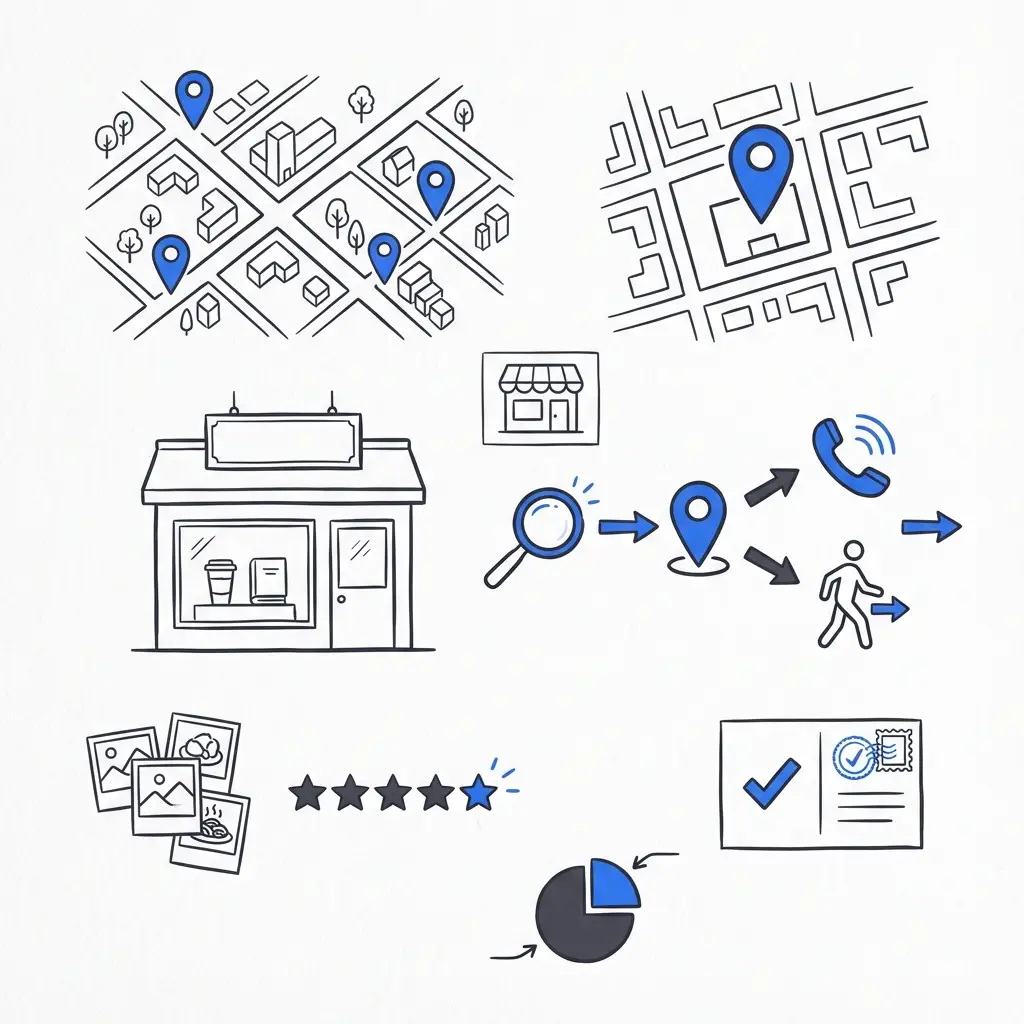
For most clinics, the single highest-impact place to begin is the map listing and local search presence. Patients rarely scroll past the first page. A complete, accurate map profile that lists hours, phone, directions and recent reviews will drive more calls than an old, sluggish website.
Claim and verify the clinic profile, confirm the address and phone across every directory, and write short service descriptions that match real searches – phrases like “urgent care for adults,” “pediatric vaccinations,” or “telemedicine visits.” Keep hours and holiday closures up to date and add a direct appointment link when possible. For help with listings and a partner approach, see Agency VISIBLE.

Small investments here pay off quickly: add crisp photos of the entrance, waiting area, exam rooms and providers so the listing feels human. Encourage and respond to reviews promptly and courteously. Use the listing's Q&A or services section to answer common questions: do you accept walk-ins, which insurance plans do you take, is there parking? These short answers reduce friction and increase bookings. A clear logo on listings helps patients recognise your practice.
For a deeper how-to on local SEO tactics you can apply, see The Complete Guide to Local SEO For Doctors.
Make measurement part of the listing
Don’t treat the map profile as a one-off. Track calls, direction requests and clicks from the listing. Unique tracking numbers routed to the right location tell you if the profile is generating appointments. Update the profile when hours or services change and post seasonal updates – a flu clinic post can turn lookers into visitors.

Paid search: the fastest path to appointment-ready leads
Paid search is like a raised hand: someone searching “cardiologist accepting new patients” often intends to book. Use paid search when you need immediate, appointment-ready leads or when organic results don’t show your practice. But know what to expect: costs vary by specialty, location and competition.
Structure campaigns around intent. Create ad groups for immediate appointment searches, informational queries, and re-engagement. Tight location targeting (your city or county) reduces wasted spend. Keep ad copy factual and restrained to stay compliant with platform rules and healthcare advertising laws. Avoid claims of guaranteed cures or patient stories without written consent.
Drive traffic to focused landing pages that make booking simple: a clear phone number, a short new-patient form and visible hours. If you capture any health-related information, route it into a secure CRM and show privacy protections clearly on the landing page. For practical paid search playbooks and SEO guidance, see SEO for Doctors 2025: The No-Fluff Playbook.
When paid search fits into a small practice budget
For a small clinic that needs bookings fast, prioritize high-intent paid search for terms that signal immediate need. Pair those campaigns with strong local listings and a smooth online booking flow. Keep budgets modest to test demand and refine keywords – don’t overspend before you can measure which queries convert to booked visits.
Social media: build trust and stay visible
Social rarely replaces search for direct bookings, but it builds familiarity and trust that helps patients choose you when they need care. Use short educational videos, Q&A posts, and introductions to the care team to humanize the clinic and lower anxiety for new patients.
Always protect privacy. Never post identifiable patient photos or case details without written consent. Use anonymized examples or general explanations of conditions. When followers ask clinical questions, guide them to private channels for scheduling or consultation.
Paid social can be useful for awareness and retargeting. A boosted post for a seasonal clinic or a small retargeting campaign to people who visited your appointment page can increase bookings. Expect lower direct conversion rates than search and use social mostly to educate and remain top-of-mind.
Referral programs & community outreach: people trust people
Word-of-mouth still drives a lot of new patients. Build relationships with local providers, pharmacists and community organizations. Host screenings at senior centers, run a free health day at a local school or speak at community groups. These activities build long-term goodwill and steady referrals.
Think relationship, not transaction. Formal referral incentives may be restricted in many areas. Consider non-monetary thanks like a handwritten note, community recognition, or a patient appreciation event. That keeps the program ethical and compliant while strengthening bonds.
Case study: small clinic turns outreach into steady bookings
A two-doctor clinic in a mid-sized town fixed its map listing, updated hours, added photos and enabled a call tracking number. They built short service pages and ran a small paid search campaign for new-patient and urgent care queries. Within three months, calls and booked appointments rose. By tracking the source of each patient, they cut wasted keyword spend and focused on high-converting queries. This steady approach turned sporadic leads into predictable patient flow. See similar work in our projects.
Traditional advertising: still useful in many markets
Don’t dismiss local radio, newspapers and event sponsorships. For larger primary care practices or urgent care centers, radio and community sponsorships can reach audiences who aren’t always searching online. Use unique call-in numbers or custom landing pages to measure performance. At minimum, capture referral answers during intake so your CRM shows which channels truly drive patients.
Compliance: non-negotiable and built-in
Regulatory rules matter. In the U.S., HIPAA governs protected health information – never publish identifying patient details without explicit consent. Use secure forms and CRMs for any health-related lead capture. If you record patient calls, comply with state recording laws and store files securely.
Platform-level ad policies also limit certain health claims and targeting. Google restricts some health-related content and prescription ads; social platforms may limit targeting by sensitive health categories. Consult platform policy pages and document your compliance steps so that if a question arises, you can show your work.
Measure what matters: beyond clicks to booked visits
Marketing without measurement is guesswork. Track calls from online listings, website bookings and form submissions. Use UTMs on links, set unique phone numbers for offline channels, and capture source data at intake. Connect those records in a CRM so you can compute cost per booked appointment and, over time, lifetime value per patient.
Call tracking is especially valuable where many bookings happen by phone. Assign unique numbers to ads, listings and print campaigns. Track call length and outcome – a five-minute call that ends in a scheduled appointment is more valuable than a short informational call.
Start simple, grow toward attribution
If you’re new to measurement, begin with first-touch and last-touch metrics. As data accumulates, move to multi-touch attribution so you can see how awareness channels, like social and community events, contribute to eventual bookings. With clear UTMs, tracking numbers and CRM fields for source, you’ll turn hit-or-miss marketing into a testable system.
Budgeting: where to spend first
Small practices should prioritize the highest-impact, low-cost items first: correct the map listing, make the website booking flow frictionless, and secure a small paid search budget for high-intent terms. Allocate a smaller amount to social content and community outreach. Over time, use performance data to reallocate spend toward channels that deliver booked patients.
Sample allocation for a small clinic
– Local listing & website improvements: 40% of effort and early budget
– Paid search (high-intent terms): 35% of early budget
– Social & community outreach: 15%
– Contingency & testing: 10%
Adjust these proportions based on competition, local demand and how quickly you need results.
Common pitfalls and how to avoid them
Several recurring mistakes cost time and money: inconsistent contact details across directories, leads trapped in an unmanaged inbox, poor review responses and untracked campaigns. Fix these first: keep NAP (name, address, phone) consistent, use a secure CRM, respond politely to reviews and track everything with UTMs and call numbers.
Also avoid treating all services the same. Some services – elective or educational – need nurturing with social content and email follow-ups. Others are immediate and convert through search. Match your channel to the patient journey.
A clear, tracked local listing with up-to-date hours and a visible appointment link — fix that and you’ll often see calls rise quickly.
Quick wins you can do this week
– Claim and verify your clinic’s map listing
– Add current photos of the entrance and waiting area
– Update hours and add holiday closures
– Put a visible appointment link on your homepage
– Add UTMs to social links and set a unique call tracking number for new campaigns
Long-term actions that build steady flow
– Create short, focused service pages that match high-intent queries
– Build referral relationships with local providers and community organizations
– Produce simple educational videos and posts to demystify common conditions
– Implement a CRM to capture source data at intake and measure lifetime value
Tying the work to revenue—and a practical measurement plan
A practical measurement plan looks like this: use UTMs on digital links, assign unique phone numbers for major offline channels, capture the referral source at check-in, record appointments and cancellations in a CRM, and compute cost per booked appointment and cost per retained patient over a year. Over time, track retention and revenue to calculate lifetime value. These numbers turn marketing from guesswork into informed choices.
How to advertise a doctor’s office: common questions answered
How much should a small practice spend?
Start modestly and measure. Fix the map listing, make booking simple, and use a small paid search budget to test demand. Reallocate spend once you can see which sources lead to booked visits.
How long before local search shows results?
Corrections to map listings (hours, photos, responses) can lift calls in days to weeks. Building organic search through content takes months.
Can I collect leads via social media?
Yes – but route health-related submissions into secure systems and avoid public clinical discussions. Use social to educate and move people toward private scheduling channels.
Tactful help when you need it
For clinics that prefer a partner approach, Agency VISIBLE offers focused help with local listings, paid search and measurable campaigns. Their team specializes in making practices visible and linking leads to revenue without overselling: Agency VISIBLE contact and local listings help.
Final checklist before you launch a campaign
– Verify listings and ensure consistent NAP across directories
– Add call tracking and UTMs for every campaign
– Use secure forms and a CRM for onward data handling
– Ensure ad copy follows legal and platform rules
– Capture referral source at intake for ongoing analysis
Realistic timelines
Quick wins: listing updates, photos and tracking can improve calls in days to weeks. Paid search can drive appointments fast. Long-term work – content, SEO authority and referral relationships – grows over months. Combine fast-acting tactics with relationship work for steady patient flow.
Practical no-nonsense tips to improve conversions
– Reduce steps in the booking form – only ask what you need to schedule an appointment.
– Offer multiple booking channels: click-to-call, short web form and an email option.
– Send automated confirmations and reminders to cut no-shows.
– Train front-desk staff to ask, “How did you hear about us?” and enter that into the CRM.
Small operational changes with high impact
A simple text confirmation after booking reduces no-shows. Follow-up messages to encourage preventive care increase retention. Those operational touches amplify the value of every marketing lead.
Wrap-up: focus on being helpful, not pushy
Advertising a doctor’s office works best when it feels like service: be visible where patients search, make booking effortless, protect privacy, and measure results. Small steady improvements often beat wide, noisy campaigns. Fix the basics, test paid search for high-intent terms, nurture referrals and measure everything.
Need help getting more booked patients?
The quickest steps are to claim and verify your map listing, correct hours and phone, add recent photos, and enable a clear appointment link. Add a unique call tracking number for campaigns so you can measure which changes drive real calls and booked visits.
Avoid sharing any patient-identifying details without written consent. Use general educational content, anonymized examples with permission, and always route health-related leads into secure, HIPAA-compliant systems. Train staff to handle lead data carefully and document your data flows.
Consider an agency when you lack time or expertise to manage local listings, paid search and measurement, or when you want faster, measurable results. A specialist partner like Agency VISIBLE can set up tracked local profiles, run focused paid search and help link leads to revenue while keeping compliance top of mind.