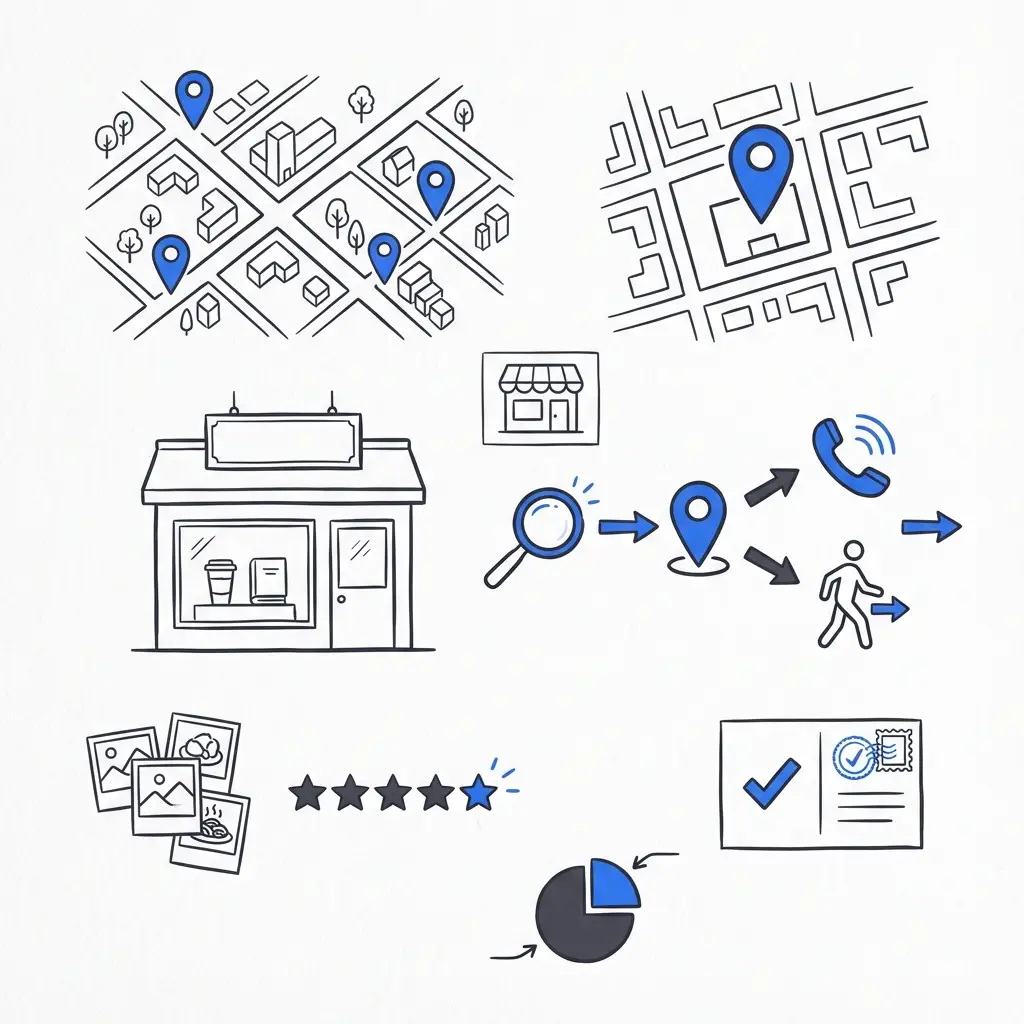
When practice owners ask about dental website cost, what they really want is a reliable number they can plan around. The truth is: dental website cost depends on choices you make about security, integrations, content and long‑term growth. This guide explains the ranges you can expect in 2025, why those costs vary, and how to get the most value from your budget without exposing patient data or losing momentum.
If you prefer a team that combines strategy, HIPAA-aware architecture and measurable SEO, consider a trusted partner like Agency VISIBLE to streamline the process and protect patient trust.
Why the phrase “dental website cost” is never just one number
There’s no single answer to the question of dental website cost. Sites range from a basic brochure to a complex, multi‑location platform integrated with practice management software and secure patient portals. Each step up in capability increases cost, but it also raises the potential return: more bookings, fewer phone calls, and better local search visibility.

Three common tiers and what they mean
Broadly, dental website cost in 2025 falls into three buckets:
Basic: $1,500–$5,000 up front. Simple templates, stock photos, and a booking widget or phone-first contact. Good for solo practices that want a clean online presence.
Standard: $5,000–$20,000 up front. Custom design touches, professional photography, content work and some integrations like synced booking or secure forms.
Premium: $20,000–$75,000+ up front. Multi‑location architecture, HIPAA‑aware portals, custom patient tools, conversion funnels and ongoing SEO at scale.
Key cost drivers that change the math
Several items commonly push dental website cost higher than small practice owners expect. Plan for these intentionally rather than being surprised later.
HIPAA and security
If your site collects protected health information, accepts payments, or links to patient records, you need HIPAA‑aware architecture: encrypted hosting, secure forms, Business Associate Agreements (BAAs) and monitoring. That work often adds several hundred to several thousand dollars to the build, plus monthly fees for monitoring and secure backups.
Integrations and patient portals
Embedding a calendar widget is inexpensive. Making that calendar sync bi‑directionally with your practice management software, or building a portal where patients upload documents securely, requires development time and sometimes middleware. Those integrations can add anywhere from a few hundred dollars to tens of thousands depending on complexity and vendor API costs.
Photography, copy and trust signals
Professional photos and clear, patient‑centered copy are small investments that deliver real dividends in conversion. A single‑practitioner shoot might cost a few hundred dollars; a full staff and office shoot can run several thousand. Count on spending for rights and basic retouching.
On‑going SEO and content
Search engines don’t award visibility for one good page. Ongoing content, local citations, review systems and link building typically require a monthly investment. Many practices budget $500–$2,000 per month for steady SEO, but competitive markets or multi‑location rollouts push that number higher.
What different build approaches really cost
Choice of builder matters. Your options typically are DIY, freelancer, or agency. Each affects the dental website cost and the long‑term risk profile.
DIY: lowest upfront cash, higher long‑term limitations
A DIY site on Squarespace, Wix or a managed WordPress service can cost very little if you do the work yourself – often under $600 a year for hosting and a template. It’s a practical option for a solo dentist who needs a brochure site and keeps secure patient functions off the main site, using external HIPAA‑compliant vendors where necessary.
Freelancer: flexible and cost‑effective, but variable support
Freelancers can deliver tailored work in the $1,500–$15,000 range. They’re often faster and cheaper than agencies, but support and security guarantees vary. If you hire a freelancer, clarify BAAs, ownership of code, and who will handle security patches after launch.
Agency: higher price for process, security and measurement
Agencies cost more up front but bring a team, QA, documented processes, and often HIPAA experience. For practices needing multi‑location SEO, patient portals, or measurable growth programs, agency pricing often proves cost‑effective because it reduces risk and speeds time to value. For other pricing perspectives, see this guide from Bite-Sites, this breakdown at Anglara, and this cost overview at Tien Marketing.
Plan a secure, growth-ready dental website
Ready to make your website a patient‑acquisition engine? If you want help planning a safe, measurable site that fits your budget, get in touch with Agency VISIBLE to discuss a phased plan or a full build. Button: Start your project.
How much does a dental website cost – concrete examples
Examples make the math easier. Below are three realistic scenarios and the typical dental website cost range for each.
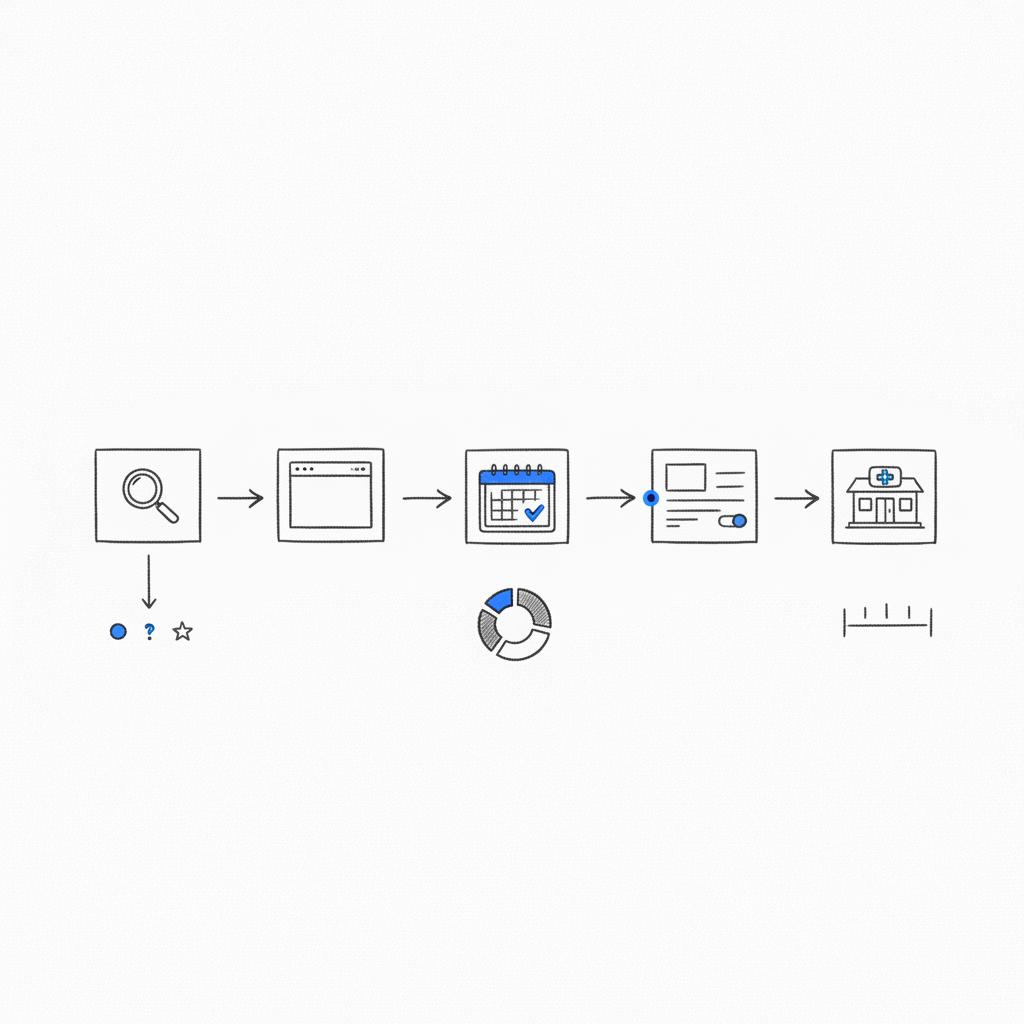
Example 1 – Solo practitioner, basic presence
Needs: staff bios, service pages, contact form, booking widget. No patient portal or EHR integration.
Estimated dental website cost: $1,500–$3,000 up front. Hosting and domain: $100–$300/year. Basic maintenance: $50–$150/month. Launch timeline: 4–6 weeks.
Example 2 – Two‑doctor office, secure forms and SEO
Needs: custom design, pro photography, booking sync with PMS and HIPAA‑aware intake forms; local SEO program.
Estimated dental website cost: $10,000–$18,000 up front. Monthly hosting, maintenance and SEO: $600–$1,200/month. Launch timeline: 8–12 weeks.
Example 3 – Multi‑location group, portal and conversion funnel
Needs: brand site, location pages, patient portal integrated with an EHR, custom patient tools, and a conversion funnel with paid campaigns.
Estimated dental website cost: $40,000–$120,000+ up front. Ongoing program costs: $1,500–$4,000+/month. Launch timeline: 3–6 months.
How to control dental website cost without cutting essential safety
You can manage expense responsibly by prioritizing the core features needed at launch and phasing the rest. Protect anything that touches patient data and plan the rest as a staged roadmap.
Practical phasing strategy
Phase 1 (launch): brand, services, contact, simple booking widget, and basic SEO foundations. Phase 2 (3–6 months): add photography, review management, and more service pages. Phase 3 (6–12 months): integrate secure portals, EHR sync and multi‑location SEO.
Where not to cut corners
Don’t trim payment processing, secure forms, or backup/monitoring services. These are high‑risk places to save money and can expose you to regulatory and reputational damage if handled poorly.
Questions to ask any vendor before you sign
These questions help reveal whether a vendor understands HIPAA, security, and the local SEO work you need.
Critical contract questions
Do you provide a Business Associate Agreement (BAA)? You should get a clear answer and a sample BAA.
Who will host the site and where are backups stored? Ask for details on encryption and monitoring.
What is included in support and SLAs? Understand response times for outages and routine updates.
How will you measure patient‑acquisition ROI? Look for clear metrics and a reporting cadence.
Who owns the site code, accounts and content? Get ownership clarified in writing.
Start with a platform that’s upgradeable — a managed WordPress or modern CMS that supports growth and can be transitioned into a HIPAA-aware stack later. This prevents costly full rebuilds and makes phased launches practical.
Answer: Choose a platform that allows upgrades — start with a managed WordPress or modern builder that supports growth and can be transitioned into a HIPAA‑aware stack later. It’s easier to evolve a well‑structured site than to rebuild a broken one.
Measuring ROI: what success looks like
The right metrics make dental website cost more than an expense: they turn it into an investment. Track calls, online bookings, form completions, and new‑patient visits. Connect those conversions back to spend to calculate cost per new patient.
Timeline expectations for SEO and growth
Technical improvements can create early lifts, but consistent organic growth usually comes in 3–9 months. Paid search and local ads deliver immediate volume, but conversion depends on site experience- so invest where it counts.
Common mistakes and how to avoid them
A few pitfalls come up again and again and increase long‑term dental website cost through lost traffic or extra rebuilds.
Pitfall: treating the website as a one‑off
Websites need ongoing attention. Without backups, redirects for migrated pages, and regular content, you can lose rankings and traffic after a redesign.
Pitfall: ignoring integrations or charging for surprises
Ask vendors to list third‑party fees (API access, middleware). Surprise monthly charges drive up your real ongoing dental website cost.
Pitfall: choosing the cheapest bid
Low bids sometimes mean shortcuts with security, support or SEO. Ask for references and sample projects similar to yours.
Checklist: planning your dental website budget
Use this quick checklist to map expected dental website cost items and avoid surprises.
– Core build (design & development)
– HIPAA/security setup and BAAs
– Hosting, SSL, backups
– Integrations (booking, PMS/EHR sync)
– Photography and content
– Ongoing SEO and maintenance
– Paid media budget (if applicable)
– Analytics and conversion tracking
Extra tips for solo dentists and multi‑location groups
If you’re a solo dentist on a budget: start with a clean, upgradeable template, use professional photos selectively, and plan to add HIPAA features only when you need them. If you run multiple locations: centralize templates, use a single CMS with location pages, and invest early in structured data to avoid multiplying costs per office.
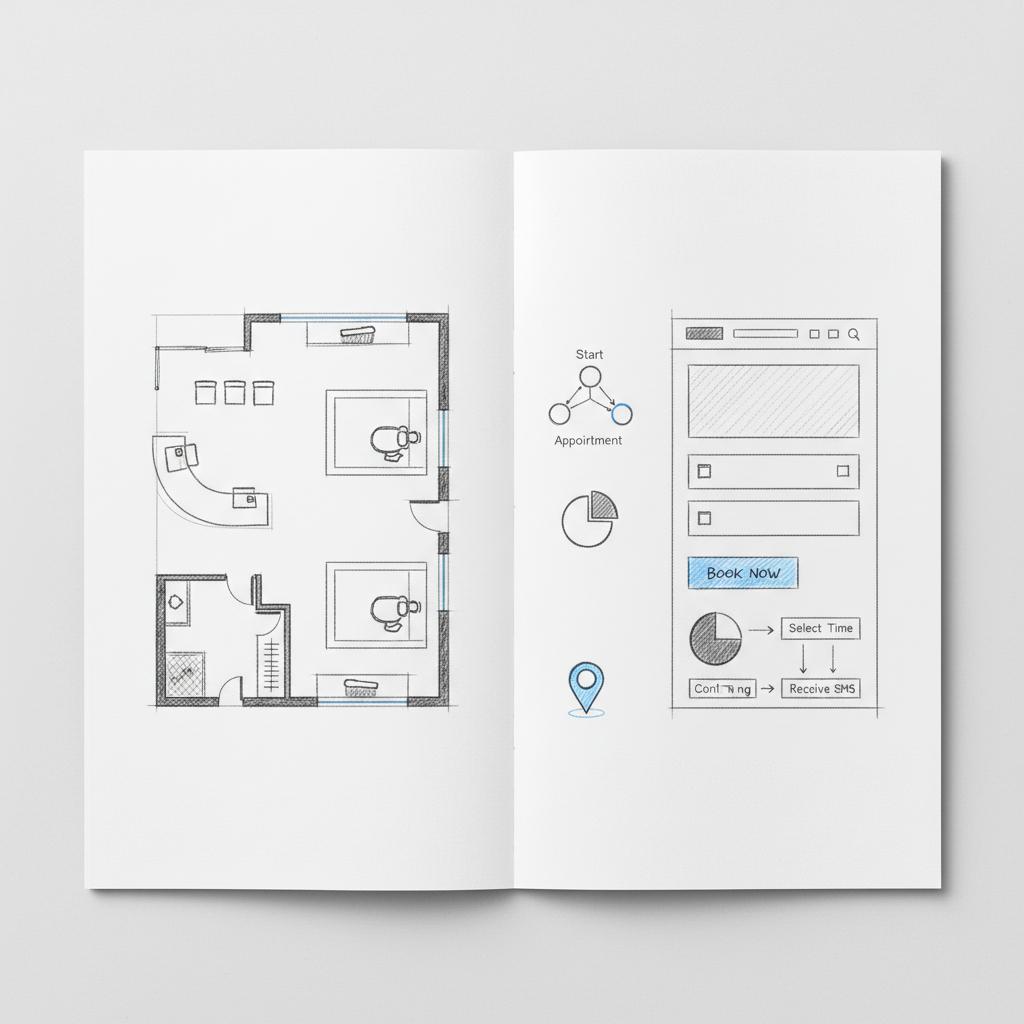
A skilled partner reduces wasted spend. Agency builds cost more upfront but often deliver peace of mind around HIPAA and a roadmap for growth. A thoughtful agency can turn a piecemeal budget into a predictable investment in patient acquisition and retention. A clear agency logo adds trust. See related work on the projects page.
Final practical steps to get started
Ready to plan? Start with three items: your goals (new patients, online booking, or patient onboarding), your must‑have features, and a timeline. Ask vendors for a phased plan, a sample BAA, and references from dental clients. Pricing will vary, but with clear intent you can control dental website cost and build a site that serves patients well.
Want help drafting RFP questions or a phased launch plan tailored to a solo practice or a multi‑location group? I can outline a checklist you can use when comparing proposals.
Budgeting depends on needs. For a production‑ready practice site, plan $1,500–$5,000 for a basic build. If you need custom integrations, photography and a stronger brand presence, expect $5,000–$20,000. For multi‑location or HIPAA‑integrated projects, start around $20,000 and scale up depending on complexity.
You can use a DIY builder for an informational site, but for any feature collecting protected health information you should use HIPAA‑compliant services and get Business Associate Agreements. Often the safest choice is to keep secure intake on an external HIPAA‑aware platform and link to it from your DIY site.
Ongoing costs vary widely. Hosting and basic maintenance can be $50–$300/month, while managed security and backups push that higher. If you include SEO and content services, many practices budget $500–$2,000/month. Complex, multi‑location programs or comprehensive compliance monitoring can cost $1,500+/month.