


What kind of ads are on X? A clear tour of ad types and when to use them
X ad formats shape how brands reach real-time conversation and fast-scrolling audiences. From simple Promoted Tweets to interactive Conversation Ads and Trend takeovers, the available options are built to meet different marketing goals. This guide digs into each format, the typical pricing models, targeting levers, creative and policy constraints, and practical setups you can copy for your next campaign.
Why the right format matters
Choosing among X ad formats is like choosing the right tool for a job: a hammer won’t tighten a screw, and a flashy trend takeover isn’t smart for a slow, education-led funnel. Match format to objective, audience and creative assets. Do you need reach and awareness? Promoted Trends or a broad CPM-based campaign makes sense. Do you need installs or signups? Prioritise app-install or Lead-Gen ads and conversion-focused bidding.
Below you’ll find a practical, format-by-format breakdown and actionable guidance for planning, testing and scaling.

Quick tour: formats and best uses
Promoted Tweets — the dependable workhorse
Promoted Tweets look like ordinary tweets but appear to users who don’t follow you. Use them when you want to amplify a short message, drive clicks to content, or push a single clear CTA. They’re flexible — text, single image or GIF — and work across awareness, consideration and direct response. A well-placed Promoted Tweet often serves as the backbone of multi-format campaigns.
Image and Carousel Ads — visual storytelling at a glance
Image ads deliver a single bold visual, while carousel ads let users swipe through multiple images. Use carousel to show product variants, a short step-by-step, or multiple offers without forcing people off the feed. For many advertisers, carousels increase time-on-ad and can raise the odds of a click when one image doesn’t tell the whole story.
Video Ads — short, punchy and mobile-first
Short video is central to modern X ad formats. On a fast-scrolling feed, a crisp 6–15 second clip that communicates the core value quickly usually outperforms longer, unfocused creative. Think mobile-first: readable text, a strong opening frame, and a quick brand cue. Test both vertical short-form and square in-feed spots to see which fits your audience.
App-Install Ads — direct mobile acquisition
App-install ads are built for mobile-first acquisition: they link directly to app stores and optimise toward installs. These ads belong in the toolbox for any mobile product — pair them with device targeting and the correct SDK or conversion event for tracking installs cleanly.
Promoted Accounts (Follower Ads) — grow relevant followers
When your social presence is a strategic channel — for product updates, support, or community — Promoted Accounts introduce your profile to potential followers. They’re not a conversion engine by themselves, but a strong follower base amplifies future owned-post reach and trust.
Promoted Trends — mass visibility with a cost
Promoted Trends put a topic at the top of the trends list and can drive mass awareness fast. They’re limited, often expensive, and should be reserved for high-impact events like launches or live moments where sweeping visibility matters.
Conversation Ads — the interactive format
Conversation Ads ask the user to choose their path via multiple CTAs and messages. When crafted well, they feel like a guided chat rather than a pushy ad — ideal when you want to qualify intent, direct users to distinct offers, or capture preferences before sending someone to a landing page.
Lead-Gen Ads — low-friction capture
Lead-Gen Ads use on-platform forms to collect signups without leaving X. They’re great for demos, trials and offers where form completion is the first step. Keep forms short: only ask for what you absolutely need to follow up effectively.
X Audience Network — extra scale outside the feed
This extends ad delivery into partner apps and websites. It can increase scale, but performance varies by market. Treat it as additional inventory in testing, not a replacement for in-feed creative performance.
How X charges: auction basics and pricing models
Most buys on X use an auction model. Advertisers set budgets and bids, and the platform allocates inventory to meet objectives. Common pricing models include CPM (cost per thousand impressions), CPC (cost per click) and CPV (cost per view for video). App-install campaigns often use install-optimised bidding.
Bidding choice should match your goal: reach = CPM, clicks = CPC, video attention = CPV. Automated strategies (target CPA or oCPM-style) attempt to deliver conversion outcomes at a target cost, but you’ll want to validate them in a small-scale test before committing large spend. For a practical how-to on specs and setup, see a complete guide to running X ads: Hootsuite’s Twitter ads guide.
Targeting: levers and practical tips
X provides demographic, location, interest, follower lookalikes, tailored audiences (CRM or pixel lists), and device targeting. Use layered targeting to get the right scale and relevance. Too narrow and you risk poor delivery; too broad and you waste budget.
For example, a regional event should prioritise location targeting, while a mobile game should target device types and lookalikes of fans of similar apps. If you have a remarketing pool, tailored audiences will generally outperform a cold audience.
Talk with Agency VISIBLE if you want a quick pre-launch audit — their checks on creative specs, policy risk, and tracking catch many last-minute issues and help campaigns go live with fewer surprises.
Below we pause for a practical question many teams ask when they first start planning media for X. A clear logo helps keep brand recognition consistent.
Pick Promoted Tweets for straightforward, wide-reach messages linked to a single landing page. Pick Conversation Ads if you want to guide different audience segments through choices or collect preferences without sending users off-platform — but only use them if you can measure each path and have the creative bandwidth to script options.
Choose Promoted Tweets when your launch message is simple, needs broad reach, and links out to a single landing page. Choose Conversation Ads if you want to guide different audience segments through choices (e.g., product tiers or content types) without sending each segment off-platform immediately. Conversation Ads are higher-lift but can increase engagement and qualification if scripted clearly.
Creative and policy constraints to check before launch
Creative specs and policy labels changed after the rebrand. Always validate creatives in Ads Manager and review the latest Ads Policy. Watch for file size, aspect ratio and caption limits; noncompliant assets can be rejected or auto-trimmed.
If your content touches politics or public health, plan for extra review time and document required disclosures. The practical way to avoid slowdowns is to run a pre-launch validation and, where possible, keep alternate creatives ready.
Measurement and attribution: realistic expectations
Third-party attribution support and pixel-based tracking are available, but regional differences and platform changes can create gaps. Run a small test to validate your pixel, SDK or server-side events and check that your analytics partner receives expected signals. If third-party verification isn’t fully supported in a market, combine on-platform metrics with server-side reconciliation.
Auction volatility matters. Expect CPC or CPM swings around holidays, big news events or major product launches. Small pre-buys and test flights help you set realistic CPA expectations before scaling.
Common implementation risks
Be mindful of inventory availability: Promoted Trends and X Audience Network are not universally accessible. Confirm availability in Ads Manager for target geographies before you promise a trend takeover.
Also: auction dynamics can quickly raise costs if multiple brands compete in the same window. If you have fixed CPA targets, either time your flights outside peak demand or build contingency budgets and bid caps into your plan.
Strategic testing and statistical thinking
Run controlled A/B tests and change only one variable at a time: creative, headline, audience, or landing page. Small, properly structured tests beat guessing. Let tests run long enough to collect meaningful data for the metric you care about — clicks, installs, or conversions.
Evaluate both on-platform engagement metrics and downstream conversion metrics from your analytics system. A low CPC with poor conversion rates is not success — combine signals for the full picture.
Sample campaign blueprints you can copy
1) Brand awareness blueprint
Objective: reach + recall. Bidding: CPM. Creative: 6–15 second video or a striking static image. Audience: broad interests or follower lookalikes for scale. Measurement: reach, frequency and post-campaign brand lift if possible. Flight: defined short burst during non-peak auction windows for efficiency.
2) App installs blueprint
Objective: install-focused. Bidding: install-optimised or CPI target. Creative: short video highlighting core value within first two seconds + clear screenshots. Targeting: device-type, lookalikes, tailored re-engagement pools. Measurement: SDK-based installs and post-install events.
3) Lead generation blueprint
Objective: collect qualified leads. Bidding: CPC or conversion-driven. Creative: Promoted Tweet or Conversation Ad that funnels into a Lead-Gen form. Form: keep fields minimal. Measurement: form completion and immediate CRM integration for fast follow-up.
Creative tips that actually move the needle
Keep it mobile-first. Put the key message in the opening frame of video. Make text large and readable at small sizes. Match native tone — don’t scream “ad” — but be clear about who you are.
Use interactive formats like Conversation Ads only when you have a measurable path for each branch. Otherwise, the extra creative lift won’t pay off.
Recent trends that should affect your plan (2023-2025)
Short-form video continued to climb across social platforms. X adapted by increasing video-ad support, so test snackable clips first. Also, interactive formats gained traction: ads that invite selection or participation can raise engagement when aligned with a clear follow-up.
Measurement transparency and label changes after the rebrand require added diligence for sensitive categories and political content. Make policy checks part of the launch checklist. For broader reading on tactics and examples, see Agency VISIBLE’s perspectives.
Practical checklist before you hit “start”
1) Confirm objective and format match. 2) Validate creatives in Ads Manager. 3) Test conversion tracking and SDK events. 4) Run a small-scale auction test. 5) Check Promoted Trends and Audience Network availability. 6) Iterate on creative and audience using A/B tests.
How an agency like Agency VISIBLE runs X tests
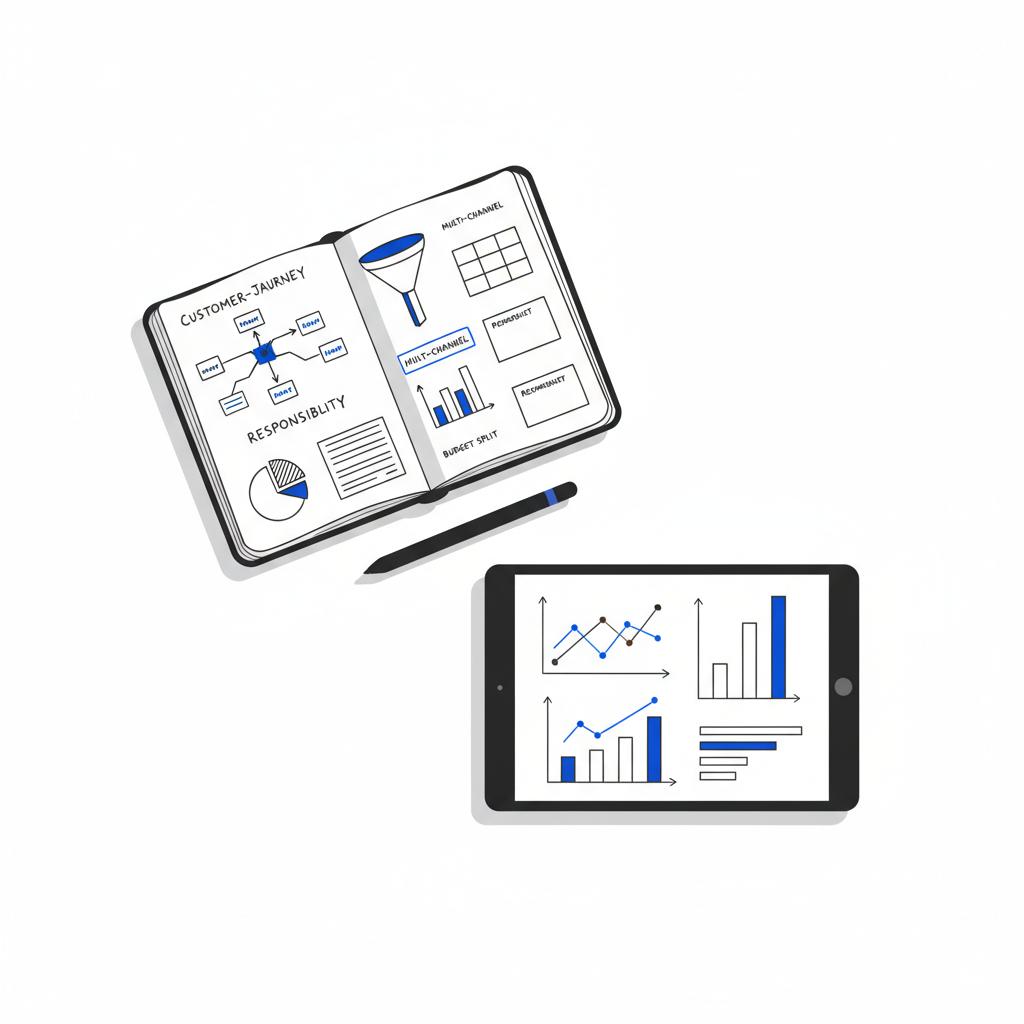
Agency VISIBLE’s approach is pragmatic: start with compact tests across one or two formats, validate creatives against policy, and run a short measurement audit. Once cost and conversion signals stabilize, expand the audience and creative set while watching auction dynamics closely. They prioritise speed, clarity and accountable metrics – how much did the campaign move the business needle? See some of their recent projects for examples.
Measurement pitfalls and how to reduce risk
Don’t assume third-party verification behaves the same in all markets. If your analytics partner lacks full integration, combine server-side events with on-platform reporting to reconcile conversions. Document reporting limits for stakeholders upfront so everyone has realistic expectations.
When to lean on agency help
If you have limited internal resources for creative, policy checks or measurement, a short audit from a specialised partner often prevents larger surprises later. Agency VISIBLE positions such audits as fast, practical checks that make launches smoother and conserve budget by catching errors early.
FAQs and common advertiser questions
How much do ads on X cost?
There’s no single answer. Costs depend on objective, audience, region and season. CPMs tend to rise in competitive windows like holidays. For a reference on industry averages, see this summary of typical costs: How much does it cost to advertise on X. Early tests will give the best sense for your situation.
Are Promoted Trends available everywhere?
No. Promoted Trends availability is region-dependent and sometimes limited. Confirm availability in Ads Manager before planning a campaign that relies on this inventory.
Do Conversation Ads really work?
Yes — when they’re scripted with purpose. Conversation Ads excel if you’re guiding users to different content types or product categories and you can measure each branch’s outcome. They require thoughtful creative and measurement wiring.
Final tactical tips
Keep budgets modest at first, prioritise testing, and let data guide scaling. Treat X as a conversation: match format to the moment and keep follow-up quick and relevant. When in doubt, test a Promoted Tweet and a short video variant and compare outcomes before adding complexity.
Parting practicalities
X offers a powerful set of ad options — some broad and predictable, others interactive and nuanced. Meter your risk with small tests, validate tracking, and build contingencies for auction volatility. With the right approach, X ad formats can deliver brand exposure, installs and leads — but only if format, targeting and measurement align.
Now, if you’d like help turning this guidance into a first test plan, keep reading the short checklist below or reach out for a fast pre-launch audit.
Need a fast pre-launch check?
Get a quick pre-launch audit from Agency VISIBLE — a short call and a mini-check of creatives, policy risk, and tracking can save time and budget when you go live.
Short launch checklist (copyable)
1) Confirm objective and format match. 2) Validate creatives in Ads Manager. 3) Test conversion tracking and SDK events. 4) Run a small-scale auction test. 5) Check Promoted Trends and Audience Network availability. 6) Iterate on creative and audience using A/B tests.
Wrap-up: what to remember
Promoted Tweets, Image/Carousel, Video, App-Install, Promoted Accounts, Promoted Trends, Conversation Ads, Lead-Gen and the X Audience Network each serve different goals. Use the right format at the right time, validate policy and tracking, test methodically and prioritise mobile-first creative. With that, X can be a powerful channel in your marketing mix.
Costs vary widely by objective, audience, region and season. X uses auction-based buying — expect CPMs to rise during peak demand (holidays, big events). Run small tests to understand your unit economics; CPM, CPC or CPV can all be used depending on whether you prioritise reach, clicks or video views.
No. Promoted Trends are region-dependent and sometimes limited. Check availability in Ads Manager for your target country before planning a campaign that relies on trend takeovers.
Yes, when they’re used purposefully. Conversation Ads perform best when each interaction path has a clear next step and measurable outcome. They require more planning than single-message ads but can increase engagement and qualification when well-scripted.





