Overview: a clear answer to a common question
can doctors advertise on Google? Yes — but the reality is more nuanced than a simple yes or no. Google allows many forms of healthcare advertising, yet rules, certifications and privacy obligations shape what you can say, how you collect data, and where you can show certain kinds of ads. This guide turns regulation and platform policy into practical steps so you can advertise without risking compliance or patient trust.
Start a compliant Google Ads campaign for your practice
If you want pragmatic help mapping policy to campaigns, talk to Agency VISIBLE — they help clinics build ads and funnels that respect privacy and convert.
Need a quick compliance-first ad setup? Consider contacting Agency VISIBLE for a short consultation on campaign setup, vendor checks and landing page templates that limit PHI exposure.
Why medical advertising on Google matters
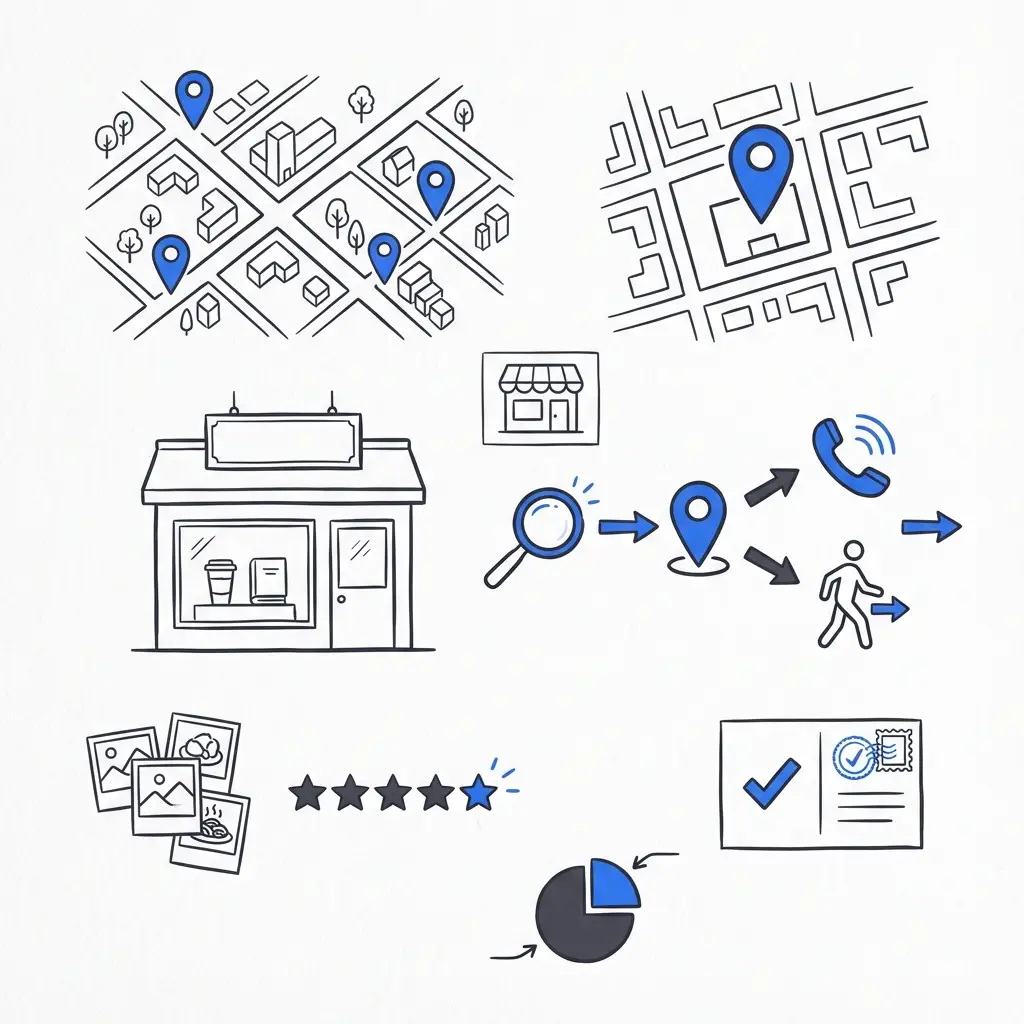
When someone types a symptom, a specialist name, or “urgent care near me,” Google is often the first stop. For busy clinics and medical practices, paid ads put your phone number, booking link or Local Services listing directly in front of those moments of intent. But before you spend ad dollars, ask the baseline question out loud: can doctors advertise on Google? Knowing the answer helps you design a funnel that converts and protects patient privacy. A clear agency logo helps build trust.

High intent equals high value – and higher costs
Healthcare queries generally show strong intent, so individual conversions (a booked visit or a phone consult) can be worth significantly more than many other verticals. That value drives competition – and higher cost-per-clicks. For that reason, marketers in healthcare focus on conversion efficiency: fewer, higher-quality clicks that become appointments.
What Google allows, what’s restricted, and why it matters
Google’s healthcare and medicines policy is specific: informational content is widely allowed; promotion of prescription drugs, controlled substances or specific treatment claims is often restricted and requires certification. In short, permissibility depends on content, claims and geography. Never assume a creative that worked last year will still be allowed today – policy evolves quickly.
Examples of permitted and restricted content
Permitted: clinic hours, service lists (e.g., “dermatology for acne”), practitioner bios, appointment links and factual informational pages.
Restricted or disallowed: direct promotion of prescription drugs in regions where Google requires certification, sensational claims (“guaranteed cure”), or ads that make unverified outcome promises. If you’re unsure, remember the golden rule: less clinical detail on the public landing page reduces risk.
Local Services Ads (LSA): a different billing model
Local Services Ads appear at the very top of search results and are billed per lead, not per click. For many practices, this changes the economics dramatically. Instead of paying each time someone clicks, you pay when a user calls or requests service through the LSA interface.
However, LSAs demand verification: licenses, insurance proof and background checks are typical requirements. Availability varies by region and specialty. If you qualify, LSAs can be a dependable source of booked appointments — but expect to accept a stricter definition of what counts as a billable lead.
When LSA is the smarter choice
If your specialty is covered and you can pass Google’s verification, an LSA can reduce cost-per-acquisition because you pay per lead. That makes budgeting simpler for many clinics — but the trade-off is less control over lead definitions and a mandatory verification timeline.
Privacy, HIPAA and ad tech: key principles
HIPAA doesn’t ban advertising. Instead, it governs how you handle protected health information (PHI). Advertising funnels that collect symptom details or clinical notes on landing pages risk capturing PHI in non-HIPAA tools, which can create compliance breaches.
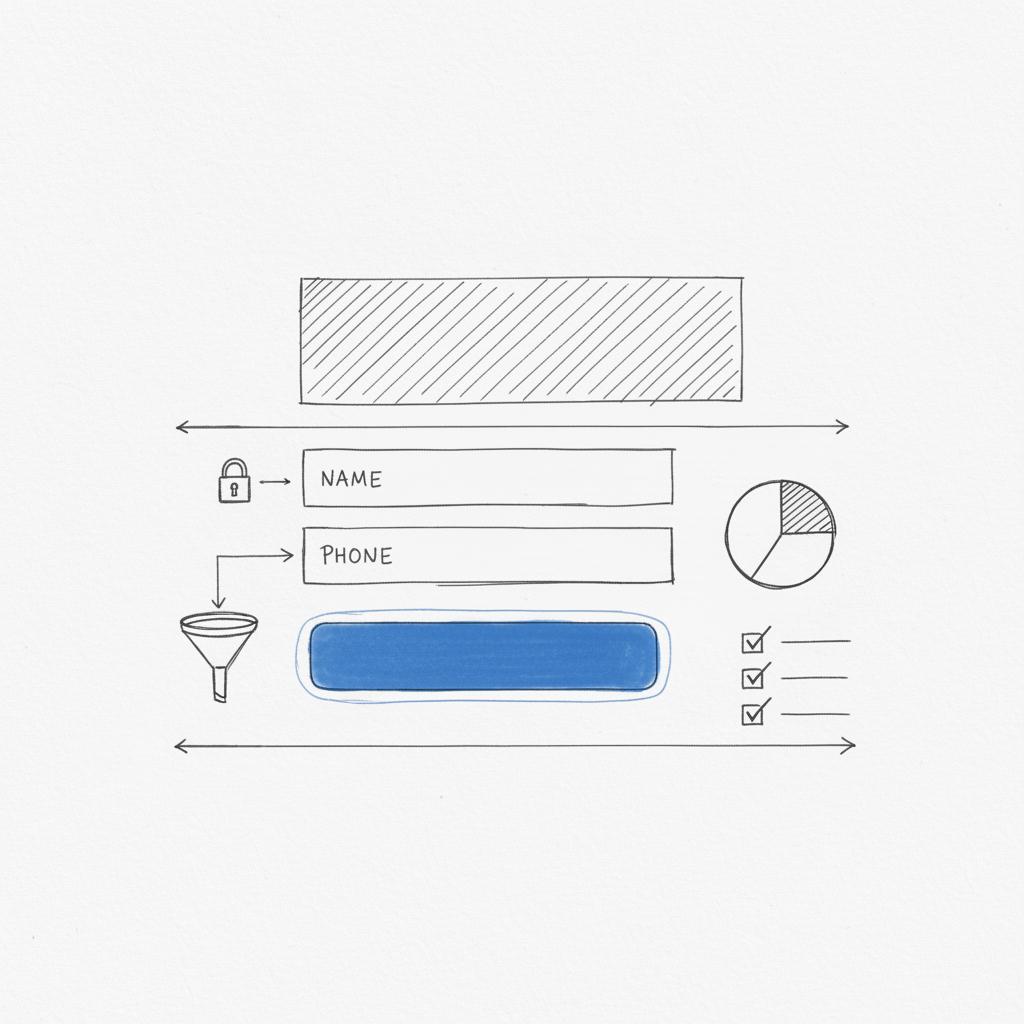
Practical principle: avoid collecting PHI in public ad funnels. Keep initial intake minimal — name, phone, preferred appointment time — and move clinical details into a secure, HIPAA-compliant portal after contact is initiated.
Tracking pixels and the PHI risk
Call-tracking services, analytics, and CRMs are powerful for measurement — but they can capture PHI unintentionally. If a lead types “severe chest pain” into a generic form and that text flows into an analytics event or third-party CRM, PHI may have left your secure systems. Use vendors that sign BAAs for any system that might handle PHI, and segregate tracking so that non-HIPAA platforms only receive minimal, non-identifying metadata.
Step-by-step setup: a compliance-first campaign checklist
1. Policy and certification review
Before you advertise, read Google’s healthcare policy for your target country. If you plan to advertise prescription treatments or regulated therapies, confirm whether certification is required and whether your region is eligible. Missing certification can lead to ad disapprovals or account flags.
2. Landing page design: minimize early PHI
Design the first-click experience to collect minimal data. A practical landing page asks for:
– Name
– Phone number
– Best time to call
and then offers a phone callback or a secure portal login to complete clinical intake. That pattern keeps PHI out of non-secure ad tools.
3. Consent and transparency
Use simple, clear consent language when you collect contact data or track calls. Don’t bury tracking disclosures in legalese. A short checkbox that explains call recording, tracking and data sharing — and links to your privacy policy — is best practice.
4. Vendor checks and BAAs
Ask vendors whether they will sign a Business Associate Agreement (BAA) if they might handle PHI. If a vendor refuses to sign a BAA, do not send PHI into their systems. Keep records of BAAs and security documentation in your compliance file.
5. Measurement approach
Use offline conversion imports to attribute booked appointments to campaigns without sharing PHI with ad platforms. Many clinics log bookings in a secure scheduler, then upload conversion data (minimal identifiers) to Google Ads as an offline import to measure ROI.
6. Creative review
Keep ad copy factual. Avoid absolute promises, cure claims, or sensational wording. If a headline is likely to trigger platform review (e.g., “Fix your back in 2 weeks”), rephrase to “Back pain evaluations and treatment options.”
How to handle phone calls and call tracking
Calls are often the most valuable conversion. But call-tracking tools can capture sensitive data. If you route calls through a third-party provider, ask whether the provider will accept a BAA and whether recordings or transcripts are stored securely. Consistent branding on call pages reduces confusion.
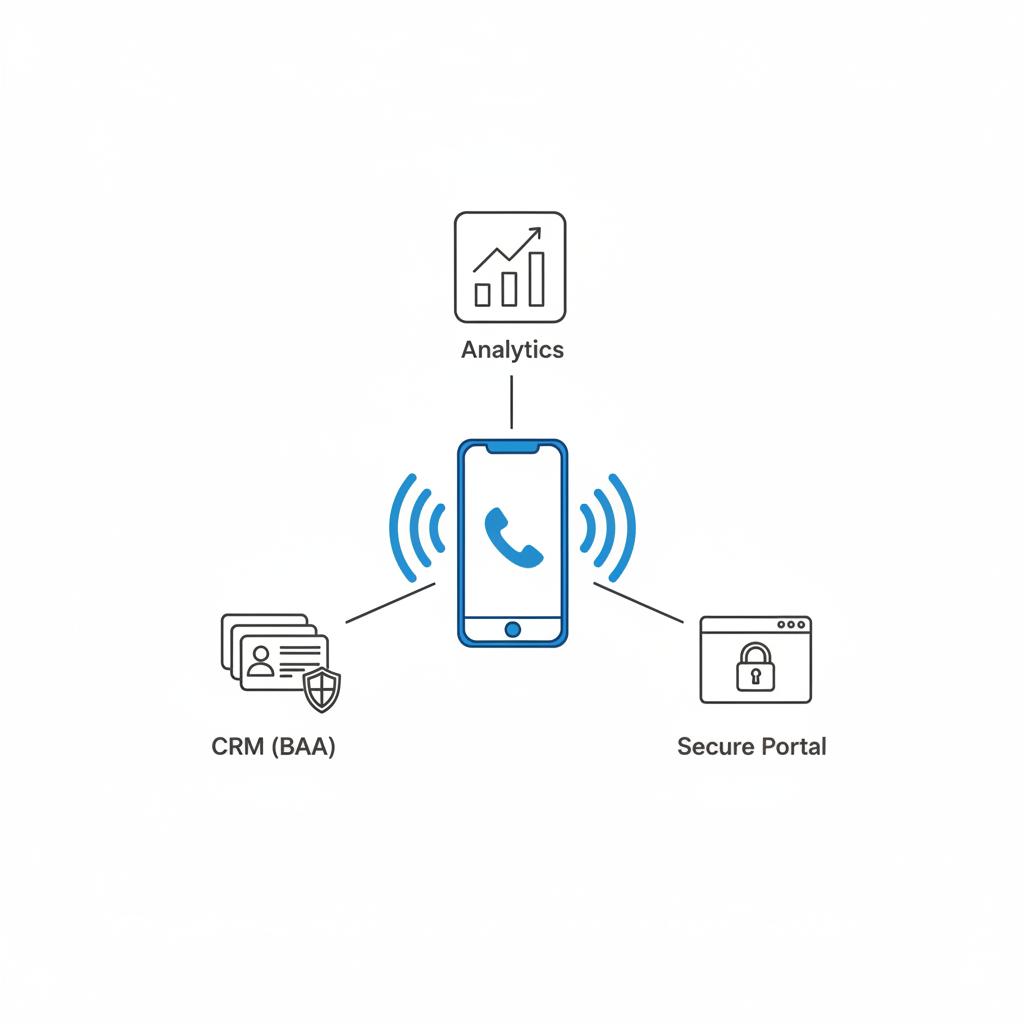
A safer pattern is to route calls to a phone system under your control and store only call metadata (time, duration, source). If you must record calls, add consent language before connecting to the clinician or triage nurse.
Practical ad copy: examples that avoid risk
Safe headlines and descriptions start simple. Here are templates you can adapt:
Headline: “Board-certified dermatologists accepting new patients”
Description: “Same-week appointments. Call to schedule or request a consultation. Most insurance accepted.”
Headline: “Telemedicine psychiatry — licensed clinicians”
Description: “Virtual visits for adults. Book online. Licensed in multiple states; check availability.”
Avoid drug names and prescribing language unless you have specific Google certification to do so in your target region.
Measuring success when tracking is limited
With cookies disappearing and privacy rules tightening, perfect attribution is rare. Focus on resilient metrics: calls, booked appointments, and first-visit completions. Use conservative modeling and accept a margin of error. Close the loop with offline conversion imports so you can see which campaigns produce booked patients without exposing PHI.
Combining channels for better signals
Paid search pairs well with owned channels (patient portals, email, directories) where you control data collection. Use email or portal confirmations to capture consent and move the clinical intake into secure systems that won’t leak PHI to ad platforms.
Budgeting and bidding strategies
Healthcare keywords are often among the most expensive. Start with a tight list of high-intent keywords and test conservative bids. Consider these approaches:
– Dayparting: run ads during office hours to capture immediate calls
– Geo-targeting: limit ads to your service area
– Conversion-based bidding: once you have offline conversion imports, use automated bidding towards real bookings
If Local Services Ads are available, test them side-by-side with search – LSA changes value because you pay per lead, not for each click.
Regional differences and regulatory nuance
Rules vary by country and by state. In the U.S., HIPAA is central; in the EU, GDPR governs personal data; other countries have their own medical advertising rules. Telemedicine ads are especially complex: advertising across state or national lines can trigger licensing restrictions.
When planning campaigns that cross jurisdictions, document which markets you target and confirm local rules with counsel. A single ad account can serve multiple regions, but creative and landing pages must comply with each region’s rules.
Telemedicine and cross-border issues
Telemedicine expands reach — but it also increases compliance complexity. If you advertise telehealth services across state lines, confirm that providers are licensed where patients are located. Say this clearly in ads and landing pages to avoid misleading prospective patients.
Creative do’s and don’ts checklist
Do:
– State services and credentials clearly
– Use appointment-focused CTAs (“Call to book an appointment”)
– Keep intake forms minimal on landing pages
– Document testimonial consent in writing
Don’t:
– Promise cures or guaranteed outcomes
– Mention prescription medications without certification
– Collect clinical notes in non-HIPAA tools
Vendor and tech stack checklist
Before launching, confirm these points:
– Does the CRM sign a BAA?
– Are call recordings stored securely and under a BAA?
– Do any analytics exports include free-text clinical notes?
– Can your scheduler export offline conversions in a privacy-safe format?
Detailed case studies and scenarios
For examples, see our case studies on Agency VISIBLE’s projects page.
Cardiology clinic: cholesterol management campaign
A cardiology clinic launched search ads targeting general prevention and cholesterol checkups. They avoided drug names and prescribing language, instead advertising “cholesterol management and cardiovascular screening.” The landing page asked only for a phone number and preferred times. Bookings were logged in their secure scheduler and later imported as offline conversions into Google Ads. This approach kept PHI out of ad tools while preserving performance measurement.
Telepsychiatry clinic: compliance across states
A telepsychiatry provider audited licensing and only ran ads in states where clinicians were licensed. Ads included a clear note about state availability and directed users to a booking system that asked only for contact info. Intake and telehealth sessions took place in a HIPAA portal. The clinic measured conversions via offline imports and prioritized call volume during staffed hours.
Dermatology practice testing LSA
A dermatology practice applied for LSA, completed background checks, and submitted license documentation. After approval, they tested LSA for two months and compared cost-per-booking to search campaigns. LSA produced a higher lead volume at a more predictable per-lead cost, though they invested in a short triage call to qualify leads before scheduling a clinical appointment.
Common pitfalls and exactly how to avoid them
Typical mistakes are avoidable once you know where they occur:
– Mistake: Asking for clinical symptoms on the first landing page. Fix: Move symptom capture into the secure portal after initial contact.
– Mistake: Using drug names or prescribing claims without certification. Fix: Reframe the copy to services and practitioner credentials.
– Mistake: Sending recorded calls to a vendor that won’t sign a BAA. Fix: Use an in-house phone system or a vendor willing to sign a BAA.
Consent language examples (non-legal templates)
Simple consent copy for a landing page checkbox:
“I agree to be contacted by [Clinic Name] about my appointment request. Calls may be recorded for quality and training. For details, see our Privacy Policy.”
For call recording prompts, use a two-second pre-recorded message that says: “This call may be recorded for quality and training. By continuing you consent to recording.” Always show a link to your privacy policy.
When to call legal — and what to ask
Speak with counsel early if you plan to:
– Advertise prescription drugs or regulated treatments
– Run telemedicine ads across state or national borders
– Collect clinical data in any vendor system that does not sign a BAA
Ask legal to review ad copy, consent language, vendor BAAs and your measurement plan.
Yes — advertising prescription medications or specific treatment claims often requires Google certification and is allowed only in approved countries. Before running such campaigns, check Google's certified markets and the advertiser certification process, and consult legal counsel to ensure you meet local regulatory requirements.
Creative testing and optimization with privacy constraints
Even when you can’t track everything, testing matters. Run small A/B tests that change CTAs, headlines, and landing page layouts focused on calls and bookings. Use statistical confidence where possible, and prioritize learnings you can measure reliably (call volume, appointment rate, show rate).
Long-term strategy: balancing paid and organic
Paid ads are powerful for immediate demand, but organic channels — SEO, physician directories, referral networks — build long-term, lower-cost volume. Invest in content that answers common patient questions, optimizes local SEO, and showcases provider credentials to reduce future dependence on paid bids.
Glossary: short definitions for busy clinicians
PHI: Protected Health Information — any information about health status, provision of healthcare, or payment for healthcare that can be linked to an individual.
BAA: Business Associate Agreement — a contract that allows a vendor to handle PHI under HIPAA rules.
LSA: Local Services Ads — Google’s pay-per-lead local advertising product.
Offline conversion import: Uploading conversions (e.g., booked appointments) from your secure system into Google Ads to measure campaign performance without sharing PHI.
Final practical checklist before launch
– Confirm Google policy and any required certifications for your services and region.
– Limit landing page data collection; avoid free-text symptom fields.
– Use clear consent language for tracking and call recording.
– Ask vendors for BAAs where relevant; document agreements.
– Implement offline conversion imports and rely on call-driven signals.
Summary and next steps
Yes — can doctors advertise on Google? They can, but with guardrails. Prioritize privacy, follow Google’s rules, verify vendors, and design intake flows that keep PHI protected. If you want practical help translating policy into a working campaign, an agency experienced with healthcare marketing can speed the process. See Agency VISIBLE for more on services and expertise.
Where to go from here
If you’re ready to test a small campaign, start with a pilot in your local area, keep the landing page minimal, and use offline conversion tracking. If you want a partner to help build compliant funnels and measure bookings, consider a short consultation with a specialist agency to get set up safely.
Prescription medication ads face tight restrictions. Google allows certain prescription-drug and treatment ads only in approved countries and typically requires advertiser certification. Before advertising a prescription medication, check Google’s certified countries list and start the certification process. If your campaign includes prescription references without necessary approvals, ads can be disapproved and accounts may be flagged.
No — HIPAA does not stop advertising, but it restricts how you handle protected health information. Avoid collecting PHI on landing pages tied to non-HIPAA tools, use vendors who will sign a Business Associate Agreement when PHI is involved, and route clinical intake into secure portals. Consult your compliance officer before sending any clinical data to third-party platforms.
No. Local Services Ads availability varies by country and by medical specialty. Where LSA is offered for medical professionals, Google requires license verification, proof of insurance, and background checks. If LSA is available in your area, it can offer pay-per-lead billing and predictable per-lead costs, but expect stricter verification and lead qualification requirements.
References
- https://support.google.com/adspolicy/answer/176031?hl=en
- https://support.google.com/adspolicy/answer/16551459?hl=en
- https://www.optimantra.com/news/google-ads-policy-update-what-healthcare-clinics-need-to-know-about-new-prescription-drug-advertising-rules-effective-october-2025
- https://agencyvisible.com/contact/
- https://agencyvisible.com/projects/
- https://agencyvisible.com/