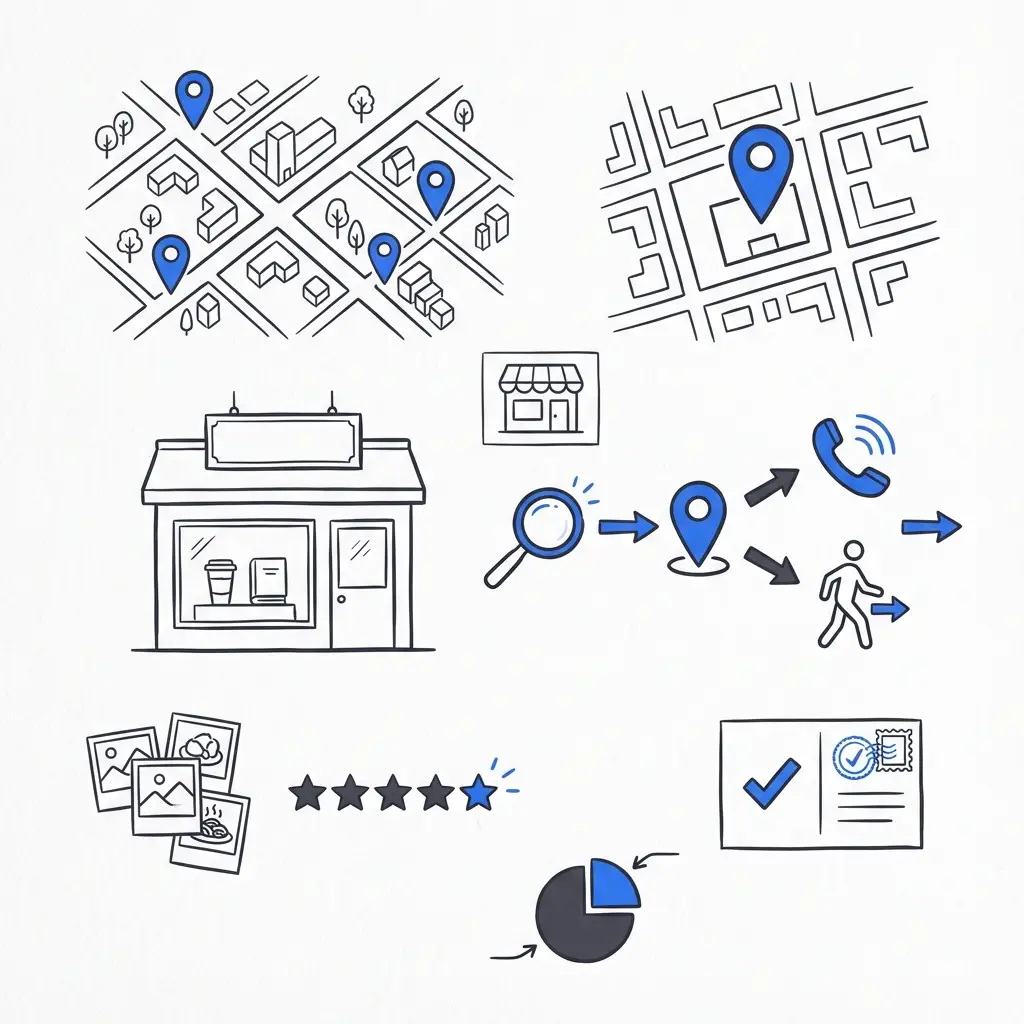
Where to advertise a flooring business? That’s the exact question most store owners and contractors ask when they pick up the phone. It’s short, but the answer isn’t the same for every shop. Location, average job value, and how quickly you follow up change everything.
Where to advertise a flooring business? Start local and build outward
Local channels are the foundation for nearly every successful flooring shop. When people plan flooring projects, they search for showrooms nearby, compare photos and read reviews. A visible local presence moves an undecided browser into a showroom visitor—and a showroom visit often becomes a sale.
Where to advertise a flooring business? Begin with the channels that catch people when they are ready to act: a complete Google Business Profile, clear location pages on your site, and tracked local ads. These build trust and make your store the obvious choice when someone types “flooring near me” or drives past your shop.

Ask Agency VISIBLE for a quick visibility review if you prefer a professional check of your Business Profile and local search setup; a short audit can show which channels are worth testing first.
Why local channels matter more than you might think
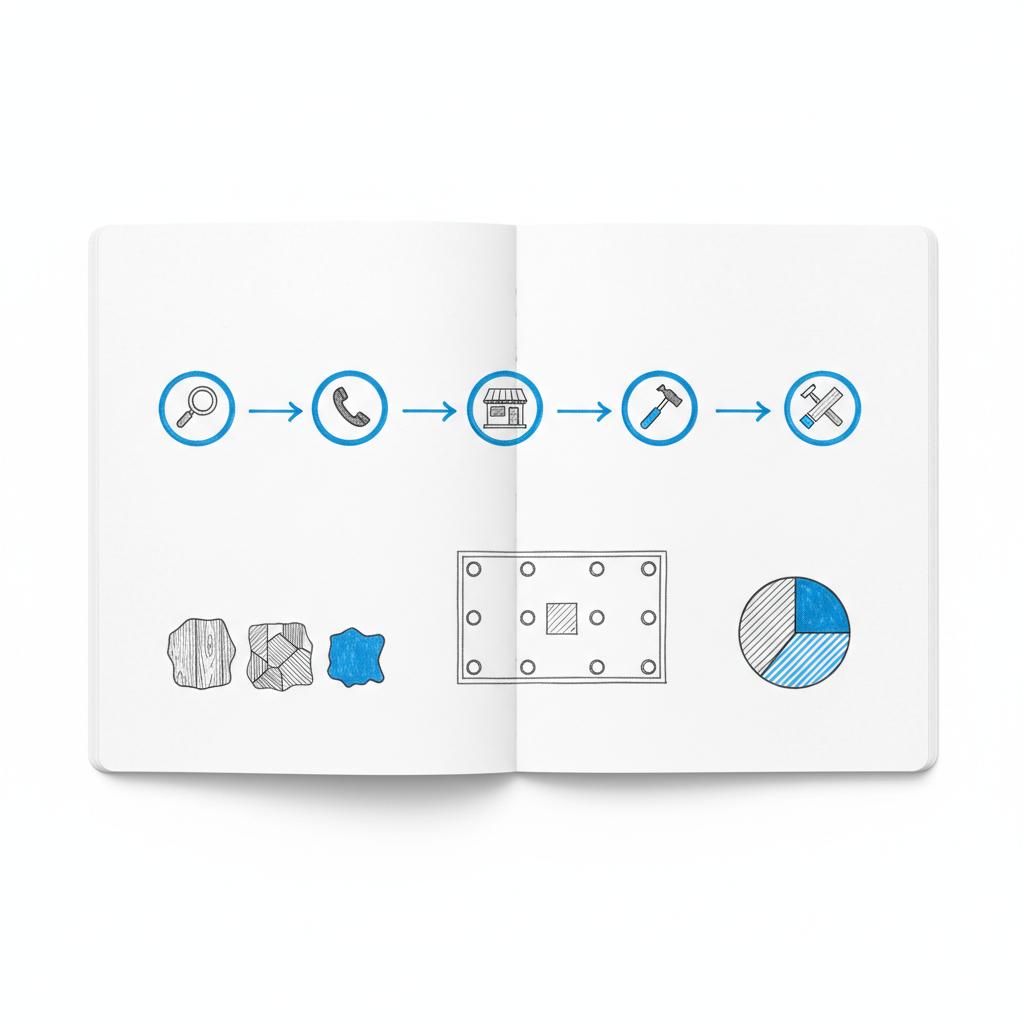
Google data shows that customers are far more likely to visit stores that look complete and current online. A Business Profile with photos, hours, and recent reviews is a tiny investment with outsized returns. When someone searches for “hardwood flooring near me” they expect to find accurate hours, a local phone number, and pictures of real projects—your Business Profile is the place to deliver that promise. A simple, consistent logo helps customers recognize your store online.
Across the rest of this article I’ll refer back to practical, trackable ways to test channels. And yes: Where to advertise a flooring business? appears here again because repeating that clear question helps keep decisions focused on outcomes – measured visits, booked appointments and closed jobs.
Start by fully optimizing your Google Business Profile—add current photos, accurate hours, services, and a booking or call-to-action. Set up a call-tracking number and collect one or two fresh reviews. This single, measurable step often increases store visits within weeks and makes every other channel perform better.
Google Business Profile: your digital storefront
Fill out every field. Use up-to-date photos of your showroom, completed installations and samples. List services (installation, measuring, delivery) and product types (hardwood, laminate, vinyl). Add posts for current stock and promotions. If you don’t have a booking button, link to a tracked landing page that captures source with UTM codes.
Set up call tracking and a local phone number so you can see which campaigns trigger calls. If you do one thing this week to answer the question Where to advertise a flooring business?, make it a complete Business Profile—this single step moves the needle quickly and predictably.
Local SEO that actually helps people find you
Local SEO is simply the practice of making sure search engines and customers see the right facts about your business. Keep your NAP (name, address, phone) consistent across listings. Build location-focused pages for the towns and neighborhoods you serve and write practical copy that answers customer questions—do you measure, do you install, what are sample policies?
Create short guides for in-market research queries: “how to read a flooring sample” or “when to choose engineered wood vs vinyl.” These articles help your site appear earlier in research phases and give store visitors confidence when they arrive.
How content and convenience work together
Combine useful content (short guides, FAQ pages) with convenience signals (clear contact buttons, appointment scheduling). That mix answers both the “what” and the “how” for potential customers and increases the chance that they move from search to a showroom visit.
Paid search: capture high intent
Search ads are the quickest way to scale leads from people already looking for flooring services. Focus on a short list of high-intent, local keywords—for example: “hardwood floor installation [city]”, “laminate flooring near me”, or “flooring repair [town]”.
Match the landing page to the query. If someone searches for refinishing, the ad should lead to a refinishing page with pricing ranges, a gallery, and a clear call-to-action. Use call-only ads or bid adjustments toward mobile if calls are your primary conversion. For a practical playbook on paid tactics, see this flooring marketing guide.
Tracking is critical. Tag your URLs, track calls and form fills separately, and feed outcomes back into your ad platform so you can pause low-performing keywords and scale winners.
Social & visual channels: inspiration that converts over time
Flooring is a highly visual purchase. Instagram and Facebook are ideal for before-and-after photos, short process videos and customer testimonials. These platforms are less intent-driven than search, but they are powerful for inspiration and brand memory.
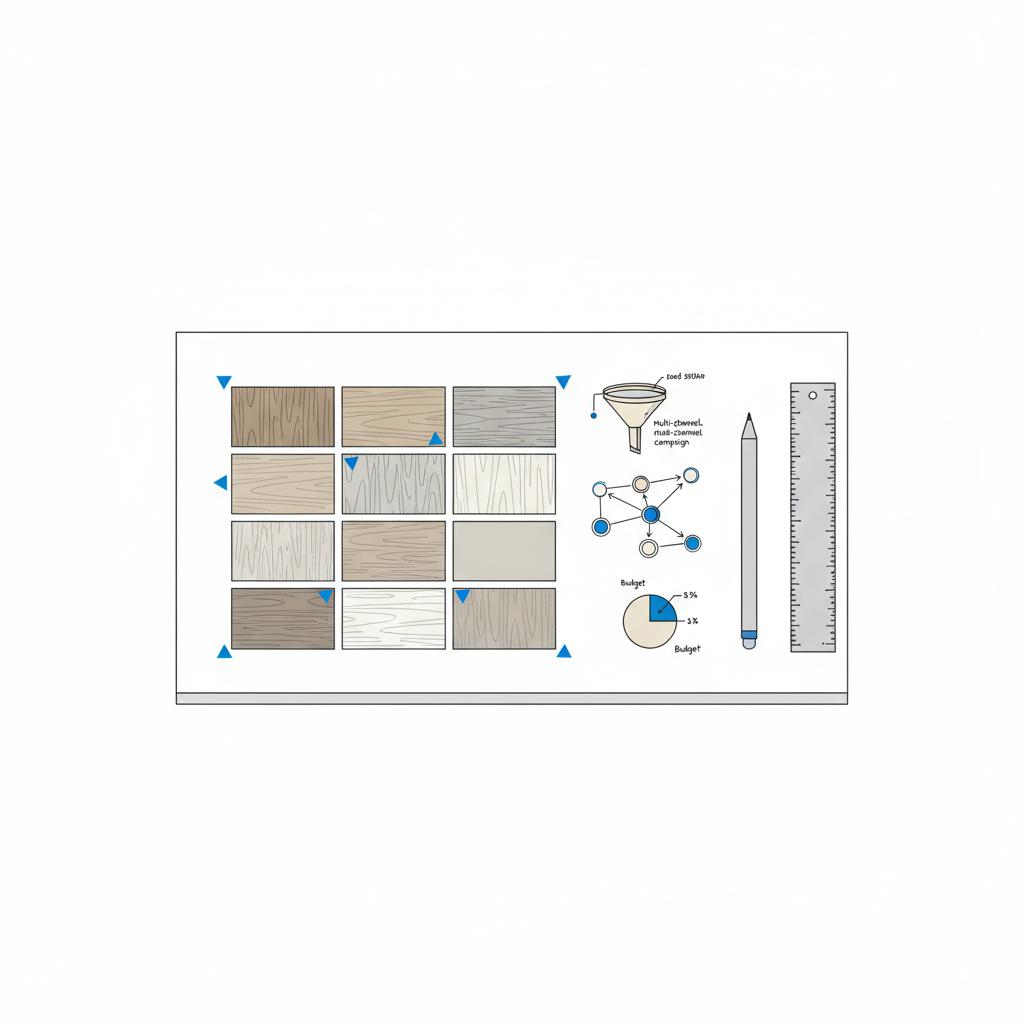
Run tightly targeted campaigns by zip code and service interest. Use click-to-call, lead forms or scheduling links so a social view can become a measurable lead. Keep expectations realistic: social warms and nurtures, while search captures buyers ready to transact. See a relevant example in this Flooring Franchise Marketing Case Study.
Creative ideas for visual ads
– Before-and-after carousel ads showing the same room; include brief captions describing the work and time frame.
– Short “how it works” clips: measuring, sample selection, installation day—30–60 second clips explain the process and reduce friction.
– Test boosted posts that showcase a local renovation and drive showroom visits with a limited-time offer.
Marketplaces and directories: when they make sense
Platforms like Houzz and Angi matter for mid-to-high-ticket jobs. They can carry higher lead costs, but average order values and close rates often justify the spend for bigger projects.
If your jobs typically exceed a few thousand dollars and you can follow up quickly, marketplaces can be a valuable channel. If your average ticket is small or your follow-up resources are limited, prioritize local SEO and search ads first.
Offline channels: measurable old-school tactics
Offline still works—home shows, direct mail, vehicle wraps and partnerships are reliable sources of higher-value leads when tracked properly. Treat every offline touch like a digital channel by using unique numbers, UTM-linked landing pages and follow-up lists.
Direct mail can be highly effective if targeted to neighborhoods likely to remodel. Vehicle wraps keep your brand visible in the local market. Home shows provide a concentrated set of motivated prospects; follow-up within 24–48 hours is what turns conversations into appointments.
B2B channels for contractor and builder business
If contractors, property managers or builders are your main customers, the approach shifts. Referral relationships and reputation drive business. Use LinkedIn, trade events and local builder groups to build steady relationships. Provide case studies, volume pricing and clearly defined scheduling and payment terms so businesses can buy from you easily.
How to track lead value—simple math that changes decisions
One of the biggest mistakes is running campaigns without knowing the value of a lead. Build a basic lead-value model: start with average job value, subtract direct costs and estimated overhead to get margin per job. Then estimate conversion rates from lead to sale.
Example: if your average margin per job is $1,500 and you close 25% of leads, each lead is worth roughly $375. That number tells you the maximum you should pay for a lead while keeping channels profitable.
Practical tracking checklist
– UTM-tagged landing pages for each campaign
– Call-tracking numbers for ads and mailers
– A booking form with a “How did you hear about us?” field
– A simple CRM or spreadsheet tying leads to closed jobs and job value
Benchmarks and the first 30–90 days
Run a benchmarking phase: modest spend across two or three channels and measure for 30–90 days. Track leads, show rates, response time and close rates. Use this data to answer local questions: how competitive is search, what is the average job size, and which channels produce real customers.
Expect differences by market. Dense metros have higher CPCs and a longer SEO ramp. In smaller towns, a strong Business Profile plus some local ads often fills the schedule.
Advertising on a budget: where to prioritize
If money is tight, start with the low-cost, high-impact steps: complete your Business Profile, build a few location pages, and add call tracking. Then run a small paid search test on 3–5 high-intent keywords and a low-cost social campaign targeted locally.
Direct mail can be affordable if tightly targeted—choose neighborhoods of older homes or recently listed properties. Trade shows can pay back if you commit to fast and consistent follow-up.
Step-by-step 30-day checklist
Week 1: Claim and complete Google Business Profile; add 10 current photos and collect one or two reviews.
Week 2: Add 2–3 location pages to your website and publish a short “what to expect at a flooring consultation” guide.
Week 3: Set up a tracked Google Ads campaign for 3 high-intent keywords and add a call-tracking number.
Week 4: Try a small social campaign showcasing a recent installation and promote a showroom appointment offer.
Sample budget split for a small shop
Monthly budget of $1,500 as an example:
– $0–$200: Business Profile maintenance, local directory listings
– $400: Paid search (local high-intent keywords)
– $300: Targeted social ads (awareness + conversions)
– $300: Direct mail or local event presence (rotating month-to-month)
– $300: Tracking & small CRM or administrative follow-up tools
Adjust these numbers based on your market and average job size. If average jobs are large and conversion is fast, shift more to marketplaces and paid search. If you’re a tiny two-person shop, double down on local SEO and Business Profile work instead.
Real shop story: the steady gains of small changes
A family-owned shop I worked with made three small changes: updated their Business Profile, ran a focused Google Ads campaign for three keywords, and sent a targeted mailer to a neighboring community. Within three months they saw booked appointments rise by 40% and a small increase in average job size. They tracked calls with a unique number and logged outcomes in a simple CRM—this made it obvious which channels actually created sales; see examples on our projects page.
How to choose channels when the answers aren’t obvious
If you’re unsure, ask three questions: how much is the average job worth, how quickly can you follow up, and how competitive is local search? High-value jobs and fast follow-up point to paid search and marketplaces. Low-ticket jobs and limited staff call for a focus on Business Profile and local organic presence.
Common mistakes and how to avoid them
– Treating every lead the same: record lead outcomes and job value so you know which channels produce profitable customers.
– Running broad social campaigns before testing tracking and follow-up: social needs nurturing and a clear next step.
– Not testing for at least 30 days: short tests can produce noisy data—give channels time to stabilize.
Advanced tips: retargeting, lookalikes and CVR optimization
Once you have a steady stream of visits and some tracked conversions, add retargeting to bring back visitors who didn’t book. Use lookalike audiences from past customers on social to find similar homeowners. On search, monitor query terms and add negative keywords to lower wasted spend.
Conversion rate optimization matters: make sure your landing pages are concise, show a small gallery of local projects, and include a clear pricing range or starting price to reduce low-quality inquiries.
How to measure ROI without a complicated stack
Start small: track calls and booked appointments. Add a simple CRM column that records source, job size and outcome. After 30–90 days, calculate average lead value and compare to channel costs. Use that to shift budget toward profitable channels. If you can, automate reporting with a simple dashboard or spreadsheet so monthly reviews are easy.
Content ideas that actually help close deals
– “What to expect at a flooring consultation”—reduces buyer anxiety.
– Short galleries grouped by home type and room size—helps shoppers picture results.
– Clear pricing ranges and package descriptions—sets realistic expectations and helps qualify leads.
For additional content strategy ideas, see this Top 10 content marketing strategies for flooring companies.
Long-term: build reputation and recurring revenue
Over time, collect reviews, publish case studies, and maintain a steady social presence. Consider a referral program for contractors and real estate agents—small incentives and consistent communication keep your name in conversations where new projects start.
Where to advertise a flooring business? Quick decisions by business size
One-person shop
Prioritize Business Profile, local SEO and a small set of high-intent search keywords. Keep follow-up fast and processes simple.
Small shop (2–10 employees)
Mix Business Profile, paid search, targeted social and occasional direct mail. Track everything and use early results to reallocate spend.
Growing shop or small chain
Scale paid search, invest in marketplaces for higher-ticket projects, and build partnerships with builders and designers. Consider regional campaigns and more sophisticated reporting.
Checklist: first 90 days
– Claim and optimize Google Business Profile
– Add location pages and two short guides on your website
– Set up call tracking for ads and mailers
– Run a 30-day paid search test for 3 keywords
– Launch a local social campaign with clear call-to-action
– Send one targeted mailer and track responses
Three realistic examples of tracked offers
1) “Free showroom appointment plus 10% off first room”—promote with a tracked landing page and unique number.
2) “Book a measurement this month and get a sample pack”—use social ads targeted to nearby zip codes.
3) “Contractor volume pricing—call for a quote”—list prominently on site and use LinkedIn and trade groups to promote.
Frequently asked questions
Where should I advertise my flooring business if I only have a little money? Focus on local channels: a complete Business Profile, focused location pages, and a small paid search test targeted at high-intent keywords.
Should I use Houzz or Angi? Use marketplaces if your jobs are mid-to-high-ticket and you can follow up quickly. They cost more per lead but often produce larger projects.
Are social ads worth it? Yes—for showcasing finished work and inspiring customers. Use social to drive showroom visits but keep expectations realistic: conversion is slower than search.
Next steps you can take this week
– Claim or update your Google Business Profile and add recent photos.
– Add towns you serve to your website and create a short “what to expect” page.
– Add a call-tracking number to any ads or mailers.
– Start a 30-day Google Ads test on 3 high-intent keywords.
– Ask satisfied customers for reviews and add them to your profile.
Final notes
Advertising a flooring business is not a one-time decision; it’s a sequence of choices that starts local and grows into paid channels once you can measure return. Focus on a complete Business Profile, track calls and appointments, and let local data guide your budget decisions.
Ready to get visible and book more showroom visits?
Where to advertise a flooring business? has been answered here in practical, testable steps so you can start small, measure everything and scale what works.
If your budget is tight, focus on high-impact, low-cost local steps: complete and optimize your Google Business Profile, add 2–3 location pages to your website, and run a small Google Ads test for 3 high-intent keywords. Add a call-tracking number to any ads or mailers so you can see what works. These moves deliver measurable visits and lead to better decisions about where to spend next.
A short audit from a specialist can be very useful if you don’t have the time or expertise to set up tracking and test channels. Agency VISIBLE offers visibility audits and execution support geared toward small and mid-sized businesses—this can speed up the testing phase and help you avoid common measurement mistakes. If you prefer to start alone, follow the 30-day checklist in this article and consider professional help if early tests are unclear.
Local changes like Business Profile updates can influence foot traffic in a few weeks. Paid search and direct mail usually deliver measurable results within 30–90 days. Local SEO and content efforts build over months. Use short test windows (30–90 days) to gather initial data and then refine your approach based on local performance.