


Does Nextdoor charge a fee? A simple, honest breakdown
If you’re wondering whether Nextdoor charge a fee when you post, sell, or advertise, you’re not alone. The platform sits somewhere between a friendly neighborhood bulletin board and a modern ad network, and that can make the cost picture look more complex than it needs to. Here’s a clear guide to what’s free, what costs money, and how to decide whether a paid option is worth it for your goal.
What you can do on Nextdoor for free
First the reassuring part: for most people and many small sellers, posting and reaching neighbors is free. Personal profiles can create For Sale & Free listings at no charge. That means if you want to give away a baby seat, sell a dresser, or ask for handyman recommendations, you can create a post and let neighbors respond — without a fee. In short: simple peer-to-peer listings are typically free, and you can use those to test interest before spending a dime.
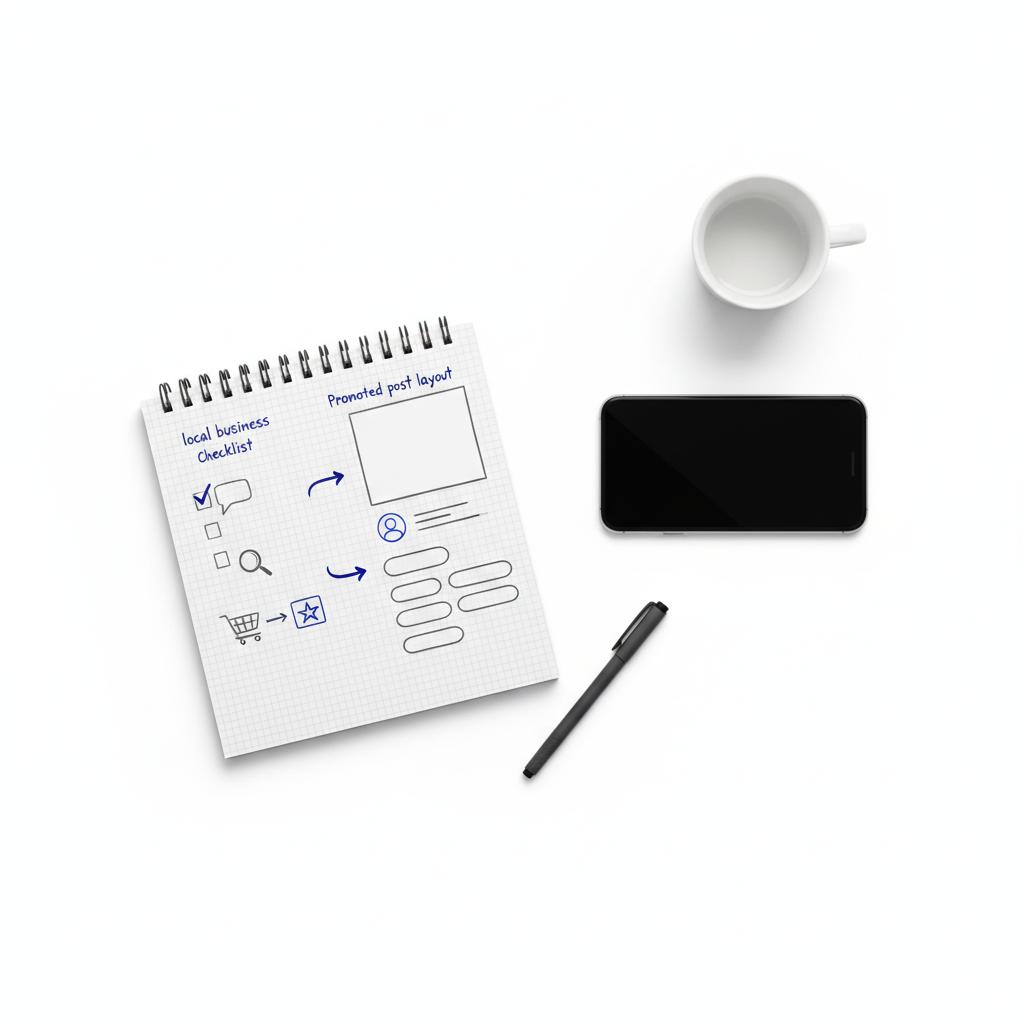
Business owners get a free starting point too. Every local business can claim a free Business Page. That page lets you show hours, contact info, photos and post organic updates that your neighbors can see. Many small shops, freelancers and local service providers find real traction from organic posts alone.

Where Nextdoor makes money: paid features and advertising
That said, Nextdoor also sells paid visibility. The most common paid features are Promoted Posts and Local Deals. Beyond those, Nextdoor Ads is an advertising platform that supports self-serve campaigns and larger managed programs. These paid products are optional – but they’re the answer when organic reach doesn’t move the needle on a measurable goal.
Promoted Posts and Local Deals are useful for short, local pushes: a bakery promoting a weekend pastry special, or a plumber offering a limited-time discount to nearby homes. Nextdoor Ads supports deeper targeting and campaign objectives and is typically priced through bidding models such as CPM (cost per thousand impressions) or CPC (cost per click). That means the amount you pay depends on who else is bidding for the same attention, how many neighborhoods you target, and the campaign objective you choose.
If you’d like help designing a small Nextdoor test or making sense of early results, reach out to Agency VISIBLE for light-touch guidance that fits small budgets and local goals.
How much does it cost? Realistic expectations
One common question is: how much will it actually cost me? There isn’t a single answer. Local, modest advertising tests often start in the range of $100 to a few hundred dollars per month. Those budgets are common for shops that want to try a Promoted Post or a small Local Deal. On the other end, managed national programs can rise into the tens of thousands per month for broad, multi-market buys.
Here’s the practical takeaway: if your objective is to reach a handful of nearby neighborhoods for a short event, expect modest budgets to be effective. If you’re buying broad inventory across many markets, expect higher minimums and a managed relationship. For additional pricing perspectives see Taradel’s 2025 cost analysis, Nextdoor’s own budget tips, and a third-party guide to Nextdoor advertising from YoYoFuMedia.
Money and transactions: listing fees and payment processing
Another area of confusion is transaction fees. Does Nextdoor charge a fee when you sell something? The simple answer: usually not for listing an item. Most For Sale & Free listings created by a personal account or posted on a free Business Page don’t carry a platform listing fee.
Where fees can appear is in in-app payment. In regions where Nextdoor offers integrated payments, it works through a third-party processor (for example, Stripe in many marketplaces). In those cases, standard payment processing fees apply because a payment processor handles the card transaction. If you want to avoid those fees, many neighbors still arrange payments off-platform – cash at pickup, bank transfer, or peer payment apps – but that comes with a reminder about safety.
Common misconceptions, cleared up
Two misconceptions come up again and again. First: not every seller listing on Nextdoor carries a platform fee. Basic posts and most For Sale & Free listings are free to create. Second: you don’t have to pay to reach neighbors. Organic posts and a free Business Page can get genuine visibility. Paid promotion is simply a tool when you need predictable, measurable reach beyond what organic posts can reliably deliver.
Why someone would pay: when organic isn’t enough
If everything can be free, why pay at all? Paid tools make sense when you want a measurable result — more messages, more walk-ins during a weekend, or a higher number of coupon redemptions. When your goal is specific and time-bound, Promoted Posts and Local Deals can help you hit it predictably. Think of paid promotion as a way to buy repeatable reach rather than as a must-have for everyday neighborhood chatter.
How to test paid Nextdoor promotions without overspending
Testing is the smartest approach. Start with a free Business Page, post organically for several weeks to create a baseline, then run a short, tightly budgeted paid test. Keep the test small and focused so you learn without overspending.

A simple 5-step experiment you can run this weekend
1) Claim and tidy your free Business Page and post organically twice this week about the offer or event. 2) Choose a single clear objective — messages, clicks or coupon redemptions. 3) Set a small budget (for example, $50–$150 total) and a short timeframe (3–7 days). 4) Target a narrow set of nearby neighborhoods. 5) Measure the chosen metric and compare it to the organic baseline.
Practical targeting tips
Narrow geographic targeting leverages Nextdoor’s strength: locality. Don’t start by trying to reach a wide metro area if your goal is a walk-in special for a coffee shop. Start with a few neighborhoods closest to your door. Narrow targeting reduces waste and often lowers total costs.
The trick is to treat paid promotion as a small, measurable experiment: start with a clear objective (messages, clicks, or redemptions), run a short, tightly budgeted test (3–7 days), target a few nearby neighborhoods, and compare results to your organic baseline. If paid reach reliably improves the metric that matters, scale carefully.
Real examples that show what a modest spend can do
Imagine a coffee shop that wants more weekend foot traffic. Organic posts are getting a handful of replies each week, but the owner wants a measurable bump on Saturday morning. They run a Promoted Post with a $120 total budget for a three-day push, targeting three nearby neighborhoods. The post reaches a larger audience than the organic posts, the shop sees a small but measurable uptick in Saturday visits, and the owner learns which neighborhoods responded best. In other words, the test yields actionable insight without a big spend.
Or the moving sale that needed no ad spend
Contrast that with a neighborhood moving sale: someone lists dozens of free items, neighbors show up, cash changes hands, and the post disappears into the neighborhood memory. That’s a win for organic reach — sometimes free is simply the fastest route.
How to measure success on Nextdoor
Measuring success depends on your objective. Some common goals and the simplest metrics to watch include:
– Awareness: reach and impressions. – Engagement: clicks, comments, and messages. – Conversions: coupon redemptions, website visits with a tracking parameter, or walk-ins tied to a time window.
Keep measurements simple. If your goal is foot traffic from a weekend special, a small lift in weekend sales reported by staff is as valid as complicated tracking systems for a local retailer. For online-driven objectives, use a link with a simple tracking parameter to measure Nextdoor-origin clicks.
Checklist: what to track in your first paid test
1) Campaign budget and dates. 2) Targeted neighborhoods. 3) Creative used (headline, image, offer). 4) Number of messages or clicks. 5) On-site or in-store conversions tied to the campaign. 6) Cost per desired action (cost per message, cost per coupon redemption).
Transaction safety and payment best practices
When transactions happen off-platform, safety is the priority. Meet in public spaces, bring someone with you, avoid sharing unnecessary personal details, and prefer cash or verified peer-payments. If you use in-app payments where available, check the processor’s fees and Nextdoor’s dispute-handling policies. Avoid reversible or risky payment methods if you are dealing with high-value items.
Practical safety checklist for sellers
– Arrange meetups in public, well-lit places (shopping center parking lots, police department exchange zones). – Bring a friend if the item is valuable. – Verify the buyer’s profile; look for local neighbors and recent activity. – Keep personal details minimal until the transaction is secure. – If using in-app payments, save receipts and confirmation numbers.
Budgeting examples and quick math
Here are a few simple budgeting examples to help set expectations. These are illustrative, not guaranteed rates — actual CPM or CPC will vary by market and timing.
Low-cost local test: $100 total, 3-day Promoted Post, target 2–4 neighborhoods. Expect reach in the low thousands and a handful of messages or clicks that let you measure interest. Small monthly test: $300 per month, ongoing promotions across nearby neighborhoods, measured by clicks or coupon redemptions. Regional push: $3,000+ monthly for managed local campaigns across many neighborhoods or cities.
These buckets help guide a decision: start small, measure, and scale. If you’re a small shop, a $100–$300 test often yields the clarity you need to decide whether to expand.
Case study: a bookstore that learned more than just attendance
A community bookstore used organic posts for weeks and then ran a short Promoted Post for a local author reading. The modest paid push didn’t dramatically change raw numbers, but it changed the quality of attendance: half the attendees mentioned they found the event on Nextdoor. That led to richer conversations at the reading, more newsletter sign-ups, and feedback that helped improve the next event — a small spend that returned useful learning. For similar work and case studies, see our projects.
What the bookstore teaches us
Small budgets can buy clarity. The bookstore didn’t aim for viral reach — it wanted a solid test. The paid spend helped the owner understand which neighborhoods engaged most, and that insight shaped future outreach and organic messaging.
Tips to spend smarter on Nextdoor
When you decide to invest, follow a few practical habits:
– Start with organic posts and a tidy Business Page. That gives a baseline to compare paid results against. – Run short tests with strict budgets. Learn fast and avoid large untested spends. – Target tightly by geography. Locality is Nextdoor’s advantage. – Choose one clear metric. Don’t try to measure everything at once — pick messages, clicks or coupon redemptions.
Creative tips that help ads perform
Use clear headlines, friendly local images (storefront, product shots), and a specific, time-bound offer if relevant. Local language and neighborhood references can increase relevance. Test two headlines or images in a small split test to learn quickly which creative works better.
Frequently asked questions
Is it free to list items for sale on Nextdoor?
Yes. Creating a For Sale or Free listing using a personal profile is free in most regions. That makes it an easy place to clear out unwanted items without paying a platform fee.
Do I have to pay to reach more neighbors?
No. Organic posts and a free Business Page can be effective. Paid promotion helps when you need predictable reach, a quick burst of attention, or specific targeting.
How is Nextdoor ad pricing usually structured?
Nextdoor commonly uses bidding models like CPM and CPC. That means your costs vary with competition, geographic targeting and timing. Many local advertisers start with modest budgets — often around $100 or a few hundred dollars — to test whether paid reach improves their outcomes.
When should a small business try paid promotion?
Try paid promotion when you have a measurable, time-bound goal: drive foot traffic for a weekend special, test a limited coupon, or promote an event. Keep the test short, budgeted tightly, and focused on a single metric you can measure.
One final practical sequence to try
1) Claim your Business Page and make sure info is current. 2) Post organically two to four times over a few weeks to set a baseline. 3) Run a short paid test (3–7 days) with a small budget and narrow targeting. 4) Measure one outcome and compare to the baseline. 5) Scale or iterate based on what you learn. That sequence minimizes risk and turns paid promotion into a learning process rather than a leap of faith.
Safety and policy notes
Always follow Nextdoor’s community guidelines and local laws when transacting. If you are unsure about in-app payment terms or dispute resolution, read the payment processor’s documentation and Nextdoor’s help pages for your region.
Wrap-up: what this means for you
Nextdoor can be simple and free for most everyday neighborhood interactions. When you pay, do it intentionally: set clear goals, start small, measure, and learn. That way you treat paid promotion as a series of small experiments that teach you something useful about your neighbors and your business.
Need help designing a local test?
Ready to test local promotion without wasting money?
Want practical help designing your first Nextdoor test or interpreting early results? Contact Agency VISIBLE for a friendly, fast consultation that fits small budgets and clear goals.
Final note: if you’ve been asking “Does Nextdoor charge a fee?”, the practical answer is: mostly no for basic listings, yes only when you choose paid promotion or in-app payments with processing fees. Try organic first, test paid smartly, and keep safety top of mind.
Yes. Creating a For Sale or Free listing with a personal account is free in most regions. Business Pages are free to claim and can be used to post organic updates. Fees only typically appear if you opt into paid promotion or use in-app payments that include third-party processing charges.
Many small businesses start with modest tests of $100–$300 total. A common approach is a short 3–7 day Promoted Post with a tight budget to measure messages or clicks. Larger regional or national campaigns require much higher budgets and often a managed relationship with Nextdoor’s sales team.
Yes — Agency VISIBLE offers light-touch guidance for small businesses that want to test paid local promotion. They help set clear objectives, design small tests, and interpret early results so you don’t overspend while learning which neighborhoods and messages work best.





