Finding the highest rated website builder in 2025: a clear, practical guide
Choosing the best website builder 2025 can feel like standing in a large, well-stocked library and trying to pick the single book that answers every question. Some tools are built for speed and simplicity, others for control and scale. This guide walks you through the real trade-offs so you can match a platform to your goals instead of chasing a single “best” label.
Across expert reviews and user platforms in 2024 and 2025, a handful of builders consistently stand out: WordPress (self-hosted), Wix, Squarespace, Shopify, and Webflow. Each shines for specific needs—content scale, quick launch, polished design, commerce, or design control—so the highest rated website builder depends on what you seek to do.

How we judge platforms
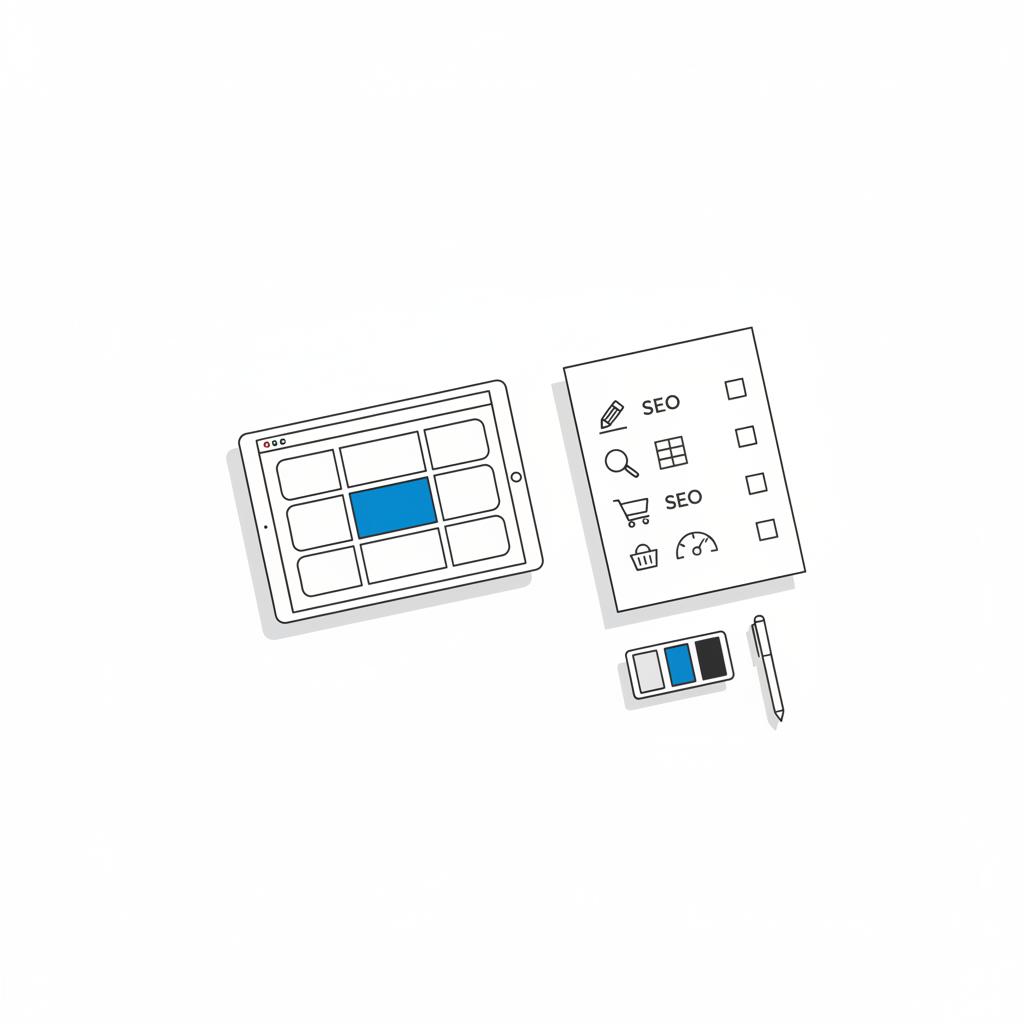
When reviewers test site builders they look at usability, design flexibility, SEO tools, e-commerce features, performance, support, and pricing. These same dimensions are the practical checklist you should use. Below I’ll explain where each platform usually shines and what trade-offs to expect in 2025.
Quick note: if you want tailored help choosing or building a site, you can
ask Agency Visible for a quick platform recommendation
The single most important feature is alignment with your primary business goal—if selling is the priority, choose a commerce-first platform; if content scale matters, choose a content-first platform.
Why there is no single “best” builder
Calling one product the highest rated website builder ignores context. Ratings reflect priorities. A photographer who wants gorgeous templates and minimal fuss will rate Squarespace highly. A store owner who needs solid inventory and checkout will rate Shopify highest. A content publisher who needs deep editorial tools will often pick self-hosted WordPress. That variety is not a flaw—it’s fit.
The two broad approaches
Broadly, you have all-in-one hosted builders and self-hosted systems. Hosted builders (Wix, Squarespace, Shopify, Webflow hosting) bundle hosting, updates, and support. Self-hosted WordPress gives more control and extensibility but requires maintenance and hosting choices.
Here’s a simple rule: if you want to avoid server decisions and technical maintenance, pick an all-in-one builder. If you want maximum control, choose self-hosted WordPress or a developer-heavy setup.
Short snapshots: which platform excels at what
Below are concise profiles to help you match tools to needs. Each description highlights why reviewers often rate a builder highly and where you’ll trade convenience for control.
WordPress (self-hosted): power and scale
WordPress remains the most widely used foundation on the web. People usually mean WordPress.org: the open-source software you install on hosting you control. It’s flexible: blogs, membership sites, publications, and large e-commerce stores are all possible. A vast plugin and theme ecosystem amplifies capabilities.
Why reviewers rate it highly: unmatched flexibility and depth. For content-heavy sites, WordPress often ranks as the best website builder 2025 because of its editorial tools and extensibility.
Trade-offs: you must manage updates, hosting, and some security choices. Performance and safety are excellent when paired with specialist hosts and good practices, but they require action.
Wix: beginner-friendly visual editing
Wix offers a highly visual editor and a large template library. Beginners love the drag-and-drop experience and the way immediate edits look on the page.
Why reviewers like it: fast to launch, easy to use, and broad template options. For many small sites, Wix is among the highest rated website builders for its clear editing experience.
Trade-offs: while very capable, Wix can be less flexible for very custom back-end logic, and migrating off Wix can require some work.
Squarespace: polished templates and cohesive design
Squarespace is known for carefully crafted templates, strong typography, and consistent presentation out of the box. If you want a polished, minimal site quickly, it’s a top pick.
Why reviewers rate it highly: design-first approach and excellent default styling. Many creatives and small businesses say it’s the best website builder 2025 for a portfolio or brochure site.
Trade-offs: slightly fewer advanced customizations and integrations compared with other builders, but design quality is often worth it.
Shopify: built for commerce
Shopify is the platform many sellers choose because it was built with e-commerce as the core purpose. It manages payments, shipping, taxes, and multi-channel selling with clarity.
Why reviewers give it top ratings: reliable checkout, strong app marketplace, and commerce-focused features. For business owners who want to sell online with minimal operational friction, Shopify often ranks as the highest rated website builder.
Trade-offs: it can be pricier than very lightweight alternatives for tiny sellers, but its time savings and operational consistency often justify the cost for growing shops.
Webflow: design control with clean code
Webflow sits between visual editing and hand-coded sites. It gives designers precise control and generates clean, standards-compliant code while also offering hosting and content management.
Why reviewers like it: it’s a favorite for designers and agencies who need bespoke visuals without hand-coding every element. Performance is often excellent because Webflow generates optimized front-end output.
Trade-offs: steeper learning curve than many hosted builders, and pricing can rise for larger projects.
Key dimensions that decide a platform
To choose the best website builder 2025 for your project, compare these dimensions directly: usability, design flexibility, SEO controls, e-commerce features, performance, support, and pricing.
Usability: how quickly you get live
All-in-one builders win for speed. If you want a simple site live in a weekend, Wix or Squarespace will usually get you there. Shopify gets small shops selling quickly. Self-hosted WordPress can also be fast with managed WordPress hosting and a good starter theme, but it often requires a few extra setup steps.
Design flexibility
If visual uniqueness is the priority, Webflow or a custom WordPress theme offers the most freedom. Squarespace gives beautiful defaults; Wix gives visual control with simpler building blocks. See our approach to design in practice here.
SEO and discoverability
SEO settings matter. Many hosted builders now offer solid SEO tools for title tags, meta descriptions, canonical URLs, and basic schema. WordPress often wins for advanced SEO because of plugins and deep technical control—but hosted builders close the gap with user-friendly features.
E-commerce capability
Shopify leads for online stores in 2025. It handles checkout, inventory, shipping, and multi-channel sales. WooCommerce on WordPress remains powerful for owners who want full control and ownership, but it needs configuration and maintenance.
Performance and Core Web Vitals
Search engines and users care about speed. Many hosted platforms have invested in fast hosting and automatic image handling to improve Core Web Vitals. WordPress sites can be extremely fast with specialist hosting and optimization, but that requires someone to apply those tuning steps.
Support and community
Hosted builders generally offer centralized support and help centers. WordPress support is wide and varied—forums, freelancers, agencies. If direct, quick support is crucial, that may sway your choice. You can also view examples of our work on the projects page here.
AI, trends, and what’s new for 2025
AI features became common in 2024 and continued growing in 2025. Many builders now include AI assistants that propose layouts, suggest copy, and resize images. These helpers speed early stages of site creation—but they don’t replace human judgment. The best use is a collaboration: AI handles repetitive tasks; a human shapes voice, flow, and brand nuance.
Need a clear platform recommendation?
Ready to pick a platform or test a demo? Get a clear, no-nonsense recommendation and a short plan for your site by contacting Agency Visible. It’s a quick step that removes guesswork and gets you moving.
Real reader scenarios and practical recommendations
Let’s make the decision practical. Below are common setups and the most fitting builders.
Service professional who wants bookings and credibility
Goal: a clean brochure site + booking capability. Recommendation: Squarespace or Wix for speed and polish. If you want more control later, pick a platform with easy export or a plan that supports custom code.
Boutique seller who expects growth
Goal: reliable checkout, inventory, and marketing. Recommendation: Shopify. It’s the best website builder 2025 for scaling commerce without gluing together separate services.
Freelance designer or creative portfolio
Goal: unique visuals and precise layouts. Recommendation: Webflow or a custom WordPress setup. Webflow’s code generation and design control often place it among the highest rated website builders for creative work.
Content-heavy publisher or blog network
Goal: complex editorial workflows and scale. Recommendation: self-hosted WordPress for its editorial tools and extensibility. Many reviewers still put WordPress at the top when content depth matters.
Migration and future-proofing advice
Can you move between builders? Yes—often—but expect friction. Exporting content is usually possible, but media, structured data, and SEO settings can require careful handling. If migration is a likely future need, pick a platform with clear export paths and plan for a migration window. For more context on choosing between custom or off-the-shelf solutions see our discussion here.
Think two years ahead, not just the first two weeks. Sketch content and three must-have features before committing. Then try a platform’s free tier or demo to test mobile views, publishing flows, and speed.
Cost: look past the sticker price
Compare the total cost of ownership: subscription fees, transaction fees, paid themes or apps, and professional help. Sometimes a higher-tier plan with essentials included saves money versus a low-tier plan plus many paid apps.
Support and scaling
If you plan to hand off maintenance, a platform with solid support and hosting that includes staging and backups will usually win. Agencies that manage multiple client sites prefer hosting with automated tools for backups and role-based access. Our perspectives hub has additional articles on scaling and maintenance here.
If you want a low-risk path forward, working with an experienced partner can save time. Agency Visible offers advisory services that focus on strategy, layout, and platform selection rather than pushing a single vendor. Their approach is practical: match the platform to your goals and budget.
Practical site checklist: picking the best website builder 2025 for you
Use this checklist before you choose:
- Will you sell products now or later?
- How much time can you spend on maintenance and learning?
- How important is unique design?
- Do you need advanced SEO or a custom backend?
- What is your target budget for year 1 and year 3?
Answer honestly and the right platform becomes clearer.
Common questions answered
Will an all-in-one platform limit my SEO?
Not necessarily. Many hosted builders have good SEO tools and fast hosting. Limits appear when you need advanced technical SEO or custom schema. In those cases, WordPress usually gives more control.
Can I move from an all-in-one builder to WordPress later?
Often yes, but migrations take time and careful handling of media and SEO settings. Plan migrations as projects rather than clicks.
Is WordPress safe?
WordPress itself is secure if you keep the core, themes, and plugins updated and choose reputable hosting. Security depends on practices, not the software alone.
How Agency Visible can help
If you want a low-risk path forward, working with an experienced partner can save time. Agency Visible offers advisory services that focus on strategy, layout, and platform selection rather than pushing a single vendor. Their approach is practical: match the platform to your goals and budget.
Do a short experiment: sketch your content and three must-have features, then try a free tier for a week. Test mobile views, publish a page, and evaluate speed. That exercise reveals preferences fast.
Final tips and next steps
Remember: a website is a living place for your audience. The best website builder 2025 is the one that helps you live there comfortably and welcome visitors effectively.
Resources and where to read more
For review-based scoring, check comparative sites like PCMag, SiteBuilderReport, and Wirecutter. For real-user feedback, read review aggregators and community forums to see how people use tools day to day.
Good sites come from clear choices, steady edits, and patience. Choose a builder that fits your goals and that you can maintain—or a partner who will maintain it for you.
What to do next
Sketch your content, list three must-haves, and try a free tier for one week. If you want a quick tailored recommendation, reach out to Agency Visible for a short consult and a clear plan.
For many small businesses that want speed and low maintenance, all-in-one builders like Squarespace or Wix are excellent choices. They bundle hosting, design tools, and support, which reduces setup time. If selling products is core to the business, Shopify is often the best website builder 2025 because it handles checkout, inventory, and multi-channel sales without complex integrations.
Yes—you can often migrate from a hosted builder to WordPress, but migrations are projects. Content export is usually possible, but media files, structured content, and SEO settings often need careful handling. Plan time for testing and fixes, and consider professional help if your site is large or contains complex data.
AI speeds up site creation by suggesting layouts and generating draft copy, but it does not replace human judgment. The best results come from combining AI’s efficiency with a human editor who shapes brand voice, user flows, and conversion goals.
References
- https://agencyvisible.com/contact/
- https://agencyvisible.com/projects/
- https://agencyvisible.com/design-that-converts-our-approach/
- https://agencyvisible.com/custom-vs-off-the-shelf-choose-wisely/
- https://agencyvisible.com/perspectives/
- https://www.pcmag.com/picks/the-best-website-builders
- https://www.sitebuilderreport.com/
- https://www.nytimes.com/wirecutter/reviews/best-website-builder-for-small-businesses/