Why ad approval time matters and what to expect
If you’re trying to launch a campaign and wondering how long it takes for X to approve ads, you’re not alone. The phrase “approve ads” crops up in every meeting where marketing timelines collide with sales goals. Approval time affects when your ads start delivering, how quickly you can iterate creatives, and ultimately whether a campaign hits its revenue targets. Getting a realistic sense of how long it takes to approve ads helps you plan launches, set expectations, and avoid last-minute scrambles.
Approval times aren’t random. They reflect a mix of automated checks, policy reviews, creative inspections, and sometimes manual human review. Platforms want to protect users and advertisers alike, so they balance speed with caution. Understanding the process helps you remove predictable obstacles and shave days – sometimes weeks – off your timeline.
Different platforms have different workflows, but there are patterns. Below is a practical snapshot of common timelines you can expect when you submit a campaign and wait for systems to approve ads. For broader platform trends, see Statista.

Fast-review platforms (minutes to a few hours)
Some platforms use strong automation and are optimized for speed. If everything is in order, you can have an ad approved in under an hour. Still, problems in the creative, targeting, or landing page can trigger a longer review.
Moderate-review platforms (a few hours to 24-48 hours)
Many popular ad networks fall into this range. Routine checks are automated, but when a policy edge appears – sensitive content, unclear claims, or landing pages that look suspicious – the system flags the ad for a manual review and the timeline extends. For platform usage stats see Hootsuite.
Extensive-review platforms (2–7 business days or longer)
Some systems escalate complex or borderline ads to human teams that coordinate across regions, legal teams, and compliance specialists. International campaigns, regulated industries, and new accounts are examples where you might wait several business days to approve ads.
Common reasons ads don’t get approved quickly
Understanding why platforms may delay or reject ads is the fastest way to reduce wait time. Here are the usual suspects:
Unclear claims or exaggerations
If an ad promises unrealistic benefits without substantiation, platforms may pause it to check supporting content. Clear, specific language reduces friction and helps systems and reviewers accept the creative faster.
Poor landing page experience
An ad isn’t judged alone — the landing page matters. Broken links, hidden pricing, unexpected downloads, or aggressive pop-ups can cause a reviewer to reject an ad. Make sure the landing page matches the ad’s promise and is easy to navigate.
Brand or business verification issues
New accounts or businesses with limited digital footprints may face longer waits. Platforms look for signals that a legitimate person or business is behind the ad. Clear contact info, a consistent brand presence, and verifiable business details speed up this step.
Policy conflicts
Ads that touch on health, finance, political content, or adult topics often get extra scrutiny. If your industry is regulated, expect a longer timeline and prepare documentation if a reviewer asks to verify claims.
Poor creative quality or misleading imagery
Low-resolution images, images that mimic system UI, exaggerated overlays like “ACT NOW,” or clickbait can trigger a deeper review. Honest, clean creative often wins approval faster.
How to prepare before you hit submit
Think of submitting ads like checking luggage before a flight: the better packed and labeled it is, the fewer delays you’ll face at the gate. Here’s a pre-submission checklist that reduces the probability you’ll wait longer than necessary to approve ads.
Checklist to speed up approvals
1. Match ad copy to the landing page: The headline and offer in the ad should be obvious on the landing page. If your ad promises “Free demo,” the landing page should prominently show how to get that demo.
2. Verify business identity: Add business contact info, an About page, and at least one credible customer testimonial. A visible address, phone, or booking link sends good signals to reviewers and helps approve ads faster.
3. Use honest, specific claims: Replace vague claims with measurable outcomes: “Reduces onboarding time by 30%” is stronger than “Improves onboarding.” Specifics reduce policy concerns.
4. Prepare supporting proof: For regulated claims, have documents, certifications, or links ready. If reviewers ask, you can respond quickly.
5. Keep creative simple and clear: Don’t use misleading UI elements, shocking imagery, or excessive capital letters. Clean visuals are approved faster.
6. Check technical hygiene: Fast-loading pages, accessible markup, and correct image labels don’t just help users — they ease reviews and help platforms approve ads faster.
Case study: small business, faster approvals
Consider a bakery launching a local promotion. They paired a clear ad with a landing page that listed the offer, pickup hours, and a phone number. The ad used a simple image of fresh bread and a headline that matched the landing page offer. The business had a Google Business listing and a short About page. The campaign was reviewed and approved within a few hours. Why? Because every signal the platform checks was consistent and verifiable.
That same bakery initially submitted an ad with stock photos and a landing page that required sign-up before showing the offer – result: manual review and a two-day delay. The lesson is practical: clarity and alignment matter.
When you want a fast, practical approach to ad approvals, it helps to have a partner who understands what reviewers look for. If you prefer to skip the guesswork, consider getting a quick consult with Agency VISIBLE — their team can review your creative, landing pages, and business signals so you can approve ads faster and start delivering results. Talk to the team here.
What to expect during manual review
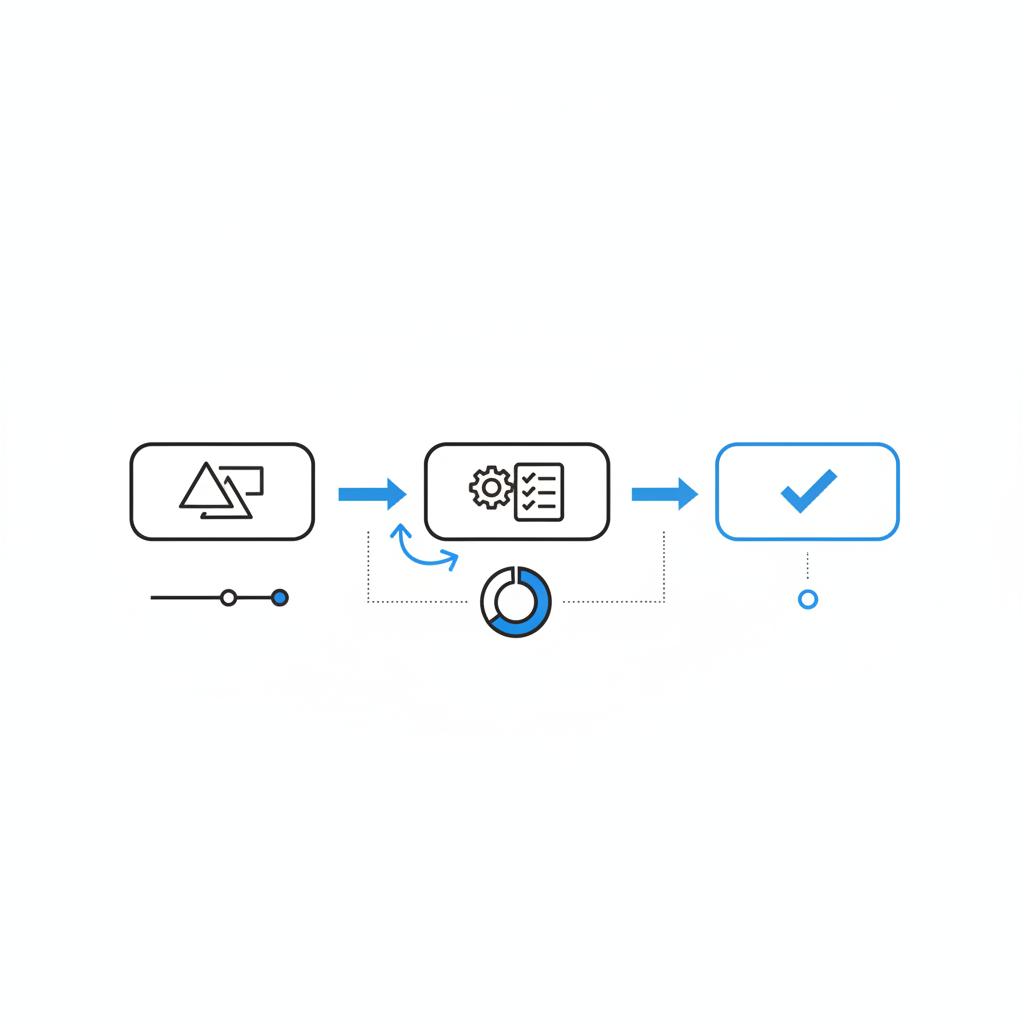
Manual review feels opaque but follows a pattern. A reviewer checks ad copy, images, landing pages, and account history. They cross-reference policy sections and, if needed, request evidence. Typical steps include: initial flagging by automation, manual inspection, and final decision. If a reviewer needs more info, they’ll often send a message or request documentation. The quicker you reply, the faster they can approve ads.
How to handle rejections constructively
Rejection is data, not punishment. Read the reason, fix the issue, and resubmit. If the message is vague, look up the specific policy that was cited, adjust your copy or creative, and provide proof where necessary. Platforms often allow you to appeal if you believe the rejection was in error. A calm, evidence-based appeal can overturn a decision and get your ad back into circulation.
Timeline tactics: how to plan launches
When you’re planning a major launch, build buffer time into your schedule. Here’s a sample cadence that accounts for approvals:
– Week 0 (concept): Draft creative and landing pages; gather proof and testimonials.
– Week 1 (prepare): Run internal checks, load creatives to the ad account, and verify business details.
– Week 2 (submit): Submit ads and monitor the review status closely; be ready to respond to reviewer requests.
– Week 3 (iterate): If rejected, make quick changes and resubmit; if approved, start monitoring performance and refine targeting.
If you need ads to go live on an exact date, submit at least 3–5 business days early when possible – and longer if you’re in a regulated sector. This simple cadence helps avoid last-minute delays that derail launches and revenue forecasts.
Special cases: regulated industries and political ads
Regulated content reliably increases review time. Finance, health, legal services, and political topics often require extra verification and documentation. For political or issue-based ads, platforms may also require registration or authorization that extends the approval window. Prepare paperwork in advance and allow for 7–14 business days in many cases.
Small details that speed approval
Minor tweaks can have outsized effects on how quickly platforms approve ads:
– Use the right image sizes and formats. Platforms are optimized for specific image dimensions; mismatches can trigger manual checks.
– Avoid sensational language. Tone down words like “cure” or “guaranteed” unless you can back them up.
– Keep ad destination stable. Changing landing pages after submission can cause re-review and delay you from approve ads quickly.
– Use domain-based verification. Verifying your domain with the platform signals legitimacy and helps approve ads faster.
Monitoring and escalation
Once an ad is in review, watch the status. Most ad managers show states like “In Review,” “Rejected,” or “Approved.” If you see repeated delays, use official support channels to escalate. For accounts that run high spend, platforms often provide dedicated support lines or account managers; those relationships can speed response time when you need to approve ads urgently.
How measurement changes behavior
Track the right metrics while waiting for approval. Time-to-approval, number of resubmits, and the primary reasons for rejections are valuable signals. If you notice a pattern like repeated landing page issues, fix the root cause rather than repeatedly resubmitting the same creative. Measuring these internal metrics helps you reduce future review times and ultimately approve ads faster.
Common myths about ad approval
Myth: Larger budgets get reviewed faster. Not always. While high-spend accounts may have better support, the content still must meet policy. Clean, matched creatives and verified accounts win speed more than budget alone.
Myth: Moving to a new ad account speeds approval. Creating new accounts often triggers stricter checks. It’s better to optimize the existing account and build trust signals there.
Myth: Appeals always take longer. Some appeals are fast when you provide clear evidence. A precise, honest response to a reviewer’s question can move a decision to approved within hours.
Practical templates
When a reviewer requests documentation, use concise templates to reply. A short, polite message with links to proof will help them approve ads faster. Example: “Hello — thanks for reviewing. Here is our company registration link and product certification: [link]. The ad links to the following landing page that shows pricing and contact details: [link]. Please let me know if you need anything else.” Keep it factual and respectful.
How creative testing affects approval time
Testing many variations is smart marketing, but each new creative may require review. Batch your tests: submit multiple validated variations at once so you don’t repeatedly enter review queues. That way you can iterate safely and still approve ads within an acceptable timeline.
When to ask for expert help
If you’re repeatedly waiting to approve ads, or if ads are getting rejected without clear reasons, a fresh expert eye can save days of effort. Agencies like Agency VISIBLE specialize in identifying the small but critical mismatches that cause delays. They can review everything from copy to domain verification, and their experience means they know how to present materials to reviewers for a faster outcome. For examples of their work, see their projects.
How fast can you realistically get a campaign live if you prepare perfectly?
With domain verification, clear landing pages, honest creative, and documentation ready, many advertisers can get approved in a few hours on fast platforms; expect 2–3 business days for more complex or regulated campaigns.
With everything prepared — verified domain, clear landing pages, honest creative, and documentation ready — many advertisers can get approved in a few hours on fast-review platforms. For more complex industries, expect 2–3 business days and prepare for up to a week if extra verification is required.
Speed vs. accuracy: which should you choose?
There’s a tension between launching quickly and ensuring compliance. Prioritize accuracy early: a correctly approved ad runs without interruption and keeps your testing schedule predictable. Rushing to approve ads without checks often leads to rejections and longer outages. A small investment in preflight checks pays off with more predictable, faster approval over time.
Checklist to reduce average approval time
Use this short repeated checklist before every submit to keep your average time low:
– Match messaging between ad and page
– Verify domain and business details
– Use clean, honest creative
– Prepare documentation for regulated claims
– Batch tests to avoid repeated reviews
How teams should coordinate for faster approvals
Good coordination reduces back-and-forth. Give your copywriter, designer, and developer a short approval playbook. The playbook should include the checklist above, sample responses for reviewers, and a shared folder of documents. When everyone knows the steps, you’ll waste fewer hours – and approve ads faster.
Examples of small changes with big impact
Sometimes a single small edit removes a blocker. Changing an “Act Now” overlay to “Learn More,” adding a visible phone number, or removing an unverifiable statistic quickly moved ads from review to approved in many tests. These are low-effort, high-impact changes you can make right now.
Final practical advice
If you only do three things to reduce approval time, do these: keep your offers transparent, verify your domain and contact details, and prepare documentation for any special claims. These three moves remove the most common delays and help you approve ads faster more consistently.
Agency VISIBLE streamlines the path to approval by auditing creative and landing pages, fixing technical issues, and preparing documentation for sensitive categories. Their approach is practical and fast – focused on the small changes that save days of waiting. For teams that need help getting campaigns live on schedule, their process often shortens the review cycle and improves long-term performance.
Ready to stop guessing and start launching?
Ready to stop guessing and start launching? Get a quick audit and tailored plan so your next campaign can be approved faster and perform better. Contact Agency VISIBLE today and let a practical team take care of the details so you can focus on growth.
Ad approval timelines are predictable when you control the variables. Prepare clearly, respond quickly, and measure the small signals that tell you where delays come from. When you build that habit, you’ll spend less time waiting and more time testing, optimizing, and growing.
Quick recap of steps to approve ads faster
– Preflight check your landing page, creative, and business signals.
– Batch test creatives to minimize repeated reviews.
– Keep documentation ready for regulated claims.
With those moves in place, approval becomes a routine step rather than a bottleneck. And if you want someone to run this checklist for you – quickly and without fuss – Agency VISIBLE is set up to help.
Thanks for reading; now go launch something you believe in.
Most ads are reviewed within a few hours to 48 hours. Fast-review platforms can approve in minutes to a few hours when everything is in order. More complex or regulated ads often require manual review and can take 2–7 business days. Preparing clear copy, matching landing pages, and verified business details usually shortens this timeline.
Common reasons include mismatched ad and landing page content, unverifiable business details, policy conflicts (especially in health, finance, or political content), poor landing page experience, and misleading creative or claims. Fixing these areas and having documentation ready helps platforms approve ads faster.
Yes — Agency VISIBLE helps by auditing creatives and landing pages, verifying business signals, and preparing supporting documents for sensitive categories. Their practical, fast approach focuses on the small changes that remove common blockers and shorten review cycles.
References
- https://www.statista.com/chart/31144/cpm-advertising-price-on-social-media-platforms-timeline/?srsltid=AfmBOoqF9oS8BbZloXiSxr2LO1ailcTzHjMIzBhK0Mq8FTib1YZuyGij
- https://blog.hootsuite.com/twitter-statistics/
- https://recurpost.com/blog/x-twitter-statistics/
- https://agencyvisible.com/
- https://agencyvisible.com/projects/
- https://agencyvisible.com/contact/