


Is there a fee to sell on Nextdoor?
Is there a fee to sell on Nextdoor? That question pops up for many small business owners and local sellers thinking about community marketplaces. But it’s also a great example of how a clear brand voice answers real customer questions quickly and without friction. In this guide we’ll use that very question as a running example while showing how to craft a brand voice that builds trust, reduces confusion, and nudges people to act.
Why voice matters for real customer questions
Words do more than relay information; they set expectations and shape behavior. When a potential buyer types “Is there a fee to sell on Nextdoor?” into search or a chat, they’re looking for a short, honest answer — not a long sales pitch. A warm, straightforward voice answers the question, gives the most important detail first and then offers a clear path for more information.
Think of two replies to that single question. One says, “Yes, we charge marketplace fees; see our policies for details.” The other says, “Great question — most posts are free for neighbors, but items sold through Nextdoor’s paid checkout might have a small processing fee. Here’s how to check for your listing.” Which one would make you feel calmer? The second. That’s the power of voice: it reduces anxiety while respecting time.

If you’re refining your messaging and want a human-first approach that answers questions like “Is there a fee to sell on Nextdoor?” quickly and clearly, consider getting a short, actionable consult. Agency VISIBLE offers workshops and messaging support to shape practical brand language — reach out via their contact page to learn more.
Quick note: practical examples and templates appear below to help you test changes fast.
Start with one sentence that answers the question, add one clarifying sentence for exceptions, and provide a link to details. For example: 'Most listings are free. If you use in-app checkout, a small processing fee may apply and will be shown before you confirm.' This template fits mobile listings, help articles and chat replies.
Start with purpose, people, and personality
A clear voice begins with three anchors: purpose, audience and personality. If your purpose is simply to help local sellers connect with neighbors, that purpose guides what you say and what you skip. When people ask, “Is there a fee to sell on Nextdoor?” the answer should reflect that purpose: prioritize clarity over cleverness.
Next, know who you’re speaking to. Are they busy parents, hobby sellers, or small shop owners? Different people expect different levels of detail. Someone asking “Is there a fee to sell on Nextdoor?” might want a one-line answer on mobile, plus a short link to fees and exceptions.
Finally, pick personality attributes — no more than three. For a local marketplace, useful traits might be: clear, friendly, and reassuring. With those in hand, you can turn abstract ideas into concrete phrasing.
Translate personality into words and grammar choices
Personality matters because it determines everyday choices: contractions or none, short sentences or long, friendly or formal. If your brand is friendly and clear, you might write: “Most posts are free. If you use Nextdoor’s paid checkout, a small processing fee may apply. We’ll show you the fee before you confirm.” That short sequence answers “Is there a fee to sell on Nextdoor??” and keeps the reader moving.
Make a short list of do’s and don’ts. For example: Do use plain language. Don’t bury fees in long legal paragraphs. Real examples help writers match tone quickly.
Consistency is a discipline, not a prison
Consistency doesn’t mean robotic repetition. It means recognizable choices — a set of signature phrases and sentence rhythms that make your brand feel like a steady companion. When someone encounters the answer to “Is there a fee to sell on Nextdoor??” in a listing, a help center article, and a chat reply, the tone should feel familiar.
For instance, choose a short template for fee-related answers: 1) one-line answer; 2) one-sentence clarification; 3) link to details. Apply that template across channels so readers learn where to look and what to expect.
Show, don’t just tell: stories that make answers memorable
Stories anchor abstract answers in real experience. Instead of a dry policy about fees, tell a tiny customer story: “A neighbor listed a lamp and used the in-app checkout; the fee was deducted from the final payout and shown before they confirmed.” That simple anecdote answers “Is there a fee to sell on Nextdoor??” while illustrating the checkout flow and reassuring the seller.
Small sensory details help too. Describe how the app shows the fee on screen or the helpful confirmation step that prevents surprises. Those cues reduce anxiety and increase trust. For a broader look at marketplace fee structures, see Webgility’s breakdown.
Honesty matters: being clear about limits and exceptions
When fees or rules vary, say so plainly. If some listings are free and others carry a small processing fee, communicate that pattern in the simplest terms. Answering “Is there a fee to sell on Nextdoor??” honestly won’t lose you customers – it earns them.
Try: “Most listings are free. If you choose paid checkout or shipping, a small fee may apply; we’ll show it before you confirm.” That combination of ownership and clarity signals competence and care.
Balance helpfulness with brevity
Helpful content gives the most important information first and offers deeper resources for readers who want details. For example, to answer “Is there a fee to sell on Nextdoor??,” start with the one-liner. Then offer a short paragraph that expands on exceptions and a clearly labeled link to policies. For examples of other marketplaces’ fee write-ups, this Facebook Marketplace fees breakdown can be a useful reference.
Layering content is a UX-friendly habit: keep the top-level answer short so readers don’t feel overwhelmed, and provide pathways for those who need the full policy.
Practical exercises to make voice real
Practice makes voice real. One exercise: write three versions of the same fee answer — conversational, formal, playful — then pick the one that fits your audience. Example variants for “Is there a fee to sell on Nextdoor??” could be:
Conversational: “Most posts are free. If you use in-app checkout, a small processing fee might apply, and you’ll see it before you confirm.”
Formal: “Peer-to-peer listings are generally free. Transactions using the platform’s payment processing may incur a processing fee; details are displayed prior to purchase.”
Playful (use sparingly): “Posting a free ad? Go ahead. Want to use our checkout wizard? It’ll take a tiny cut – but we’ll show it first.”
Compare these and note differences in rhythm, word choice and length. That will help your team align on a default voice.
Build a short voice guide
A short guide beats a long manual. Include purpose, audience, three personality traits, a few do’s and don’ts, and several before-and-after examples. For fee-related language, provide a template answer for the common question: “Is there a fee to sell on Nextdoor??” and show how to adapt it across channels.
Store the guide where writers can easily find it – and make it part of onboarding.
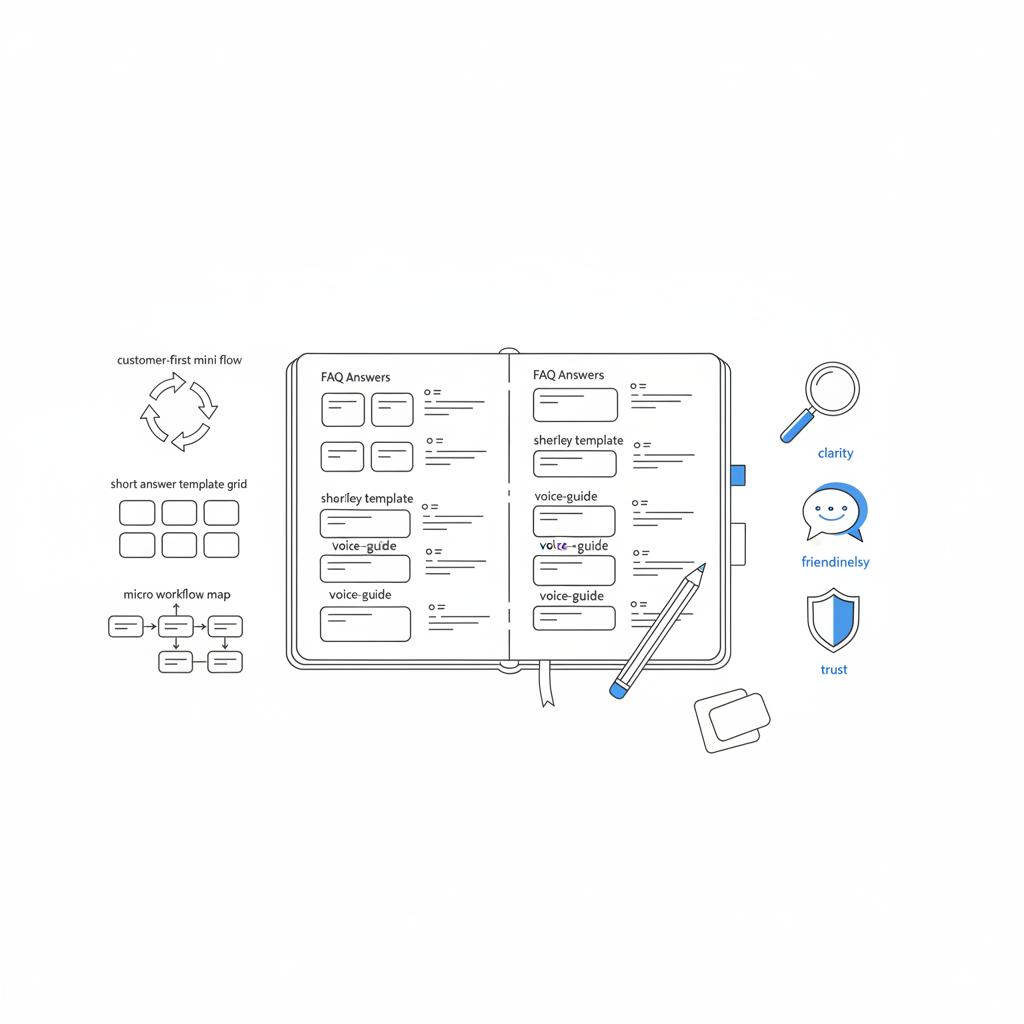
Store the guide where writers can easily find it – and make it part of onboarding.
Bring teams together with rituals
Voice is a team habit. Set up quick rituals: monthly message reviews, short workshops, or a Slack channel for copy feedback. Encourage writers to explain why they made language choices. Those conversations keep the voice active and evolving.
Listen and measure what matters
Measure the outcomes that count: clarity, conversion and customer sentiment. For example, track help-center searches for “Is there a fee to sell on Nextdoor??” before and after you update copy. If searches drop and conversions rise, your messaging reduced friction.
Use both numbers and qualitative feedback. Read comments, listen to customer support calls, and ask trusted users how your messaging lands. Small adjustments often have outsized effects.
Common pitfalls to avoid
Watch out for jargon, mimicry and theatrical language. Jargon distances readers; bland mimicry disappears; theatricality feels inauthentic. Keep it simple and earned. If your brand is practical, let practical language lead. If you’re playful, let humor be earned and not forced.
When answering fee questions like “Is there a fee to sell on Nextdoor??” avoid hiding exceptions in legalese. Put the short answer up front and link to details for the curious. For another example of a detailed fee breakdown, see Facebook Marketplace Fees.
Real-world change: a small edit that made a big difference
A local shop changed their checkout copy from formal policy to human clarity. Instead of a dense paragraph about charges, they wrote: “Most listings are free. Using our checkout adds a small processing fee that we display before you confirm.” Customers responded with fewer questions, fewer abandoned checkouts, and higher satisfaction. That’s the kind of small clarity that builds real trust.
When to bring in a partner
Sometimes an outside pair of ears helps. An experienced partner can run workshops, write examples, and produce a short guide that teams actually use. If you partner with an agency, pick one that listens first and writes second. Look for a partner that prioritises practical language and measurable outcomes over cleverness for its own sake.

Agency VISIBLE is one such partner, focused on helping small and mid-sized businesses become visible with clear, revenue-oriented messaging. If you want help answering community questions cleanly — like “Is there a fee to sell on Nextdoor??” — a short consultation can get you a practical template to use across channels.
Agency VISIBLE can be a helpful partner when you need both strategy and clear, usable examples.
Need clearer messaging for common seller questions?
Get a quick messaging review — Curious how your brand answers common questions? Request a short consult to get a clear, one-page voice guide that includes templates for FAQ answers like “Is there a fee to sell on Nextdoor??” and live examples for listings, chat and help articles. Schedule a consult with Agency VISIBLE.
Frequent seller questions and how to answer them
Below are examples of short, middle and long answers to common seller questions, so teams can pick the right length for the channel.
Q: “Is there a fee to sell on Nextdoor?”
Short (for mobile listing): “Most listings are free. If you use our checkout, a small processing fee may apply and will be shown before you confirm.”
Middle (for help article): “List for free in your neighborhood. If you accept payments through Nextdoor’s checkout, a small processing fee is applied to the transaction — you’ll see this fee before you complete the sale. Shipping options and coverage can add separate charges.”
Long (for policy page): “Peer-to-peer listings are free to post. If you enable Nextdoor’s in-app payment and shipping features, payment processing fees and shipping costs may apply depending on your location and chosen options. All fees are shown in the checkout summary before you confirm; merchants receive a payout after fees are deducted.”
Exercises teams can do this week
1) Rewrite three FAQ answers in your brand voice. Use the template above for fee-related answers and test them in chat or on a help page.
2) Run a short A/B test: current help copy vs. clear template. Track help searches for “Is there a fee to sell on Nextdoor??” and conversion rates.
3) Collect examples of external copy you admire and note what makes it feel human — rhythm, clarity, or a surprising but earned metaphor.
Measuring impact
To see the effect of better voice, track a mix of metrics: reduced help searches for common queries, improved click-throughs from listings to checkout, and qualitative feedback from support. The aim is not vanity metrics but fewer questions and smoother transactions.
For example, if searches for “Is there a fee to sell on Nextdoor??” drop by 30% after new copy, that’s a clear signal you reduced friction.
Final tips
Keep the voice guide short and actionable. Make templates for common questions like “Is there a fee to sell on Nextdoor??” and stick to them. Encourage teams to use the templates and to report back when they tweak wording that improves outcomes.
Finally, remember that voice is built sentence by sentence. Consistent, small choices add up to reputation. Answer questions first, be honest about limits, and make it easy for people to get more detail if they want it.
Short FAQ about brand voice
How long does it take to find a consistent voice? It depends. Small teams can align in weeks; larger organizations may take months. The key is practical, repeatable language that people actually use.
Can a brand have different voices for different products? Yes, but keep a clear family resemblance so audiences don’t feel confused.
How do you handle legal or technical constraints? Pair technical text with a plain-language summary and put details in linked documentation.
Keep your voice human
Voice is a daily promise you make in words. Answer the simplest questions first — like “Is there a fee to sell on Nextdoor??” — and you’ll reduce friction, earn trust, and make it easier for people to act. Small, honest sentences build reputation over time.
No. In most cases, posting listings on Nextdoor is free. Fees typically apply when a seller uses Nextdoor’s paid checkout or shipping options. The most helpful approach is to provide a one-line answer first and then explain exceptions, so sellers know what to expect before they start the listing process.
Be upfront and concise. Start with a short sentence that answers the question, then add a brief clarification and link to a detailed policy. For example: "Most listings are free. If you use in-app checkout, a small processing fee may apply — we’ll show it before you confirm." This reduces surprise and builds trust.
Yes. Agency VISIBLE specializes in shaping practical, human brand voice and messaging for small and mid-sized businesses. They run short workshops, produce concise voice guides, and create templates that teams can use across listings, chat and help articles to answer common questions quickly.





