How much does it cost to advertise on Nextdoor? A clear, practical look
If you’re asking how much does it cost to advertise on Nextdoor, you’re asking the right first question for any local business thinking about paid neighborhood advertising. Nextdoor is different from other social channels: it’s neighborhood-first, conversational, and designed for local discovery. That mix makes the platform attractive for small and mid-sized businesses—but it also means pricing and performance behave differently than on national social networks.
In this guide you’ll see real-world benchmarks, the ad types Nextdoor sells, the levers that push your price up or down, and practical steps to turn ad spend into actual customers. Read on for concrete tactics you can use this week.

Why local businesses care about the cost to advertise on Nextdoor
Neighborhood context matters. People come to Nextdoor looking for recommendations, deals, and neighbor-to-neighbor advice. For many local businesses that makes the platform efficient: ads often reach people who live or work within walking distance. Still, knowing the cost to advertise on Nextdoor helps you plan budgets and decide whether to test or scale. The key is matching the right ad type to the moment in a customer’s decision journey.
Need a hand framing experiments? If you’d rather focus on running your business, talk with Agency Visible — they help small and mid-sized businesses design local experiments, set bids and measurement, and make ad spend predictable.
Nextdoor ad formats: what you can buy
Nextdoor offers three primary formats that local businesses use frequently. Understanding how each works is the first step in estimating the cost to advertise on Nextdoor.
Sponsored Posts (Promoted Posts)
Sponsored Posts appear in the main feed like a neighbor’s post. These are discovery-focused and work well for awareness, seasonal messages, and conversational offers. You’ll buy Sponsored Posts via auction-based CPM (cost per thousand impressions) or CPC (cost per click), which means price varies by competition and audience size.
Local Deals
Local Deals are explicitly transactional: a discount, coupon or limited-time offer that encourages a clear action. Local Deals are often priced to be measured—redeemable codes or scannable coupons make conversion tracking straightforward and help you calculate the real cost to advertise on Nextdoor.
Nearby Ads
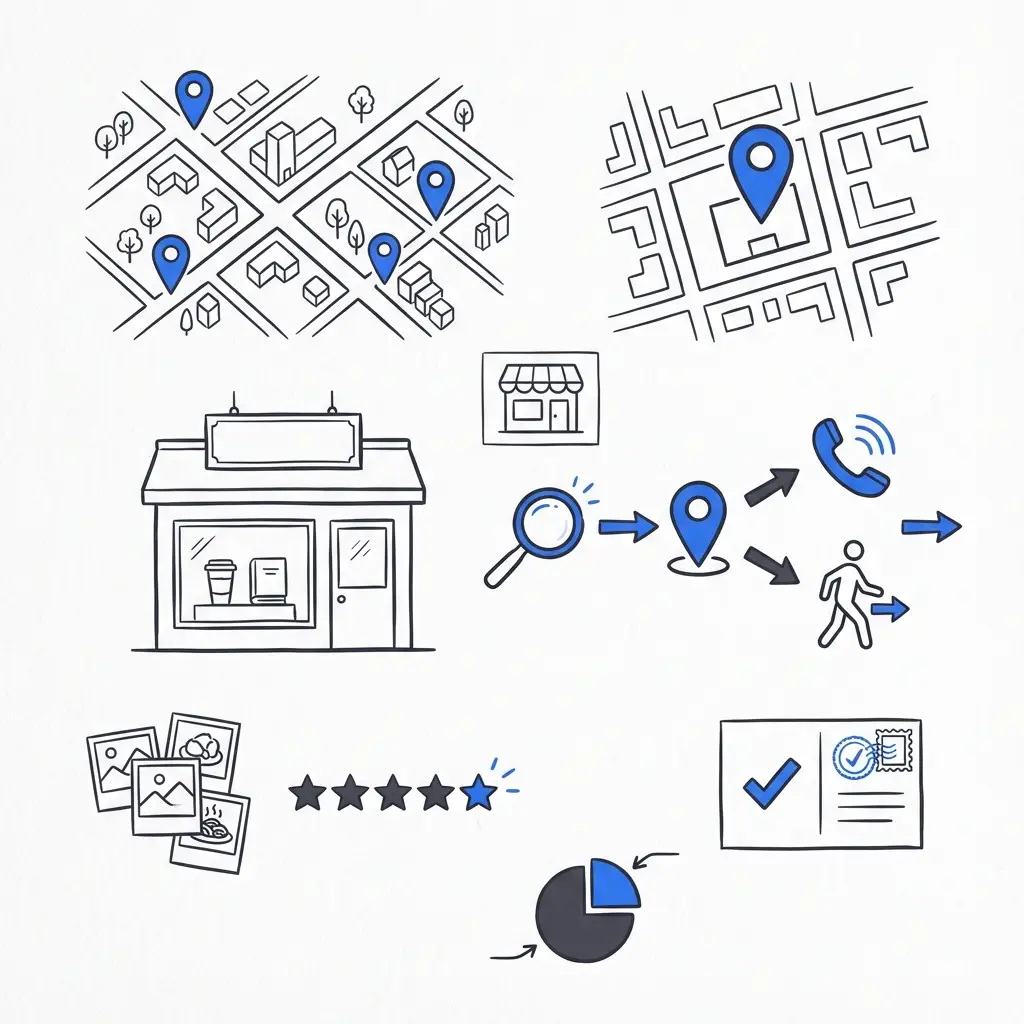
Nearby Ads target people who are physically close to your business. These visual, location-based placements are great for driving walk-ins and impulse visits. Because they target immediate proximity, they can be efficient at generating foot traffic when timed correctly.
Benchmarks & realistic price ranges (2023-2024)
Public data for Nextdoor remains sparser than for larger platforms, but multiple advertiser reports and industry notes from 2023-2024 provide useful benchmarks. If you want a quick rule of thumb for the cost to advertise on Nextdoor, use these figures as a starting point: See an analysis of the average cost per click on Nextdoor for context.
- CPM: Rough U.S. benchmark around $20 per 1,000 impressions for neighborhood-targeted campaigns.
- CPC: Common ranges near $0.50 to $2.00, depending on market and competition.
- Daily budgets: The self-serve platform supports low daily spends (single-digit amounts), making early tests affordable.
Those numbers are averages. Expect higher CPMs and CPCs in dense urban neighborhoods during peak seasons and lower costs in small towns. The auction model, audience size, and local demand create wide spreads.
What moves the price needle?
Four consistent levers determine whether your next ad run is costly or efficient when considering the cost to advertise on Nextdoor.
1) Geotargeting precision
Tighter geotargeting reduces waste because it focuses impressions on the people most likely to visit. If you target a single neighborhood or a small radius, CPM and CPC often fall relative to a whole-city buy that competes for broader attention.
2) Creative clarity and offer
A clear, scannable creative with a strong offer increases engagement and lowers effective cost per action. Ads that read like a friendly neighbor’s note—simple headline, strong image, one-sentence offer—tend to perform best on Nextdoor.
3) Bid strategy
Automatic bidding helps beginners get results without constant tweaks; manual bidding can give control but requires market knowledge. Your choice affects how the auction treats your ad and therefore the cost to advertise on Nextdoor.
4) Campaign objective
Buying for awareness, clicks, or message leads signals different optimization behaviors. If you optimize for clicks, expect CPC to be the auction’s focus; optimize for message leads and the system will favor users more likely to message, which can shift the effective cost per conversion.
Seasonality and audience density
Season and neighborhood density add another layer. Home services typically see higher demand in spring and summer. Retail and restaurants spike in holidays and event weeks. Urban neighborhoods with more advertisers are pricier than rural ones – always test locally.
How to measure results properly
It’s easy to buy impressions; the hard part is proving value. Measurement separates guesswork from profitable campaigns and is essential to understand the actual cost to advertise on Nextdoor. For advice on how to determine campaign ROI on Nextdoor, review Nextdoor’s guidance on campaign ROI.
Basic tracking checklist
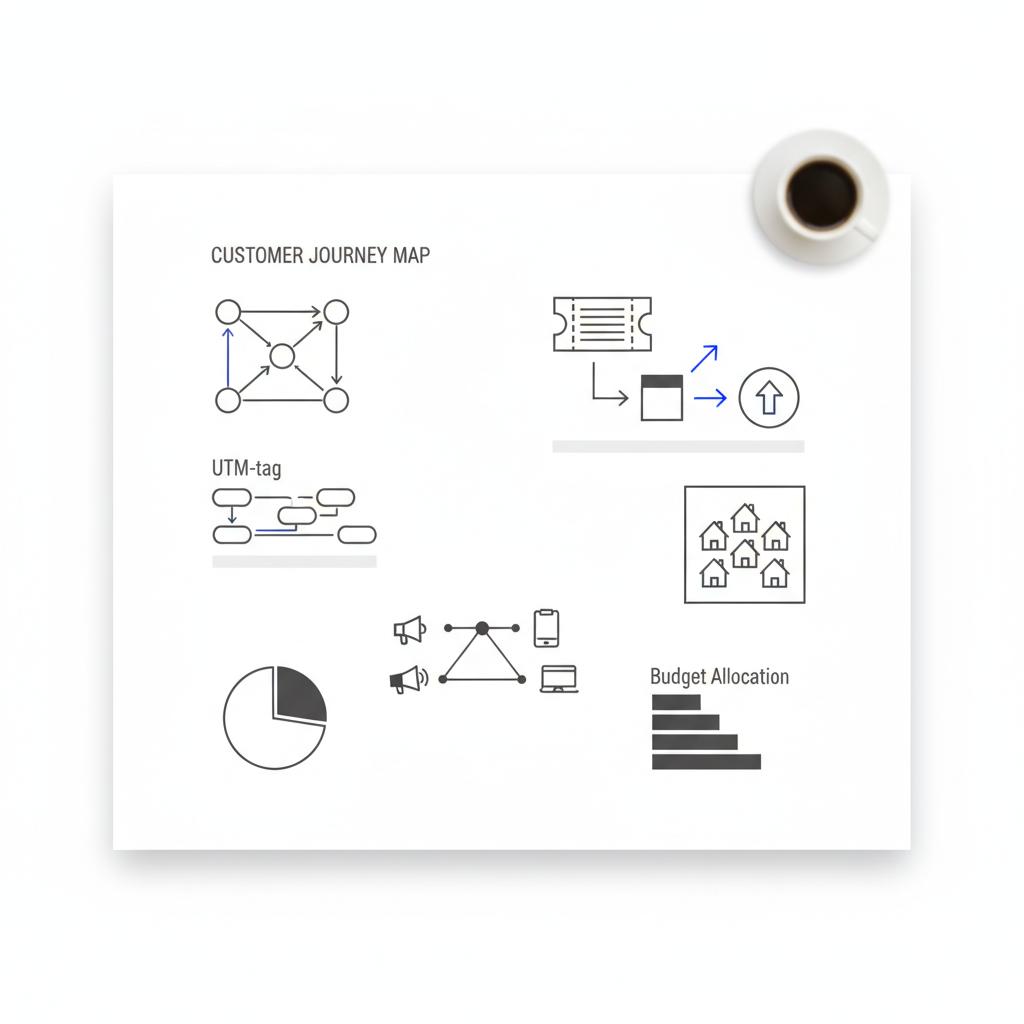
- Use UTM-tagged links to identify Nextdoor traffic in analytics.
- Install a conversion pixel or server-side events for bookings and checkouts.
- Use trackable coupon codes for Local Deals and ask customers how they found you for walk-ins.
- Enable click-to-call tracking for phone-led businesses.
Without this instrumentation you’ll only see impressions and messages—not whether those interactions turned into paying customers. For more best practices on improving ad performance, see Nextdoor’s best practices.
How small businesses should think about budget
Small budgets can work on Nextdoor. The platform allows low daily minimums so you can learn quickly. The real question is what a new customer is worth to you—and how much you can pay to acquire one.
Here’s a practical approach: run a two- to four-week learning campaign with a modest daily budget in tight neighborhoods. Test one clear transactional offer (Local Deal) and one awareness Sponsored Post. Measure clicks, messages, and conversions, and compare cost per lead to the lifetime or first-sale value of a customer.
Simple math to decide whether to scale
Calculate average transaction value, margin, and acceptable acquisition cost. For example, if your service yields $500 per sale and your margin on ad-reachable customers is 10%, a $50 cost per new customer could be reasonable. For lower-value retail, Local Deals that preserve margin are often the better choice.
Practical tactics to lower cost and improve return
The following tactics consistently reduce waste and increase return on Nextdoor campaigns.
Start with the neighborhood
Begin small. Target the neighborhoods closest to your business or those most aligned with your customer profile. Tight geotargeting is often the biggest lever to reduce the cost to advertise on Nextdoor.
Use Local Deals for transactional goals
Local Deals are designed for measurable exchanges—coupons, scan codes, or limited-time discounts. When your goal is a direct sale or appointment, Local Deals typically convert better than generic awareness posts.
Keep creative simple and test iteratively
Change one variable at a time—headline, image, CTA, or offer details. Small iterative changes reveal what resonates with your neighborhood and lower your effective cost per action over time.

For walk-in or phone-driven businesses, use unique coupon codes, ask customers how they heard about you, and log redemption sources. Offline capture closes the loop on the actual cost to advertise on Nextdoor.
Real small-business examples
Examples help make the numbers real. See Agency Visible’s work and case studies for examples of local tests: Agency Visible projects.
Neighborhood bakery
A bakery targets a 1–2 mile radius with a Sponsored Post showing a fresh croissant and a morning special—buy one, get 50% off the second between 7–9 a.m. They run the ad for two weeks with a small daily budget and track in-store coupon redemptions. If the CPM is near the $20 benchmark and the promotion drives extra morning foot traffic, the campaign pays for itself quickly.
Local plumber
A plumber targets homeowners in five nearby neighborhoods with a Sponsored Post offering a discounted inspection or a free emergency call. The plumber narrows by homeowner status so the audience is higher quality; because service calls are high value, the plumber can tolerate a higher CPC and still see strong returns.
Common mistakes and how to avoid them
Nextdoor campaigns stumble for predictable reasons. Avoid these common errors to keep your cost to advertise on Nextdoor reasonable and measurable.
Confusing reach with value
High impressions don’t equal new customers. Focus on actions that matter—messages, bookings, and coupon redemptions—not just how many neighbors saw your post.
Poor measurement
If you don’t tag links or track conversions, you’ll be flying blind. Invest a small amount of time to set up UTMs and a pixel before you launch.
Complicated creative
Ads that try to say everything at once usually say nothing. Keep your message simple and specific.
Expecting overnight results
Small budgets need a short learning phase. Give campaigns two weeks to collect useful data before making big decisions.
Step-by-step: launching your first Nextdoor campaign
Follow this checklist to keep your test focused and measurable.
- Pick an objective: transaction, lead, or awareness.
- Choose a tight geographic area (neighborhoods closest to your business).
- Decide on ad format: Local Deal for direct sales; Sponsored Post for awareness.
- Create one clear offer and simple creative.
- Set a two- to four-week learning window and a modest daily budget.
- Add UTM tags and a conversion pixel, and plan offline capture for walk-ins and calls.
- Review performance and calculate cost per lead/customer; scale if the math works.
How Nextdoor fits into a local marketing mix
Nextdoor performs best as part of a local ecosystem: review sites, local SEO, community outreach and targeted ads working together make it easier to turn an impression into a paying customer. When a neighbor sees your ad, reads a review, and finds you in local search, conversion rates rise—reducing the effective cost to advertise on Nextdoor.
Testing questions every advertiser should ask
There are always local variations worth testing: how big is the CPM gap between neighborhoods in your market? How much do seasonal peaks affect your vertical? What mix of Sponsored Posts versus Local Deals gives you the best cost per customer? The only reliable answers come from local experiments and disciplined measurement.
Both can work—Local Deals often drive immediate foot traffic and measurable redemptions, while Sponsored Posts build trust and awareness over time. Test both with tight neighborhoods to see what your local audience prefers.
Short answer: both—but the most efficient use depends on your goal. If you want immediate walk-ins, Local Deals with a redeemable code often win. If you’re building trust for later purchases, Sponsored Posts are better. Run short tests for both to see what your neighborhood prefers.
Advanced tips for advertisers who want to scale
If you find repeatable success, consider these moves to scale while controlling cost.
Lookalike neighborhoods and concentric rings
Start hyperlocal and expand in concentric rings around neighborhoods that perform best. That helps maintain efficiency as you scale audience size.
Retargeting and sequential messaging
Use Sponsored Posts to warm an audience and follow up with a Local Deal to capture conversions. Sequenced messaging increases efficiency and often reduces the cost to advertise on Nextdoor per converted customer.
Better offline capture
Automate coupon redemption tracking, integrate call tracking with CRM, and route message leads directly into booking tools to reduce friction and measure ROI cleanly.
How to decide if you should hire help
Small businesses should consider outside help when they don’t have the time to test, measure and iterate. A short, practical engagement with a local-focused agency can set up tracking, run the initial experiments, and provide a repeatable playbook. If you want more predictable local revenue without learning every detail yourself, that help can be worth the investment. Learn more at the Agency Visible homepage.
Checklist: measuring true cost per customer from Nextdoor
- UTM-tagged links for all ads.
- Conversion pixel or server-side events for purchases and bookings.
- Unique coupon codes for Local Deals.
- Click-to-call tracking for phone-driven businesses.
- Simple CRM or spreadsheet to log walk-in and phone redemptions with source data.
Frequently asked questions
What’s a good starting budget?
Many small businesses start with $5–$20 per day for two to four weeks. Use tight geotargeting and one clear offer to learn quickly.
Sponsored Posts or Local Deals — which to choose?
Use Local Deals for immediate, measurable transactions. Use Sponsored Posts for awareness and trust-building.
Can I track ROI?
Yes, but only if you set up UTMs, conversion tracking and offline capture for calls or walk-ins. Without tracking, you won’t know the actual cost to advertise on Nextdoor.
Final advice
Nextdoor is a neighborhood-first platform that rewards clear offers, precise targeting and tidy measurement. Expect CPMs near the $20 benchmark and CPCs around $0.50–$2.00 in many markets, but plan for variation by neighborhood and season. Start small, measure properly, and iterate—Nextdoor can become a reliable local channel with predictable returns.
Need help turning Nextdoor ads into predictable local revenue?
Ready to test Nextdoor with a guided, measurable plan? Reach out to build a simple experiment that fits your budget and goals: Contact Agency Visible for a quick setup.
Need a last practical note? If the idea of setting up bids, pixels, and coupon tracking feels like too many moving parts, getting a steady hand to frame the test can save weeks of guesswork and speed up your path to predictable local customers.
A reasonable CPM benchmark for neighborhood-targeted Nextdoor campaigns is around $20 per 1,000 impressions in many U.S. markets (2023–2024 reports). This varies by neighborhood density, season and vertical; dense urban areas and peak seasons often push CPMs higher, while small towns can be lower.
Track Nextdoor conversions using UTM-tagged links, a conversion pixel or server-side events, unique coupon codes for Local Deals, and click-to-call tracking for phone-driven businesses. Capture walk-in redemptions and ask customers how they heard about you to close the loop on offline conversions.
Hire an agency when you lack time or expertise to test, measure and iterate, or when you want predictable revenue without trial-and-error. An agency can set up tracking, frame experiments, and create a repeatable playbook to scale efficiently.
References
- https://agencyvisible.com/contact/
- https://agencyvisible.com/projects/
- https://agencyvisible.com/
- https://www.nextdooradvertisingagency.com/resources/understanding-the-average-cost-per-click-on-nextdoor-ads-what-you-can-expect-for-your-campaigns
- https://business.nextdoor.com/en-us/blog/determining-nextdoor-campaign-roi
- https://help.nextdoor.com/s/article/Business-Page-Ads-Best-Practices-for-Improving-Ad-Performance?language=en_CA