


Who can use Google Local service Ads?
If you run a small local service business and you’ve seen a bright, verified badge show up at the top of search results, you’ve met Google Local service Ads. Google Local service Ads put your phone number and verification badge where customers expect to look first — and they work on a pay-per-lead basis rather than pay-per-click. That difference changes how local businesses budget for advertising and how they measure success.
In this guide you’ll learn who is eligible, how to pass verification, what counts as a billable lead, and how to make Google Local service Ads a reliable source of customers instead of a confusing expense. We’ll also cover how LSAs fit with local SEO and paid search, and share hands-on tactics you can apply right away.

What exactly are Local Services Ads?
What exactly are Local Services Ads?
Local Services Ads (LSAs) are a Google product built to connect people with local professionals who do on-site work — plumbers, locksmiths, HVAC techs, cleaners, pest control pros, and similar trades. Unlike traditional search ads, Google Local service Ads are billed per qualified lead — a phone call or message that meets Google’s rules — instead of per click. Google verifies businesses first, and those who pass earn the distinctive Google verification badge that can raise click-through and trust.
Who typically qualifies for Google Local service Ads?
At a glance, eligibility tends to follow two rules: you provide in-person services, and your service category is supported in your country or region. That means most home and field service businesses qualify where LSAs are available. Common eligible categories include:
Plumbers, electricians, HVAC technicians, locksmiths, cleaners, pest control, movers, appliance repair, and lawn care. In some regions, certain professional services (for example, specific legal or tax help) are included in a limited way, but product-only businesses or strictly online services usually don’t qualify.
Note that availability is geographic and categorical. Google expanded LSAs beyond the U.S. into Canada and selected European markets in recent years, and continues to add categories and countries. Always check the current list for your city and service type. For recent partner updates see partner updates.
If preparing paperwork feels like a chore, a pragmatic option is to ask for help. For a friendly, practical partner who works with small and mid-sized service businesses, consider Agency VISIBLE — they help with application flow, document checks, and early strategy so you can focus on the work you do best.
How the pay-per-lead model works
One of the strongest selling points for LSAs is budget predictability: you pay only for qualified leads. Google defines a lead by interaction — typically a call or message that indicates interest in hiring. Google Local service Ads are billed when those interactions meet the platform’s criteria. The practical result: if nobody calls you, you don’t pay. If a customer calls and wants you to come out, you likely do.
Industry data from 2024 shows average cost-per-lead often ranges between $6 and $30, depending on the service, city, and quality of the lead. The number varies with seasonality and local competition.
What counts as a qualified lead?
A lead usually means a direct, trackable outreach that suggests intent — a customer calling to book a service, a message asking for a quote, or a request to schedule. Google uses multiple rules to filter out spam.
Practical example: a caller says, “My water heater burst — can you come right now?” That’s likely a qualified lead. If someone calls asking a purely informational question with no intent to book, Google may or may not count it depending on the interaction. The bottom line is straightforward: answer the phone promptly and record interactions carefully.
Where LSAs are available and how that matters
LSAs launched in the U.S. and have rolled into Canada and parts of Europe. Availability varies by city and service. Google adds categories over time; some services are added in one country before another. Google Local service Ads availability also affects competition: in cities where many providers use LSAs, cost-per-lead tends to be higher.
How to check if your service and city are covered
Sign up through Google’s Local Services signup and enter your service categories and service area; Google will tell you whether LSAs are available for that combination. Or check the LSA help pages for the most recent coverage lists: Local Services help and the coverage list.

How to get verified: documents, background checks and common pitfalls
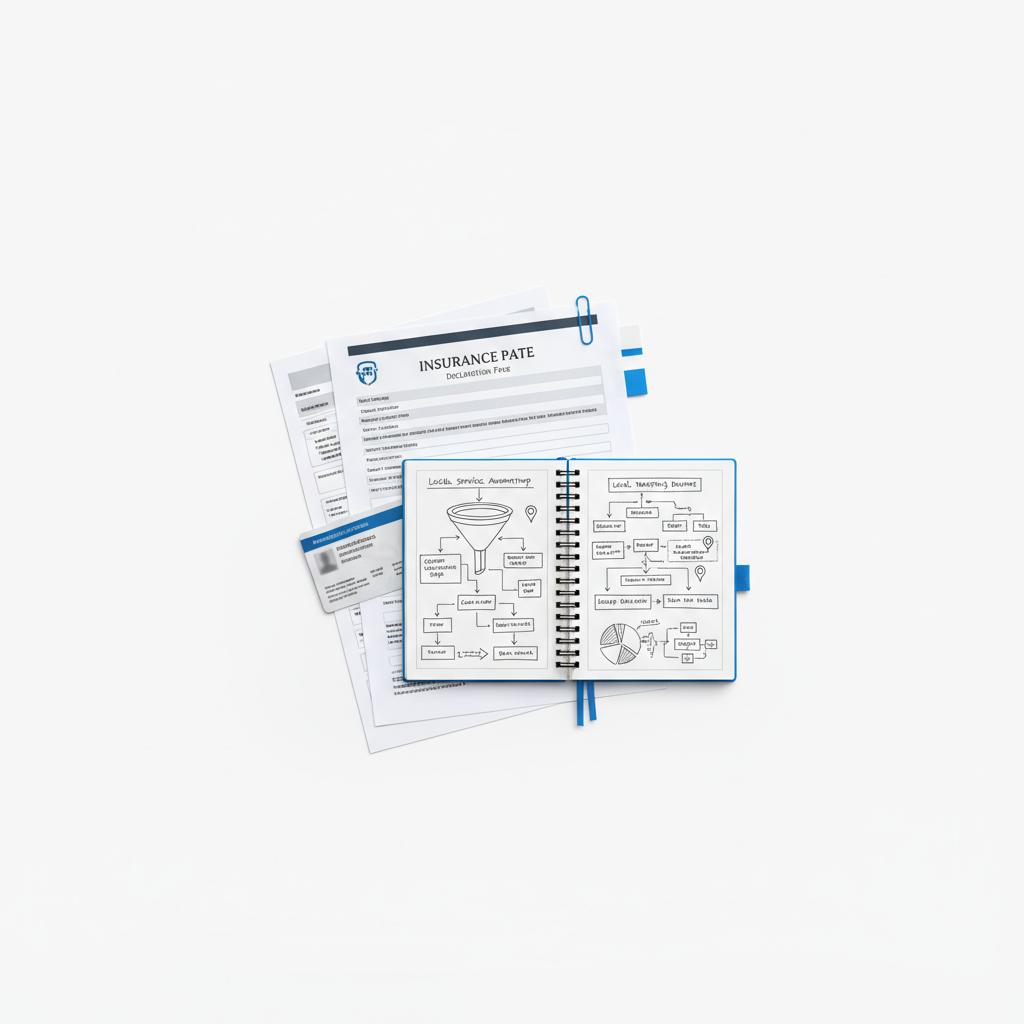
Verification is the gate. Google asks for professional licenses, insurance proof, and background checks for owners and often employees. Small mismatches can block approval: a license under “ABC Plumbing LLC” while insurance lists “ABC Plumbing” without LLC, or a phone number routing through voicemail with a different greeting. A clear logo can help customers recognize your business on listings.
Practical verification checklist
Before you apply, gather:
– Current professional licenses that show the correct business name and jurisdiction.
– Proof of general liability insurance listing your business name and effective dates.
– Identification for owners (for background checks).
– A consistent business phone and email that match your public listings.
Double-check spellings, legal naming conventions and expiry dates. That small attention to detail speeds approval.
One small but real problem was an insurance certificate using an owner’s full middle name while the state business registration used an initial. That mismatch paused verification until the insurer reissued the document. The lesson: match names, dates and legal formats exactly.
One real story: a local cleaner was blocked because their insurance certificate used the owner’s full middle name while state business registration used an initial. It took two days of calls to the insurer to reissue a corrected document. It’s a small detail with big consequences — so take care with names and dates.
Common reasons applications are rejected
The usual culprits are expired licenses, insurance mismatches, failed background checks, unsupported service categories, or inconsistent contact info. Fixing those usually clears the way. If you hit a wall, contact support or get help from a local agency that knows the process well.
How to handle background-check concerns
Background checks can make staff nervous. You don’t have to list every crew member on the profile; many businesses include only owners and a couple of vetted employees. Still, be transparent with staff and explain the checks are about customer trust and are standard across many platforms.
Optimizing your LSA profile for more and better leads
Verification gets you in the game. Profile optimization wins the plays. Here’s how to improve your visibility and lead quality with Google Local service Ads:
– Keep reviews current: encourage satisfied customers to leave reviews by sending a short, friendly follow-up message with a direct review link.
– Be responsive: answering calls quickly signals reliability to customers and to Google’s system.
– Clarify services and pricing: clearly list the services you provide and typical service areas so you attract the right inquiries.
– Use a dedicated phone line: this helps track LSA leads separately and keeps reporting clean.
Simple call scripts that convert
How you answer the phone matters. Try this short script for booking calls that come from LSAs:
“Thanks for calling [Business Name]. This is [Name]. How can I help?”
“I’m sorry to hear that — we can help. Can I get your address and a good number to reach you? We have a tech who can evaluate and quote on-site. What time today or tomorrow works best?”
Polite, focused, and moving toward scheduling — that flow tends to increase conversions and gives Google clear signals about lead intent.
Budgeting and measuring ROI
Set a weekly LSA budget based on how many leads you can handle. If your budget is too low, Google limits how often you appear. Too high, and you may be overwhelmed with calls you can’t schedule. Start modest, learn, and expand.
Key metrics to track
Measure:
– Number of leads received
– Cost per lead
– Conversion rate from lead to booked job
– Average job value
– Lifetime value of customers acquired via LSAs
From these numbers you can calculate true acquisition cost and return on ad spend. If a typical booked job brings in $400 and your cost-per-lead is $20 with a 20% conversion rate (one in five leads becomes a job), your effective acquisition cost per paying customer is $100. Compare that to profit margins and lifetime value to decide if you scale up.
How LSAs fit into a broader local marketing mix
LSAs are fast and intent-driven, but they’re one part of a stable local strategy. Combine them with:
– Local SEO: to build organic presence for non-LSA queries.
– Traditional search ads: to capture search queries or service categories not covered by LSAs.
– Directories and community sites: that older demographics may still trust.
– Strong website landing pages: to convert traffic that comes from other channels.
Use LSAs to capture immediate calls, and use organic work to reduce long-term acquisition costs and to own search results beyond the LSA box.
When to favor LSAs over search ads
Prefer LSAs if you want direct phone contacts and you provide on-site services with consistent pricing and high conversion rates. If you need tight control over ad copy, landing pages, and keyword targeting, search ads remain important. Many businesses run both: LSAs for high-intent local calls and search ads for additional coverage.
Real-world examples: successes and lessons
A mid-sized plumbing company ran LSAs with a small weekly budget. After five weeks of steady responsiveness and collecting reviews, their weekly lead volume increased by ~40% and cost-per-lead settled in the low twenties. They scaled the budget, hired one more tech for mornings, and saw revenue growth that justified the spend.
A cleaning service in Canada briefly lost visibility because a staff member’s background check was pending. The company learned to limit visible employees to those who were already cleared and to manage the verification queue proactively. That small operational change restored leads quickly.
Common mistakes and how to avoid them
Typical errors include:
– Letting documents expire: keep a calendar reminder for licenses and insurance renewals.
– Not tracking lead quality: measure leads-to-jobs, not just raw lead counts.
– Overloading without capacity: if calls rise suddenly, ensure you have staff ready to answer or a call handling plan in place.
These mistakes are operational, not strategic. Fix operations and the platform works much better.
Sample tracking sheet you can use
Create a simple spreadsheet with columns for: Date, Caller Name, Phone, Service Requested, Neighborhood, Source (LSA), Was it a Qualified Lead? (Y/N), Convert to Job? (Y/N), Job Value, Notes. Review weekly to spot patterns.
Alternatives and complements if you don’t qualify
If your business isn’t eligible for LSAs, or if you prefer more control, try:
– Local SEO and Google Business Profile optimization
– Traditional Google Search Ads with tailored landing pages
– Local directory listings and community outreach
– Targeted social ads for neighborhoods
Agency VISIBLE‘s approach often combines these elements so clients aren’t dependent on a single channel – a tactic that wins in the long run.
Privacy, data and background checks
Background checks are governed by local law and vary by country. Google’s checks are meant to reassure customers and are not punitive; they require consent and identity documents for listed individuals. If staff are wary, explain the business benefit: verified listings attract more calls and higher booking rates.
Step-by-step: applying for LSAs (practical timeline)
Week 1: gather documents and prepare a dedicated phone line.
Week 2–4: submit application and background check consents.
Week 3–6: verification completes (timing varies).
Week 4–ongoing: collect reviews, tune budget, track leads.
Plan for at least a month-to-two-months ramp from application to steady leads in many markets.
How Agency VISIBLE can give you an edge
Filling out forms and chasing documents is tedious for a busy owner. A partner who knows the verification pitfalls can speed that work. If you want tactical help without big agency overhead, Agency VISIBLE is structured to help small and mid-sized service companies get visible quickly and measure results. Their practical, results-first approach typically reduces setup time and improves lead quality compared to DIY attempts.
Frequently asked questions
Are plumbers eligible for Google Local service Ads?
Yes — plumbers are one of the most commonly supported categories for LSAs in markets where the program exists. You’ll still need the required licenses, clear insurance, and completed background checks.
How long does verification take?
Verification timing varies by region and document completeness. Some profiles clear in a couple of weeks; others take longer if follow-up documentation or employee checks are needed. Expect a multi-week window and prepare accordingly.
How much will leads cost?
Cost-per-lead varies. Industry figures from 2024 show a common range of $6–$30 per qualified lead depending on service type and city. Track your own conversions to calculate true acquisition cost.
Practical checklist before you apply
Before you press submit, make sure you have:
– Current licenses and insurance documents
– IDs for owners to complete background checks
– A single, consistent business phone line
– A plan to respond to calls within minutes, not days
Measuring success: useful KPIs
Track leads, cost-per-lead, lead-to-job conversion, average job value, and lifetime value. Look for neighborhood-level patterns and differences by service type. Use those insights to shift budget toward the highest-performing areas.
Final recommendations
If your business does on-site work and you can answer calls quickly, LSAs are worth testing. Prepare documents in advance, standardize naming, and treat LSA leads like gold: record them, follow up, and ask for reviews. If you want a practical partner who understands the setup and early measurement, Agency VISIBLE can help you reduce setup time and improve outcomes.
Need help getting verified and starting LSAs quickly?
Want help getting started with LSAs? If the paperwork or the verification process feels like too much to manage on your own, reach out for a short consult and practical setup help.
Local Services Ads make it easier for nearby customers to find the help they need — but only when the business behind the listing is prepared to answer, deliver, and be responsive. Use LSAs for immediate demand, and keep building organic presence for steady, long-term growth.
Yes. In most markets where Local Services Ads are offered, plumbers are an eligible category. Eligibility depends on local regulations and Google’s supported-service list, so prepare current licenses, proof of insurance, and background check consents before applying.
Verification timing varies by country and by how complete your documentation is. Some businesses clear in a couple of weeks; others take longer if additional documents or employee background checks are required. Plan for at least a multi-week window.
Cost-per-lead varies widely by category, city and season. Industry averages in 2024 show roughly $6–$30 per qualified lead. Your actual cost depends on local demand, lead quality and your conversion rate; track your own metrics to calculate true acquisition cost.





