Why a modern website matters more than a flyer
If you’re asking how to create a handyman website, you’re already one step ahead of the many tradespeople who still rely on flyers and hope. Today most customers first meet you on a phone. A slow or confusing site costs trust in seconds. A well-built site earns calls and booked jobs.
Start with mobile-first thinking: the small screen is the front door
Designing for mobile means thinking about the smallest screen at every step: large tap targets, a simple menu, quick calls-to-action and images that load fast. If you want to know how to create a handyman website that converts, begin here.

Page speed is not a luxury – it’s a conversion driver. Compress and scale images, pick modern lightweight formats, and avoid heavy homepage scripts. A content delivery network (CDN) helps people across your service area load the site fast. Test your site on a phone and ask: does it feel usable within a few seconds? A clear logo helps build trust.
Quick mobile checklist
– Large phone number at the top (tap-to-call)
– Clear “Book a Visit” button visible without scrolling
– Fast-loading images and no blocking scripts
– Minimal form fields for first contact
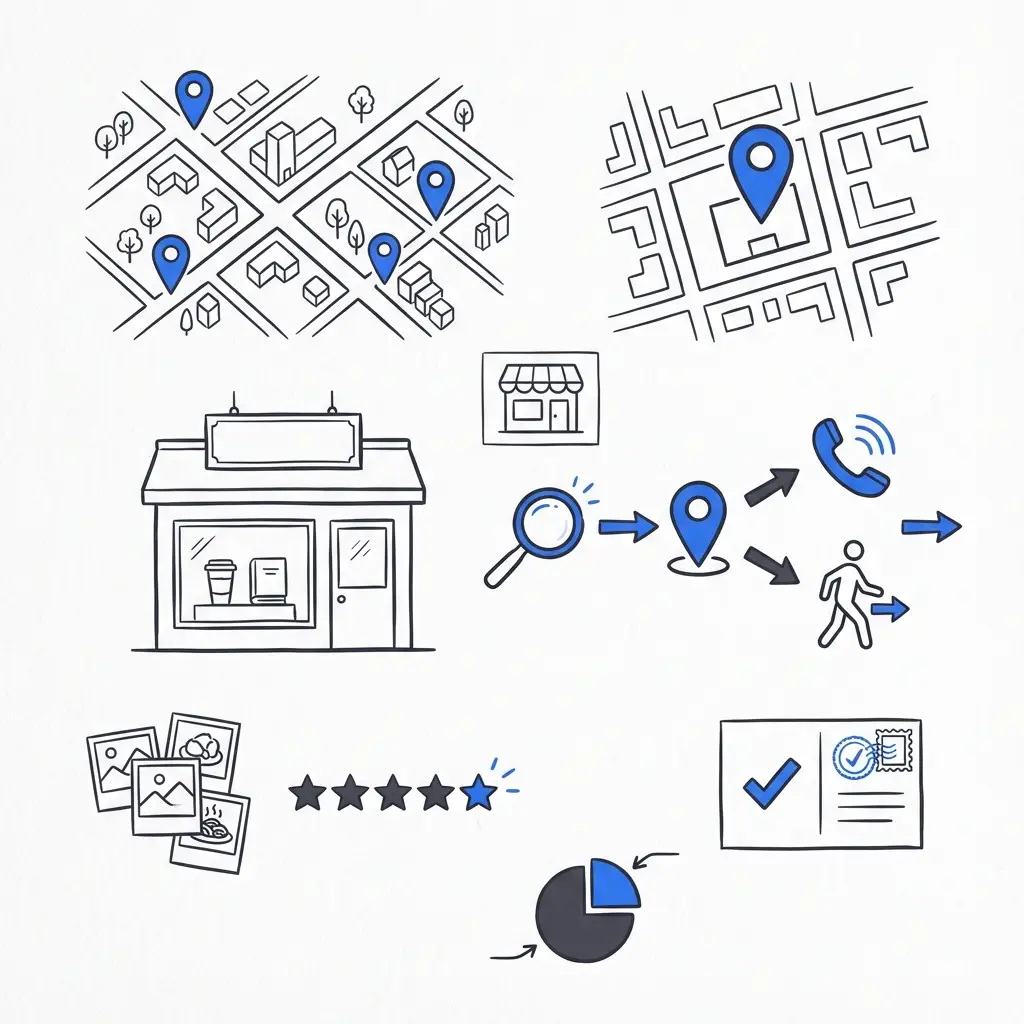
Local visibility: get found in your town
Most of your customers will live nearby. Local search signals are essential. For practical local SEO tips, check this guide.
Claim and fill your business listing, keep your NAP (name, address, phone) consistent, and regularly collect and respond to reviews. If you want to learn how to create a handyman website that actually gets calls, local work beats brilliant design without reach.
Service-area pages are underrated. Create short, useful neighborhood pages: say what you fix there, note common house types, and include a local example job. Avoid identical content across pages – add a real local detail to each one.
Structured data (schema markup) helps search engines show star ratings, contact info, and sometimes pricing right in search results. Many site platforms or plugins let you add this without coding. For a practical overview of handyman SEO techniques, see this guide.
What pages your handyman website needs
A top-performing site is simple and focused. The core pages that do most work are:
– Homepage: Answer “What do you do?”, “Who do you serve?”, and “How can I reach you right now?”
– Services: Detailed pages for each service with common problems and expected timelines
– About: Tell your story, show a friendly photo, list qualifications
– Portfolio / Projects: Before-and-after case studies, materials used, results
– Pricing or Packages: Clear starting ranges or three packaged offers
– Contact / Booking: Fast forms, tap-to-call, and scheduling options
Every page should have a single clear action: call, book, or request an estimate. That reduces friction and increases booked jobs.
Homepage formula that works
Three short lines: a one-sentence service summary that includes your location or specialty, a supporting sentence about availability or guarantees, and one prominent button (call or book). Keep paragraphs short. Use a clear hero photo showing a real job or your van — authenticity beats staged stock photos.
Service pages that convert
For each service page, describe what you do, who it’s for, how long it usually takes, and what the customer should expect during a visit. Use short bullet lists and a few photos. If you’re wondering how to create a handyman website that reduces back-and-forth calls, include typical time and material ranges so people self-qualify before calling.
Portfolio and proof — show, don’t just tell
Short case studies work best: the customer’s problem, your solution, materials used, and the outcome. Include before-and-after photos and a short quote if possible. Aim for six to twelve strong examples, but one detailed, high-quality case study can be more persuasive than many weak ones. See example projects for inspiration.
Make the phone number and a "Book a Visit" button visible above the fold on mobile. That one change reduces friction immediately and often yields more calls and bookings within days.
Pricing pages: be clear, not rigid
There’s no single right answer on prices. Showing starting ranges and packaged offers often leads to better job matches. Consider three sample packages: a small-repair basic, a mid-level weekend package, and a full-day service. For each package list what’s included and what’s excluded.
If you test pricing, try two page versions: one with ranges and packages, and one with a strong prompt to “Request a quote.” Track which page produces more booked jobs, not just inquiries.
Booking and payments: remove the friction
The easier it is to book, the likelier someone will commit. On booking forms, ask for a minimum: name, phone, address, and a brief job description. Too many fields create friction; too few create follow-ups. Integrate deposits if you accept them and send automated confirmations and SMS reminders to reduce no-shows.
Embedded scheduling widgets help but can slow pages if they load heavy scripts. If you use one, test how it behaves on a phone. A fast native overlay or a minimal form opened by a “Book a Visit” button often feels more trustworthy and faster.
Technical foundations that keep your site working
Don’t skip the basics: HTTPS, a recent CMS version, and a clean theme. Use a sitemap and a robots file so search engines can find pages quickly. Back up the site and set a simple maintenance plan. Core Web Vitals – loading speed, interactivity and layout stability – matter for both users and search visibility.
Security and updates
Use HTTPS, keep plugins updated, and regularly review backups. For a small business, a simple maintenance plan saves more time than occasional emergency fixes.
Content that builds trust and helps search
Write for customers, not for algorithms. Use clear headings and short paragraphs. Answer common homeowner questions with helpful pages: “When do I need a pro?”, “What happens during a visit?”, and “How do you price jobs?” These pages show expertise and reduce phone calls for basic questions.
Stories are powerful. A quick anecdote about a roof leak fixed during a downpour or a tricky shelf install makes you human and reliable. Good content also helps your local SEO when it includes regionally relevant details without sounding repetitive.
Choosing a platform: three practical paths
There are three common approaches: a site builder, a self-hosted CMS, or hiring help. Builders are quick and cheap; a self-hosted CMS gives more control; hiring a partner costs more but delivers a polished, tracked result.
If you prefer a hands-off approach, consider a focused local web agency. For tradespeople who want help setting up bookings, listings and tracking, an experienced shop like
Agency VISIBLE offers practical support for local businesses — from launch to growth. Think of them as a partner who gets the trade, not just marketing speak.
Domain and brand choices that make sharing easy
Pick a domain that’s easy to say over the phone. Use your brand name where you can. If you want local SEO help, use local qualifiers in page titles and metadata rather than a hyphen-heavy domain. Avoid multiple sites — one well-structured domain with local pages is usually better.
Launch checklist: what to test before you go live
Before launch check:
– Contact info is consistent across site and listings
– SSL is active (HTTPS)
– Mobile experience feels fast and usable
– Analytics and conversion goals are set
– A simple backup plan is in place
Track the first 90 days and iterate
Watch which pages produce calls and- more importantly – booked jobs. If your pricing page drives many inquiries but few bookings, try showing ranges or packages. If a local page attracts visitors but no engagement, add a local example and a short proof point.
Small tests that yield big results
Run simple A/B tests on these items: pricing visibility, number of portfolio items, booking flow type, and hero image choice. Small, measured changes often outperform broad redesigns.
Practical how-to steps: build your site in weeks, not months
Here’s a step-by-step roadmap that answers the question of how to create a handyman website from scratch.
Week 0 — Plan
– Pick one main goal (book visits, receive calls, or gather estimates).
– Decide your top three services and take photos of recent jobs.
– Gather reviews and customer quotes you can use on the site.
Week 1 — Choose platform & domain
– Quick option: use a builder template optimized for mobile.
– More control: set up a self-hosted CMS like WordPress with a lightweight theme.
– If you prefer help: hire a small agency to handle the build.
Week 2 — Build core pages
Create: Homepage, Services pages (one per main service), About, Portfolio, and Contact/Booking. Use short headlines and one primary action per page.
Week 3 — Add booking and listings
Set up a booking button or widget, claim your business listing, and add structured data. Test booking on several phones and networks.
Week 4 — Final polish & launch
Run through the launch checklist. Announce the site to existing customers and ask for reviews. Add UTM tags to any ads so you can measure what works.
Examples of pages and microcopy that work
Headlines should be clear and slightly emotional — use words that reassure and motivate: “Fast local repairs”, “Trusted same-day help”, or “Fix it right, the first time.” Buttons that perform well: “Call now — free estimate”, “Book a visit”, “Get a starting price”.
Common mistakes to avoid
– Overloading the homepage with long paragraphs
– Using unclear CTAs (multiple buttons without hierarchy)
– Hiding the phone number on mobile
– Ignoring local listings and reviews
Measuring success: the numbers that matter
Track calls, form submissions, bookings and booked-job rate. Use simple analytics and tag phone links to see which pages produce real jobs. Your primary goal isn’t traffic – it’s booked jobs.
Frequently asked quick answers
How many portfolio photos should I show? Six to twelve good examples, each with a short caption.
Should I put exact prices on the site? Consider starting ranges and package options first; exact flat fees can create mismatched expectations.
What’s the quickest way to add booking? A lightweight embedded widget or a clear booking button that opens a native mobile-friendly form.
How to make the most of the website after launch
Keep collecting photos, reviews and small stories. Update service pages with common questions you hear on calls. Run simple tests and keep the phone number easy to find. The website should become a living tool that improves workflow, not a static brochure.
Final checklist: a one-page summary
– Mobile-first design
– Claim and optimize local listings
– Use service-area pages with local details
– Clear pricing ranges or packages
– Simple booking and confirmations
– Regularly collect and respond to reviews
Need help building a site that actually books jobs?
Ready to launch a site that brings booked jobs? If you’d like help getting a mobile-first, local-focused site up quickly, start a conversation and get expert support.
What to test first (a short experiment list)
– Does showing package prices increase booked jobs?
– Which portfolio piece gets the most clicks?
– Does a “Book a Visit” button convert more than “Request a Quote”?
Parting note: small projects, big payoff
A website won’t replace quality workmanship, but it can be the quiet team member that answers calls, proves you can do the job, and frees you to work. Start with one small improvement this week: claim your listing, switch to a mobile-first template, or add a simple booking form. Those small wins compound quickly.
Make mobile-first choices: large tap targets, a visible tap-to-call number, fast-loading scaled images, and a simple booking button. Use a lightweight theme or template built for speed, avoid heavy scripts on the homepage, and test the entire flow on several phones. Keep forms short and use click-to-call links so customers can reach you with one tap.
Not always. Showing starting ranges and three sample packages often gives the best balance: it sets expectations and helps self-qualify leads while avoiding underqualified enquiries for complex jobs. You can test two versions — one with ranges and packages and one that prompts a quote request — and measure which one produces more booked jobs.
Yes. If you’d rather not build the site yourself, a small focused agency can handle design, listings, booking integration and tracking. For local service businesses needing fast, practical results, Agency VISIBLE offers hands-on help to launch and optimize a site — supporting everything from mobile-first templates to analytics and booking set-up.