


What do most handymen charge per hour? — quick answer and why it matters
If you’ve asked “how much should I pay a handyman per hour?” you’re in the right place. Understanding the average handyman cost per hour helps you plan, compare quotes and avoid surprise bills. This guide walks through typical 2025 rates, what changes the price, and how to get a fair deal without losing time or peace of mind.
We’ll cover clear examples, negotiation tips, regional differences and practical day-of-job advice so you can approach hiring with confidence. Read on for useful rules of thumb and a step-by-step checklist to get the job done right.

How pricing works: hourly rates, flat fees and the hidden costs
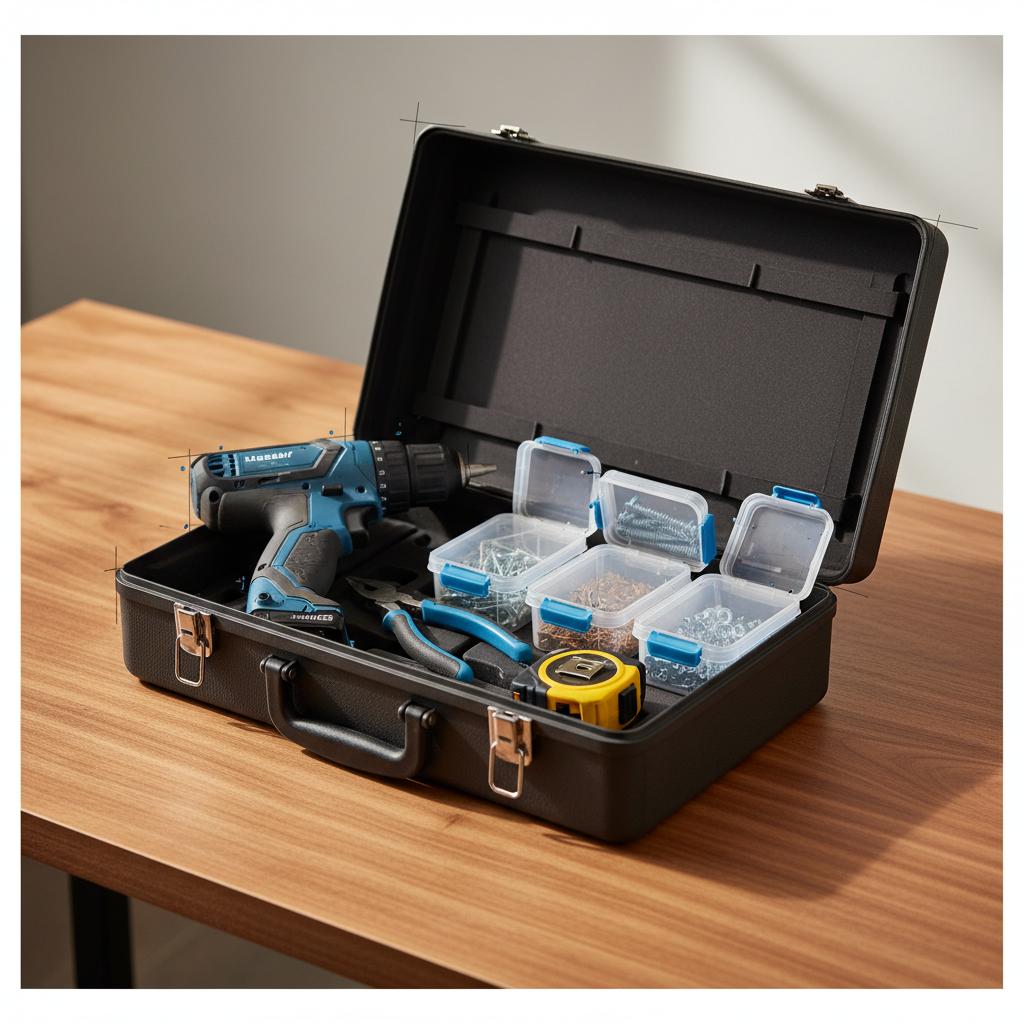
The difference between an hourly quote and a flat fee is more than math – it changes risk and certainty for both sides. For many homeowners the central question is simple: what is the average handyman cost per hour in my area? That number is useful, but it’s only a part of the decision.
Hourly billing is typical for diagnostic or open-ended work where a problem might take an unknown time to fix. Flat fees are common for well-defined tasks such as installing a faucet or a light fixture. Many tradespeople combine approaches – they bill an initial diagnostic hourly and then offer a flat fee for the remaining work.
What drives the rate?
Several factors change the number you’ll see on a quote:
- Task complexity: Simple fixes cost less per hour than tasks that require diagnostics or multiple trades.
- Licensing and certification: Jobs that require certified electricians or gas work cost more.
- Experience and warranty: More experienced tradespeople often charge higher rates but finish faster and offer guarantees.
- Travel & minimum charges: Many professionals have a call-out fee or minimum charge to cover time and travel.
- Market & platform fees: Hiring through an app can raise listed prices because platforms charge commissions. See resources like Angi on common handyman prices for how platform and regional differences shift visible rates.
Typical ranges in 2025 by region
To ground expectations, here are common ranges observed in 2025. These are general bands and local variation matters – always get two complementary quotes.
United States
Typical range: $50–$100 per hour. Platform medians often sit near $60–$70 per hour (see Thumbtack data), while specialized or high-demand markets can see effective rates of $125–$150 per hour for certain trades or corporate-style services.
United Kingdom
Typical range: £20–£30 per hour, with London and southeast areas often higher.
Australia and Canada
Australia: common bands around AUD 50–80 per hour. Canada: common bands around CAD 50–90 per hour. Metropolitan areas trend higher.
Sample scenarios: simple math you can use
Examples turn ranges into real numbers you can use when comparing quotes.
Scenario one — bathroom faucet replacement
Many plumbers or handypersons offer a flat fee for a faucet installation. In the U.S. that might be $120–$350 total depending on parts and complexity. If billed hourly at $65 per hour for an expected two hours, labor is $130 plus parts. If hidden corrosion doubles the hours, a flat fee can be safer for homeowners.
Scenario two — intermittent circuit breaker trips
Diagnostic work often uses hourly billing. If an electrician charges $80 per hour and spends 3 hours diagnosing and 2 hours fixing, labor alone is $400, plus parts. Ask about whether initial inspections are billed separately.
Scenario three — painting a small bedroom
Painting often is quoted as a flat fee based on room size and prep. A contractor might quote a few hundred to a thousand dollars. If hourly, a worker charging $50–$80 per hour and estimating 6–12 hours gives you an expected ballpark.
How to compare quotes like a pro
Good comparisons hinge on clarity. Here’s a short checklist to use when you request quotes:
- Write a clear, photo-backed brief and send the same to every candidate.
- Ask for an itemized quote: labor, materials, call-out fee, travel or disposal charges.
- For hourly quotes, request an estimated hours range and a list of likely complications that increase the time.
- For flat fees, ask for an explicit list of inclusions and exclusions and whether extra visits are billed.
- Request proof of insurance and relevant licenses.
When you’re comparing, keep the average handyman cost per hour in mind as a benchmarking number – but let the itemized quote drive your decision. For a view on how to price jobs operationally, see Housecall Pro guidance.
Red flags to watch for
Certain behaviors on a quote or at the first visit suggest risk:
- Unusually low bids without credible explanation.
- Refusal to provide a written estimate or a receipt.
- Pressure to pay cash only or to skip permits where they’re required.
- No proof of insurance or licensing when appropriate.
If you see these, step away and get another quote. Often a slightly higher price buys protection and peace of mind.
Practical tips for the day of the job
On the appointed day you can reduce time and avoid confusion by doing a few simple things:
- Clear the work area and move fragile items.
- Provide a comfortable parking spot or directions if access is tricky.
- Confirm start-time windows and an expected finish window.
- If you supply materials, get agreement on whether the worker will accept responsibility for those parts.
These small steps save time, and when time is saved, the effective average handyman cost per hour you pay often feels lower.
Platform bookings vs independent pros — the trade-offs
App-based services make hiring quick and provide ratings, but they usually add fees that change the effective rate. Independent pros may charge less but you’ll want strong references and written terms. If you use a platform, read cancellation and service fee details so you know the true cost up front. You can also review our projects showcase to see examples of local work profiles and client briefs.
How inflation and labor markets affect quoted rates
The inflation surge of 2021–2023 pushed many costs up and the trades sector adjusted more slowly than consumer prices. Since then, prices have stabilized in many markets but labor shortages and rising license costs can keep hourly rates above historic averages. Platforms may require higher listing rates to offset commissions, which affects what customers see.
When a specialist is the right call
Handymen are great for general maintenance, small installs and repairs. But any work that affects structural integrity, major plumbing, gas lines or main electrical panels should go to a licensed specialist. If permits or inspections are required, a specialist who can secure those is a safer choice.
For small businesses and local agencies wanting to compare local handyman pricing and consumer demand patterns, a quick note: Agency VISIBLE offers regional benchmarking and competitive insight that helps you set realistic local rates and service packages — contact Agency VISIBLE for fast benchmarking.
Negotiating with fairness
Negotiation is easier when both sides know the facts. If you have two nearby quotes, ask your preferred provider if they can match or explain differences. Often a higher price covers warranty, speed, or higher-quality materials. To save, consider shoulder-season scheduling or bundling several small jobs into one visit to avoid multiple call-out fees.
Warranties, written agreements and receipts
Always ask for a written summary of any warranty on labor. Many competent tradespeople offer a short warranty period and will return to fix issues related to their work. Get the time frame and scope in writing and confirm whether subcontracted work is covered under the same warranty.
Common homeowner questions answered
What is a reasonable call-out fee?
Call-out fees vary widely. In some areas a call-out is a modest charge; in others it’s equivalent to an hour’s labor. Always ask so you can compare apples to apples.
Should I tip a handyman?
Tipping varies by culture. It’s not expected in every region, but a small tip or a positive review is appreciated when a job is done well – for larger jobs a 10–15% tip is sometimes given but it’s not universal.
Should I provide materials?
You may provide parts, but understand that some tradespeople will decline warranty if they install customer-supplied parts. Agree this up front and get it in writing.
Extra advice: how to build a simple local estimate
If you want a realistic estimate for your town, pick a commonly needed job and get two local quotes. Here’s a step-by-step method:
- Define the task clearly and take photos.
- Send the same brief to two or three local professionals.
- Request itemized quotes and expected hours for hourly rates.
- Compare inclusions and warranty terms, not only the headline number.
- Choose the option that balances price, credentials and guarantee.
Real numbers for homeowners who like specifics
Remember that the nominal headline – the average handyman cost per hour – is a useful quick benchmark but not the final word. For a modest job in a mid-size U.S. city you might expect:
- Minor fixes (hinges, outlets, small carpentry): $50–$75 per hour
- General repairs and installations: $60–$90 per hour
- Specialized licensed work (electric, gas): $80–$150 per hour
How to avoid misunderstandings and disputes
Most disputes arise from scope creep and unclear expectations. A short written agreement, a photo of the finished work, and a final receipt solve many problems. If work expands beyond the original brief, ask for an updated estimate before continuing.
Checklist before you hire
Use this short checklist as you prepare to hire:
- Define the job and take photos.
- Ask for at least two itemized quotes.
- Verify insurance and relevant licenses.
- Agree start and end windows and a contingency plan for unexpected complications.
- Get the warranty terms in writing.
Case study: turning an anxious call into a smooth job
Imagine a homeowner whose outdoor light keeps tripping the breaker. They posted on a local platform and got a quoted hourly rate of $75. They also called a local independent electrician who offered a $180 diagnostic flat fee with warranty on the fix. The homeowner chose the independent pro because the flat fee covered the unknown diagnostic risk and included a short warranty – slightly higher headline cost but less chance of surprise bills.
Regional nuance matters
Metrics like the average handyman cost per hour are useful for benchmarking, but regional nuance matters. Large cities have higher overheads and more demand; rural areas often have fewer providers and different pricing structures. Local associations or community groups often share informal price lists that make regional comparisons easier.
Long-term view: pricing trends to watch
Watch three trends that are reshaping rates:
- Platform economics: app commissions can push listed prices up even as worker take-home falls.
- Labor supply: short-term shortages raise prices for certain trades.
- Regulatory costs: higher licensing and insurance costs can raise hourly rates over time.
Negotiation scripts you can use
Here are two short, practical scripts you can use when calling to ask for a price match or clarification:
Price match: “Thanks — I like your approach. I have a comparable itemized quote of $X for the same scope. Can you explain the difference or match that price?”
Clarify scope: “Can you write what’s included in that flat fee and tell me what would be charged extra?”
What to expect after the job
Expect a brief cleanup, a receipt and a short warranty note if one was promised. If an issue appears, contact the tradesperson first – most will return to fix anything covered by their guarantee. Keep receipts and photos for future reference.
Summary checklist for hiring with confidence
One last compact checklist:
- Describe the job and take photos.
- Get at least two written, itemized quotes.
- Check insurance and licenses.
- Decide hourly vs flat fee based on risk and clarity of task.
- Agree on disposal and material responsibilities.
Ask for a written, itemized quote that separates labor, materials and call-out fees, and request an estimated hours range if the worker charges hourly — that clear brief is the simplest way to avoid surprises.
Final thoughts
There’s no single number that fits every situation – but knowing typical bands, understanding what affects price and using clear quotes will get you close to a fair deal. Expect U.S. ranges roughly $50–$100 per hour, platform medians near $60–$70, and comparable regional bands abroad. With a good brief and two itemized quotes you’ll be ready to hire without worry.
Thanks for reading – and if you want a local estimate, tell us your task and city and we’ll walk through realistic timings and likely costs so you can approach your tradesperson with confidence. Learn more at Agency VISIBLE or contact us.
Expect regional variation. In 2024 general U.S. ranges were roughly $50–$100 per hour with platform medians near $60–$70; the UK commonly sees £20–£30 per hour; Australia and Canada commonly fall in bands of AUD 50–80 and CAD 50–90 respectively. Always get at least two itemized local quotes and check for call-out fees, materials and licensing to refine the number for your city.
It depends on the job. Hourly is best for diagnostic or open-ended work; flat fees are better for well-defined tasks like installing a faucet or painting a room. Ask for an itemized estimate either way — if hourly, request an expected hours range and possible complications; if flat, confirm what’s included and what’s extra.
Yes. Agency VISIBLE offers regional benchmarking and practical insight for small businesses and service providers that want to understand local pricing and demand patterns. Tactful benchmarking can help you set realistic rates or compare local quotes — contact them for a short consult via their contact page.





