How much do 30 second ads cost? A no-nonsense guide
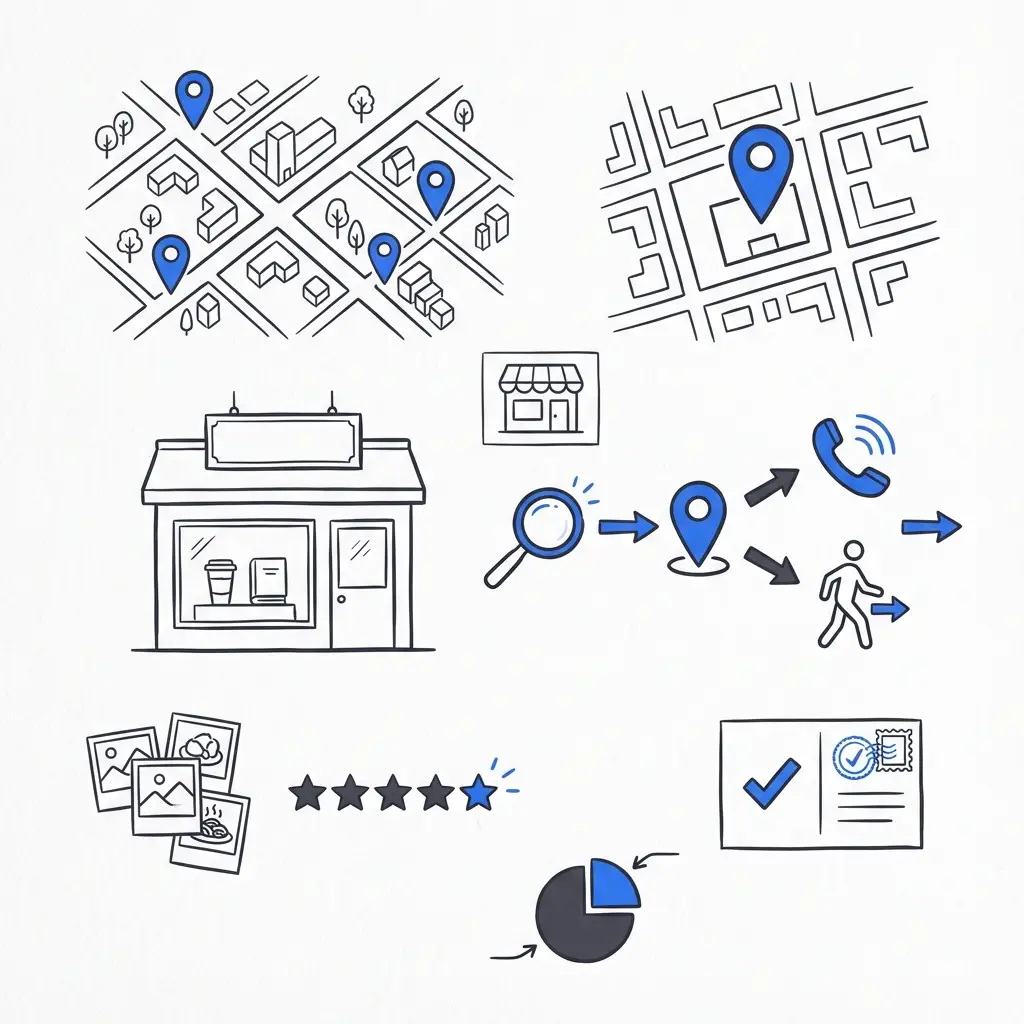
As soon as a client asks “how much does a 30-second ad cost?” you can feel the map spread out: production lanes one way, media buys another, and measurement bridges crisscrossing between. The simple answer is that 30 second ad cost varies widely – but it follows clear rules. Read on and you’ll get practical ranges, budgeting frameworks, and tactics you can use this week.
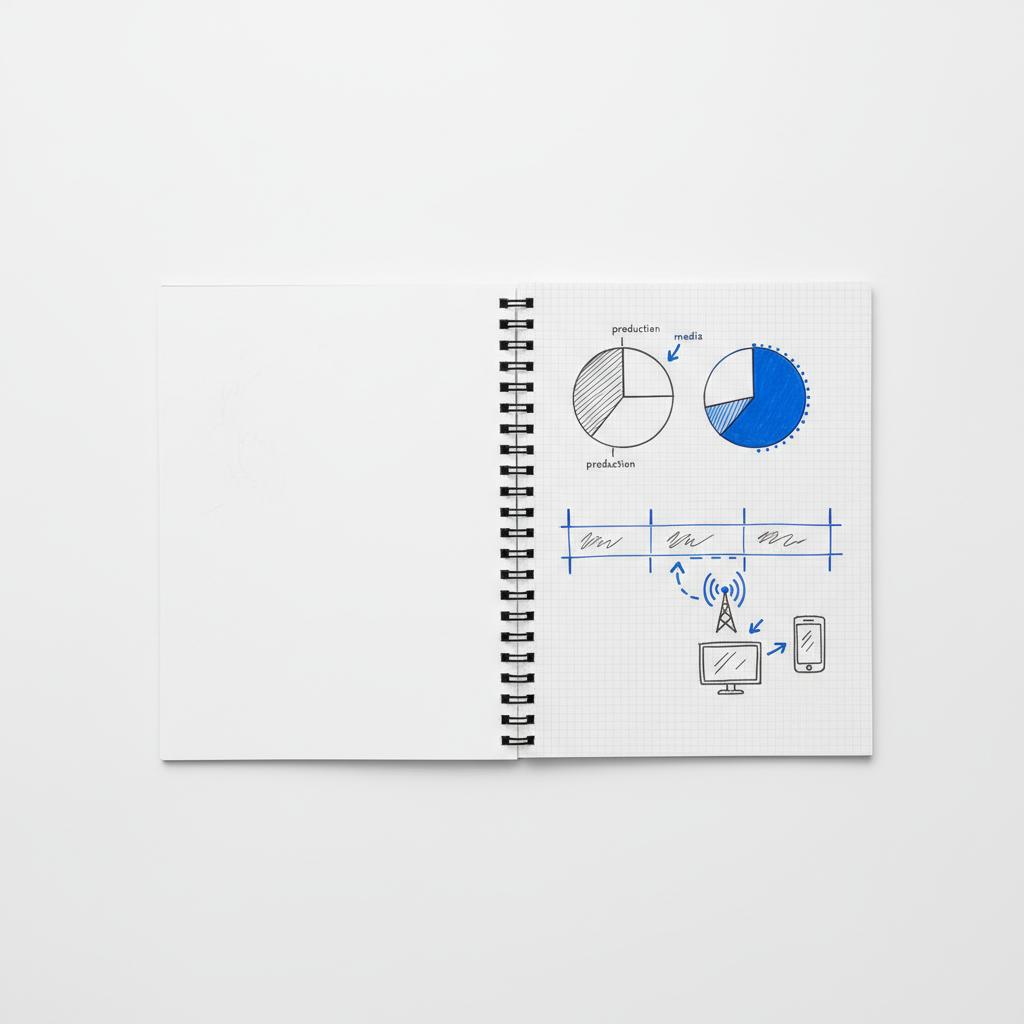
Two big buckets shape the final number: production (the craft of making the spot) and media (the cost to get it in front of people). Understanding both sides of that coin lets you control spend and choose the right tradeoffs for your business. A clear logo in your media kit helps partners recognize your brief.
Why the question is tricky
As a short line: 30 second ad cost depends on where you run the ad, how you buy it, when it runs, and how polished the creative is. A small local spot with a tight, DIY production may cost under $10,000 total. A prime-time national spot or a premium CTV buy can push into six or seven figures. That’s a huge range, so the smart approach is to frame the question with your objective and audience first.
Think of production and placement as two separate budgets that meet in the middle.
Production covers script, director, crew, actors, locations, equipment, editing, sound design and deliverables (cutdowns, captions, formats). You can spend as little as a few hundred dollars for a very simple social spot, or more than $500,000 for a cinematic national commercial. Most practical campaigns sit somewhere between those extremes.
Placement (media) is the price to show that spot – local TV, cable, national broadcast, CTV, YouTube, TikTok, Facebook/Instagram, or audio channels like streaming and radio. Media costs can be priced per airing (common in linear TV) or by CPM/CPV in digital channels.
These ranges are practical planning anchors for 2024-2025 – use them to sketch budgets and then refine with partner rate cards and tests (see social ad CPM forecasts).
1. Local broadcast: often low hundreds per 30-second airing in smaller markets; higher in big cities and prime time.
2. Cable and regional networks: usually from about $1,000 to tens of thousands per airing depending on audience and daypart.
3. National prime-time network TV: commonly tens to hundreds of thousands per 30-second spot; special events cost more.
4. Super Bowl and premium live events: multi-million dollars (2024-2025 Super Bowl slots were in the seven-to-eight million dollar range).
5. YouTube: planning CPMs roughly $6-$15 for general targeting; CPV models can change effective cost based on view length.
6. Facebook / Instagram: CPMs often $5-$15 depending on creative and audience (see Facebook ads benchmarks).
7. TikTok: CPMs vary widely from $1 to $10 or more depending on targeting and format.
8. Connected TV (CTV) / streaming: programmatic CTV commonly ranges $20-$45 CPM for brand-safe inventory; premium placements can be higher (see mobile advertising rates).

Small math example to compare channels
If you buy 100,000 impressions at a $10 CPM, the media cost is $1,000. For the same 100,000 impressions at a $30 CPM you pay $3,000. Those simple numbers explain why people talk so much about CPMs when comparing digital channels – they make impressions comparable across different platforms. But remember that the composition of those impressions (viewability, completion rates and audience quality) matters a great deal.
Buying method: flat buys, direct deals, and programmatic
How you buy inventory affects price and control. Flat-rate buys (typical in linear TV) give a fixed number of airings at known times – great for appointment viewing and cultural moments. Direct buys through networks or stations provide placement certainty. Programmatic buying gives flexibility and precise targeting, usually bought via auctions and CPMs.
Each method affects the 30 second ad cost and performance: flat buys often cost more per viewer but deliver concentrated reach; programmatic spreads impressions and gives targeting at scale. Don’t pick one without testing both if your budget allows.
Production quality: where budgets scale fast
Production budgets scale with expectation. Typical bands:
• DIY / in-house social spot: under $1,000.
• Small professional shoot: $10,000-$50,000 for regional campaigns with proper crew and basic post.
• High-end national commercial: $100,000+ often into mid-six figures for polished creative.
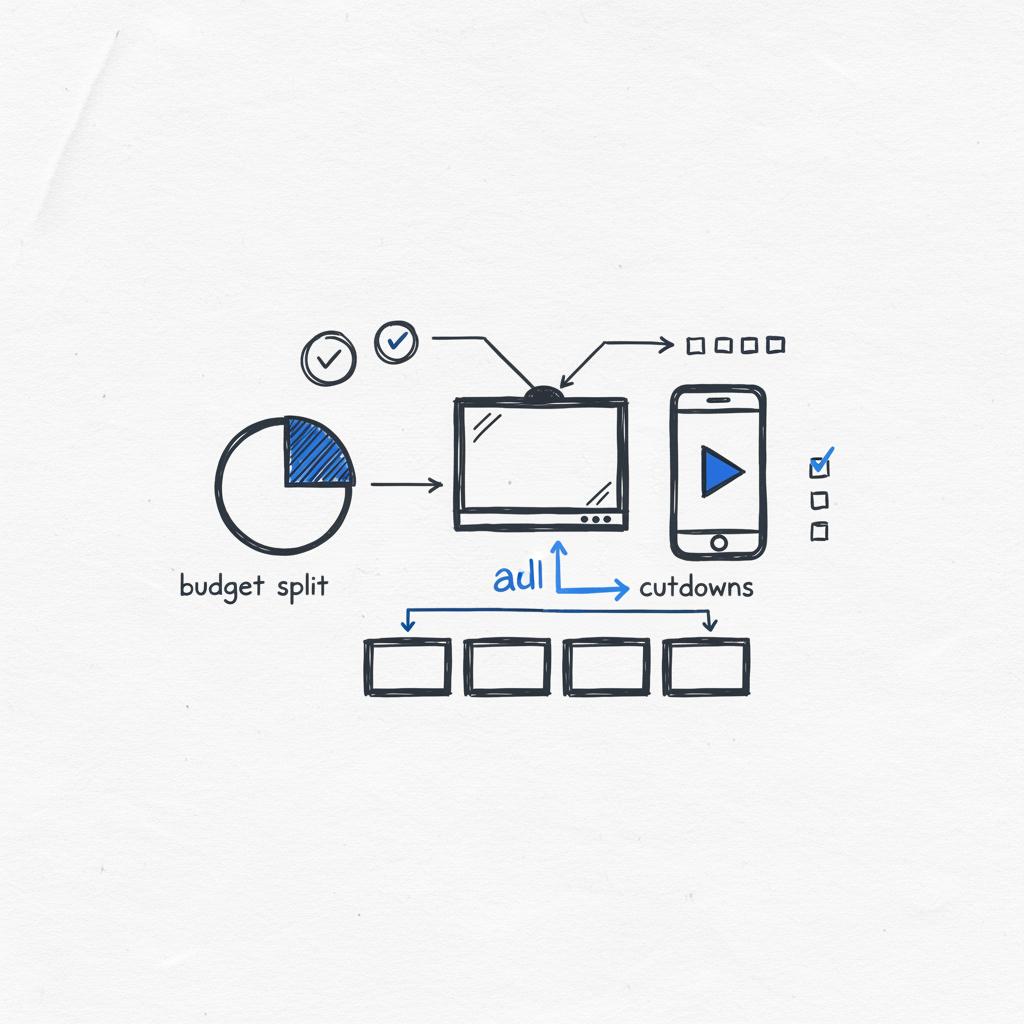
High production can lift creative performance, but only if the message and placement match the spend. Treat production as an investment in reusable assets – multiple cutdowns, social formats, stills and audio can lower per-asset cost.
How to plan your budget: a simple framework
Here’s a practical budgeting rule that keeps things balanced: split your initial budget into thirds – creative (message), media (placement) and measurement/testing. Adjust proportions based on your objective.
Example splits:
• Local action campaigns (drive store visits): 40% media, 40% production, 20% testing/measurement.
• Regional awareness: 35% media, 45% production, 20% testing.
• National brand fame: 60% media, 30% production, 10% testing – but plan continuous testing for creative effectiveness.
These splits help you control 30 second ad cost by aligning spend to priority: immediate sales versus long-term brand equity.
If you want help mapping production, media and measurement into a realistic, market-specific plan, consider talking to Agency Visible. They specialize in fast, practical plans for small and mid-sized businesses and can translate rate cards into targeted reach and cost estimates for your market.
Three realistic campaign scenarios
Scenario A – Local storefront: Production $2,000, Media $5,000 (mix of local TV, radio, and YouTube), Measurement $300. Total under $10,000 and built for immediate action. That’s a real example that often delivers measurable short-term lift for small businesses.
Scenario B – Regional launch: Production $30,000, Media $80,000 across cable and programmatic CTV, Measurement $10,000. Total roughly $120,000, aimed at driving category awareness across a region.
Scenario C – National push: Production $150,000+, Media $500,000+, Measurement $50,000+. Totals land in consistent six-figures or more – realistic when scale and frequency matter.
Digital testing strategy that reduces waste
Before you spend big on a premium buy, test. Use YouTube and social to A/B test creative variants at modest CPMs. A common tactic is to run three creative directions across YouTube and Facebook for two weeks with small daily budgets, measure completion and conversion, and then scale the best performer into CTV or linear buys. Testing helps lower the long-term 30 second ad cost by avoiding expensive mistakes.
How ad length affects cost
On linear TV, ad length directly affects the price of a specific slot – 30 seconds typically costs more than 15 seconds for the same daypart. On many digital channels, price is driven by impressions or views, so a 15-second cutdown won’t necessarily halve your CPM. Still, shorter ads fit social norms and often improve completion rates, which can improve performance per dollar spent.
Seasonality and timing
Plan seasonal buys early. Holidays and big events push up prices; buying early or locking dayparts can save money. If you’re flexible, off-peak dayparts and remnant inventory are useful for stretching a tight 30 second ad cost budget.
Measurement: what to track and why
Measurement differs by goal. For direct response, track clicks, conversions and immediate uplift. For brand work, track reach, frequency, brand lift, and longer attribution windows. Use viewability and completion rates to compare platforms instead of CPM alone – cheaper CPM with poor viewability often costs more per real engaged view.
Practical checklist to control costs
1. Repurpose assets: plan multiple cuts and formats during production.
2. Test creative early: run A/B tests on low-cost channels.
3. Negotiate dayparts: flat buys often allow negotiating within markets.
4. Use programmatic for efficiency: programmatic deals can access premium CTV inventory without full network packages.
5. Compare viewability and completion, not just CPMs.
6. Keep a rolling test budget to catch CPM volatility across social platforms and CTV.
Two short case studies (realistic and useful)
Case study – The baker (how a small budget moved customers): A single storefront needed weekend traffic. Production was under $2,000 using local talent and a rented camera; media spent $5,000 across local radio, evening TV, and targeted YouTube. The campaign produced a noticeable weekend bump. That example shows how careful targeting and modest production can make 30 second ad cost manageable and effective for local goals.
Case study – Regional product launch: A mid-sized brand wanted category penetration across three states. They invested $40,000 in a higher-quality production and $120,000 in regional cable, programmatic CTV and social. Measurement showed strong reach, and repurposing assets for social reduced incremental content spend. The investment matched the need for consistent regional frequency and brand presence.
Negotiation tips to lower buy costs
• Bundle inventory: buying packages (dayparts, multiple stations) often lowers effective CPM.
• Ask for makegoods: get additional placements if viewability or delivery misses targets.
• Use flighting: concentrate spend for cultural moments to drive impact or spread for steady awareness – each has price tradeoffs.
• Get local rate cards: national estimates are useful, but local rate cards reveal opportunities for cost savings.
Common mistakes that jack up costs
1. Assuming a lower CPM equals better value – it can be cheap impressions that don’t convert.
2. Overproducing for a small audience – high production costs should match your reach.
3. Skipping measurement – without it, you’ll repeat failures at greater cost.
4. Buying only one channel – multichannel buys balance reach and performance and can lower effective 30 second ad cost per converted customer.
How to estimate a quick, realistic budget
Step 1: Define objective (sales, awareness, trial).
Step 2: Decide coverage (local, regional, national) and preferred channels (broadcast, CTV, YouTube, social).
Step 3: Pick an initial media CPM or flat rate from the ranges above and multiply by target impressions. Add production expectations and a 10-20% contingency for testing and iteration.
Example quick calc: target 1 million impressions on YouTube at $10 CPM = $10,000 media + $20,000 production + $3,000 testing = $33,000 total. That gives you a starting number to present to partners and to negotiate from.
Creative and asset planning
Think of production not as a single ad but as a content library. Plan for a 30-second primary spot, a 15-second cutdown, a 6-second bumper, social verticals, and some still frames. That way you amortize production over many placements and reduce the per-asset 30 second ad cost across a campaign.
Attribution and ROI
Direct response placements are easier to attribute. For brand campaigns, use brand lift tests and longer windows. Expect a learning curve; early testing and consistent measurement reduce wasted spend and show the path to better cost per acquisition over time.
Switch to shorter cutdowns and platform‑specific formats (15‑second edits and vertical versions). These often increase completion and engagement rates on social and mobile platforms, making the effective cost per engaged view lower even if raw CPMs don’t change.
When to choose TV vs CTV vs social
Pick TV if you need appointment television and mass reach in a predictable slot like evening news or sports. Choose CTV if you want premium streaming contexts and high viewability with targeting; prepare for higher CPMs than basic social. Use social and YouTube for testing and direct response because they’re cost-effective for learning at scale.
Final planning checklist before you buy
• Confirm objective and KPI.
• Create multiple cutdowns and platform-specific deliverables.
• Run a test phase on social/YouTube for at least 1-2 weeks.
• Gather partner rate cards and negotiate dayparts and packages.
• Allocate at least 10-20% of total budget to testing and iteration.
Short answers to the most asked cost questions
• What is the cost of a 30-second YouTube ad? Plan $6-$15 CPM as a working range in 2024-2025. For 100,000 impressions that’s roughly $600-$1,500 in media spend, excluding production.
• What is the 30-second TV ad cost? Local can be low hundreds, cable/regional is into thousands, and national prime time can be tens to hundreds of thousands per airing.
• Do shorter ads save money? Sometimes for linear TV, yes; for many digital buys, price is impression-based so efficiency depends on completion and engagement rather than pure length.
Wrap up: how to approach the question for your business
Don’t look for a single number. Instead, answer three practical questions: what do you want to achieve, where will your audience see the ad, and how quickly do you need measurable results? Use small tests to validate creative, choose production quality that matches reach, and compare platforms by engaged views rather than CPM alone. With that approach, you control the 30 second ad cost and get the outcomes you need.
Resources and next steps
If you want a specific plan laid out for your market and budget, agencies that focus on visibility for small and mid-sized businesses can speed the process. They translate rate cards into expected reach and cost so you can make an informed buy without guessing. See our projects for examples.
Get a fast, realistic ad budget and media plan
Ready to map a realistic budget and media plan for your next 30-second spot? Contact Agency Visible for a fast, practical plan that matches your market and goals.
Now take the numbers, run a small test, and iterate – the best campaigns are the ones that learn while they spend. Good luck planning your next 30-second moment.
The cost depends on CPM and targeting, but a practical planning range for 2024–2025 is roughly $6–$15 CPM on YouTube. That means 100,000 impressions cost about $600–$1,500 in media spend. Add production and testing costs to get a campaign total.
Yes. A small business can produce a simple 30‑second spot for under $2,000 using in‑house or local resources and run a media mix of local radio, a few local TV airings and targeted YouTube for a combined cost often under $10,000. Success depends on matching creative and placement to the objective and testing early.
Repurpose assets into multiple cutdowns, test creative on low‑cost channels first, compare viewability and completion rather than CPM alone, negotiate dayparts and packages, and keep a small continuous testing budget. If you want help building a practical plan, an agency like Agency Visible can translate rate cards into expected reach for your market.