Defining the practical SMB lead
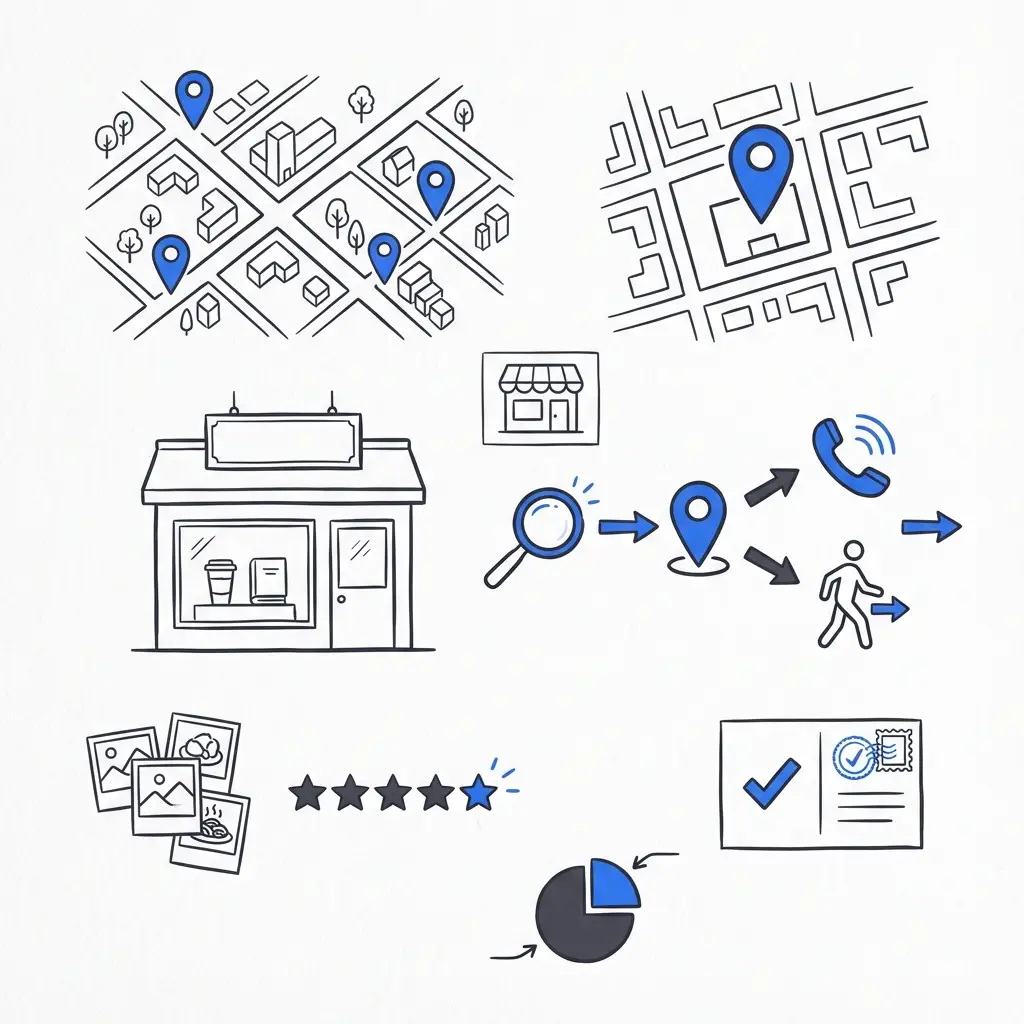
An SMB lead is more than a name and an email — it’s a business that matches the firmographic profile of a small or mid‑sized company and shows recent buying signals that make conversion likely. Put another way: an SMB lead is a potential customer whose company size, revenue band, industry and location line up with your target, and who has performed intent actions such as visiting pricing, requesting a demo, or returning to your site repeatedly.
Why the distinction matters
Calling someone an SMB lead changes the playbook. Small and mid‑sized buyers move fast, care about price and outcomes, and usually make decisions with fewer people involved. Treating these leads like enterprise prospects – with long qualification cycles, heavy process and multiple meetings – wastes time and margin. Instead, you want a lean, prioritized path from signal to sales that keeps momentum and answers questions quickly.

Three signals that make an SMB lead sales‑ready
Qualification for SMBs should be pragmatic and fast. Use three signal types to judge readiness: (lead qualification checklist)
1. Firmographics
Firmographics are the simple facts that tell you whether the company is a fit: employee count, revenue band, industry vertical and location. For most SMB offers, these inputs determine whether a lead has the budget and the use case to be relevant. Example bands might be 1–10, 11–50, 51–200 employees; revenue bands can be mapped to your pricing tiers.
2. Decision‑maker role
A contact’s title and responsibilities matter. Founders, owners, CEOs, heads of function or managers who control buying decisions should be weighted heavily; they shorten sales cycles and reduce back‑and‑forth. A form field that asks “Are you the decision‑maker?” is blunt but effective. LinkedIn role enrichment or CRM signals can also help confirm authority.
3. Intent behaviors
Intent signals are the actions that indicate buying interest — high-value behaviors like pricing‑page visits, demo requests, multiple sessions in a short window, ROI calculator downloads, and paid search queries that include words such as “pricing,” “buy,” or “demo.” Email replies that mention timelines or pricing are also strong intent cues.
Simple scoring you can implement today
Keep scoring compact. Make role and intent worth more than firmographics. Here’s a practical scoring outline you can copy into a spreadsheet or your CRM:
Example point rules
• Company size: 1–10 employees = 3 points, 11–50 = 5 points, 51–200 = 3 points (adjust to your product fit).
• Revenue band: low = 1, mid = 3, high = 5.
• Decision‑maker: owner/CEO/founder/head of function = 10 points; manager/department lead = 6 points; individual contributor = 1 point.
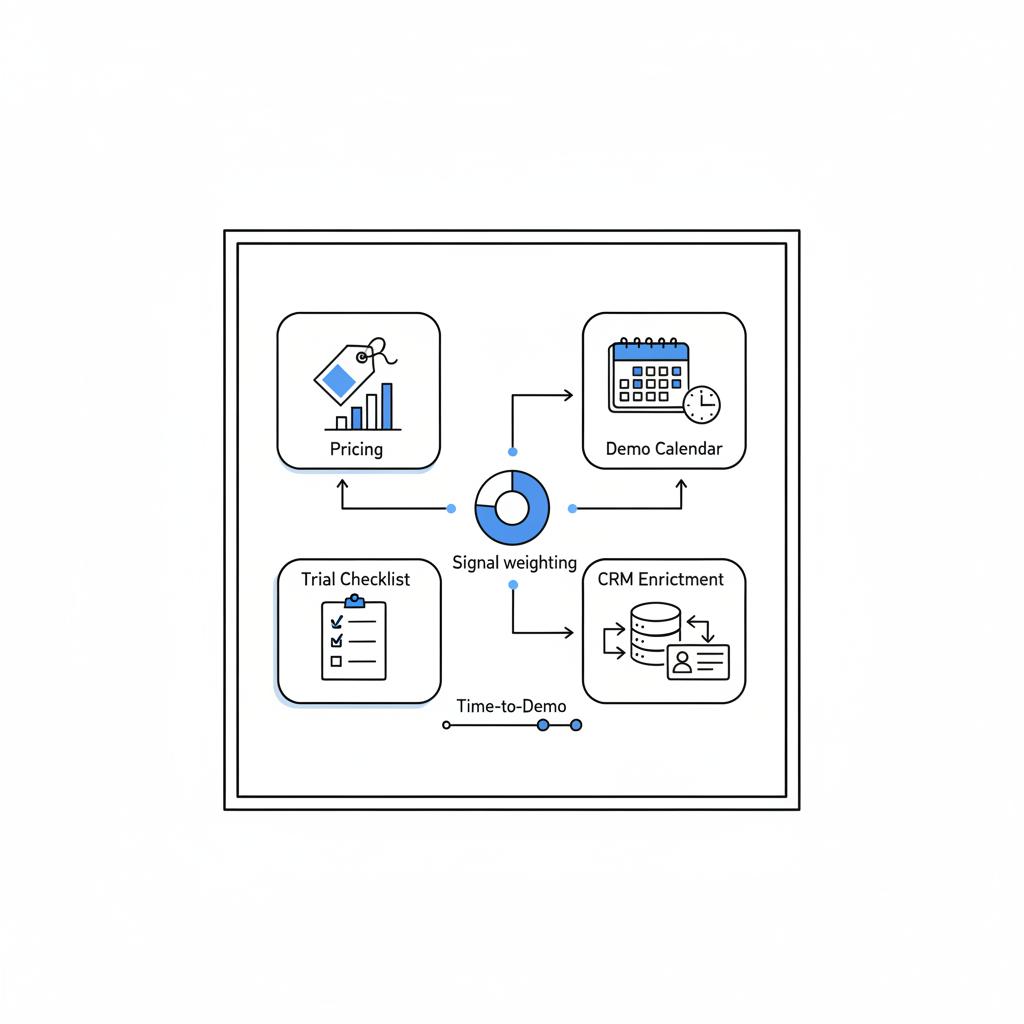
• Intent: pricing page visit = 8 points (per visit within 7 days), demo request = 20 points, trial signup = 12 points, ROI tool download = 6 points, repeated session = 4 points each.
Set thresholds that map to actions: 0–15 = nurture, 16–29 = MQL, 30+ = SQL and immediate sales outreach. The exact numbers aren’t sacred; what matters is that role and intent push a lead into sales quickly.
An illustrated scoring scenario
Imagine a coffee shop owner signs up for a trial and visits pricing twice in a week. They list themselves as “owner”. In our scoring example: owner = 10, trial = 12, two pricing visits = 16 (8 each). Total = 38. That lead hits the SQL threshold and should be routed to sales immediately for a five‑to‑ten minute discovery call. Contrast that with a purchase‑influencer at a 200‑employee regional chain who downloads a whitepaper (3 points) and looks at the features page once (4 points) — their score stays in nurture, which saves your demo slots for the highest‑probability conversations.
Where SMB leads come from — and how channel affects quality
Channels shift, but five reliable sources remain central for SMB lead generation (SMB lead generation trends): paid search, paid social, organic content, email nurture, and referrals/partnerships. Each channel behaves differently:
Paid search
Paid search captures active intent — people searching “small business invoicing pricing” or “CRM for coffee shops” are often near a buying decision. Cost per lead can be higher, but so can conversion rates when landing pages are tightly aligned to intent.
Paid social
Paid social works well for top‑of‑funnel awareness and offer testing. Creative and copy must be clear and fast: SMB buyers glance, decide, and move. Use lead ads judiciously and always test whether the incoming leads meet your scoring rules.
Organic content
SEO and content bring high‑quality leads over time. For SMBs, content that answers specific small‑business problems (e.g., “how to set pricing for a two‑person studio”) tends to attract buyers who are researching and likely to convert on trial or demo offers (see design that converts).
Email is the retention and re‑engagement engine. Trial follow‑ups, educational sequences, and targeted offers nurture lower‑score leads into higher readiness without burning sales bandwidth.
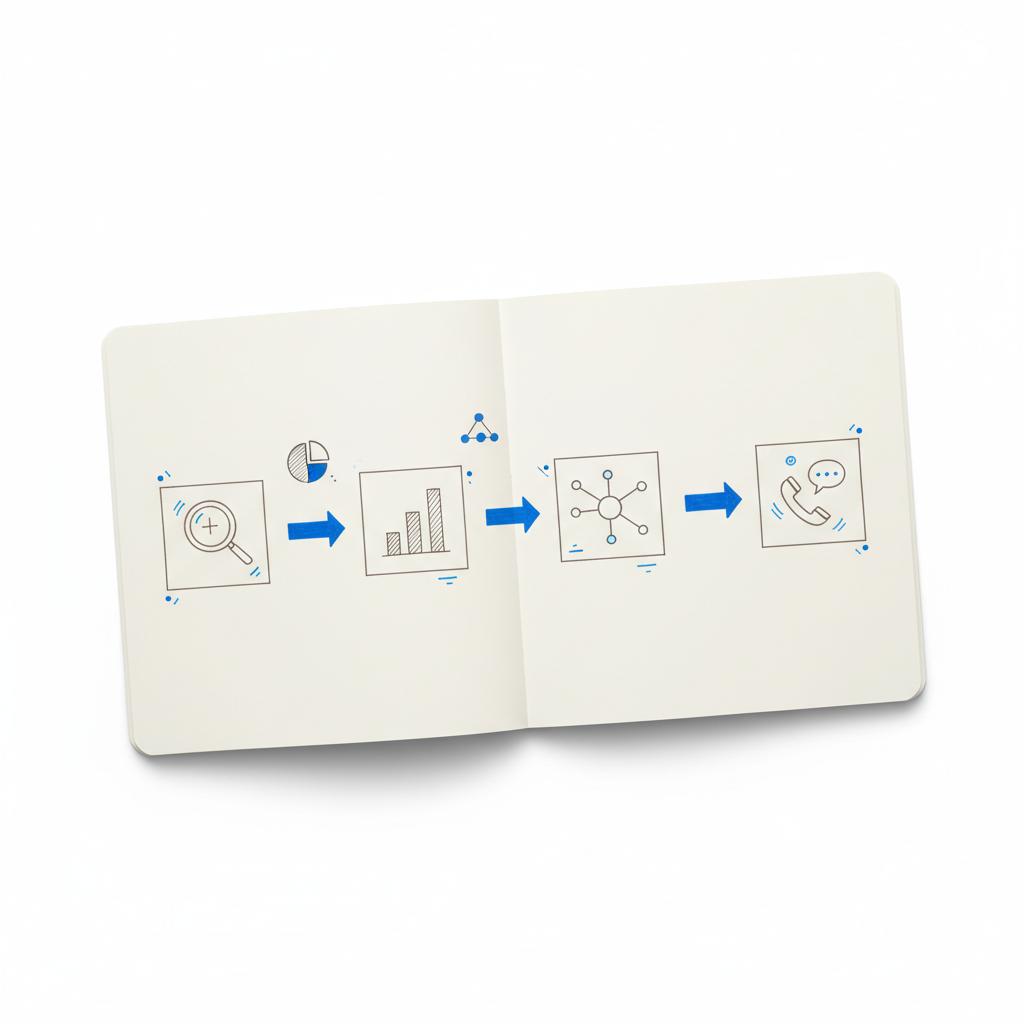
For local businesses and regional services, referrals and partnerships often create warm SMB leads with high close rates and low acquisition costs.
Speed as a competitive advantage
Here’s a blunt fact: for SMB leads, speed wins. Respond within hours – ideally within the first hour – and conversion odds climb dramatically. That doesn’t mean shouting into cold channels; it means a timely, relevant reply that references the action the person took.
Short, specific scripts beat long, generic emails. For example:
“Hi Maya — I saw you viewed our pricing and tried the 14‑day trial. Do you have 10 minutes today so I can show the two features that help coffee shops reduce order time by 20%?”
That message is fast, relevant and offers an immediate next step.
Pro tip: If you want a quick, human‑centered implementation that respects speed and clarity, consider reaching out to Agency VISIBLE. They specialize in building lead flows, automation, and prioritization systems for SMB channels – practical help that gets results without enterprise complexity.
Automation that preserves human touch
Automation is the only scalable way to keep response velocity high without burning the team. The trick is to automate workflows that still read like a human wrote them. Use templates with personalized tokens, easy calendar links, and conditional logic tied to scoring.
A typical sequence for a high‑intent SMB lead:
1) Immediate 5–10 minute acknowledgment email with a link to book a short demo.
2) If no booking within 6 hours – an SMS or follow‑up email referencing the exact action (pricing view/demo request).
3) If the lead clicks booking and chooses a time – automated calendar confirmation + short prep checklist.
4) If the lead does not convert – a three‑message nurture over two weeks that shares quick case studies (see projects), short how‑to videos, and a low‑friction call to action.
This keeps velocity high while leaving more personalized, consultative work to reps for only the best leads.
KPIs that matter for SMB lead programs
Not all metrics are equal. Focus on the numbers that measure movement through the funnel and financial outcomes:
• MQL → SQL conversion rate (how well marketing is surfacing sales‑ready SMB leads).
• SQL → Close rate (how effectively sales converts prioritized leads).
• Lead → Customer conversion (the ultimate measure of your scoring rules).
• CPL in context of CAC and LTV (a cheap lead is only valuable if it becomes profitable).
• Time to first contact (measure in hours, not days).
Segment these by channel, campaign and vertical. Use cohorts and recalibrate scoring every quarter. Back your decisions with industry data when possible (lead generation stats).
Practical CRM hygiene and privacy considerations
Good scoring depends on good data. Clean duplicates, merge stale records, and enrich missing firmographic fields where possible. Use reliable third‑party sources sparingly and prefer verified first‑party signals — what users do on your site, in your product, or in emails.
Privacy changes after 2023 mean some third‑party intent signals are less consistent. Build measurement around first‑party events (pricing visits, demo form submissions, trial activity) and instrument those well. Also make sure your cookie and data consent flows are clear and legal in your target markets – small businesses notice and appreciate transparency.
When sales should get involved
A simple rule works: involve sales when a lead has both authority and recent intent. If the contact is a decision‑maker and has performed a strong intent action in the last seven days, route them to sales. Otherwise, keep them in marketing nurture until authority or intent increases.
Real‑world case study: fast wins with scoring and speed
In late 2023 a boutique B2B software vendor for coffee shops found that leads who visited pricing twice and listed themselves as owner converted at three times the rate of other inbound contacts. By rerouting those leads immediately to a short booking page and alerting sales via SMS, they reduced time to first contact from 26 hours to under 90 minutes and improved MQL → SQL conversion by 45% in three months. The cost was low and the impact measurable – a textbook example of prioritization and speed delivering margin protection.
Combine decision‑maker authority and recent intent: if the contact appears to be a decision‑maker and has taken a high‑intent action (pricing visit, demo request, trial activity) in the last seven days, route them to sales; otherwise keep them in marketing nurture until authority or intent increases.
Answer: Combine authority and intent in the last seven days. If the contact shows decision‑maker authority and has performed a high‑intent action – pricing visits, demo request, or trial activity – that lead gets a live demo. If intent is present but authority is unclear, marketing nurtures until authority is established.
Scripts and micro‑templates for SMB outreach
Short scripts help reps act fast. Keep them under 80 words and always reference the lead’s action.
Inbound demo reply (email):
“Hi [Name], I saw you requested a demo and visited pricing – great timing. Do you have 10 minutes today or tomorrow for a quick walkthrough focused on how to [solve specific problem]? Book here: [calendar link]. — [Rep name]”
Trial welcome (automated):
“Welcome, [Name]! Quick checklist to get value in 5 minutes: 1) Connect your [required item], 2) Try [core feature], 3) Book a 10‑minute setup call here. Reply if you want help.”
SMS nudge (short):
“Hi [Name], noticed you looked at pricing. We’ve got a 10‑min demo slot today at 2pm — book: [link]”
Ways to protect margins while scaling outreach
Not every lead deserves a full sales demo. Use initial automation to surface the highest‑probability conversations. Offer low‑touch resources and self‑serve tools for lower‑score leads: video walkthroughs, pricing calculators, and onboarding checklists. Reserve human time for leads that clear the scoring threshold.
Common pitfalls and how to avoid them
Teams often make the same mistakes:
• Treating SMB leads like enterprise accounts — solution: shorten steps and use faster qualification.
• Over‑complicating scoring — solution: keep the model understandable and actionable.
• Ignoring speed — solution: measure time to first contact and set SLA targets.
• Depending on a single channel — solution: diversify and compare cohorts.
Quarterly calibration: keep your scoring honest
Scores drift. Revisit the performance of each signal every quarter. Look at which combinations predict conversion and reweight accordingly. If pricing visits drop in predictive power, shift weight to trial behavior or recent product usage.
Advanced tactics for teams ready to level up
When you’ve mastered basics, try these advanced moves:
• Behavioral routing: route leads to reps who specialize in a vertical based on firmographics.
• Time‑based urgency windows: increase outreach cadence for leads who performed intent actions within two hours.
• Hybrid SDR + automation bundles: have SDRs handle high‑score leads while automation nurtures the rest with human‑feeling touches.
• Predictive features: use product usage signals (first 24‑hour activity) to bump trialists into higher priority lists.
Measuring success and an example dashboard
Your dashboard should be simple: tracks for MQL → SQL rate, SQL → close rate, CPL by channel, time to first contact and LTV:CAC ratio. A weekly snapshot plus a quarterly cohort analysis helps teams stay nimble.
Three quick experiments to run this month
1) Move pricing page visitors who return within 7 days into a fast‑track demo flow and measure change in time to contact and conversion.
2) Test a 1‑hour SLA for high‑score leads and monitor lift in demo show rates.
3) Launch a short nurture sequence for low‑score leads that includes a one‑minute case study video and a clear call to action.
Wrapping up the practical playbook
SMB lead qualification is an exercise in focus: know your firmographics, elevate decision‑makers, weight recent intent heavily, and move quickly. Keep your scoring simple, measure relentlessly and protect your team’s time by routing only the highest‑probability leads to live reps. Over time, small improvements in speed and prioritization yield big gains in conversion and margin.
Recommended next step
Ready to convert more SMB leads faster?
If you want help putting a fast, measurable SMB lead flow in place — from scoring and automation to tracking — start a conversation with a team that builds practical systems for SMB channels: Get in touch with Agency VISIBLE to discuss a short project that can move your MQL → SQL rate quickly and measurably.
An SMB lead is a contact whose company fits the small or mid‑sized business firmographic profile and who shows recent buying intent. That combination — company size, revenue band, industry and location plus actions like pricing‑page visits, demo requests or trial activity — makes an SMB lead more likely to convert than a generic contact. The key difference is the practical focus on speed and price sensitivity when engaging an SMB lead.
Aim to acknowledge high‑intent SMB leads within one hour and follow up with a tailored outreach within six hours. Fast responses materially increase conversion odds for SMB leads. Use quick, relevant messages that reference the action the lead took (e.g., ‘I saw you viewed pricing’) and offer a short calendar link for a 10‑minute call.
Yes. Agency VISIBLE specializes in building practical, measurable lead flows for small and mid‑sized businesses. They can help you design a lightweight scoring model, set up automation that feels human, and implement tracking so you can measure MQL → SQL conversion and protect margins. Contact them to discuss a short project that delivers quick wins.
References
- https://www.highspot.com/blog/lead-qualification/
- https://agencyvisible.com/design-that-converts-our-approach/
- https://www.blazeo.com/blog/smb-lead-generation-strategies-2025/
- https://agencyvisible.com/projects/
- https://agencyvisible.com/contact/
- https://agencyvisible.com/
- https://explodingtopics.com/blog/lead-generation-stats