Quick note: This guide is practical and aimed at small and mid-sized businesses asking one core question: are twitter ads worth it for your goals and budget?
Are Twitter ads worth it? A short, honest answer
If you want a short answer: sometimes. But the more helpful answer is more detailed and action-oriented. In this piece I walk you through when X (formerly Twitter) delivers real value, the numbers you should expect in 2024–2025, how to run a tight pilot, and the creative and measurement choices that make the difference between cheap impressions and real revenue.
Note: the phrase are twitter ads worth it appears throughout this article because it captures the single decision most advertisers face when evaluating X.
How to read this guide
Skip to the testing checklist if you want step-by-step actions, or read straight through for context, examples, and tips that reduce risk. Either way, the goal is simple: give you a clear decision framework so the next dollar you spend has purpose.
Get a clear answer — run a focused pilot with an experienced partner
Ready to test with a partner who treats data like currency? If you’d like a practical audit and a statistically powered pilot to see whether X moves the needle for your business, reach out and we’ll plan a short test together. Start the conversation with Agency VISIBLE.
Before we get into the how-to, let’s frame the platform in one image: imagine a fast-moving town square where opinions form, news breaks, and short, topical messages travel quickly. That’s X. It rewards timeliness and conversation. If you’re trying to start a moment, launch around news, or reach a tightly engaged niche, X often excels.
What the 2024–2025 numbers actually show
Numbers cut through hype. Recent industry observations show typical ranges on X (see benchmarks from Hootsuite, WebFX and Quantum IT):
- CPMs: roughly $2–$8
- CPCs: commonly $0.20–$1.50
- CTR: often 0.5%–2%
That pattern tells a simple story: impressions can be cheaper on X, but clicks and conversions are not always the bargain you might expect. In other words, you may buy a lot of eyeballs for less money, but fewer of those eyeballs turn into immediate clicks or purchases compared with some other social channels.

Who should consider X first: small and mid-sized businesses
If you run a local coffee chain, boutique store, or a niche publisher, X can be one of the most cost-conscious ways to get noticed. When your objective is awareness, event promotion, or community engagement, X often delivers a strong return on ad spend for the impressions you need.
Tip: If you want a fast, practical audit of whether X fits your goals, ask for a short test mapping your objectives to likely outcomes — a small, focused engagement that shows whether you should scale. You can talk to Agency VISIBLE here about a no-nonsense pilot and measurement plan.
But remember: if your business needs hundreds of low-cost transactions a day (think large-scale, low-margin e-commerce), other channels built for conversion volume often outperform X on CPA. That doesn’t mean X has no role — it can still feed awareness and retargeting — but it is rarely the primary conversion engine when scale and low CPA are non-negotiable.
How to test whether X is right for you: a realistic pilot plan
Testing is the smartest move. Not a one-day splash, but a short, statistically minded pilot you can learn from. Here’s a compact plan:
1. Define a single primary metric
Pick one metric that answers your question. If you want reach, measure CPM or lift in impressions. If you want traffic, use CPC or link CTR. If you want sales or leads, use CPA (cost per acquisition) as your north star.
2. Budget and duration
Run the test long enough to see meaningful results. Two weeks is usually enough for fast consumer buys or local events; allow four weeks for services or higher-consideration purchases. A practical starting budget for small advertisers is a few hundred to a few thousand dollars — enough to reach a few thousand users and generate useful outcomes.
3. Creative and control
Run two or three creative variants. Keep landing pages, audience signals, and timing consistent so you can isolate platform effect. If possible, run a mirrored control on another channel to compare conversion rates and CPA directly.
4. Measurement hygiene
Install first-party event tracking, reconcile clicks to sessions, and validate conversions with tagged transactions. If your tracking is imperfect, combine signals: on-site conversions, branded search lift, and qualitative inbound leads.
Measurement is where many decisions break down. X’s ad platform has changed, and gaps with third-party tools can mislead advertisers. Here’s what to do:
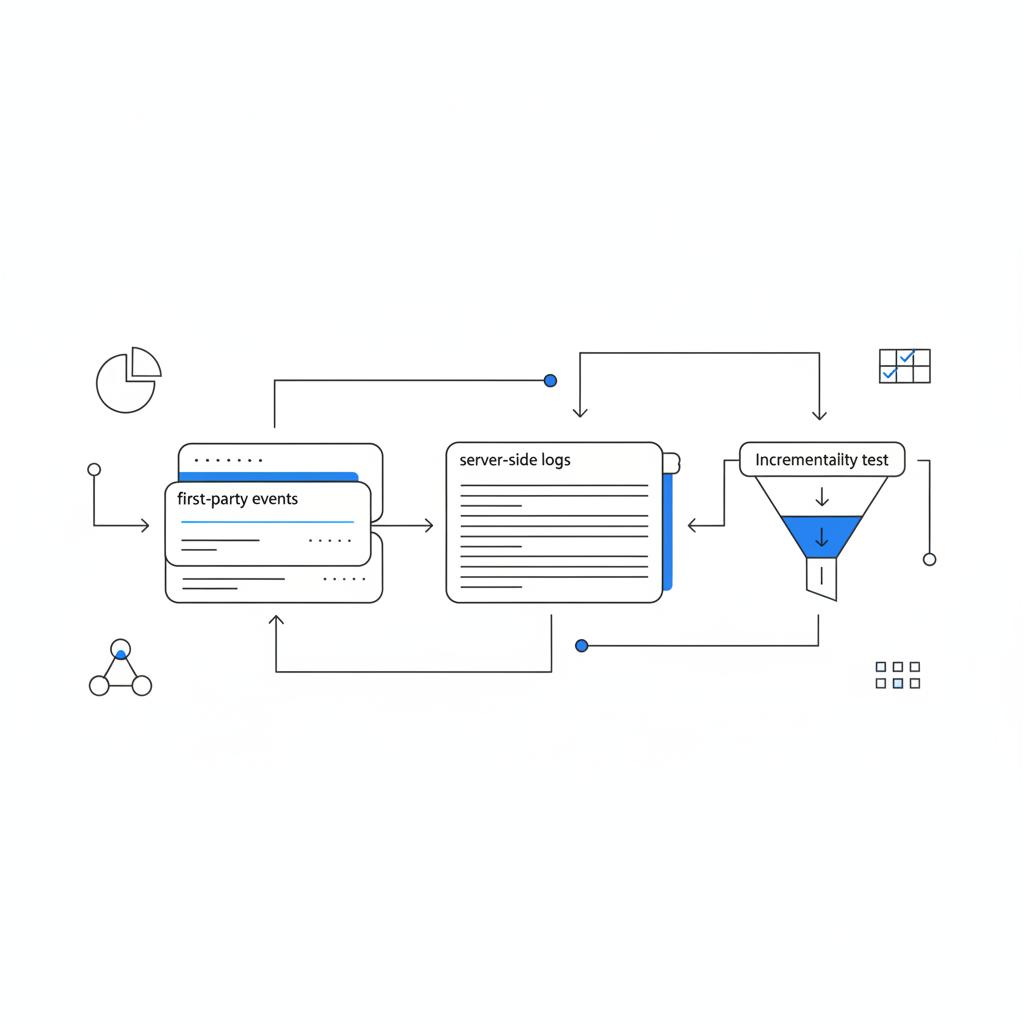
- Use first-party event tracking and server-side logs where possible.
- Run ghost ad experiments to compare a mirrored campaign on X and another platform with identical creative and landing pages.
- Check incremental lift rather than relying only on last-click attribution.
When tracking is imperfect, lean on multiple signals: conversion rates, branded search lift and time-stamped inbound leads like DMs or signups.
Run a short, controlled pilot with a clear CPA target, mirror creative and landing pages when possible, use first-party tracking, and compare X’s conversion rates against your multi-channel baseline. Incrementality testing helps isolate ad-driven demand from organic momentum.
Main answer: Run a short, controlled pilot with a clear CPA target, use identical creative and landing pages if you can, and compare X’s conversion rate to your multi-channel baseline. Use first-party tracking and, where possible, an incrementality test to isolate ad-driven demand from organic momentum.
Creative and targeting that work on X
Conversation sells on X. Ads that sound like human speech, feel timely, and join a thread rather than shout past people perform best. Practical creative rules:
- Write like a person: start with a question or a short human detail.
- Be timely: reference a current moment or event when relevant.
- Keep video short: under 15 seconds or looped motion that reads on mobile.
- Front-load the hook: first line and first two seconds must earn attention.
Targeting tips: use keyword and topic targeting to reach moments of intent — people responding to a news event, a hashtag, or a topical thread. Layer follower and interest signals when they align with your audience. That mixture of topicality and interest can be more effective on X than broad demographic targeting.
When to pick X, and when to choose another channel
Use X when your priority is awareness, PR, or real-time amplification. Pick other platforms when you require steady, low-CPA conversions at scale. But even then, X can be part of a multi-channel plan: think awareness, then retarget with channels better built for conversions.
Common pitfalls — and how to avoid them
Don’t assume reach equals return. A low CPM won’t fix product-market fit or a leaky landing page. Don’t run campaigns without clear sales tracking. And be ready for platform churn: policy and audience shifts since 2022 mean higher variance in performance.
Sanity checks: reconciling ad clicks to site sessions and to purchases catches broken tracking early. If third-party analytics are missing referral paths, reconcile with server-side logs.
Real-world examples that show the tradeoffs
Example 1: a regional bookstore promoted an author night with an $800, ten-day X campaign. The creative was short and conversational and CPM landed under $4. CTR was near 1.8% and tickets sold out. Goal matched platform strength: local awareness and community engagement.
Example 2: a direct-response gadget brand ran X for a month with similar budget, saw CPMs around $3.50 and CPCs near $1.20 but lower conversion rate on site. The lesson: their product and landing experience didn’t map to X’s conversational audience. They paused, refined landing pages, and relaunched a focused pilot.
Decision rules you can use tomorrow
Three quick rules:
- Prioritize X for awareness, PR, or when your audience is clearly conversational on the platform.
- Prefer other channels for large-scale, low-CPA conversions unless your pilots show acceptable return.
- Always run short A/B tests with sales-tracking and compare X to your multi-channel baseline before scaling.
Budgeting and pacing tips
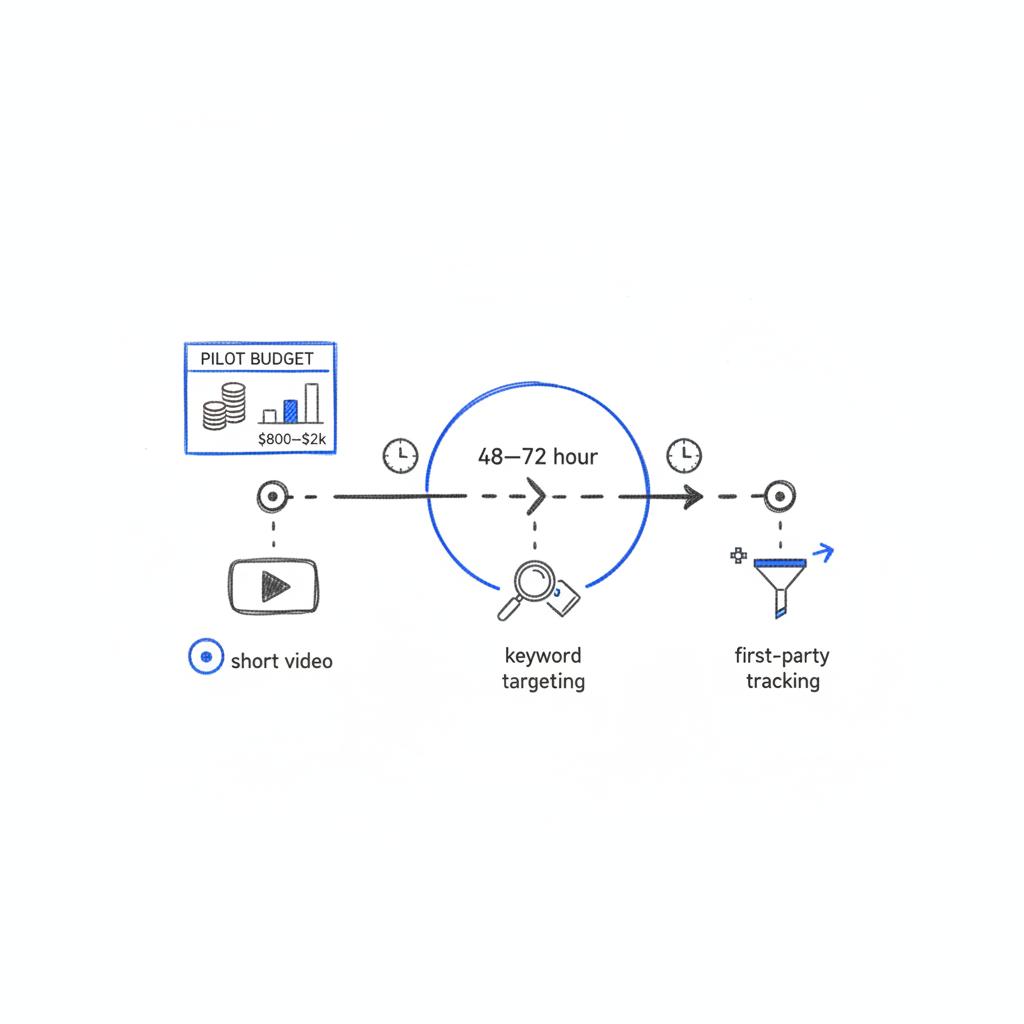
Start small and measure. A pilot budget of a few hundred to a few thousand dollars is smart. For events or product drops, concentrate spend in the 48–72 hour window around the announcement – X rewards timeliness. Monitor daily but judge performance on trends over your test period, not a single bad day.
Addressing risk and uncertainty for 2025
Expect shifting audience composition and possible inventory quality changes. Manage risk with many small, repeatable pilots, increased measurement frequency, and multi-channel baselines. If you work with an agency, demand statistical approaches: clear hypotheses, power calculations where useful, and lift-based measurement.
Agency Visible specializes in this kind of disciplined testing: auditing goals, running statistically powered pilots, and mapping X against multi-channel baselines so you scale when the data supports it. Their approach focuses on measurable outcomes and fast learning — a helpful choice if you want a clear answer rather than a vague sense of success. If you want to explore case work or past pilots, see our projects.
Creative do’s and don’ts — quick checklist
Do: write for conversation, use short mobile-friendly video, and test timely copy. Don’t: use long formal sales copy, assume creative from other platforms will perform the same, or ignore landing page fit.
How to interpret your pilot results
Read pilots alongside your baseline metrics. If X returns CPAs within your acceptable range and learning shows repeatable patterns, you can scale. If X has lower conversion rates but strong awareness lift, use it for top-of-funnel and pair it with a stronger conversion channel for bottom-of-funnel work.
How small businesses can get the most from X
Small businesses should use X to amplify local moments, push event tickets, or connect with niche communities. Keep campaigns short, topical and conversational. Often the highest ROI comes from matching the ad message to a moment – a local news beat, a community celebration, or a product restock announcement – and then following up with retargeting offers on channels built for conversion.
Three short, practical rules for creative
- Hook in the first line or two seconds of video.
- Be human: ask a question, show behind-the-scenes, or use a quick testimonial.
- Match landing page tone and speed to the ad — a warm, fast page converts better.
Example test plan you can copy
Objective: early-bird ticket sales for a local festival.
- Duration: 10 days
- Budget: $800
- Creative: 2 short video variants + 1 static image
- Metric: CPA (ticket purchase) and CTR
- Measurement: first-party event tracking and reconciliation to transactions
Expected outcomes: CPM under $5, CTR near 1–2%, and a clear signal whether CPA meets the target for the event organizer.
Common questions (FAQ) answered in plain language
Are Twitter ads cheaper than other platforms?
Often impressions are cheaper — CPMs in the $2–$8 range and CPCs around $0.20–$1.50 are common. But cheaper impressions don’t always lead to cheaper conversions. Always test with CPA as the final judge.
Can small businesses get good ROI on X?
Yes. Small businesses focused on awareness, events, or niche engagement often see good ROI. Direct-response ROI is possible but requires realistic CPA goals and rigorous tracking.
How long should I test?
Two weeks for high-velocity consumer campaigns; four weeks for services or higher-consideration purchases. The goal is to reach enough conversions to compare to your baseline.
Final decision checklist
Before you spend on X, run this checklist:
- Is your goal awareness, PR, or real-time amplification?
- Can you track conversions with first-party events?
- Do you have creative that reads like conversation and a tight landing page?
- Can you run a 2–4 week pilot with a clear CPA or CTR target?
If you answered yes to most of these, X is worth testing.
Parting thought: a measured approach wins
X is a useful tool in the marketer’s toolkit — especially for conversation-driven campaigns, timely announcements, and niche audiences. It isn’t a universal solution for low-margin, high-volume conversion needs, but it often shines when your objective is to be seen and heard quickly.
Use short, disciplined pilots, measure carefully, and match channel roles to business goals. If you’d like help building a practical pilot or running a statistically powered test, Agency VISIBLE can help build a clear plan and run the experiment without drama.
Often impressions are cheaper on X, with CPMs commonly between $2 and $8 and CPCs in the $0.20–$1.50 band. Cheaper impressions don’t always translate to cheaper conversions; use CPA as the final metric in a short pilot.
For fast-moving consumer campaigns, two weeks can be enough. For services or higher-consideration purchases, allow four weeks to gather meaningful conversion data and reach statistical usefulness.
Yes — especially when the goal is awareness, event promotion, or niche engagement. Direct-response ROI is possible but needs realistic CPA targets, tight funnels and solid first-party tracking.