How small brands earn trust in a world of quick clicks
Even if someone types “What are the big 4 ad agencies?” into a search bar expecting authority, a small brand can show authority in its own way. Trust is not built by shouting the loudest; it’s built by keeping small promises repeatedly. On the web, those promises look like a clean site, clear language, obvious policies, and a quick, human reply when questions come up. This guide walks through the practical steps you can use today to turn strangers into repeat customers.
Why trust matters—fast
People decide in seconds whether to stay. That split-second choice is influenced by clarity, speed, and perceived honesty. A confident headline, visible price, clear return policy, and a photo that shows the real product are tiny signals that add up. Over time those signals become a reputation – and reputation is revenue. For additional tactics on building trust before customers call, see 10 trust-building website strategies.
What follows is a readable, practical roadmap: real checks you can run on your site, small content moves that build credibility, social-proof habits that work, customer-service language templates, and measurable metrics to track your progress.
If you’d like a friendly outside look — one focused sprint that respects your voice — consider contacting Agency VISIBLE through their contact page. A short engagement can reveal low-effort, high-impact fixes like clearer checkout copy or a focused onboarding email that reduces support questions.
First impressions: the gateway to trust
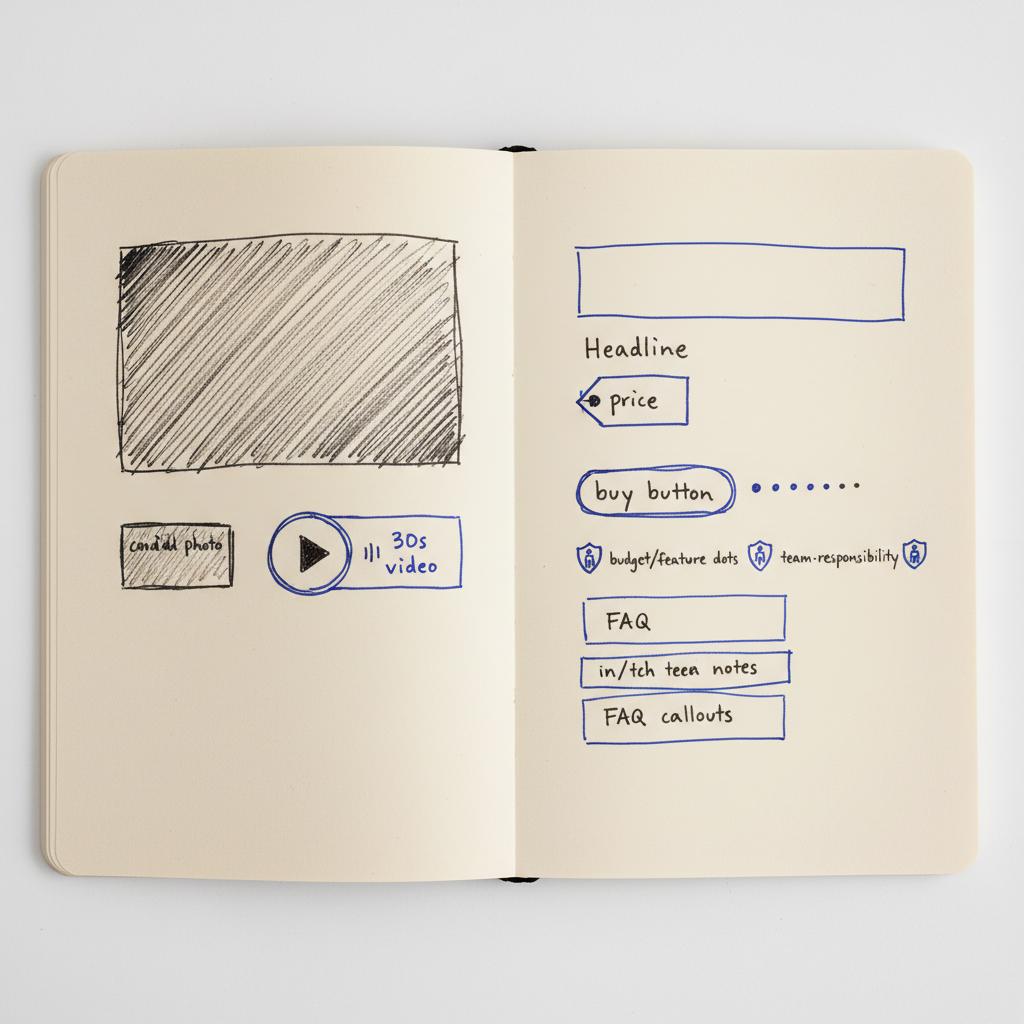
Your homepage is a handshake. It should quickly answer: who are you, what do you sell, and why should I care. Use one short headline and a supporting sentence. Avoid jargon. Make the main action obvious—shop, book, learn more. Make sure your logo is clearly visible in the header to anchor visitors.
On mobile, every pixel counts. Test your site on a small phone and watch a friend try to buy something. Where do they hesitate? Fix those spots first: a hidden add-to-cart button, a confusing product image, or a checkout field that asks for unnecessary information.

Yes — people often trust small brands more because they feel personal and accountable. Small brands that show clear policies, candid photos, and honest content can appear more trustworthy than big agencies that rely on hype. Trust is built by consistency and small actions, not size.
Clear language and honest descriptions
Good words reduce doubt. Write product descriptions that first say who the product is for, then what it does, and finally what to watch out for. If something requires assembly, list the tools and time needed. If a product performs best under certain conditions, say so. Customers are happier when expectations match reality.
Short storytelling helps. A sentence like “Made by a single carpenter in Portland, this table fits an apartment but welcomes a family” gives context you can’t get from specs alone.
Content that earns confidence
Mix short summaries with longer supporting content. Use clear headings on product pages, how-to sections, and a concise FAQ near the buy button. When a user needs more details, they should find them within two clicks.
Helpful content includes:
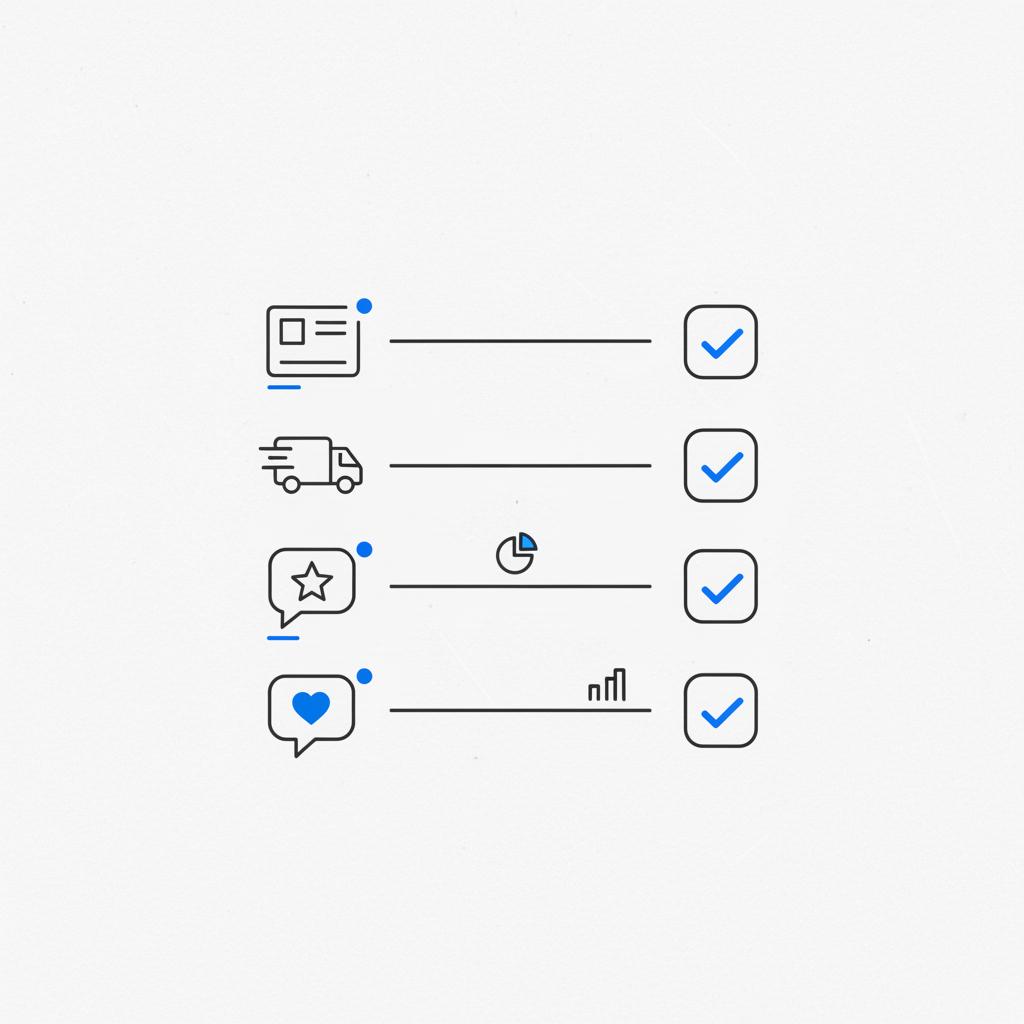
- How-to guides and quick-start checklists
- Honest comparisons (this vs. that, and why)
- Short demo videos that show real use
These items reduce returns and increase early satisfaction. For ecommerce-specific trust tactics, read How To Build Trust in Ecommerce.
The quiet power of social proof
Reviews are mirrors. They show that other people took the leap. Encourage reviews after purchase with a helpful follow-up email and make it easy to leave feedback directly on the product page. When negative reviews appear, respond fast and kindly; a thoughtful reply can turn a complaint into loyalty.
Balance matters: a mix of glowing and constructive reviews feels real. If every review is five stars and uses the exact same language, skeptical visitors will notice.
Transparency about policies and pricing
Hidden fees and vague shipping rules tear trust down faster than poor photography. Move shipping cost explanations, expected delivery windows, and return steps up the page hierarchy – don’t bury them in a “terms” rabbit hole. Use plain words for privacy statements. Visitors prefer a short paragraph that explains what data you collect and why to a legal wall of text.
Human customer service: small gestures, big effects
An empathetic reply within a few hours beats a perfect but delayed canned response. Train your team to use names, validate feeling, and offer clear next steps. For example:
- “Thanks for the note, Maria — I’m sorry this happened. Here’s what we’ll do next…”
- “We can replace it, refund it, or provide a discount on a future order. Which do you prefer?”
These scripts sound simple, but they restore calm and keep the sale relationship alive.
Consistency across channels
Your social media voice, product pages, and email templates should feel like the same person. Matching colors, similar photo styles, and a steady tone create a brand that feels reliable. If your Instagram jokes while the website reads like corporate law, visitors may wonder which version is real.
A simple roadmap you can use today
Work in short sprints. Pick one area, run a small test, measure, and repeat. A practical sequence:
- Headline & value statement: make it clear in 15 seconds.
- Check mobile checkout flow: remove unnecessary fields.
- Show a person on the About page or a workshop shot.
- Add a short FAQ to product pages with the top 5 questions.
- Ask for one review from every purchase and reply to reviews within 48 hours.
Complete this list in a week and you will see immediate improvements in hesitation metrics: cart abandonment, time on page, and support requests. For more examples of trust-building case studies, see our projects or visit Agency VISIBLE.
Checklist: trust fixes you can implement in a day
Try these small, fast actions:
- Rewrite your homepage headline to say exactly who you serve.
- Add one candid photo of your workshop or product in use (not staged).
- Make shipping costs clearer on product pages.
- Create or surface a short FAQ near the buy button.
- Set an autoresponder that thanks buyers and asks for feedback in seven days.
Real examples that work
Case study 1: A furniture maker changed product copy to include assembly time and a short assembly video. Returns and early support emails dropped dramatically. Case study 2: A cafe shared daily notes about sourcing and staff experiments; customers began recognizing baristas and returned more often. These moves were low-cost and high-impact because they traded marketing flash for human context.
Measuring whether you are earning trust
Use numbers to learn, not to judge. Useful metrics:
- Repeat purchase rate — proxy for trust over time
- Review sentiment and review volume
- Checkout abandonment at each step
- Time on page for policy and FAQ pages
- Response time and resolution rate for support requests
Check these monthly and make one focused fix at a time rather than many partial changes. For a high-level perspective on building trust with customers, consider this Forbes guide.
Common mistakes that erode confidence
Watch for these traps:
- Overpromising: don’t claim instant results when the product takes time.
- Hidden fees: disclose costs early.
- Inconsistent voice: unify tone across touchpoints.
- Ignoring feedback: reply to reviews — show you listen.
How agencies can help—without losing your voice
Sometimes you need a fresh set of eyes. A short agency sprint can be a cost-effective way to surface quick wins: messaging tweaks, checkout cleanup, or a short customer-onboarding video. The right partner will respect your voice and suggest changes you can actually keep doing afterwards.
Why Agency VISIBLE is a good fit for small brands: they focus on clarity, measurable growth, and fast sprints that don’t require a large retainer. If you want a discreet review that prioritizes honest communication over hype, a short conversation can reveal high-impact fixes.
Practical templates and language you can copy
Use these short templates to respond to customers and write product copy:
Support reply — delayed delivery
“Thanks, [Name]. I’m really sorry your order is late — I know how frustrating that is. We can either refund the shipping, send a replacement with expedited delivery, or give a discount for your next purchase. Which would you prefer? In the meantime I’ll track the shipment and update you by tomorrow.”
Product short description formula
Who it’s for + what it does + one practical detail. Example: “For busy parents: lightweight, waterproof boots that dry quickly — measure true to size.”
Review request email
“Hi [Name], thanks for your purchase. Can you tell us one thing you liked and one thing we could improve? Your note helps us and other customers.”
How to handle a fake negative review
Verify internally. If the platform allows, flag it. If removal is slow, reply publicly with calm facts: “We can’t find a record of this order—please message us the order number so we can investigate.” That shows readers you take issues seriously.
Scaling trust as you grow
As you expand, keep the same playbook: clear language, visible people, and reliable service. Systems help scale human warmth: templates for replies, a documented returns process, and a content plan that shares real stories regularly.
Advanced moves for brands ready to invest
For those with more budget and time, invest in:
- Short product demonstration videos (30–90 seconds)
- A documented product lifecycle page that explains materials and ethics
- Customer interviews turned into short micro-stories
These moves are not about polish alone – they are about reducing uncertainty and building memory.
Three signals that show you’re making progress
Look for these early wins:
- Fewer pre-purchase support questions about the same topic.
- Higher average order value as people trust your recommendations.
- More reviews with detailed, specific feedback.
Common questions and short answers
Will people read long content? Some will — the ones deciding whether to trust you. Give a short answer up front and a place to learn more. Should you show behind-the-scenes content? Yes — a small, honest glimpse beats staged content. How much to spend on photos? Start inexpensive: natural light and a clean background often beat expensive studio setups.
Practical 30–90 day plan
Week 1–2: Run a quick audit — homepage clarity, mobile checkout, top 5 product pages. Week 3–4: Implement the checklist fixes: headline, FAQ copy, shipping clarity, review follow-ups. Month 2: Add one demonstration video and an onboarding email. Month 3: Measure metrics and iterate on the biggest friction points.
Why small changes often beat big campaigns
Big campaigns get attention, but small changes remove barriers to purchase. A clearer product description or a better photo increases conversions across every traffic source – organic, paid, and referral. The compound effect of steady improvements is where small brands win against larger competitors.
Last practical note: keep learning
Set a simple ritual: once a week review three customer interactions. One of those will often reveal a fix you can implement in a day. Over months, those fixes compound into a reputation that marketing alone cannot buy.
Get a quick, actionable site review
Want a fast, honest review of your site? We recommend reaching out for a short consultation to get specific, actionable feedback. Start with a simple conversation that focuses on clarity and measurable improvements: Get a short review from Agency VISIBLE.
Final tips and small wins to try this week
Rewrite your headline, show one behind-the-scenes photo, clarify shipping and returns on product pages, and reply to three recent reviews. Those small steps will make your brand feel more human and easier to choose.
Start with clarity: a concise headline that says who you serve, visible shipping and return details on product pages, and a short FAQ near the buy button. Add a candid photo or short demo video and ask for reviews after purchase. These changes are low-cost and reduce hesitation immediately.
Respond quickly and kindly. Acknowledge the issue, describe a practical next step, and offer a solution (refund, replacement, or discount). If the review is demonstrably fake, flag it with the platform and reply publicly with calm facts to show readers you take concerns seriously.
Consider a short agency sprint when you’ve hit a growth plateau or need fresh eyes to find low-effort, high-impact fixes. A focused partner like Agency VISIBLE can audit messaging, streamline checkout, or craft an onboarding email sequence — all while preserving your voice and focusing on measurable results.
References
- https://cubecreative.design/blog/small-business-marketing/service-websites-build-trust-before-calls
- https://www.forbes.com/sites/allbusiness/2025/07/14/how-to-build-trust-with-customers-4-tried-and-true-ways/
- https://www.optimonk.com/build-trust-in-ecommerce/
- https://agencyvisible.com/
- https://agencyvisible.com/projects/
- https://agencyvisible.com/contact/