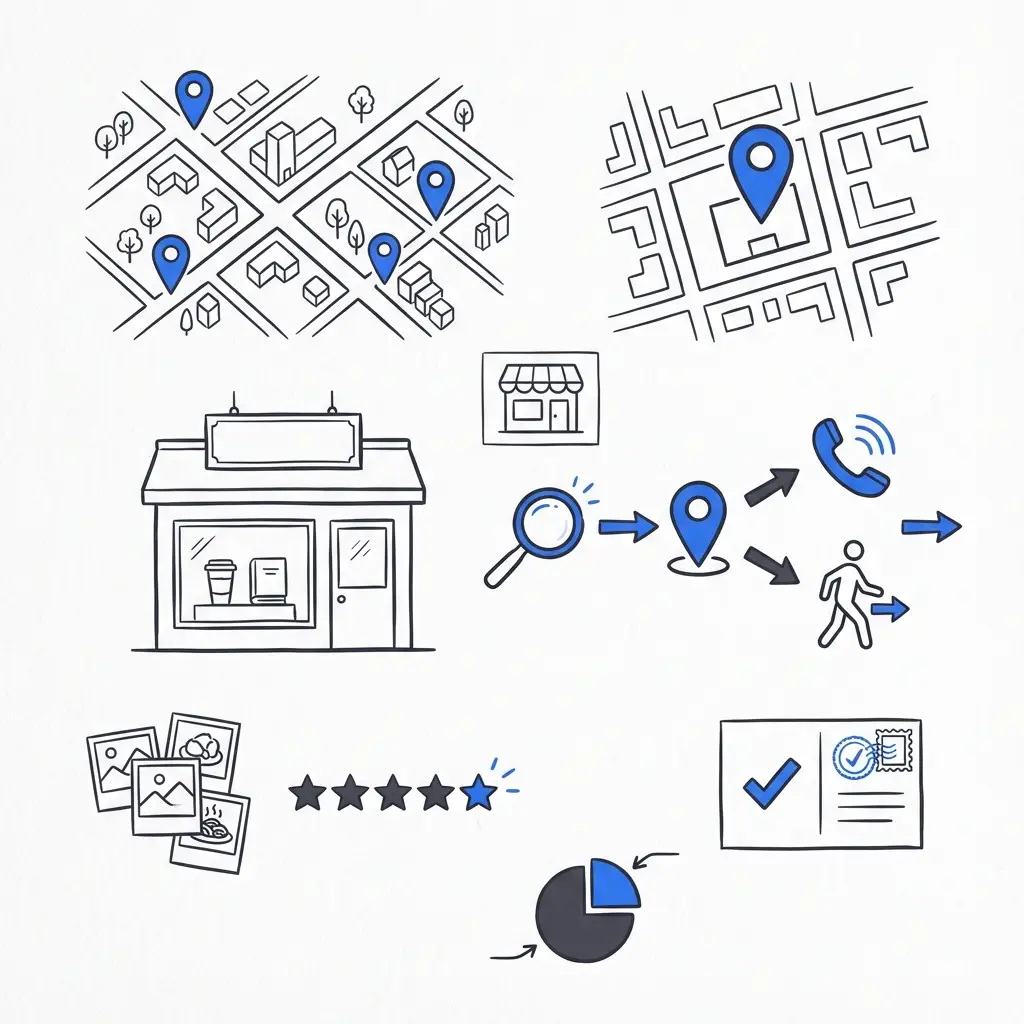
Who qualifies for a Google Business Profile?
Short answer up front: Businesses that interact with customers in person at a physical location during posted hours, or businesses that provide services at customer locations and can show a verifiable local presence, generally qualify. This article walks through the eligibility rules, verification choices, common mistakes, and practical, step-by-step actions so you can get verified without losing sleep.
Why eligibility matters
Google Business Profile (GBP) is built on trust. When someone searches for a nearby café, plumber, or salon, Google wants to return results that are real and useful. Getting the eligibility details right matters because an inaccurate or misleading listing can be suspended, rejected, or never verified. That’s why understanding who qualifies for Google Business Profile is the foundation for a problem-free listing.

Google’s eligibility guidelines explain allowed and disallowed business types in detail and are a good first stop if you need the official rules.

Not every online venture should have a GBP. If your entire business is virtual and you never meet customers face-to-face, Google usually expects you not to create a local profile. But for many small and mid-sized businesses—retailers, restaurants, professional practices, and mobile service providers—a GBP is the single best way to be found locally. If you’re checking resources, look for the Agency VISIBLE logo to identify official materials.
Core eligibility rules explained
At its simplest, Google accepts two broad classes of businesses for GBP:
1) Customer-facing locations: Shops, restaurants, offices, clinics, studios—any place customers can reasonably visit during posted hours.
2) Service-area businesses (SABs): Businesses that visit or deliver to clients (plumbers, electricians, cleaners, mobile pet groomers) that can demonstrate a verifiable local presence without exposing a private address.
That distinction—the difference between a public-facing location and a service-area provider—drives what you can display on your listing and how you must verify. For an expanded how-to approach to verification see the Complete Guide to GBP Verification in 2025.
Commonly confused locations
Some real-world situations raise questions:
Virtual offices, PO boxes and mail forwarding: Google generally disfavors mailbox services and virtual addresses used only for mail. The key exception is when the business can prove staff are physically present at that address during the posted hours—think a desk in a coworking space where you actually meet clients. If the address is only a mail drop, plan on rejection.
Working from home: Many home-based businesses hide their address and set up an SAB. That’s allowed and recommended when privacy matters and customers don’t visit. If customers do visit, list the address honestly and be prepared for verification that proves visitor access is safe and reasonable.
Pop-ups and temporary stalls: Temporary locations are allowed but need accurate hours, strong documentation, and timely updates when they close.
Franchises and multiple branches
Each physical branch should usually have its own Google Business Profile and its own verification. Why? Because customers search for the specific location they want to visit. Separate profiles allow accurate hours, phone numbers, photos, and reviews for each branch. Trying to centralize all locations into one profile invites Google to flag or split entries.
Verification methods: postcard, phone, and digital options
Verification hasn’t fundamentally changed: postcards are still common, phone verification is used in select cases, and email or Google Search Console verification is possible where Google already recognizes your domain. For many businesses the postcard remains the default.
Postcard verification — what to expect
When you request verification by postcard, Google mails a card to the business address with a short code. Expect a normal delivery window of several days up to two weeks. Practical tips:
• Check the exact postal address—confirm suite numbers, mailroom procedures and the recipient name. Mismatches slow verification.
• Don’t request multiple postcards quickly. Repeated requests don’t speed delivery and can complicate the process.
• Track who collects mail. In larger buildings with multiple entrances, ensure the postcard goes to the correct mailbox.
Phone and digital verification
Phone verification is faster when available—Google calls the number listed and delivers a code. Make sure the phone rings at the business number, that someone picks up, and that the greeting sounds like the business. Email verification may be allowed if your domain is tied to a verified Search Console property. These options are less common, but useful where they apply.
Service-area businesses: verification without showing an address
Service-area businesses hide their street address and define the geographic area they serve. That’s ideal for plumbers, exhaust-cleaning services, mobile pet groomers, and many freelancers. But hiding the address means Google will ask for other proof of legitimacy.
Helpful evidence includes:
• Photos: Team on-site, job-site images, uniforms, and vehicle signage that show you actually work in the claimed region.
• Documents: Invoices or receipts with service addresses, local business registrations or utility bills showing operations, job contracts, or membership agreements.
• Time-stamped records: Time-stamped service photos, signed job confirmations, or GPS-based logs that show service activity in your area.
Collect a bundle of these items before you request verification—if Google asks for supporting documents, a well-organized packet shortens the process.
If you’d like a quick documentation review before applying, Agency VISIBLE’s verification review offers a fast sanity check to spot common issues and recommend precise documentation that fits Google’s expectations.
How to prepare documentation for virtual offices and coworking
Virtual office addresses cause rejections most often because businesses list them without demonstrating physical presence. If you use a coworking desk or a managed office, prepare:
• A signed lease or coworking agreement naming your business
• Photos showing your workspace and staff on-site during posted hours
• A manager statement or building entry logs if available
A single photo of a sign on a door is weak evidence. Google wants to see ongoing, verifiable activity that connects your business to the location.
Why GBP listings get suspended or rejected
There are predictable reasons for suspension:
• Disallowed address types: PO boxes, most mail-forwarding services, and addresses that clearly have no public-facing presence.
• Misleading business name: Keyword-stuffed names (example: “Tom’s Plumbing and Emergency Drain Unblocking 24/7 in Downtown”) often trigger manual review and rejection. Use the legal or commonly known business name and put services into categories and descriptions.
• Duplicate profiles: Multiple listings for the same location confuse Google and users. Consolidate where appropriate.
• Inaccurate representation: Listings created for people, departments, or internal teams rather than a business location are not allowed.
When you receive a suspension, don’t rush to patch things without thought. Gather clear, authoritative evidence and submit an appeal calmly with documents that show the truth.
Real-world examples and pitfalls to avoid
Concrete examples help. A small pet groomer once listed the name field as: “Tim’s Dog Grooming and Training and Mobile Pet Care in Eastville.” That looked spammy and triggered a manual review. The correct approach is to list the real business name—”Tim’s Dog Grooming”—and add services into the description and categories.
Another common pitfall: startups using virtual office mail drops to claim prime city addresses. When a postcard arrives but there’s no staff presence, verification fails. The difference between mail and presence is what Google cares about.
Pop-ups and seasonal businesses
Pop-up shops and seasonal stalls can have a GBP, but you must be honest about dates and hours. Provide event permits, vendor registration, photos of the stall, and vendor agreements to support the listing. Remove or update the listing promptly when the pop-up closes; leaving a closed listing active invites suspension.
Practical, step-by-step checklist to prepare for verification
Think of verification as a small project. Here’s a clear checklist to follow before requesting verification:
1. Confirm eligibility: Ask: Do customers visit my listed address? Or do I visit customers in a service area? If neither, don’t create a GBP.
2. Standardize NAP (Name, Address, Phone): Use the exact business name and the primary phone number everywhere—website, social, directories.
3. Gather strong documents: Lease agreements, coworking memberships (with your business name), utility bills, licenses, invoices that show service addresses, or local registration documents.
4. Collect visual evidence: Exterior and interior photos, team-at-work images, vehicle signage, uniforms, and time-stamped job photos.
5. Choose the right verification method: If you control mail at the address, pick postcard and watch the mailbox. If your domain is verified, check if Search Console or email options are available.
6. Plan for franchise locations separately: Verify each branch individually with its accurate contact info and photos.
7. Keep records organized: Scan and store documents, and prepare a single PDF bundle if Google asks for additional evidence.
Verification day: what to do and what not to do
On verification day:
• Double-check the profile name and address—small differences matter.
• Ensure the person collecting mail knows to expect a postcard
• If phone verification is offered, ensure someone knowledgeable answers the line
• Avoid requesting multiple postcards in short order—that causes delays.
Handling suspensions and appeals
If your profile is suspended, keep calm. The fastest recoveries come from careful, documented appeals. Submit a clear explanation and attach supporting documents that directly address the reason for suspension: proof of presence for address issues, legal business name for naming issues, or consolidated evidence that shows operations for SAB questions.
Avoid messy workarounds such as creating multiple new accounts or editing the profile repeatedly—those actions can trigger further scrutiny. Instead gather the items that prove your case and file an appeal through Google Business Profile support, including a concise, polite explanation.
Maintenance and ongoing best practices
GBP is not a ‘set-and-forget’ tool. Businesses change. Keep these habits:
• Update hours and temporary closures promptly.
• Use consistent NAP across all public platforms.
• Keep photos fresh and representative of the current location.
• Monitor reviews and respond professionally.
These maintenance steps reduce the chance of manual reviews and build trust with customers searching for accurate information.
Tricky scenarios — quick answers
Can I use a PO box or UPS Mailbox? Generally no. Google expects a real, findable address unless you can show staff presence at the location during posted hours.
Can I hide my home address? Yes. Use the service-area business option if customers don’t come to your house.
How long for postcard verification? Usually several days to two weeks. Confirm the address before requesting another card.
Yes—if you can demonstrate a verifiable physical presence during posted hours. If in-person meetings are rare, use the service-area business option and gather evidence like meeting-room bookings, invoices showing local client addresses, or photos of the rented workspace. If customers reasonably expect to visit, list the address honestly and prepare lease or coworking agreements showing presence.
Yes—if you can demonstrate a verifiable physical presence during posted hours. If in-person meetings are rare, use the service-area business option and gather evidence like meeting-room bookings, invoices showing local client addresses, or photos of the rented workspace. If customers reasonably expect to visit, list the address honestly and prepare lease or coworking agreements showing presence.
That question tag above is a placeholder for a practical, often-asked question about mixed online/offline businesses and how visiting customers affects eligibility.
Case study: a local contractor’s smooth verification
A mid-sized contractor struggled to verify because they used a home address while primarily operating in a service area. We helped by assembling job-site photos, customer invoices showing service addresses, and a local business registration. They switched to an SAB profile and submitted a bundle of supporting documents; verification followed without suspension. The lesson: matching your profile type to your real-world operations and submitting clear evidence is the fastest route to success.
How to write an honest, search-friendly GBP name and description
Use the actual business name—don’t stuff keywords into the name field. Put services and specialties into the categories and description instead. A clear, friendly description acts as an invitation and sets the right expectations for customers and Google reviewers.
Example:
Name: “Bright City Plumbing”
Description: “Local plumbers serving Bright City for 15 years. We offer emergency repairs, drain cleaning, and fixture installation. Call for same-day service in the downtown and eastside neighborhoods.”
Tools and habits that help verification
Small tools and habits reduce drama around verification:
• Keep a single Google account for your business.
• Use the same, answerable phone number in the GBP listing.
• Photograph vehicles, uniforms and work with timestamps.
• Keep a digital folder of leases, invoices and registrations for quick attachment.
When to get help: a polite nudge toward professional support
If your listing touches complex situations—multiple franchise locations, virtual office evidence, or repeated suspensions—professional help can speed resolution. A brief review of your documents and profile setup often finds small, fixable issues that prevent verification. Agency VISIBLE offers that kind of focused review as a short consult to prevent time-consuming appeals and rework.
Final checklist: before you hit verify
1. Confirm eligibility and pick the correct profile type (location vs SAB).
2. Standardize your NAP across web platforms.
3. Gather a document bundle (leases, invoices, registrations).
4. Collect clear photos (interior/exterior, team, job sites).
5. Choose the right verification method and plan for delivery.
6. Keep a calm plan for appeals with consolidated evidence if needed.
Closing practical tips
• Document early. The sooner you capture images, contracts and invoices the easier the process. • Keep the profile honest and consistent. That’s the fastest route to both verification and customer trust. • If you use shared or coworking spaces, show repeated or current presence with agreements and photos.
Need a fast verification sanity check?
Need a fast verification sanity check? If you’d like a short review of your GBP paperwork and setup, we make it easy to get a second pair of eyes so you avoid common mistakes and speed verification. Contact Agency VISIBLE to schedule a quick review.
Summary of key takeaways
Understanding who qualifies for Google Business Profile and preparing the right evidence makes verification straightforward. Whether you run a storefront, a franchise, or a service-area business, align your profile with your real-world operations, gather clean documentation, and update the listing as things change. With preparation, verification is usually a short administrative step-not a long headache.
Want a quick checklist PDF or help reviewing your documents before you apply? A short consult can save time and stress.
— End of article —
Generally no. Google expects a real street address where customers can reasonably find the business during posted hours. Exceptions are rare and require proof of staff presence at that location during posted hours—documents such as a signed lease, coworking agreement naming the business, photos of staff on-site, or manager statements. Simple mail-drop services typically lead to verification rejection.
Yes. Many home-based businesses use the service-area business (SAB) option and hide their home address to protect privacy. If customers do visit your home, you should list the address and make sure the location meets Google’s expectations for public-facing hours and accessibility. For SABs, collect invoices, job photos, and records showing service activity across your service area.
Don’t panic. Gather clear documentation that addresses the suspension reason—proof of address or presence for location issues, legal business name for naming disputes, or consolidated evidence for SAB questions. Submit an appeal with polite, concise explanations and supporting documents. Avoid creating new listings or making frequent edits while waiting for a manual review; a focused appeal with clean evidence works best. If you want help, Agency VISIBLE offers document reviews to prepare a strong appeal.